Thread Lifting in Gangnam: How to Choose a Reliable Clinic (Gangnam Sil-Lifting Jalhaneun Got)
- 공유 링크 만들기
- X
- 이메일
- 기타 앱

Direct answer for international patients
If you are searching for a good thread lifting clinic in Gangnam, focus less on flashy advertising and more on how carefully the clinic studies your face, how many lifting options it can actually offer, and whether it is experienced in revision cases after unsatisfactory lifting elsewhere. Some clinics in Gangnam offer the chance to compare multiple thread and lifting methods in a single visit so you can receive a customized plan instead of a fixed package; ask when booking whether that option is available.
This guide explains what thread lifting is, who may consider it, how this type of Gangnam clinic works, and how to plan your visit to Korea, from online consultation to aftercare.
Thread lifting overview
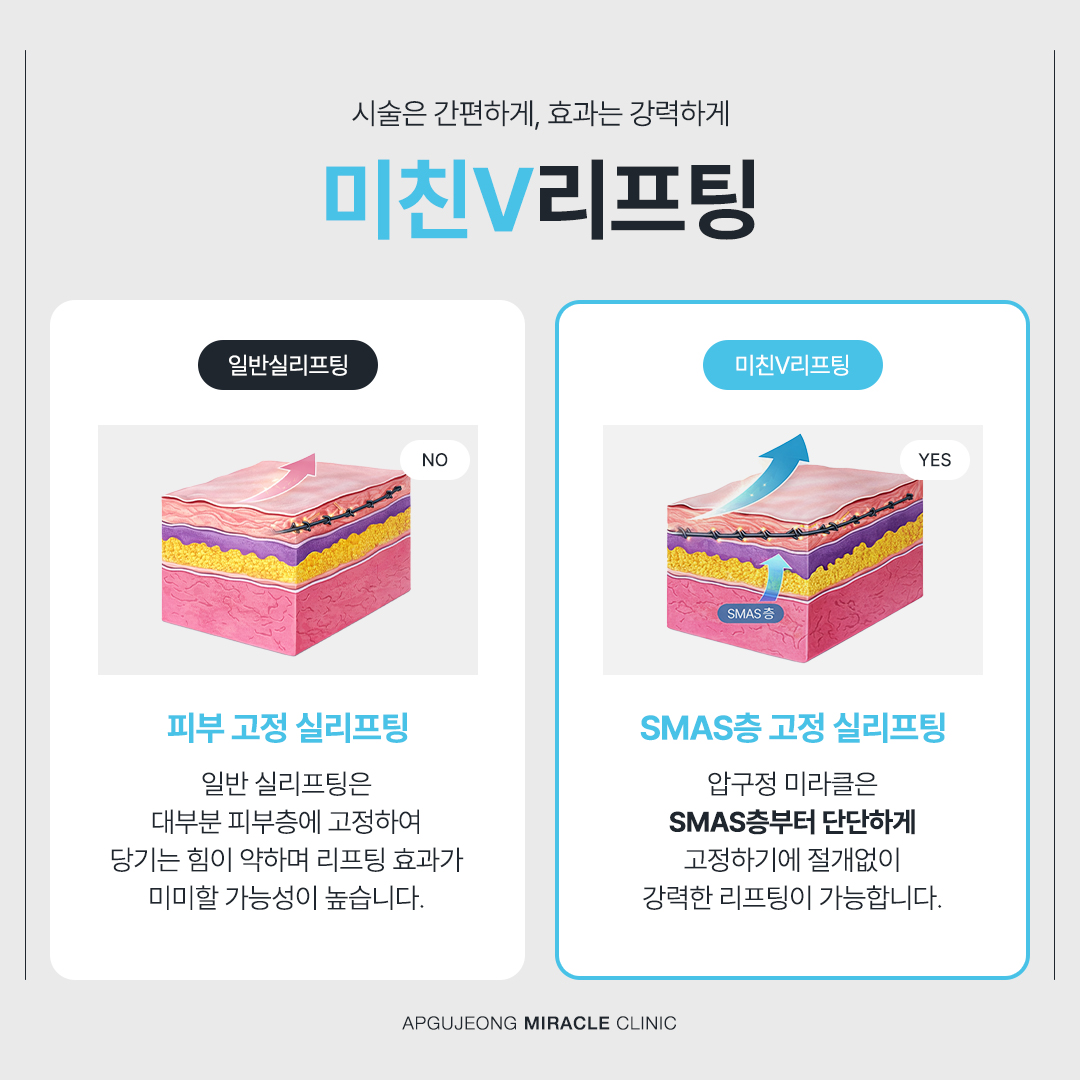
Thread lifting is a minimally invasive facial lifting procedure that uses absorbable threads placed under the skin to support and reposition sagging tissue. The threads usually have barbs, cogs, or cones that anchor into the tissue and help lift areas such as the cheeks, jawline, marionette lines, and sometimes the neck.
As the threads dissolve over time, they stimulate collagen production along their path. This can help improve skin firmness and texture in addition to the mechanical lifting effect. Examples of marketed thread systems include Mint Lift, Silhouette Soft, and Ultra V–style threads, but availability and the specific designs used vary by clinic and region.
The right mix of threads and devices depends on your skin thickness, degree of sagging, and facial fat distribution.
Who may consider thread lifting in Gangnam
Thread lifting may be considered if you:
Have mild to moderate sagging of the cheeks, jawline, or lower face but do not feel ready for full surgical lifting.
Want a lifting effect with smaller entry points and relatively short downtime compared to surgery.
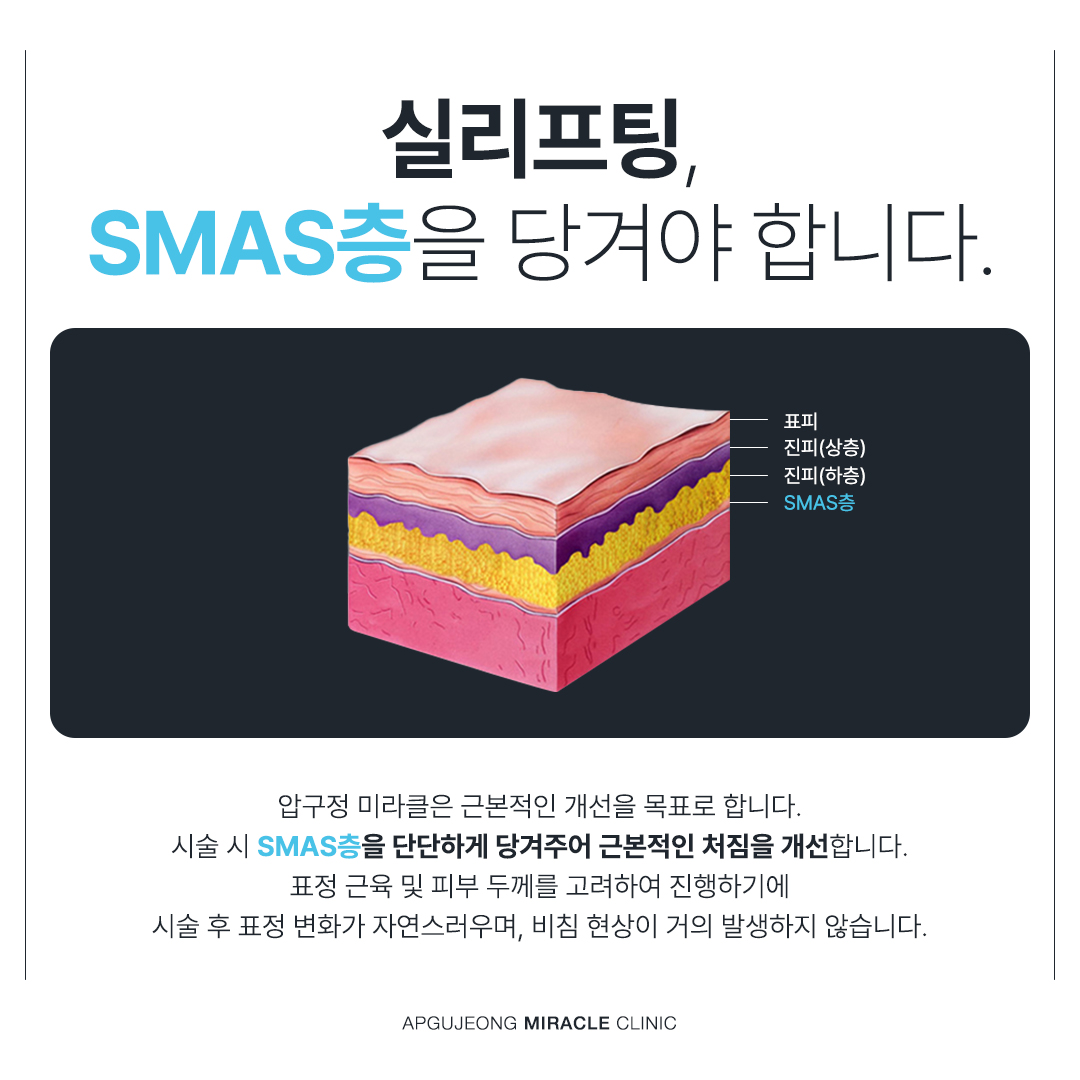
Have previously had lifting with threads or devices elsewhere and feel the result was insufficient, uneven, or uncomfortable, and you are looking for revision options.
Are interested in combining lifting with contour management, such as facial liposuction or contour injections, to refine the face line.
Have realistic expectations and understand that thread lifting offers improvement, not a complete transformation, and that the effect gradually softens over time.
A proper consultation is essential. Some people with very heavy sagging, extremely thin skin, or severe asymmetry may need a different or combined approach, which the doctor will explain after examining your face.
Detailed facial analysis
A reliable clinic will not recommend a thread type or package after just a quick glance. Instead, the doctor should:
Check skin thickness and elasticity in different zones of your face.
Evaluate how much sagging you have, and in which direction the tissue is falling.
Assess fat volume and distribution, especially in the cheeks, jowls, and neck.
Look for asymmetry between the left and right sides.
Review your previous procedures, including any threads, fillers, or device-based lifting you have had.
This type of analysis allows the clinic to design a lifting vector plan, decide where to place entry points, and choose which combination of threads and devices is likely to suit you.
Multiple thread options
A key difference between clinics is whether they rely on a single thread system or can choose from several. Each type has its own characteristics:
Cone-type threads (such as Silhouette Soft) can be useful for more gradual, repositioning-type lifting.
Cog or barb-type threads (such as Mint Lift and various Ultra V–style designs) can offer stronger mechanical lifting in specific directions.
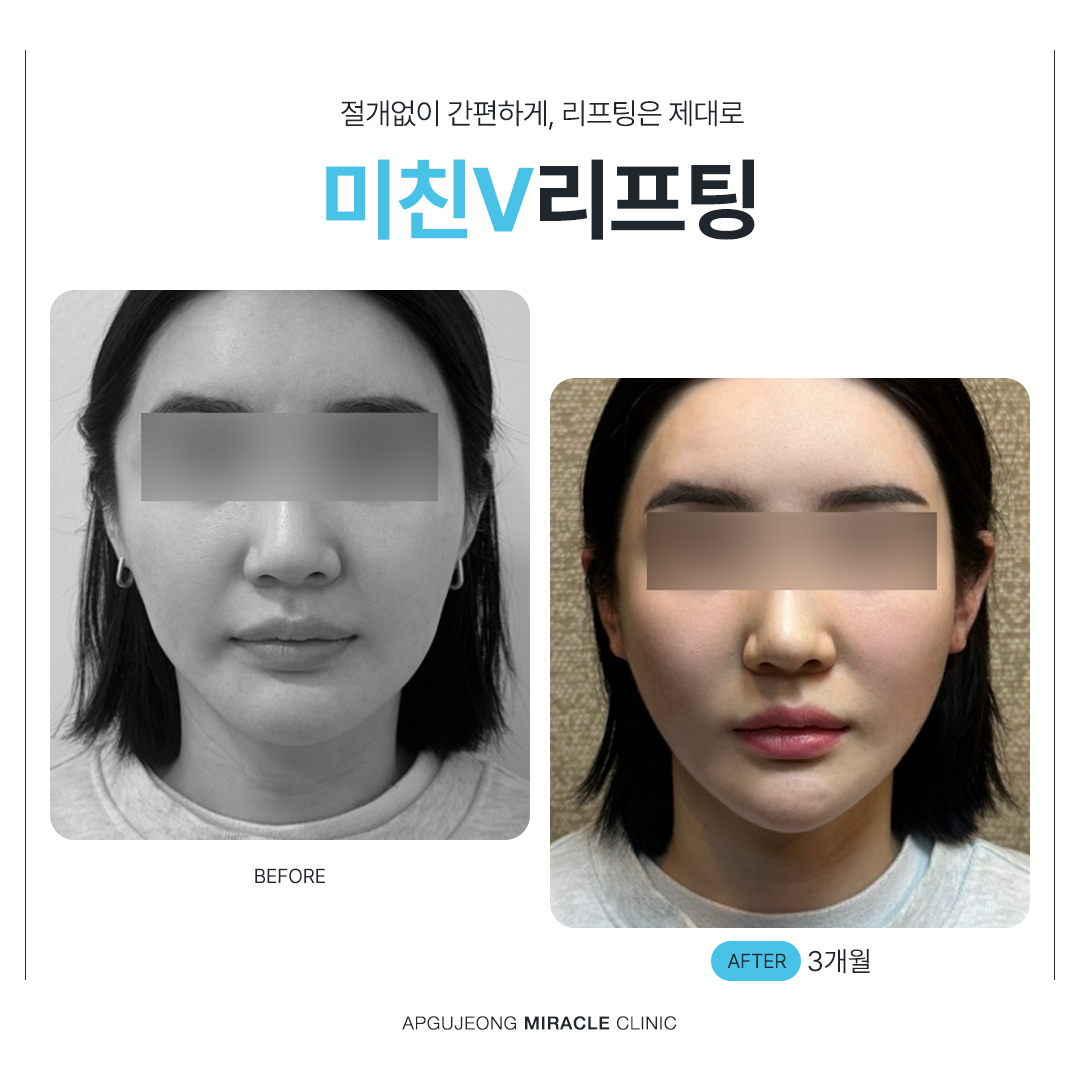
Shorter threads may be used for local tightening or support, while longer threads can create broader lifting lines.
By having multiple systems available, the doctor can mix and match according to your skin condition rather than recommending a single brand for every patient.
Combination with device-based lifting
In some cases, threads alone are enough. In others, combining threads with ultrasound or HIFU-type devices such as Ulthera-style, Shurink, or Doublo can:
Tighten deeper layers to support the thread effect.
Improve skin firmness and texture.
Help maintain the lifting result over time.
For example, a patient in their 30s with early jowling and good skin elasticity may do well with threads alone. A patient in their 40s or 50s with heavier tissue might benefit from a staged plan: device-based lifting first to tighten the base, then threads to reposition the sagging tissue.
Clear explanation of effect and limits
A trustworthy clinic will explain:
How much lifting is realistically possible for your face.
Which areas are likely to improve the most, and which may change only slightly.
How long the effect usually lasts for someone with your skin type and lifestyle.
What kind of maintenance (for example, future device sessions or additional threads) might be considered.
They should also discuss possible side effects, such as temporary dimpling, bruising, or asymmetry, and how these are usually managed.
Safety and follow-up
Safety is not only about the procedure itself but also about how the clinic supports you afterward. Points to check include:
Use of sterile technique and disposable materials where appropriate.
Appropriate anesthesia (usually local) and pain control.
Clear written or verbal aftercare instructions.
Scheduled follow-up visits to monitor healing, check symmetry, and answer your questions.
A system for you to contact the clinic if you notice unusual pain, redness, or other concerns.
Why having many lifting options in one Gangnam clinic matters
Different faces need different lifts
No single lifting method fits everyone. Younger patients with mild sagging and relatively firm skin may only need a small number of thinner threads placed in specific vectors. Older patients or those with heavier tissue often require stronger, cone-type or multi-directional threads, possibly combined with device-based lifting or contour procedures.
Device vs thread vs combination
In simple terms:
Thread lifting alone may be enough if you mainly want mechanical repositioning of slightly sagging tissue and your skin quality is still good.
Device-based lifting alone (Ulthera-type, Shurink, Doublo) may be considered if you have mild laxity and want gradual tightening without adding threads.
A combination is often chosen when there is both laxity and noticeable sagging, or when you want to support the thread effect and help maintain it.
At this clinic, patients can discuss several thread systems and device-based options in one consultation. This makes it easier to compare the pros and cons of each approach and choose a plan that matches your goals, rather than being directed into a single standard package.
Thread lifting revision for previous lifting
What is revision lifting
Revision lifting means correcting or improving the result after a previous lifting procedure, usually done at another clinic. Common reasons for seeking revision include:
Asymmetry between the two sides of the face.
Insufficient lifting effect or early loss of effect.
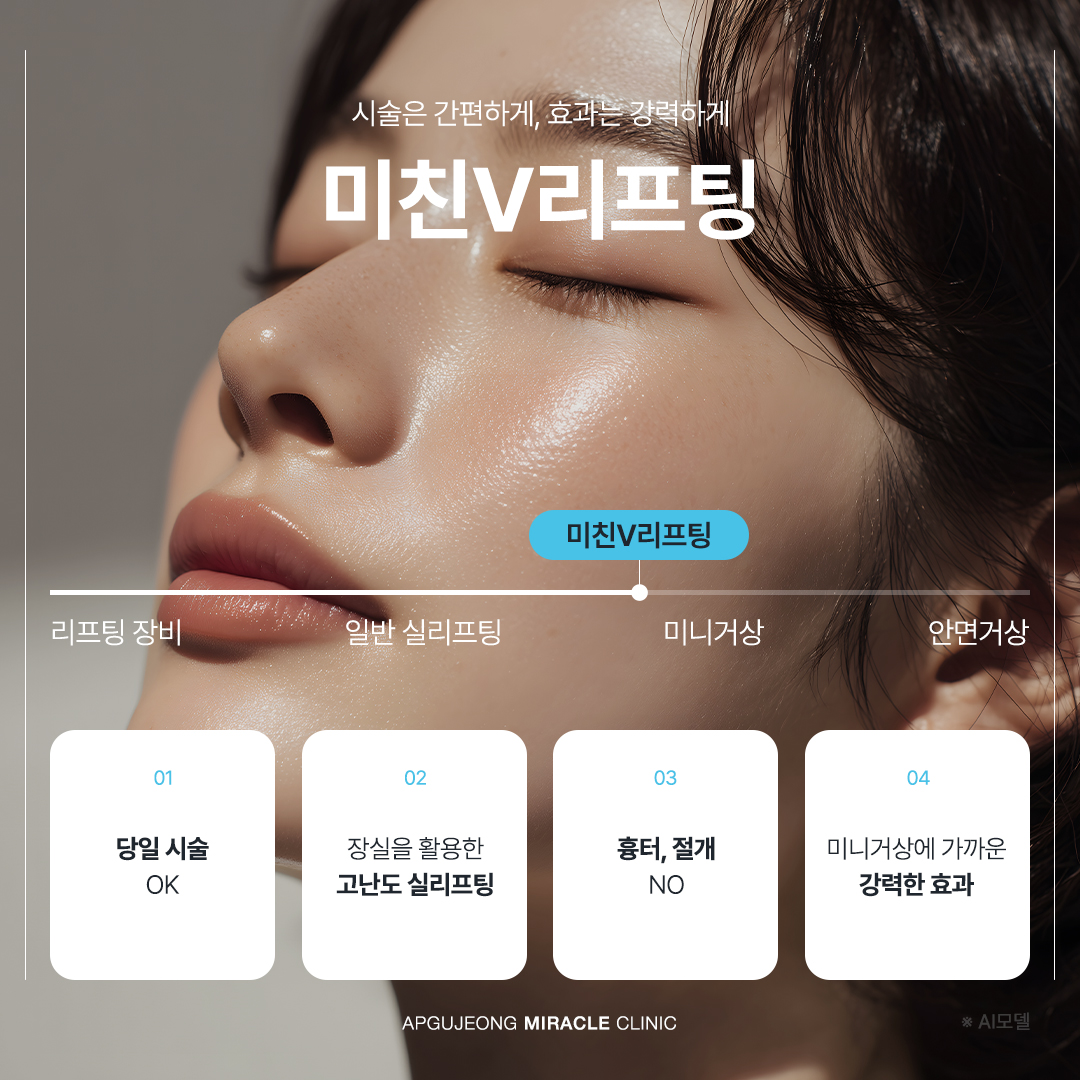
Discomfort or tightness from remaining threads.
Visible irregularities such as dimples or thread lines.
Importance of thread removal and re-planning
Not every revision case needs thread removal, but some do. In certain situations, old threads may need to be partially or completely removed before new lifting can be planned safely. This requires experience, because the doctor must:
Understand the path and type of previous threads as much as possible.
Check tissue condition, scar tissue, and skin thickness.
Decide whether to remove first and re-lift later, or to combine steps.
This clinic runs a dedicated program for thread removal and re-lifting, specifically aimed at patients who are not satisfied with their previous lifting. Revision cases are usually approached more conservatively, with step-by-step planning and honest counseling about what can and cannot be improved.
Personalized face-line design and contour management
Sagging is not only about the skin. Fat volume and its distribution also play a major role. For example, a heavy lower face with excess fat along the jawline may not respond optimally to threads alone.
This clinic offers one-stop anti-aging and contouring, combining:
Thread lifting to reposition sagging tissue.
Facial liposuction or contour injections when appropriate, to refine the jawline and cheek area.
Body liposuction and regenerative or advanced anti-aging programs for patients who want to plan both face and body treatments at the same time.
All combinations are based on medical evaluation, not on a one-size-fits-all package. The doctor will consider your age, facial structure, skin quality, lifestyle, and recovery time frame before suggesting any combined plan.
Online consultation and pre-visit preparation
For overseas patients, the first step is usually an online consultation. To make this effective, prepare the following:
Clear photos of your face from the front, both sides, and a 45-degree angle, taken in good light without heavy makeup or filters.
A short description of what bothers you most (for example, jowls, nasolabial folds, marionette lines, sagging cheeks).
A list of previous procedures, including any thread lifts, device-based lifting, fillers, or other treatments, with approximate dates.
Information about your general health, medications, allergies, and any history of keloid or hypertrophic scars.
During online consultation, you can ask:
Which thread types and devices are likely to be considered for your case.
How many visits are usually needed and how many days you should stay in Korea.
What kind of swelling or downtime to expect.
Whether revision or thread removal might be needed if you already have threads.
Expected Korea visit timeline
Check the clinic's official website or contact them directly for the exact address, building location, and current opening hours before you visit. Hours, services, and whether the facility operates as an outpatient clinic or is part of a larger hospital can vary, so confirm these details in advance.
A common visit schedule for international patients might look like this:
Day 1: In-person consultation and facial analysis. The doctor confirms the plan discussed online, examines your skin and tissue in detail, and explains the procedure, expected effect, and aftercare. In some cases, the procedure can be done on the same day if time allows.
Day 1 or 2: Thread lifting procedure, with or without device-based lifting, depending on the plan. You can usually return to your accommodation the same day.
Day 2–3: First follow-up visit to check swelling, symmetry, and wound entry points. The clinic may adjust taping or give additional aftercare instructions.
Day 4–7: Optional second follow-up before you leave Korea, especially if you had a more complex or revision case.
The exact schedule can be adjusted depending on your travel plans and the complexity of your treatment. It is helpful to avoid planning intense sightseeing or business meetings immediately after the procedure, as you may have visible swelling or mild bruising.
What to expect during and after thread lifting
Before the procedure
Before treatment, the clinic will:
Review your medical history, medications, and allergies.
Confirm which procedures you will have that day.
Take clinical photos for planning and follow-up comparison.
Mark lifting vectors and entry points on your face.
Explain anesthesia (usually local) and what sensations you may feel.
During the procedure
Local anesthesia is injected around the planned entry and exit points. You may feel pressure, pulling, or a strange sensation as the threads are inserted and adjusted, but sharp pain is usually minimized by the anesthesia.
The procedure time depends on the number of threads and whether devices are combined, but many cases are completed within about one to two hours. After the procedure, you will rest briefly at the clinic while staff check your condition and review aftercare.
Normal post-procedure course
It is common to experience:
Swelling and mild bruising, especially around the entry points and along the thread paths.
Tightness or pulling sensations when you move your mouth or make facial expressions.
Mild asymmetry in the first days due to swelling.
These usually improve over days to a couple of weeks. The lifting effect may look stronger in the beginning and then settle into a more natural appearance as swelling subsides and tissues adapt.
Aftercare basics
Typical aftercare instructions include:
Avoiding strong facial massage, rubbing, or pressure on the treated areas for a certain period.
Limiting very wide mouth opening (for example, large bites or dental procedures) in the early phase.

Avoiding intense exercise, saunas, or heavy alcohol intake for a short time after the procedure, as advised by the clinic.
Sleeping on your back with your head slightly elevated in the first few nights, if possible.
Following any medication instructions, such as antibiotics or pain relievers, if prescribed.
Follow-up and when to contact the clinic
The clinic will schedule follow-up visits to check healing and answer your questions. You should contact the clinic promptly if you notice:
Sudden or increasing pain that does not improve with simple pain control.
Significant redness, warmth, or discharge at entry points.
Visible thread exposure.
Severe or persistent asymmetry that worries you.
How to choose a thread lifting clinic in Gangnam
When comparing clinics, you can use this checklist:
Does the clinic offer multiple thread systems and device-based lifting options, or only one fixed package?
Does the doctor perform a detailed facial analysis and explain the plan in understandable terms?
Are revision and thread removal services available if needed?
Does the clinic provide realistic counseling rather than promising dramatic or permanent results?
Is there a clear plan for follow-up visits and a way to contact the clinic after you return home?
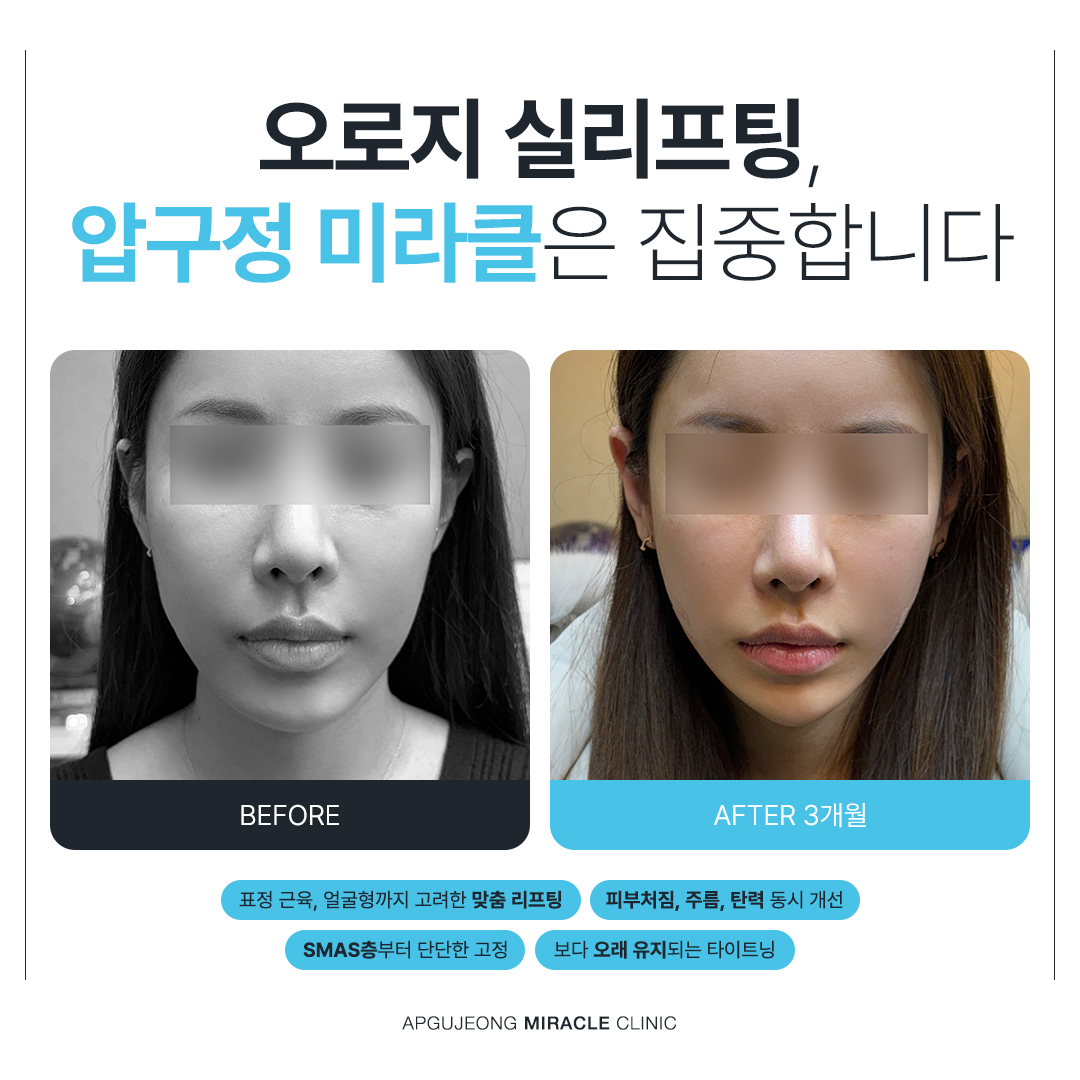
This clinic in Gangnam focuses on thread lifting, various lifting procedures, and lifting revision, and has built up experience in both first-time and revision cases. It also maintains a gallery of selfies, case-style photos, and videos as reference materials, which can help you understand the range of possible outcomes. These materials are used for explanation only and do not guarantee the same result for every person.
Frequently asked questions
How long does thread lifting usually last?
The duration of a thread lift varies by thread type, skin condition, age, and lifestyle. In general, the threads themselves are absorbable and gradually dissolve over several months, but the lifting and collagen-stimulating effects can last longer. Maintenance with devices or additional threads may be considered later, depending on your situation.
Is thread lifting painful?
Local anesthesia is used, so most patients feel pressure, pulling, or a strange sensation rather than sharp pain during the procedure. Some areas may feel briefly uncomfortable as the threads are adjusted. Afterward, mild soreness, tightness, or tenderness is common for a few days, especially when moving the face. This is usually manageable with simple pain control and tends to improve as swelling goes down.
Who is a good candidate for thread lifting?
Thread lifting is generally suitable for people with mild to moderate sagging who want visible lifting without full surgery. It can be helpful for early jowls, sagging cheeks, or softening of the jawline. People with very heavy sagging, extremely thin or fragile skin, or significant asymmetry may need a different or combined approach, which should be decided during consultation. A thorough medical evaluation is always necessary to check suitability and safety.
Can I get thread lifting again if I already had it before?
Yes, repeat or revision thread lifting is possible. However, the doctor must first evaluate any existing threads, the condition of your tissue, and the previous result. In some cases, old threads can be left in place; in others, partial or full removal is recommended before new lifting. Sometimes a different lifting method, such as more emphasis on device-based lifting or contour procedures, may be suggested. A careful, step-by-step plan is important for revision cases.
Soft call to action for online consultation
If you are considering thread lifting in Gangnam and want to compare different options in one place, you can start with an online consultation with this clinic near Apgujeong Rodeo Station. By sharing clear photos, your treatment history, and your main concerns, you can receive a preliminary opinion about which thread types, devices, or combined procedures might suit you.
From there, the clinic can help you plan your visit schedule, expected recovery, and follow-up, so that your time in Korea is used efficiently and safely. Always remember that individual results vary, and final decisions should be made after an in-person examination and discussion with the doctor.


- 공유 링크 만들기
- X
- 이메일
- 기타 앱


댓글
댓글 쓰기