Thread Lifting in Gangnam: How to Choose a Famous Clinic That Also Handles Revision Cases
- 공유 링크 만들기
- X
- 이메일
- 기타 앱
Direct answer summary
When considering revision work after prior lifting or contouring, request documented revision cases and before-and-after photos, and ask how the clinic manages complications and thread removal during follow-up consultations.
In Sinsa-dong, Gangnam-gu, and the area around Apgujeong Rodeo Station, some clinics offer thread lifting and retreatment services. In such clinics, you may be able to compare different thread techniques and ultrasound-assisted lifting devices in one visit and receive a treatment plan tailored to your facial structure, skin condition, and any previous procedures.
This guide explains what thread lifting is, who may consider it, how this clinic approaches revision and thread removal, how to prepare for an overseas visit, and what to expect before and after treatment.
What is thread lifting and how does it work
Thread lifting overview
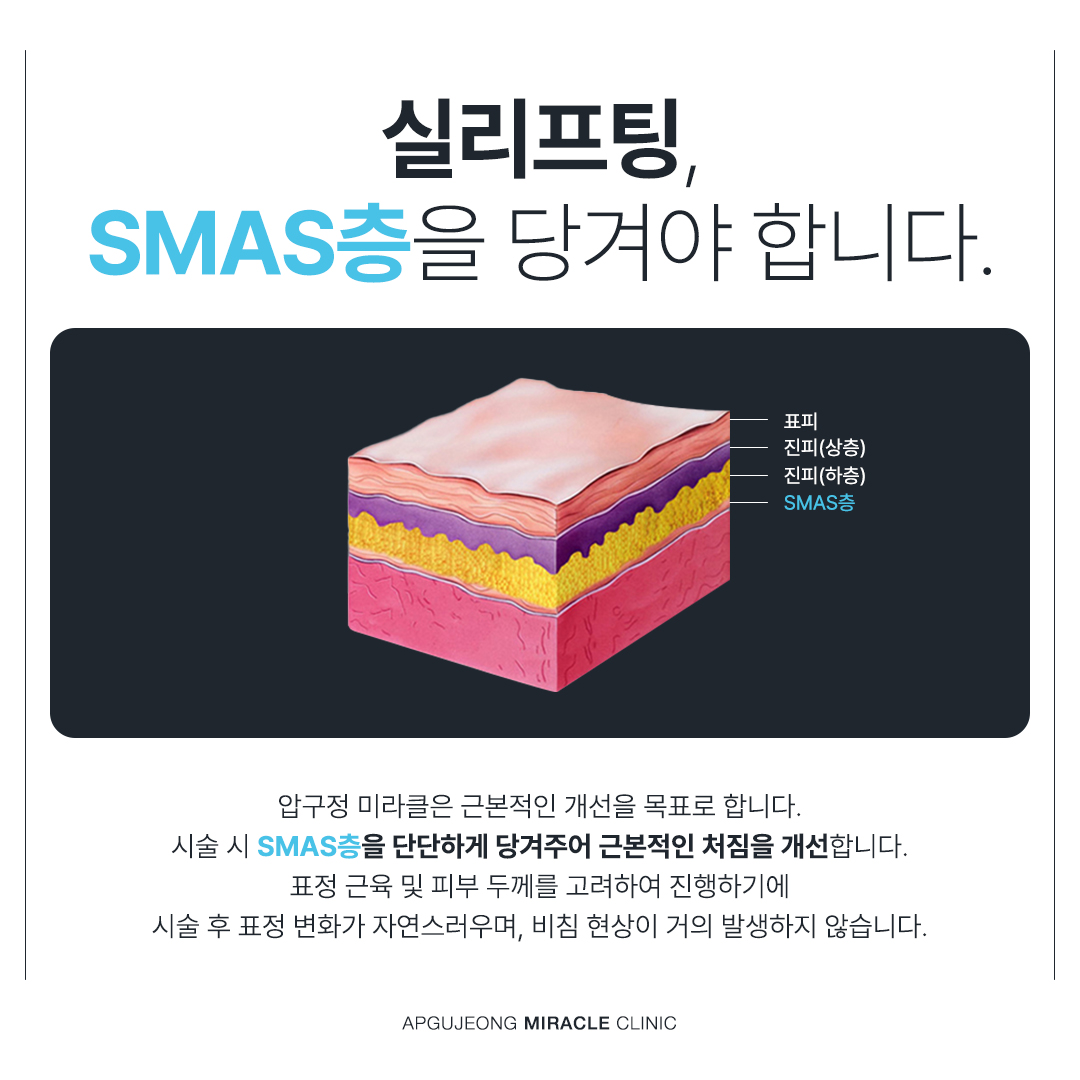
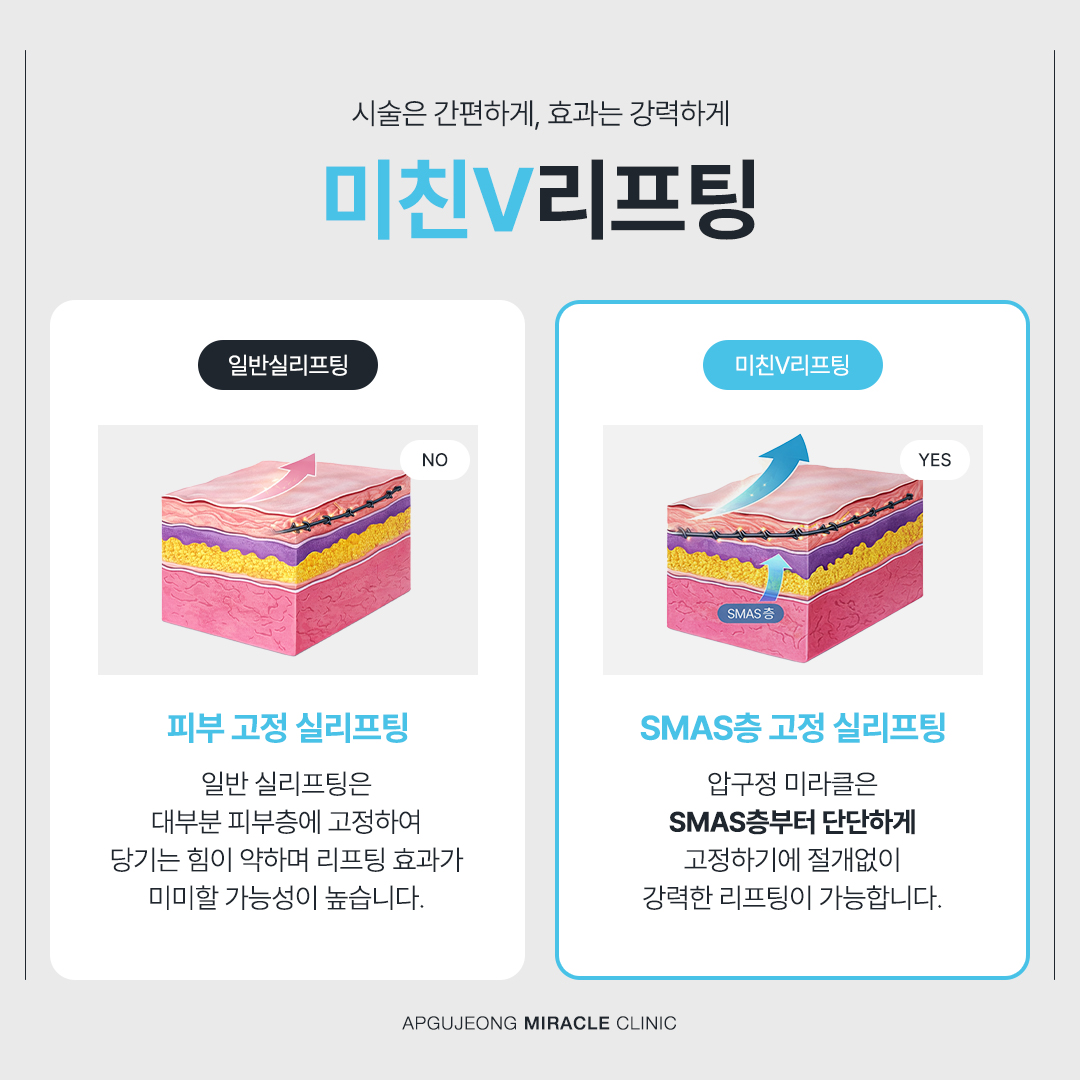
Thread lifting is a minimally invasive procedure that uses special dissolvable threads inserted under the skin to lift sagging tissue and support facial contours. The threads have structures such as tiny barbs or cones that anchor into the tissue, helping to reposition areas like the cheeks, jawline, nasolabial folds, and marionette lines.
Over time, the threads stimulate collagen production around them. Even after the material gradually dissolves, the new collagen can help maintain some support. Depending on the type of thread, the degree of sagging, and lifestyle factors, the visible effect and feeling of support can vary in duration from patient to patient.
Different types of threads
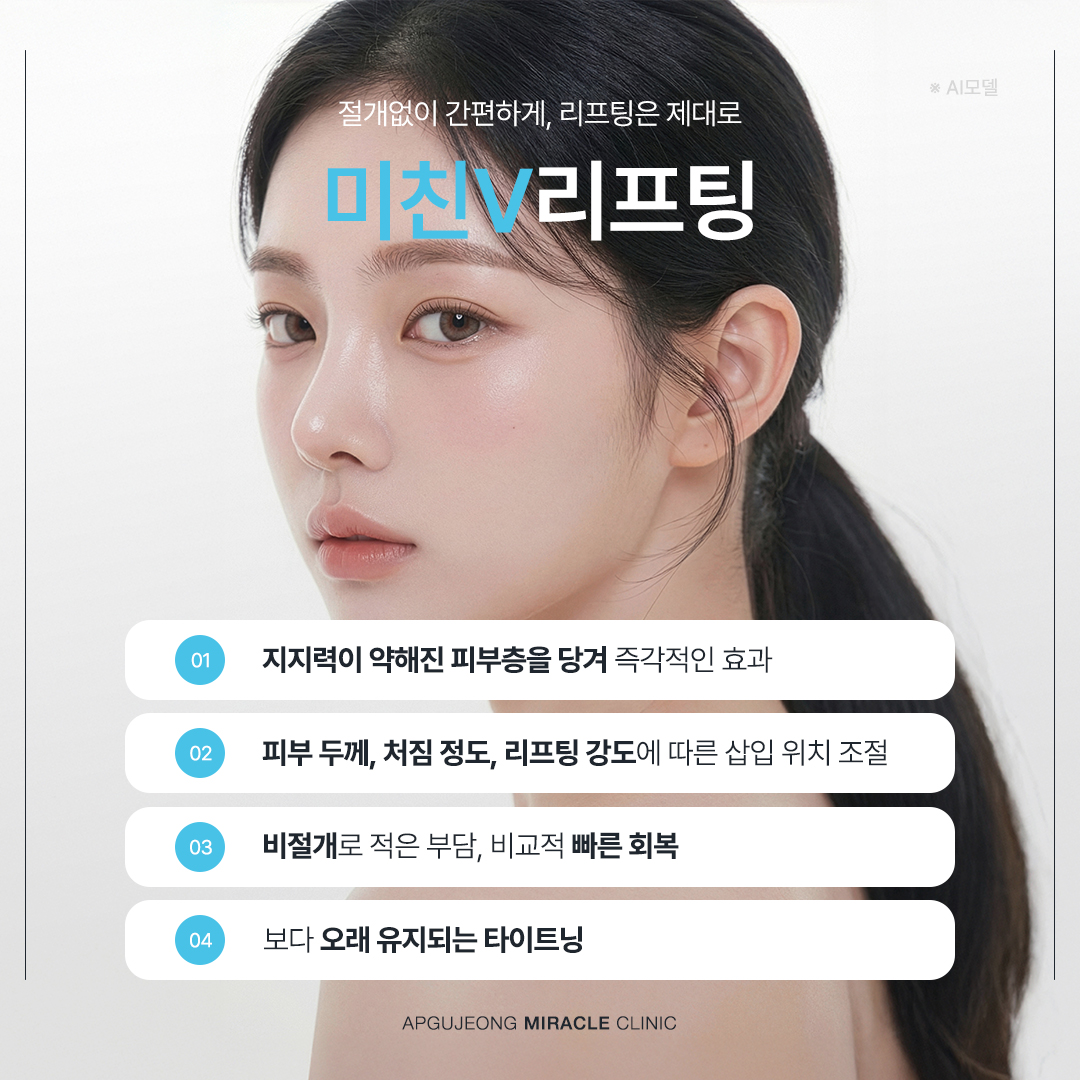
There are many thread designs and brands with different lift characteristics, longevity, and downtime. Common categories include barbed threads for mechanical lift, cone-type threads for anchoring, and smoother threads aimed at stimulating collagen. Clinics may carry a range of systems; confirm which specific thread types are available and why a particular option is recommended for your case.
Because each face is different, the clinic does not rely on only one thread system. Instead, the representative doctor considers skin thickness, elasticity, fat volume, and the degree of sagging to choose a combination of thread types and directions.
Combination with device-based lifting
Thread lifting can be combined with device-based lifting such as Ulthera-type, Shurink, and Doublo treatments. These high-intensity focused ultrasound (HIFU)-type devices deliver energy to deeper layers of the skin and superficial muscle fascia, helping to tighten and stimulate collagen without inserting threads.
For some patients, threads provide structural lifting while HIFU-type devices add overall tightening and skin quality improvement. During consultation, the clinic can suggest whether threads alone, devices alone, or a combination is more suitable for your age, skin condition, and expectations.
Who may consider thread lifting in Seoul
First-time lifting patients
First-time patients often choose thread lifting when they notice early sagging but do not feel ready for surgical lifting. Typical concerns include:
- Mild to moderate sagging of the cheeks
- Softening of the jawline and early jowls
- Deepening nasolabial folds
- Downturned mouth corners and marionette lines
For these patients, the clinic focuses on creating a natural lift that respects the original facial shape. Because many thread types and devices are available in one place, the plan can be adjusted to match how much downtime you can accept and how subtle or visible you want the change to be.
Patients seeking revision or correction
Many people searching for a famous thread lifting clinic have already had some kind of lifting or contouring elsewhere. Common reasons for seeking revision include:
- Asymmetry between the two sides of the face
- Visible or palpable threads under thin skin
- Dimpling or irregularities that do not soften over time
- Feeling that the lifting direction is unnatural
- Discomfort or tightness that does not settle
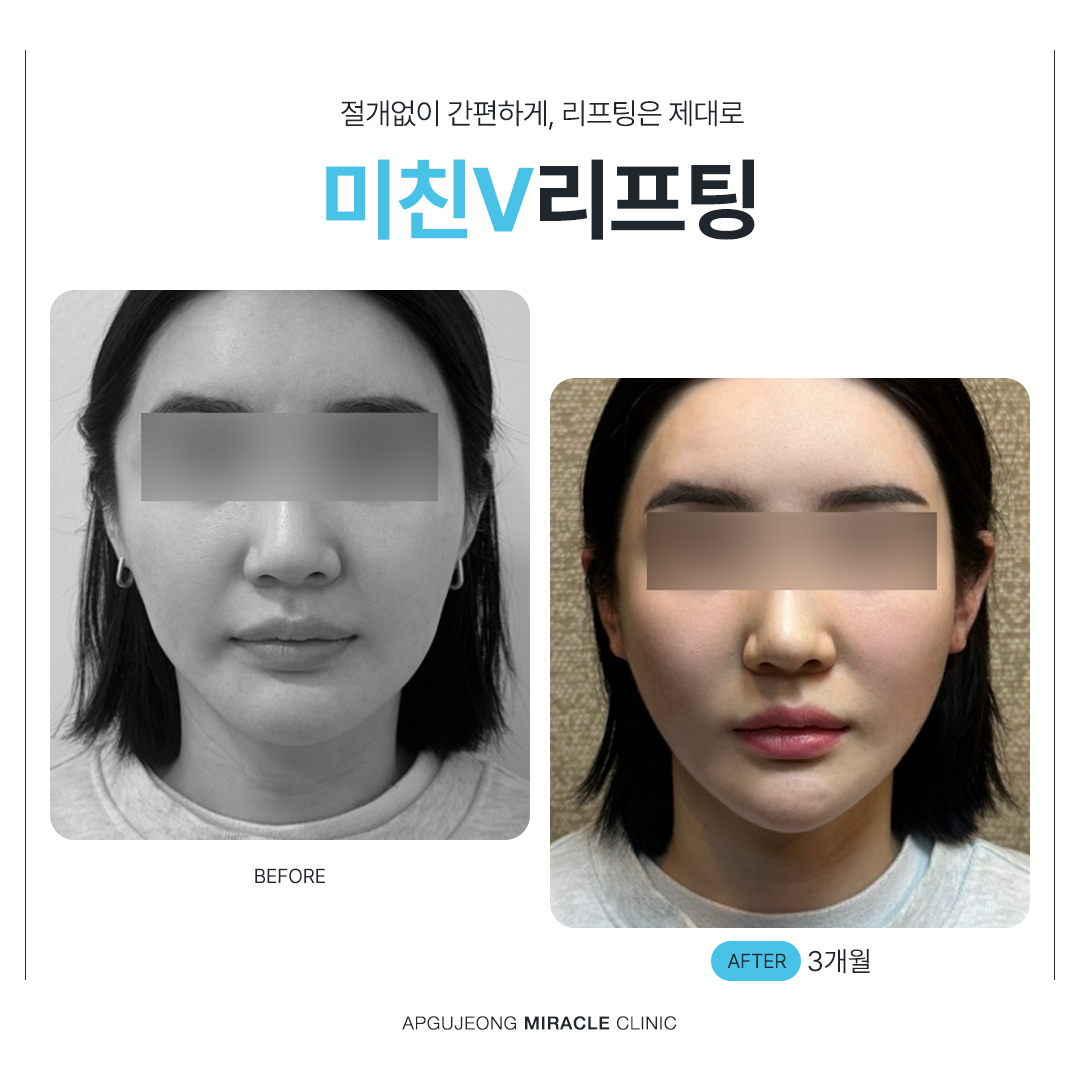
Revision can be more complex than first-time lifting because there may be scar tissue, remaining threads, or volume changes from previous fillers or fat grafting. The representative doctor evaluates whether threads should be removed, repositioned, or complemented with new threads or devices.
Patients with a history of contouring or liposuction
Some overseas patients have had facial liposuction, contour injections, or body contouring before visiting Korea. In these cases, thread lifting needs to be planned carefully around existing volume changes.
If the lower face is heavy due to remaining fat, the clinic may recommend combining thread lifting with facial liposuction or fat-dissolving injections. If volume has been reduced too much, the plan may include contour injections or other volumizing options to avoid a hollow or tired look.
Why experience with revision and thread removal matters
Common problems after poorly planned thread lifting
When thread lifting is done without careful planning, some patients experience issues such as:
- Uneven lifting or one side higher than the other
- Visible lines or bumps where threads are placed too superficially
- Dimpling that stays even after facial movement relaxes
- Unnatural facial expression or pulled look
- Persistent discomfort along the thread path
These problems can be distressing, especially for overseas patients who may not be able to return easily to the original clinic.
Role of a dedicated thread removal and re-treatment service
Revision often requires more than simply adding new threads. In some cases, problematic threads need to be removed or released. In others, they can be left in place while new threads are added in different vectors, or combined with HIFU-type tightening.
This clinic operates a dedicated thread removal and re-treatment service, focusing on patients who are not satisfied after procedures at other clinics. The representative doctor assesses the skin by palpation, sometimes using imaging or detailed examination, to decide whether removal is safe and beneficial.
Because the clinic frequently sees revision cases, the team tends to be cautious in initial planning and realistic when explaining what can and cannot be improved. For example, if skin has become very thin or scarred from previous procedures, the clinic may suggest a staged approach rather than a single aggressive session.
Media and international mentions
Some practitioners highlight media appearances or overseas introductions as part of their profile. If such claims matter to you, verify them independently—ask for sources, dates, and context—rather than relying solely on promotional statements.
These are factual examples of overseas media and professional introductions. They reflect that the doctor’s methods have been discussed internationally, but they do not guarantee any particular result for an individual patient.
Choosing the right type of thread lifting for your face
Tailoring thread type to skin and sagging
Different thread systems have different characteristics. Some have stronger lifting power but may involve more swelling or tightness in the first days. Others are gentler with shorter downtime but provide more subtle changes.
At this clinic, the choice of thread considers:
- Skin thickness and elasticity
- Degree and pattern of sagging
- Facial fat distribution and bone structure
- Tolerance for downtime and bruising
- Previous lifting, fillers, or surgeries
During consultation, the doctor explains why certain thread types or combinations are recommended for your case, rather than offering a single standard package.
Combining threads with Ulthera-type, Shurink, and Doublo
For some patients, the clinic suggests a layered approach. Threads provide mechanical lifting, while HIFU-type devices such as Ulthera-type, Shurink, and Doublo deliver energy to deeper layers for tightening.
For example, a patient in their early forties with mild jowls might benefit from a moderate number of threads along the jawline plus Shurink-type treatment for overall skin tightening. A patient with thicker skin and heavier sagging might combine stronger barbed threads with Doublo-type treatment targeting specific deeper layers.
The clinic explains the sequence and timing of these procedures, as some are done on the same day, while others may be staged to monitor the effect and recovery.
One-stop facial contouring and anti-aging
Beyond lifting: managing volume and fat
A sharp V-line or defined jawline often requires more than lifting alone. If the lower face is heavy due to excess fat, lifting may not fully address the concern. In such cases, the clinic can combine thread lifting with:
Facial liposuction to reduce localized fat under the chin or along the jawline
Contour injections to refine angles and improve balance between the chin, jaw, and cheeks
Fat-dissolving injections for small, targeted areas where surgery is not desired
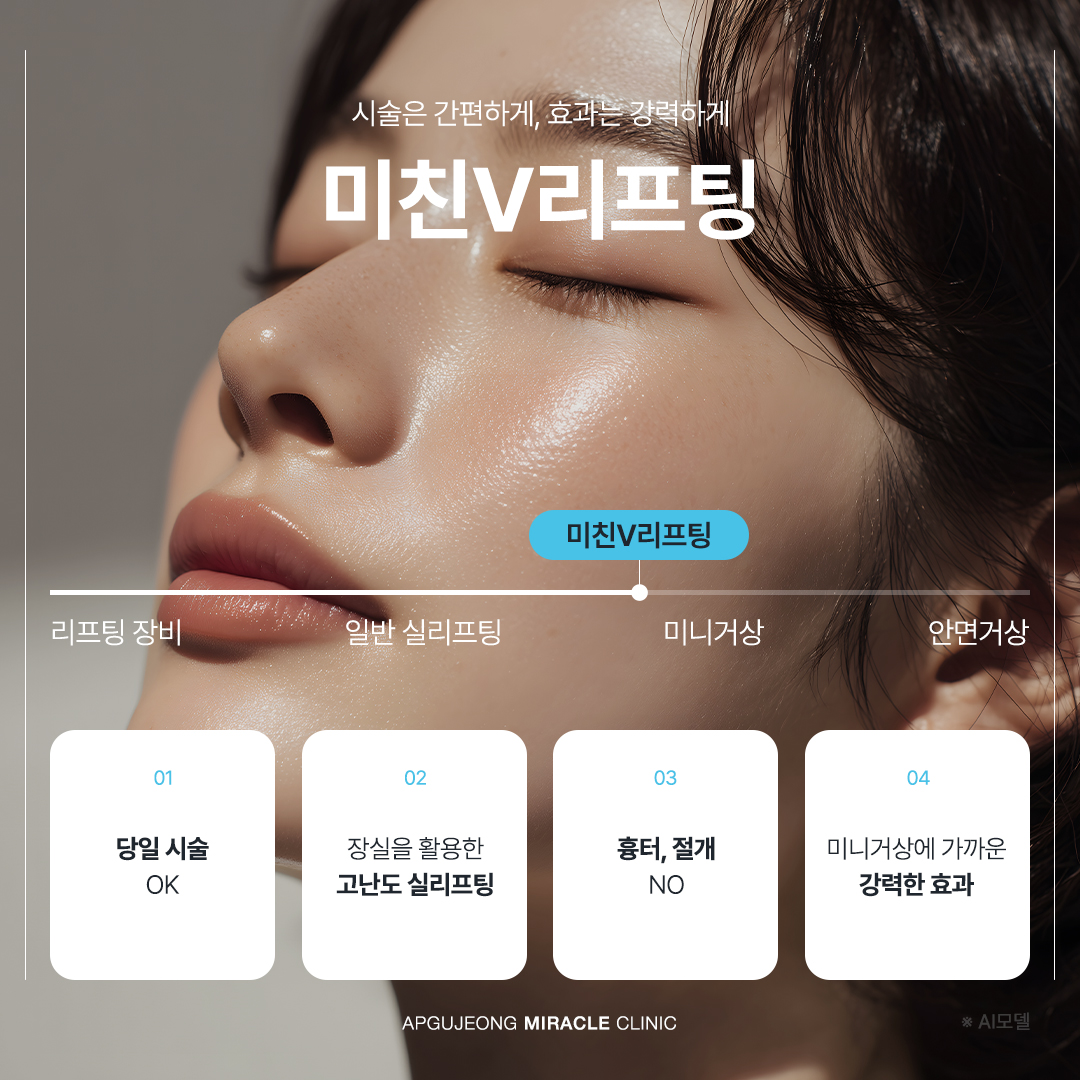
By adjusting both the position of tissue (lifting) and the amount of volume (fat reduction or contouring), the clinic aims for more harmonious facial lines.
Additional anti-aging options
Adjunctive treatments and safety considerations
Some clinics offer additional skin treatments alongside lifting, such as energy-based devices or topical procedures. Terms like "stem cell-based therapies" cover a wide range of products and approaches; if a clinic proposes regenerative treatments, ask for clear information about the product, approved indications, supporting evidence, and any regulatory approvals. Always discuss potential risks, expected recovery, and alternatives before proceeding.
For example, after the main lifting result has stabilized, a patient might receive laser treatments for pigmentation or fine lines, or stem cell-based care to support skin regeneration. The clinic clarifies that these are optional and that the primary goal remains safe, appropriate thread lifting tailored to each individual.
Preparing for your visit from overseas
Online consultation and pre-visit preparation
Before booking flights, many international patients use online consultation to check whether they are suitable candidates for thread lifting or revision. This clinic offers online consultation in which you can send:
- Front and side facial photos in neutral expression and gentle smile
- Information about previous procedures, including dates and types (threads, HIFU, fillers, liposuction, etc.)
- Any medical conditions, medications, or allergies
- Your main concerns and what you hope to change
Based on this information, the clinic can provide a preliminary opinion on whether thread lifting, device-based lifting, or a combination seems appropriate, and whether revision or thread removal is likely to be needed. Final decisions are always made after an in-person examination.
What to prepare before consultation
To make the most of your visit, it helps to prepare:
- A list of previous treatments with approximate dates
- Photos of your face from a few years ago, if available
- Questions about downtime, possible side effects, and aftercare
- Information about your travel schedule and how many days you can stay in Korea
Having this information ready allows the doctor to plan realistically and suggest a timeline that fits your stay.
Expected Korea visit timeline
Typical schedule for first-time thread lifting
While exact plans vary, a common schedule for overseas patients might look like this:
Day 1: Arrival in Seoul, rest, and adjustment
Day 2: In-person consultation, facial analysis, and treatment planning. If both you and the doctor agree, thread lifting and any planned device-based lifting may be performed on the same day.
Day 3–4: Follow-up check if needed, management of swelling and bruising, and review of aftercare instructions.
Day 5–7: Many patients feel comfortable returning home, depending on the extent of treatment and personal preference.
For some, a longer stay is preferred to allow more follow-up visits, especially if combining multiple procedures.
Timeline for revision and thread removal
Revision cases can be more variable. Sometimes, thread removal and new lifting can be done in a single visit. In other situations, the clinic may recommend:
First visit: Thread removal and healing period
Later visit: New lifting or combination treatments after tissues have settled
This may require more than one trip to Korea. During online consultation, the clinic can give you a realistic idea of whether a single-trip solution is likely or whether a staged approach is safer.
Location and clinic information
The clinic is located on the 5th floor of Hanjoo Building in Sinsa-dong, Gangnam-gu, Seoul. It is close to exit 5 of Apgujeong Rodeo Station on the Suin–Bundang Line, making it convenient for visitors staying in popular Gangnam or central Seoul areas.
Opening hours are Monday to Friday from 10:00 to 19:00, and Saturday from 10:00 to 17:00, with a lunch break from 13:00 to 14:00. The clinic is closed on Sundays and public holidays. Because thread lifting and revision planning require time, it is recommended to book your consultation in advance and allow enough time in your schedule for detailed analysis and discussion.
Aftercare and recovery
Immediate post-treatment period
After thread lifting, it is common to experience some swelling, mild bruising, and a feeling of tightness, especially when opening the mouth widely or making strong expressions. These usually improve over several days to a couple of weeks, depending on the number and type of threads.
The clinic provides detailed aftercare instructions, which may include:
- Sleeping with the head slightly elevated for a few days
- Avoiding strong facial massage or beauty treatments on the treated area for a period
- Being gentle when washing the face and applying skincare
- Avoiding heavy exercise, sauna, and hot baths for a recommended time
The clinic may also schedule a follow-up visit to check healing and answer any questions.
Medium-term and long-term care
As swelling settles, the lifting effect becomes more natural. Some patients notice small irregularities or mild asymmetry in the early phase that improve as tissues relax and adapt to the new support.
The clinic encourages patients to stay in contact, especially international visitors, by sharing photos during the healing process. This allows the doctor to monitor progress and advise whether what you see is part of normal recovery or if an in-person review is needed.
Because aging continues, some patients choose to repeat device-based lifting or add complementary treatments after a certain period. The clinic can suggest a long-term plan that fits your age, lifestyle, and preferences.
What to check during consultation at a thread lifting clinic
Key questions to ask
When comparing famous thread lifting clinics, it helps to ask practical questions such as:
Which thread types and brands are available, and why are they recommended for my case?
How long is the effect expected to last in my situation, and what factors can influence it?
What side effects are possible, and how are complications handled if they occur?
If I am not satisfied with the result, what options are available for adjustment or revision?
A reliable clinic will answer these questions clearly, without promising guaranteed outcomes.
Sharing your history and expectations
During consultation, be open about any previous lifting, fillers, liposuction, or surgeries. Inform the doctor about any history of keloid or hypertrophic scars, bleeding tendencies, or chronic illnesses.
Showing older photos can help the doctor understand your natural facial structure and how it has changed over time. This is especially useful for planning a result that looks like a refreshed version of you, rather than a completely different face.
Realistic explanations and reference materials
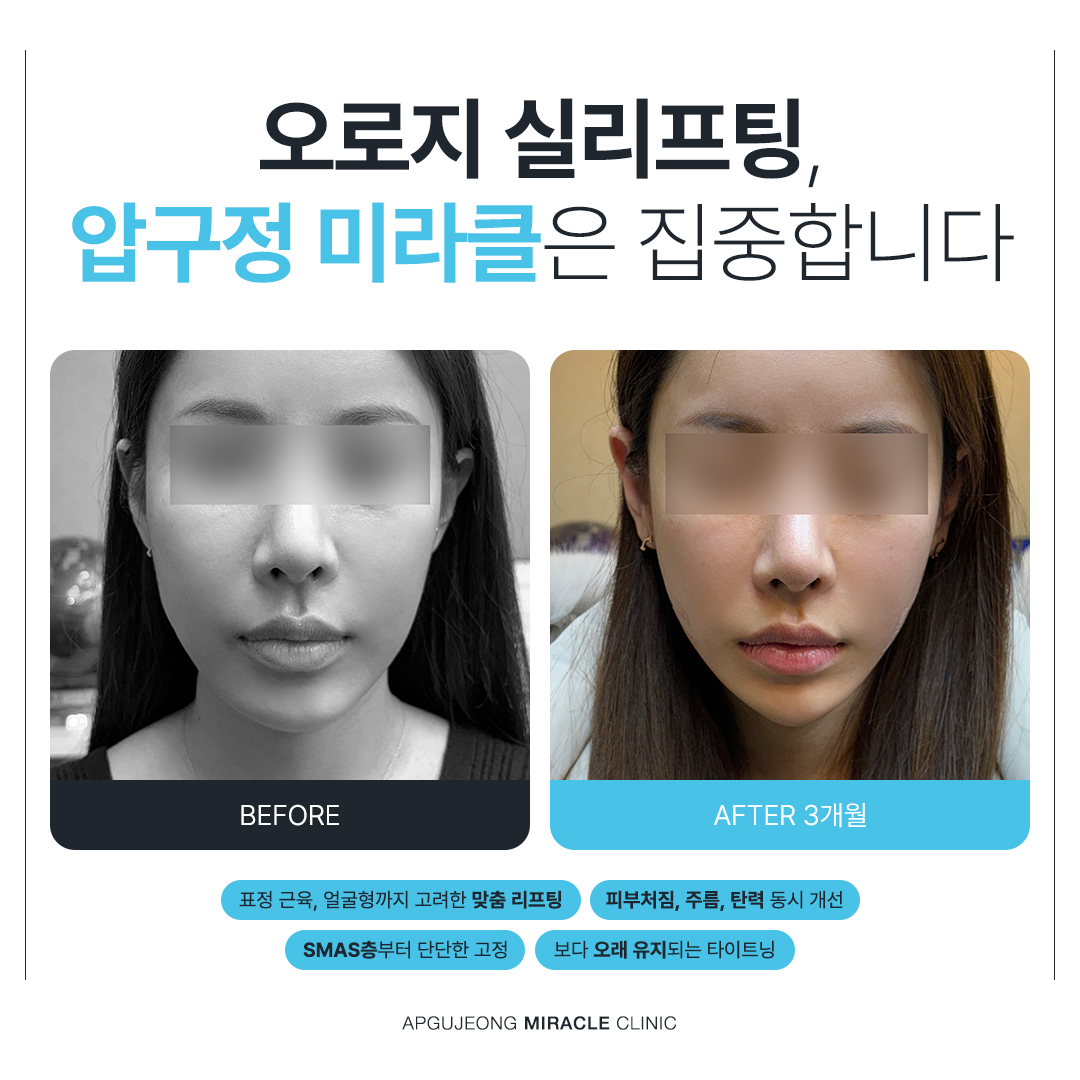
This clinic provides various real-selfie, photo, and video materials as reference, so you can see examples of how different lifting methods can look. These are individual cases and do not guarantee similar results for everyone.

During consultation, pay attention to whether the explanations are realistic and whether the doctor discusses both possibilities and limitations. A thoughtful plan usually includes step-by-step options rather than a single one-size-fits-all package.
Frequently asked questions
How do I know if I need thread lifting revision instead of a new lifting procedure?
You may consider revision if you have persistent asymmetry, visible or palpable threads, dimpling that does not improve over time, or if you feel the lifting direction is unnatural. Pain or tightness that does not settle can also be a sign that something is not ideal.
However, only an in-person evaluation can determine whether removal, repositioning, or additional threads are appropriate. The doctor may need to carefully palpate the area and review your previous treatment history before recommending a plan.
Can thread lifting be combined with Ulthera-type or Shurink-type treatments?
Yes, thread lifting is often combined with ultrasound or HIFU-type devices such as Ulthera-type, Shurink, and Doublo. Threads provide mechanical lifting and support, while these devices tighten deeper layers and stimulate collagen.
At this clinic, the combination is tailored to your skin condition and previous treatments. In some cases, devices are used before threads to improve tissue quality, while in others they are added later to maintain or enhance the result. The timing and sequence are discussed during consultation.
Is thread lifting suitable if I have already had facial liposuction or contour injections?
Many patients have mixed histories of liposuction, fillers, and contour injections. Thread lifting can still be an option, but planning must consider existing volume and any scar tissue.
The clinic evaluates whether more volume reduction, volume restoration, or simple lifting is most appropriate. For example, if the lower face is still heavy after liposuction, threads may be combined with additional contouring. If too much volume has been removed, the plan may include subtle volume restoration to avoid a gaunt appearance.

How long is the recovery after thread lifting at a specialized clinic?
Recovery time varies by thread type, number of threads, and individual healing. Many patients experience noticeable swelling and mild bruising for several days, with most people feeling more comfortable in social situations after about one to two weeks.
The clinic explains expected recovery and aftercare in detail during consultation, including when you can resume exercise, facial treatments, and long flights. International patients are advised to schedule enough days in Seoul to allow at least one follow-up visit before returning home.
Call to action for online consultation
If you are considering thread lifting or need revision after an unsatisfactory lifting elsewhere, an online consultation can help you understand your options before traveling. By sharing clear photos, your treatment history, and your main concerns, you can receive a preliminary assessment from the clinic in Sinsa-dong, Gangnam, near Apgujeong Rodeo Station.
From first-time lifting to complex re-treatment, the clinic’s focus on thread lifting, multiple thread systems, and combination lifting plans allows for individualized strategies. If you are planning a visit to Korea, contacting the clinic in advance will help you design a realistic schedule and treatment plan that fits your travel and recovery needs.



- 공유 링크 만들기
- X
- 이메일
- 기타 앱


댓글
댓글 쓰기