Thread lift duration and how long results usually last
- 공유 링크 만들기
- X
- 이메일
- 기타 앱

Thread lift duration at a glance
Some patients report effects that last several months to more than a year, while others see shorter or longer benefit depending on many factors. Lighter monofilament threads often give shorter-lived lift in some cases, and thicker or barbed/cone-style threads may maintain a more noticeable effect for longer in others. The threads themselves dissolve at different rates, but the collagen response they trigger can continue to support the skin after absorption. Results gradually soften over time, and individual outcomes depend on patient factors and the treating clinician’s technique—discuss your expectations with your provider.
This guide is written for overseas patients considering a thread lift in Korea, especially around Sinsa-dong in Gangnam, near Apgujeong Rodeo Station. It explains what a thread lift is, what really affects duration, what kind of visit schedule to expect, and how to maintain your results for as long as reasonably possible.
What a thread lift is and how it works
A thread lift is a minimally invasive procedure that uses dissolvable threads placed under the skin to gently lift sagging tissue and define the facial contour. The threads act in two ways. First, they provide an immediate mechanical lift by catching and repositioning the skin and underlying tissue. Second, they stimulate collagen production around the threads, which can improve firmness and texture over time.
Several types of thread materials are commonly used. PDO (polydioxanone) threads are widely used for lifting and tightening, and they dissolve relatively quickly. PLLA (poly L lactic acid) and PCL (polycaprolactone) threads tend to last longer in the tissue and can provide a longer period of support in suitable patients.
There are also different designs. Barbed or cog threads have tiny hooks that catch the tissue to lift areas like the jawline and cheeks. Cone threads use small cones instead of barbs to hold the tissue. Smooth or mesh-type threads are often used more for collagen stimulation and fine tightening than for strong lifting.
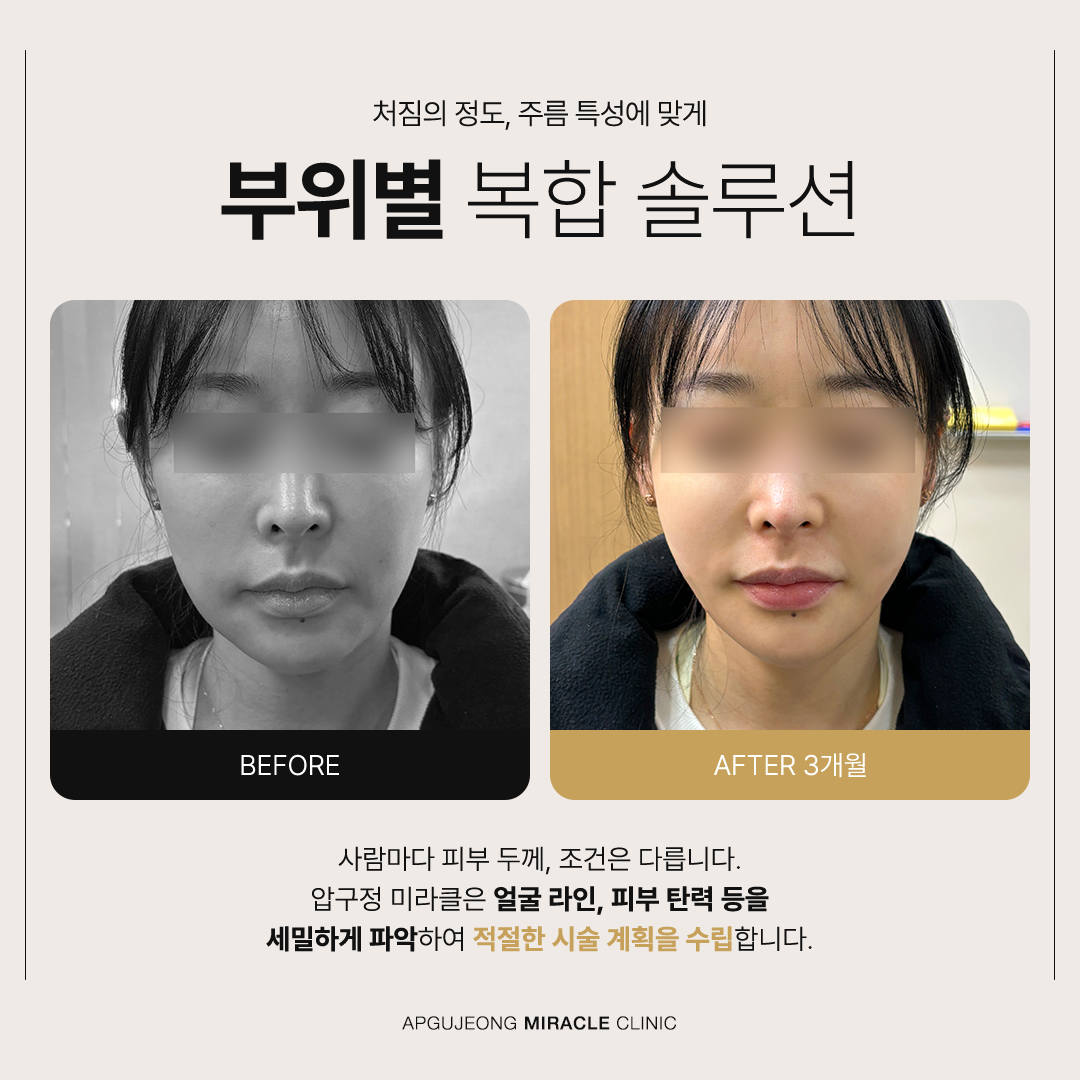
There are multiple commercial thread systems on the market that use the same basic principle of dissolvable threads to lift and stimulate collagen. These systems differ in material, design, thickness, and anchoring methods, and the best choice depends on the clinical goal and the practitioner’s experience. Ask your licensed clinician to explain options and why a particular system is recommended for you.
How long a thread lift usually lasts
For most patients, a realistic expectation for thread lift duration is as follows.
Overall range — Patient experiences vary: some see benefits for several months, while others maintain noticeable improvement for a year or longer. Key drivers of variation include thread type and strength, skin quality, technique, and individual healing—confirm a realistic timeline with your clinician.
Some patients feel the main benefit for about a year, while others, especially with stronger threads and good skin quality, may feel satisfied for closer to a year and a half.
By thread type
These materials stay in the tissue longer before dissolving, so the mechanical support and collagen stimulation can last longer.
Thread dissolution versus visible effect
It is important to understand that the physical thread and the visible result do not follow the same timeline. The thread itself may dissolve in 6 to 12 months, depending on the material. However, the collagen that formed around it can continue to support the tissue beyond that period. Over time, as natural aging continues and collagen slowly breaks down, the lift effect gradually softens.
Gradual change, not a sudden drop
A thread lift does not suddenly stop working at month 12 or 18. Instead, patients usually notice that their face looks best between about 6 and 12 months, and then the lift slowly becomes less obvious. How quickly this happens depends on age, skin quality, lifestyle, and whether other treatments are combined.
What affects how long your thread lift lasts
Age and skin condition
Younger patients or those with good skin elasticity and only moderate sagging tend to maintain their lift longer. Their tissue can hold the threads more firmly, and collagen production is usually more active.
If the skin is very thin, severely sun damaged, or already has heavy sagging, the lift may not last as long. The tissue may not grip the threads as strongly, and gravity can pull the skin down more quickly.
Degree and pattern of sagging
Thread lifting works best for mild to moderate jowls, early sagging along the jawline, and deepening nasolabial folds. In these cases, threads can reposition the tissue effectively and the result can be relatively stable.
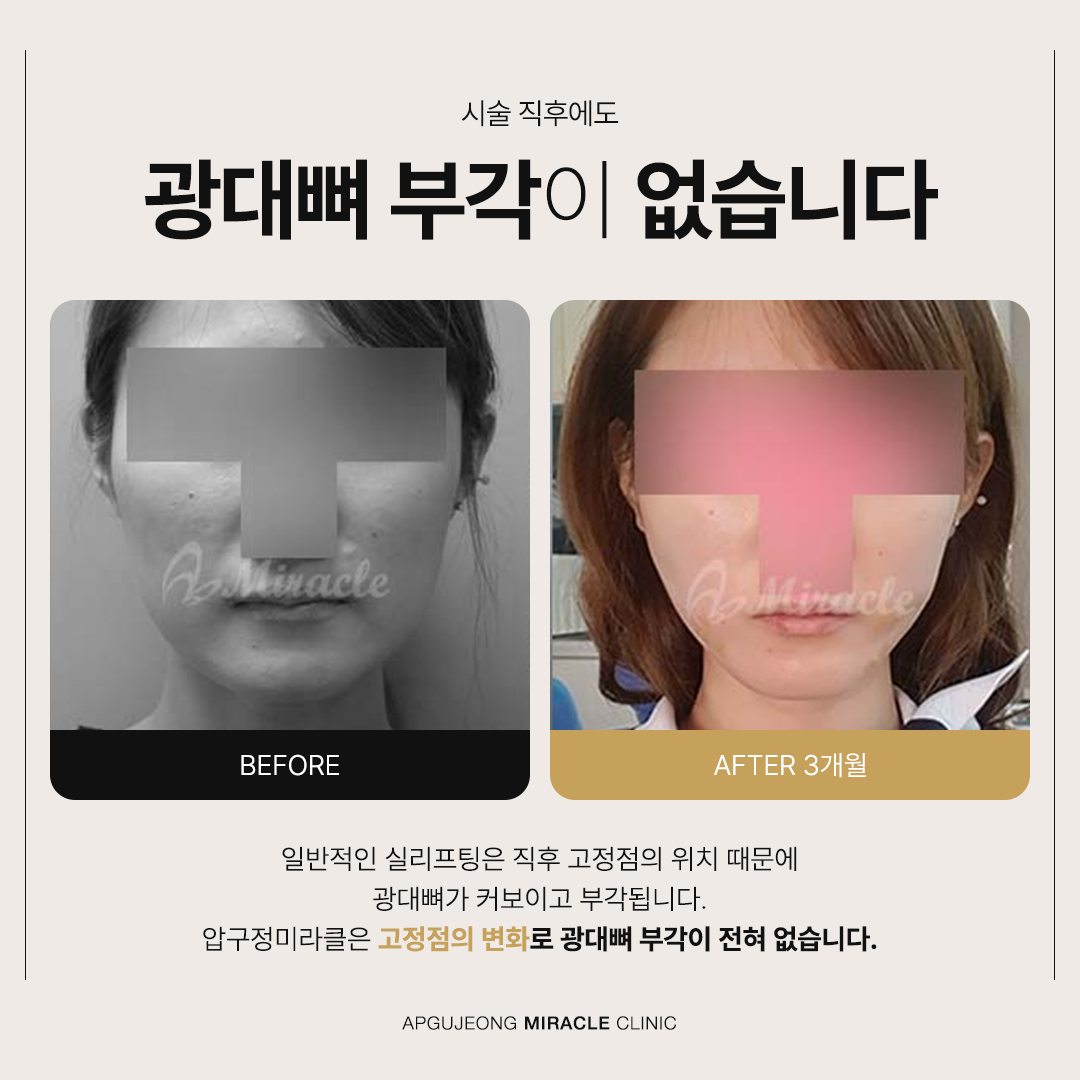
If the lower face is very heavy, with thick tissue or significant fat, threads alone may not be enough for a long-lasting result. In such cases, combining thread lift with other options such as contouring procedures, fat reduction, or energy-based lifting devices can help support the result.
Thread type, design, and plan
The material, thickness, and design of the thread all influence duration. Stronger, thicker threads and longer-lasting materials like PLLA or PCL generally provide a longer period of mechanical support.
The shape also matters. Barbed or cog threads and cone threads are designed to hook and hold the tissue, giving a more noticeable lifting effect. Smooth or mesh threads are more focused on fine tightening and collagen stimulation rather than strong lifting.
The number of threads and the vector design, meaning how the lifting lines are planned across the face, are also important. A carefully designed plan that follows the natural tension lines of the face can help the lift last longer and look more natural.
Technique and practitioner experience
Correct depth, direction, and anchoring points are essential for a stable result. If threads are placed too superficially, they may become visible or palpable. If they are placed at the wrong depth or angle, the lift may be weak or uneven and can drop earlier.
An experienced practitioner will also consider how previous treatments, existing asymmetries, and facial expressions will affect the lift over time. This planning can make a significant difference in how long the result feels satisfying.
Lifestyle and daily habits
Lifestyle plays a real role in thread lift duration. Large weight changes, such as repeated weight loss and gain, can cause the facial tissue to loosen again. Strong chewing habits, frequent gum chewing, or clenching can place extra movement stress on the lower face.
Sleeping consistently on one side can also influence how the lift holds, as constant pressure can gradually push the tissue. Smoking and heavy alcohol intake accelerate skin aging and reduce collagen quality, which can shorten the effective duration.
High UV exposure without sun protection and poor skincare also weaken the skin over time, making it harder to maintain a lifted contour.
Typical timeline after a thread lift
Immediately to 1 week
Right after the procedure, it is common to notice swelling, mild bruising, and a tight or pulling sensation along the thread paths. The face may look more lifted than the final result because swelling adds volume and tension.
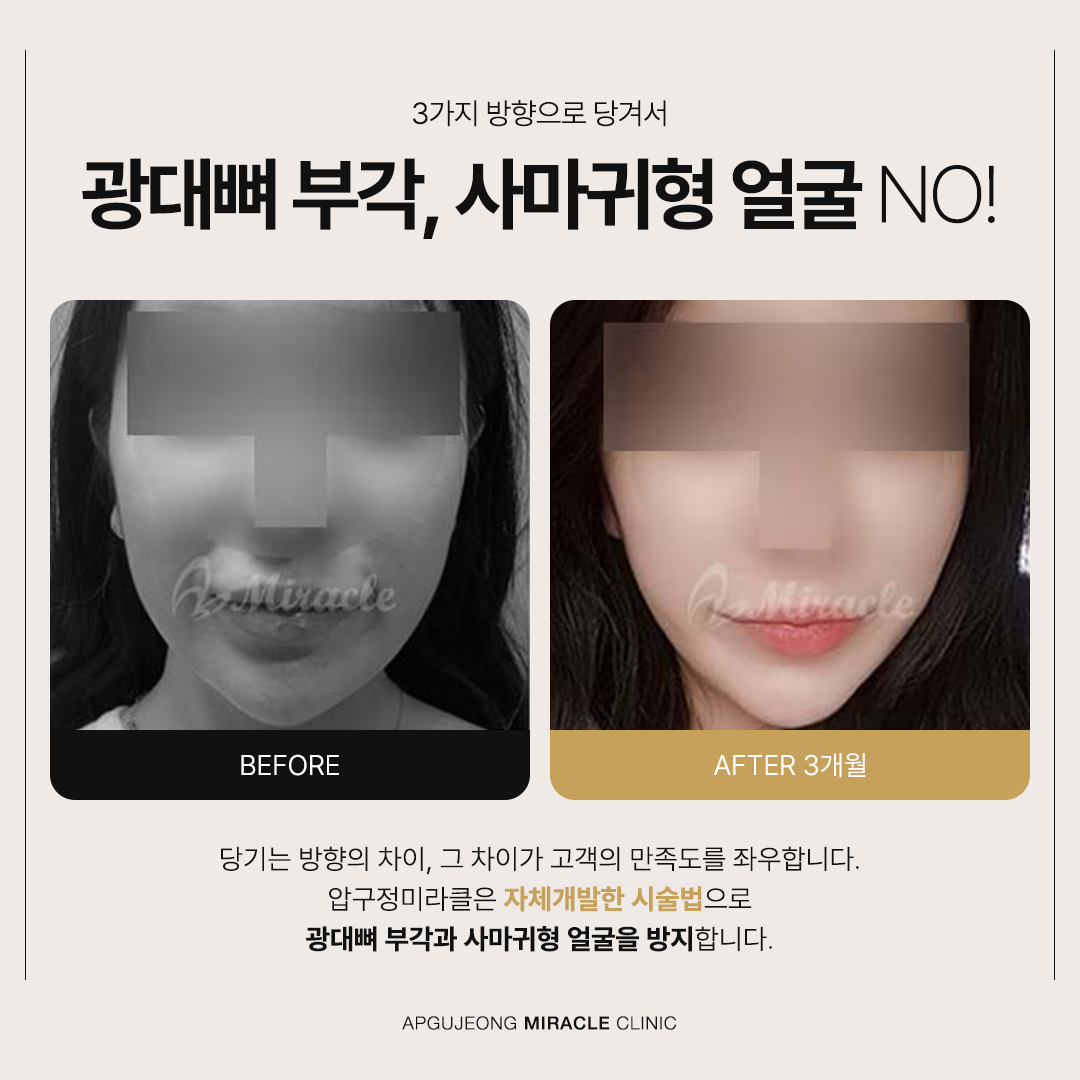
During the first week, the threads start to settle into the tissue. Some mild dimpling or irregularity can appear where the threads catch the skin, but this often improves as swelling goes down.
2 to 4 weeks
Swelling usually subsides significantly during this period. The lifting contour becomes more natural as the tissues adapt around the threads. The pulling sensation often decreases, though some tightness with certain facial movements can still be felt.
1 to 3 months
Around this time, collagen production around the threads is becoming more active. Many patients notice gradual improvements in skin firmness and texture, especially in areas where multiple threads were placed.
The lift tends to look more harmonious with the rest of the face. Any minor irregularities from the early healing phase usually smooth out.
6 to 12 months
This period is often the peak time when the combined effect of the mechanical lift and collagen support feels strongest. The face can look more defined along the jawline and cheek area, and the nasolabial folds may appear softer.
Most patients report the highest satisfaction around this stage, provided that the initial indication and technique were appropriate.
After 12 to 18 months
By this time, most threads are largely absorbed. Collagen support remains but gradually declines as natural aging continues. Some degree of sagging may slowly return, depending on individual aging speed, lifestyle, and whether other treatments were done.
Many people start to consider maintenance options during this period, such as device-based lifting or a repeat thread lift, after discussing with their clinic.
Who may consider a thread lift in Korea
A facial thread lift may be suitable if you are noticing early to moderate sagging of the cheeks, jawline, or nasolabial folds, but you are not ready for a surgical facelift. It is often chosen by people in their 30s to 50s who want a noticeable but not overly dramatic change, with shorter downtime.
It can be an option for overseas patients who plan a short stay in Seoul and want a lifting procedure that allows them to return to daily activities relatively quickly. However, it is still a medical procedure, and a proper consultation is essential to confirm whether your skin type, facial structure, and expectations match what thread lifting can realistically provide.
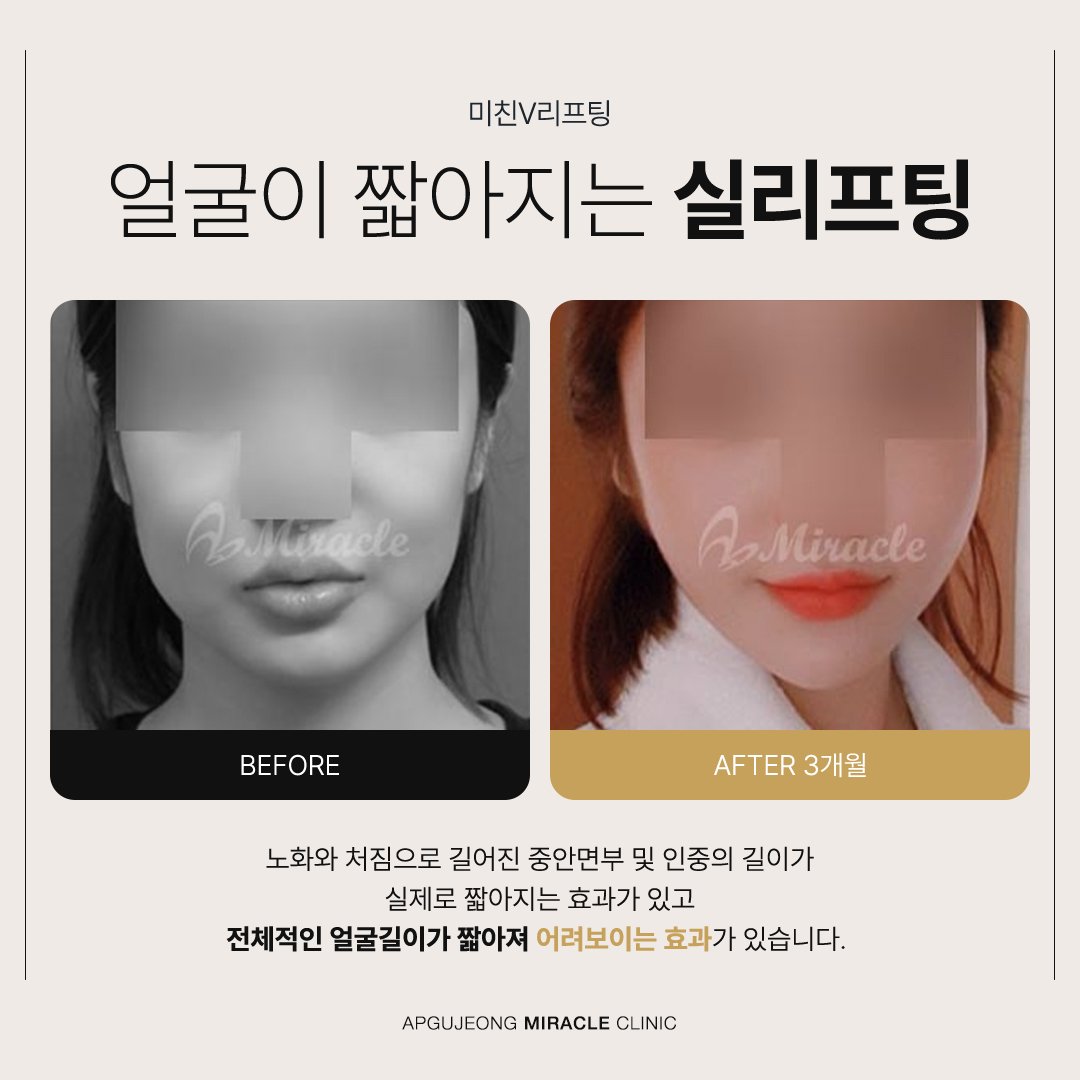
In Sinsa-dong, Gangnam, near Apgujeong Rodeo Station, there are clinics focused on aesthetic lifting that offer multiple thread types along with device-based lifting and facial contouring options. Clinics may reference media appearances or international collaborations, but these should not substitute for checking verifiable credentials. When choosing a clinic, confirm the treating clinician’s medical license, board certification (if applicable), documented procedural experience, and before-and-after results; international patients should also confirm language support and request a consultation to review credentials and expected outcomes.
How to prepare from overseas
Online consultation and sending photos
Before you travel, an online consultation is very helpful. Clinics usually ask for clear photos of your face from the front, 45 degree angles, and sides, with a neutral expression and good lighting. Some may also request short videos to see how your face moves when you smile or talk.
When you contact the clinic, it is useful to share your main concerns, such as jowls, sagging cheeks, or deep smile lines, and to mention any previous procedures, including earlier thread lifts, device-based lifting, or fillers.
Questions to prepare
To understand duration and planning, you can prepare questions such as:
Which thread material and design do you recommend for my face, and why
What is the realistic duration range for my age and skin condition
Do you recommend combining threads with HIFU-type devices or other treatments to support the result
How many days should I stay in Korea after the procedure for follow up
What short term restrictions will I have for eating, sleeping, and exercise
Sharing medical history
Make sure to inform the clinic about any medical conditions, allergies, regular medications, and any tendency to bruise or scar. Also mention if you have had previous thread lifts, especially if you were not satisfied, as the remaining threads and tissue condition can affect the new plan.
Expected Korea visit timeline
Day 1: In person consultation and planning
On your first visit, the practitioner will examine your face, skin thickness, and degree of sagging.
This is the time to confirm which areas will be lifted, how many threads are likely to be used, and whether any combination treatments such as HIFU-type lifting or facial liposuction are recommended for a more stable contour.
Day 1 or 2: Procedure day
Many overseas patients have the procedure on the same day as the consultation or the next day. The area is usually numbed with local anesthesia. The threads are inserted through small entry points and guided under the skin along planned vectors.
The procedure time varies depending on the number of areas treated, but facial thread lifting is typically completed within a relatively short session. You can usually go back to your accommodation the same day.
1 to 3 days after
You may have swelling, mild bruising, and a tight or pulling feeling. Some patients prefer to rest or do light sightseeing during this time. It is wise to avoid heavy luggage carrying or intense physical activity.
3 to 7 days after
Swelling usually improves, and many people feel comfortable going out and taking photos. If you plan to return home, many clinics recommend at least a few days in Seoul after the procedure so that any early issues can be checked.
If possible, staying around one week after the procedure allows time for a short follow up visit before you fly back.
How to maintain thread lift results longer
Early aftercare: first 2 to 4 weeks
During the first weeks, following aftercare instructions can help the threads settle well and support longer duration.
Avoid strong facial massages, beauty treatments that press or pull the skin, and dental treatments that require very wide mouth opening, unless your doctor confirms it is safe.
Try not to sleep face down. Sleeping on your back or alternating sides gently can reduce pressure on the lifted areas. Some people use a travel pillow or extra cushions to help keep the head stable.
Limit very hard chewing, such as tough meat or chewing gum, for a short period if your clinic advises this. This can reduce stress on the lower face where threads are often placed.
Follow the clinic’s guidance on cold compresses, cleansing, and skincare. Usually, gentle cleansing and avoiding harsh products on the treated area are recommended at first.
Long term habits
Daily sunscreen and avoiding excessive UV exposure are simple but important ways to protect your collagen and maintain firmness.
Try to keep your weight relatively stable. Repeated cycles of weight loss and gain can stretch the skin and reduce the lifespan of your lift.
Avoid smoking and keep alcohol intake moderate, as both can weaken the skin and blood vessels, affecting healing and long term quality.
Basic anti aging skincare, such as moisturizers, antioxidants, and gentle retinoids if appropriate for your skin, can support overall skin health. Discuss any strong active products with your clinic, especially in the early healing period.
Medical maintenance — Some practitioners combine thread lifts with device-based tightening (for example, ultrasound-based procedures) to support results. Evidence and recommendations on timing and safety for combining modalities are limited and evolving. Before combining treatments, discuss the potential benefits, risks, and scheduling with your treating clinician so they can plan an individualized approach that reflects current best practice.
Energy based lifting devices, such as ultrasound or HIFU type treatments, can sometimes be used at appropriate intervals to support tissue tightening after threads. The timing and settings should be planned carefully so as not to damage the threads while they are still active.
Small volume fillers or botulinum toxin can be used in separate areas to refine the overall result, for example in the lips, chin, or forehead. These do not replace the mechanical lift of threads but can complement it.
When and how often to repeat a thread lift
Most people consider repeating a thread lift when they feel that the lifting effect has clearly softened and sagging has returned to a level that bothers them. This often happens somewhere between 12 and 24 months, depending on age, skin condition, and lifestyle.
If you had PDO threads only, you might consider re treatment closer to 12 to 18 months. If you had stronger PLLA or PCL threads, you might feel comfortable waiting longer. If you combined your thread lift with device based lifting or contouring, the overall effect may last longer.
It is not advisable to repeat thread lifting too frequently without a clear reason. The tissue needs time to adapt and recover, and the positions of previous threads must be considered. A careful examination is important before placing new threads.
For patients who already had a thread lift elsewhere and are dissatisfied, a revision focused clinic will first assess any remaining threads, scar tissue, and asymmetry. In some cases, removing or adjusting old threads may be recommended before new lifting is done. This can help reduce the risk of irregularities and improve the chance of a smoother, longer lasting result.
Choosing a clinic for better, longer lasting results
When selecting a clinic in Seoul, especially in areas like Sinsa dong and Apgujeong Rodeo, it can be helpful to look for a place that offers multiple lifting options rather than only one fixed method. A clinic that uses different thread types, HIFU type devices, and possibly facial liposuction can tailor a plan to your individual face.
Experience with both first time thread lifts and revision cases is valuable. Practitioners who frequently handle corrections from other clinics are more used to dealing with remaining threads, scar tissue, and complex lifting vectors.
Ask whether the clinic uses photo or video documentation to track changes over time. This can help you understand what to expect in terms of duration and how your face might change at 3, 6, and 12 months.
During consultation, a thorough discussion should cover your current degree of sagging, skin thickness, and facial volume, as well as a realistic duration range rather than a guaranteed number. If your lower face is heavy, the clinic should explain whether additional treatments such as contouring injections, facial liposuction, or device lifting might be needed to support the threads.
Some clinics in Sinsa dong, Gangnam, near Apgujeong Rodeo Station focus on aesthetic lifting and contouring, and offer multiple thread lift types including Mint, Silhouette Soft, Ultra V, and body lifting threads, along with HIFU type devices and facial liposuction.
Safety, side effects, and realistic expectations
Common short term side effects include swelling, bruising, mild pain or discomfort, a tight pulling sensation, and temporary dimpling or irregularity along the thread paths. These usually improve as swelling goes down and the threads settle.
Possible complications include infection, thread exposure through the skin, persistent dimpling, asymmetry, or threads that are palpable or visible. These issues can affect not only appearance but also how long the result lasts, because complications may require early adjustment or removal.
It is important to view a thread lift as a semi permanent, maintenance based anti aging option rather than a one time permanent solution. It does not replace a full surgical facelift for those with very advanced sagging, but it can be a meaningful option for earlier stages or for patients who prefer a less invasive approach.
FAQ about thread lift duration
How long does a thread lift usually last in the mid 30s compared to the 40s and 50s
In the mid 30s, when skin elasticity is generally better and sagging is mild, a thread lift can often maintain a satisfying effect toward the upper end of the usual range, sometimes closer to 12 to 18 months, especially with stronger threads and healthy lifestyle habits. In the 40s and 50s, natural collagen production slows and sagging is usually more advanced, so the visible effect may sit more in the 9 to 15 month range, depending on thread type and individual factors. These are broad tendencies rather than fixed rules, and a face to face assessment is necessary.
Does a thread lift last longer if more threads are used
Using more threads does not automatically mean the result will last longer. The key is placing the right type and number of threads in the correct vectors for your face. Too few threads may give a weak lift, but too many in the wrong planes can increase the risk of irregularities without improving duration. A balanced plan that considers your skin quality, tissue weight, and desired change is more important than simply counting threads.
Can I combine a thread lift with HIFU or other device lifting to extend the duration
Yes, many patients combine thread lifting with energy based lifting devices such as ultrasound or HIFU type treatments. These devices can help tighten deeper tissues and support the overall contour, which may help maintain the appearance of the lift. The timing and settings should be coordinated by your practitioner so that the device energy does not damage the threads while they are still active. Often, device treatments are done either before threads or at carefully chosen intervals afterward.

Is it safe to repeat a thread lift every year
For some patients, repeating a thread lift roughly every 12 to 24 months can be reasonable, but it should not be done automatically without evaluation. The practitioner needs to check how much of the previous thread material remains, how the tissue has healed, and whether there are any irregularities or scar tissue. In some cases, waiting longer or using a different combination of treatments may be better for the skin in the long term.
What if I am not satisfied with the result from a previous clinic Can old threads be removed and re done
If you are unhappy with a previous thread lift, it is important to consult a clinic experienced in revision thread lifting. In many cases, old threads can be adjusted or partially removed, especially if they are causing dimpling, asymmetry, or discomfort. However, removal can be more complex than placement, and not all threads can be taken out completely. After assessing your face, the practitioner can advise whether new threads can be placed safely, whether some old threads should be removed first, or whether alternative treatments would be more suitable.
Soft call to action
If you are considering a thread lift in Korea and want a realistic idea of how long your result might last for your specific face, an online consultation is a good first step. By sharing clear photos, your age, and your concerns, a lifting focused clinic in Sinsa dong, Gangnam, near Apgujeong Rodeo Station can suggest suitable thread types, possible combination treatments, and an expected duration range. This preparation helps you plan your travel schedule and make informed decisions before you arrive.

- 공유 링크 만들기
- X
- 이메일
- 기타 앱


댓글
댓글 쓰기