Thread lift downtime guide for busy visitors to Gangnam Seoul
- 공유 링크 만들기
- X
- 이메일
- 기타 앱

Thread lift downtime in one look
ple report feeling comfortable returning to work with makeup within several days (commonly an approximate range of 3 to 7 days), but these numbers are estimates and vary by individual, procedure, and provider. Deeper swelling, tightness, and a temporarily unusual sensation when moving the face may take longer to improve — often several weeks — and the final, settled appearance can continue to evolve over months. Discuss expected timelines with your treating clinician, who can provide personalized guidance.
Because downtime depends on the type of threads, how deeply they are placed, and each person’s condition, it is important to plan together with a clinic that has experience with different thread lifting methods and with re-lifting after previous procedures. This is especially true if you are visiting Korea for a short time and need to fit everything into a fixed schedule.
What is a thread lift
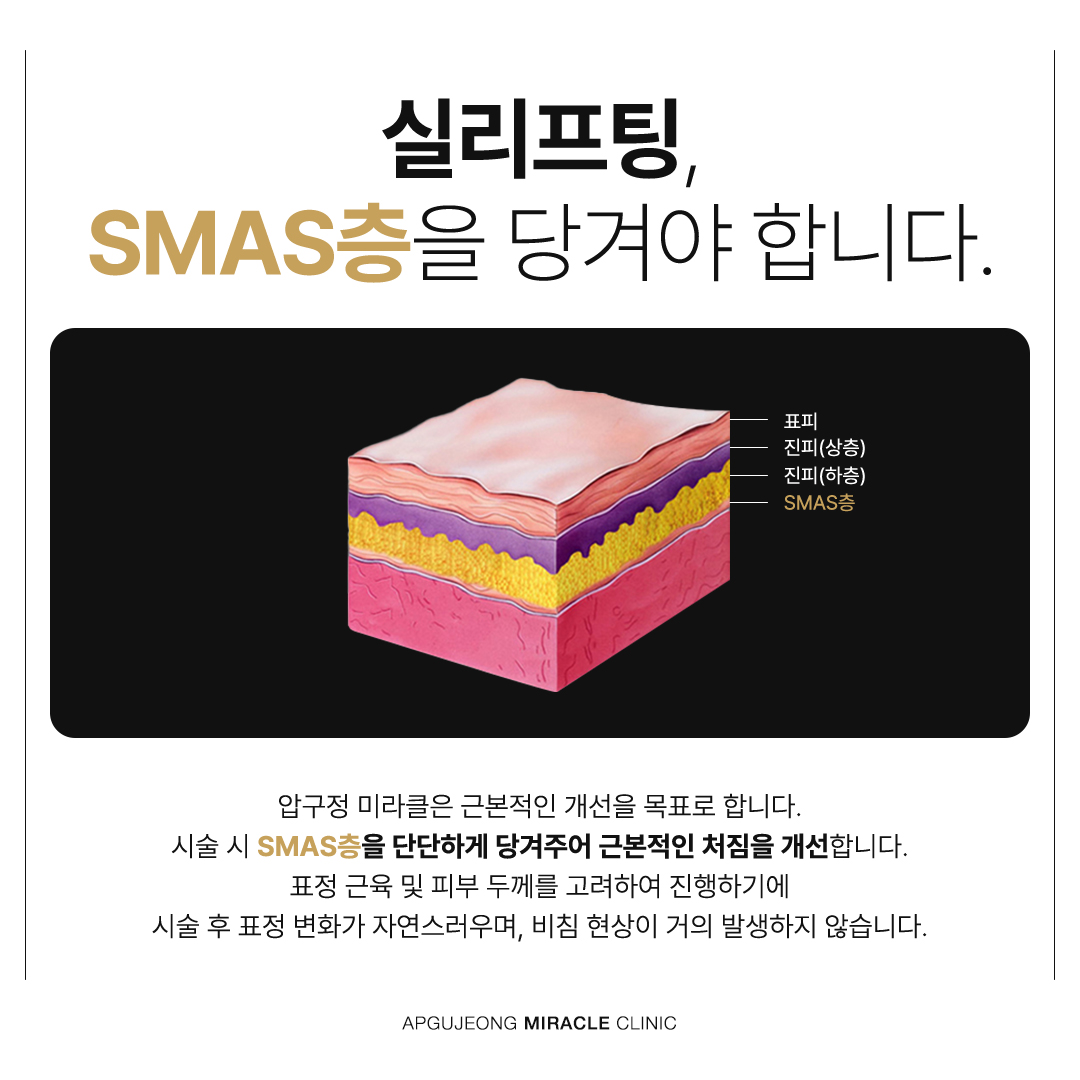
A thread lift is a minimally invasive lifting procedure that uses dissolvable threads to lift sagging facial tissue. PDO and cog threads are commonly used to support and reposition the skin and underlying tissue without full surgery. The threads are inserted through small entry points, often around the side of the face or hairline, and then tightened along planned lifting lines.
Compared to surgical lifting, there is no large incision, and the threads gradually dissolve over time while stimulating collagen. However, it is still a medical procedure that can cause swelling, bruising, and a pulling sensation, so realistic planning for downtime is important.
Direct answer about thread lift downtime
In practical terms, many patients want to know when they can:
Return to work with makeup: many patients report feeling comfortable returning within several days (commonly around 3–7 days), but individual recovery varies. Confirm timing with your provider before planning.
Look fairly normal in casual social situations: usually after about 1 to 2 weeks, although close friends may still notice some tightness or mild unevenness.
Feel that tightness and pulling have mostly settled: commonly over 2 to 4 weeks.
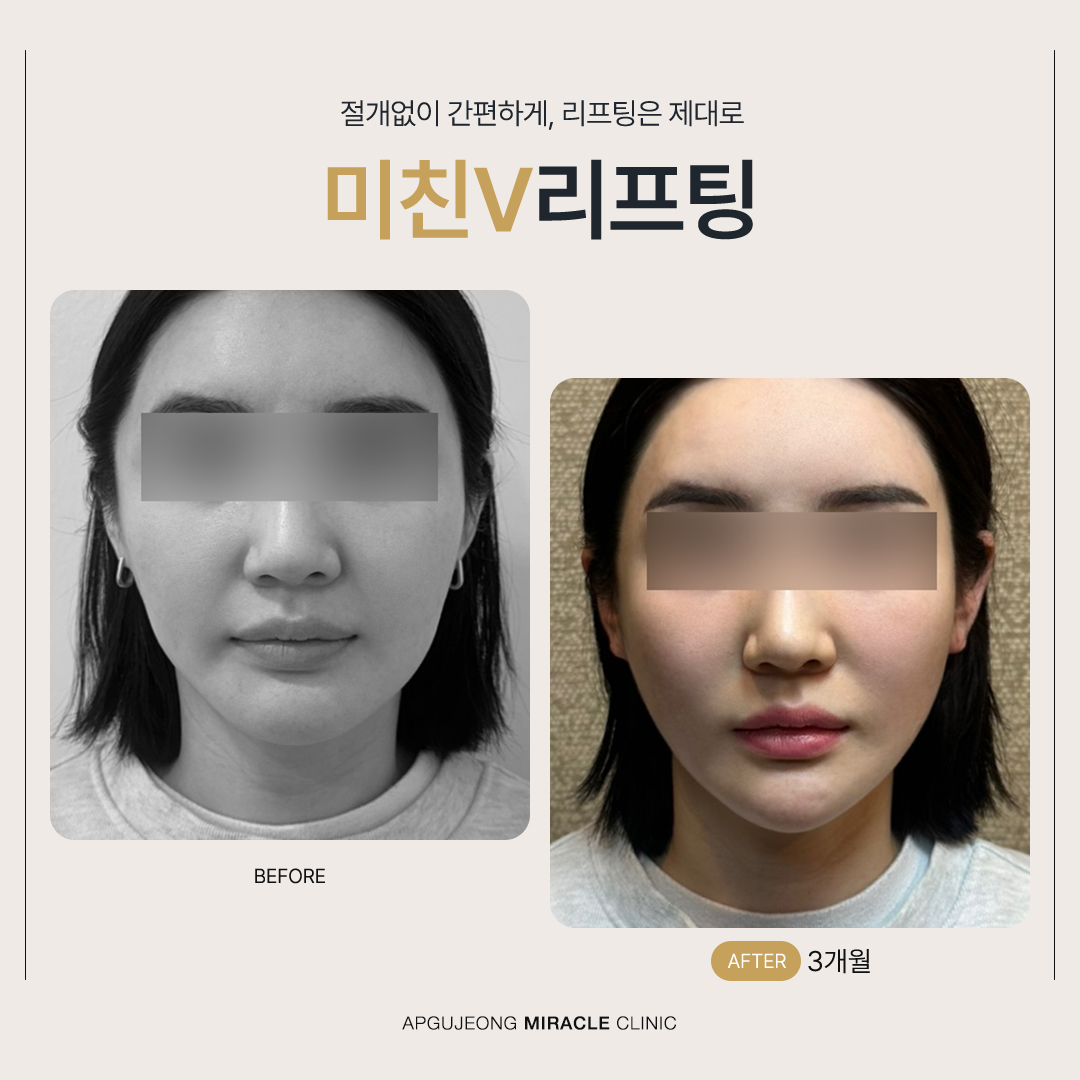
See the final, more natural lifted line: often around 2 to 3 months, when the threads have integrated with the tissue.
These are general patterns, not promises. Someone with very mild swelling may feel comfortable much sooner, while another person with a strong tendency to bruise may need a longer buffer.
What happens to the face right after a thread lift
Day 0 to 1
On the day of the procedure, local anesthesia is used in the treated areas. Right after the lift, the face may look slightly over-lifted or tight because the threads are freshly placed and the tissues have not yet relaxed.
As the anesthesia wears off over the first 24 hours, you may feel mild pain, tightness, or a pulling sensation along the thread lines. Initial swelling starts, and you may see small needle marks or entry points where the threads were inserted. These are usually covered with small dressings or are simply left clean.
Days 2 to 3
Swelling and mild bruising often become more obvious around days 2 and 3. This is when some people feel that one side looks different from the other, or that the face looks more uneven than expected.
This temporary asymmetry is usually related to uneven swelling, differences in facial structure, or how the tissues respond to the lift. It often improves as the swelling goes down, but it can be the most worrying period emotionally, especially for first-time patients.
Days 4 to 7
By the end of the first week, many people can cover most marks and color changes with makeup. Small needle marks tend to fade, and bruises may start to turn yellowish or lighter.
However, the tightness or pulling when talking, smiling, or chewing can still be noticeable. Sleeping on your side may feel uncomfortable, and you may become more aware of the threads when you move your face. For office workers, this is often the stage when they return to work, sometimes using a mask, hairstyle, or glasses to draw less attention to the face.
Weeks 2 to 4
During the second to fourth week, the pulling sensation usually becomes milder. Swelling continues to settle, and the face tends to look more balanced. Small irregularities or slight dimpling often soften as the tissues adapt to the threads.
At this stage, most people feel comfortable in social and professional situations, although they may still notice tightness when making very big expressions or when pressing on the treated area. Exercise and daily activities may gradually return to normal according to the clinic’s instructions.

Around 2 to 3 months
Over the next 2 to 3 months, the threads are more fully integrated with the surrounding tissue. The lifted line can look more natural, and the skin may feel less foreign or tight.
This is also the period when you and your doctor can evaluate the overall effect more objectively. For patients considering additional lifting or combining with device-based treatments, this timing is often used as a reference point.
Factors that change thread lift downtime
Thread-related factors
Type of thread: Barbed or cog threads that actively hook and lift the tissue tend to create more noticeable immediate lifting and may be associated with more swelling or tightness than smoother threads that focus more on collagen stimulation.
Number of threads and treated areas: Lifting only the jawline with a small number of threads may have a shorter and lighter downtime than a full lower face and midface lift that includes cheeks, nasolabial folds, and jawline.
Depth and vector of insertion: Threads placed deeper and pulled more strongly to achieve a more dramatic lift can cause more initial tightness and swelling. The direction and pattern of the threads also influence how the face moves during recovery.
Patient-related factors
Skin thickness and facial fat: People with thicker skin or heavier facial tissue may need stronger lifting, which can affect swelling and the feeling of tightness. Very thin skin may show more surface irregularities in the early phase.
Tendency to bruise or swell: If you usually bruise easily or have strong swelling after other procedures, your thread lift downtime may be longer. Smoking, certain medications, and underlying health issues can also influence healing.
Previous lifting or thread procedures: Existing threads, scar tissue, or previous lifting can change how the face reacts. In some cases, old threads may need to be removed before new ones are placed, which can affect both the procedure plan and the recovery period.
Operator and planning factors
Design of lifting vectors: Carefully planned thread directions can help distribute tension more evenly, which may support smoother movement and recovery. Overly aggressive lifting in one direction can sometimes increase the risk of dimpling or discomfort.
Balance between natural movement and lift: Some doctors prioritize a more natural movement with slightly gentler lifting, while others may aim for a stronger immediate result. This balance can influence how obvious the lift looks in the first days and how the face feels when moving.
Typical downtime expectations by lifestyle
Office workers
For many office workers, the key question is when they can return to work without attracting too much attention. If your workplace allows masks, it is often possible to go back within 2 to 3 days, especially if you are comfortable with some swelling.
If you prefer to look more settled, planning the procedure on a Friday and using the weekend plus a few extra days can give you about 4 to 5 days of recovery before returning to the office. Using light makeup, glasses, and a suitable hairstyle can help cover mild bruising or swelling.
Customer-facing or on-camera jobs
If your work involves close contact with clients, photography, or video, you may want a longer buffer. A gap of 7 to 14 days before an important event or filming is often more comfortable, as most visible swelling and color changes tend to improve by then.
During consultation, it is useful to share your schedule, including any important meetings, shoots, or social events. This allows the doctor to recommend a suitable date and to choose a lifting method that fits your timeline as much as possible.
People considering re-lifting after a previous thread lift
If you have already had a thread lift and were not satisfied, you may worry that a second procedure will cause longer or more difficult downtime. Existing threads and scar tissue can indeed influence swelling, tightness, and how the face responds.
A clinic with experience in thread removal and re-lifting can examine your current condition, check where previous threads are located, and decide whether removal is needed before new lifting. This step-by-step approach can help estimate a more realistic downtime, rather than simply repeating the same method.
Managing swelling, bruising, and discomfort
Common early side effects
After a thread lift, it is common to experience:
Swelling around the treated areas, especially along the thread lines.
Mild bruising or color changes near the entry points or along the lifted zones.
Needle marks or small entry points that gradually fade.
Tightness or pulling when smiling, chewing, or lying on your side.
Temporary asymmetry as swelling settles at different speeds on each side.
These reactions are usually temporary and improve as the tissues adapt and the swelling decreases.
Aftercare — practical points (estimates only; always follow your clinic's written instructions):
- Cold packs: Light cooling during the first 24–72 hours may help reduce swelling; follow your clinic's guidance on frequency and duration.
- Sleeping position: You may be advised to sleep on your back and avoid pressure on treated areas for a few days.
- Activity: Avoid strenuous exercise and heavy lifting for about 1–2 weeks and avoid facial massages or aggressive skin treatments until cleared by your clinician.
- Sun protection: Minimize direct sun exposure while healing and use sunscreen once the treated area is ready.
- Medications and follow-up: Take prescribed medications as directed and attend scheduled follow-ups. Contact your clinic promptly for increasing pain, fever, spreading redness, or any concerns.
Cooling: Light cooling in the early phase may be recommended by the clinic to help with swelling. Always follow the specific instructions you receive, including how long and how often to apply cold packs.
Sleeping posture: For a few days, you may be advised to sleep on your back and avoid pressing the treated side against the pillow. This can reduce discomfort and help keep the threads stable during the early healing period.
Activity restrictions: Heavy exercise, saunas, very hot baths, alcohol, and massage or strong pressure on the treated area are often restricted for a certain period. The exact duration depends on the method used and your condition, so follow your doctor’s advice.
When to contact the clinic
While mild swelling and tightness are expected, you should contact medical staff promptly if you notice unusual pain, strong redness, heat, visible thread exposure, or any sudden change that worries you. Early evaluation can help manage complications more effectively.
Thread lift downtime vs device-based lifting
Many visitors to Korea also consider device-based lifting such as ultrasound or HIFU-type treatments. It can be helpful to compare the general downtime pattern.
Device-based lifting (for example, ultrasound or HIFU): many providers report that these treatments are associated with less visible bruising and swelling than some invasive procedures, and patients commonly experience only mild soreness or tightness. The lifting effect may appear gradually over weeks to months. Individual responses differ, so ask your clinician what to expect for your situation.
Thread lifting: Threads usually create a more immediate change in contour, especially along the jawline and midface. However, this comes with more noticeable short-term swelling, tightness, and possible bruising.
Some patients choose to combine device lifting and thread lifting, either in the same overall plan or at different times. In that case, timing and downtime should be discussed carefully so that the procedures do not overlap in a way that makes recovery uncomfortable or difficult to monitor.
Why choosing a clinic with multiple lifting options matters
For overseas patients, especially those visiting Seoul for a limited time, having multiple lifting options in one place can be very practical.
When choosing a provider, look for clinics that offer both thread lifting and complementary options such as device-based lifting and facial contouring, and that have experience with thread removal or re-lifting when needed. Verify a clinic's credentials, review before-and-after results, and ask about their process for handling complications or revisions before booking a procedure.
Because different lifting methods are available in a single location, the doctor can adjust the plan according to both your facial structure and your schedule. For example, if you cannot accept more than a few days of visible swelling, a gentler lifting combination may be suggested. If you have already had threads placed before, the clinic can evaluate existing threads, decide whether removal is needed, and then estimate a more realistic recovery course.
Who may consider a thread lift in Korea
A thread lift may be considered by people who:
Notice early to moderate sagging around the cheeks, nasolabial folds, or jawline.
Prefer a minimally invasive procedure rather than full surgical lifting.
Can accept a few days to a couple of weeks of visible swelling or tightness.
Are open to gradual changes and understand that results and downtime vary by individual.
For overseas patients, it is especially important to have enough time in Korea for consultation, the procedure, and at least one follow-up visit before returning home.
Online consultation and pre-visit preparation
Before you travel, an online consultation can help you understand whether a thread lift is suitable for you and how to plan your schedule.
Useful information to prepare includes:
Clear photos of your face from the front, both sides, and at a slight angle, taken in good lighting without heavy makeup or filters.
Your age, general health, and any chronic conditions.
A list of previous procedures on the face, such as fillers, device-based lifting, or previous thread lifts.
Any medications or supplements you are taking, especially those related to blood clotting.
Your planned travel dates and important events before and after your visit.
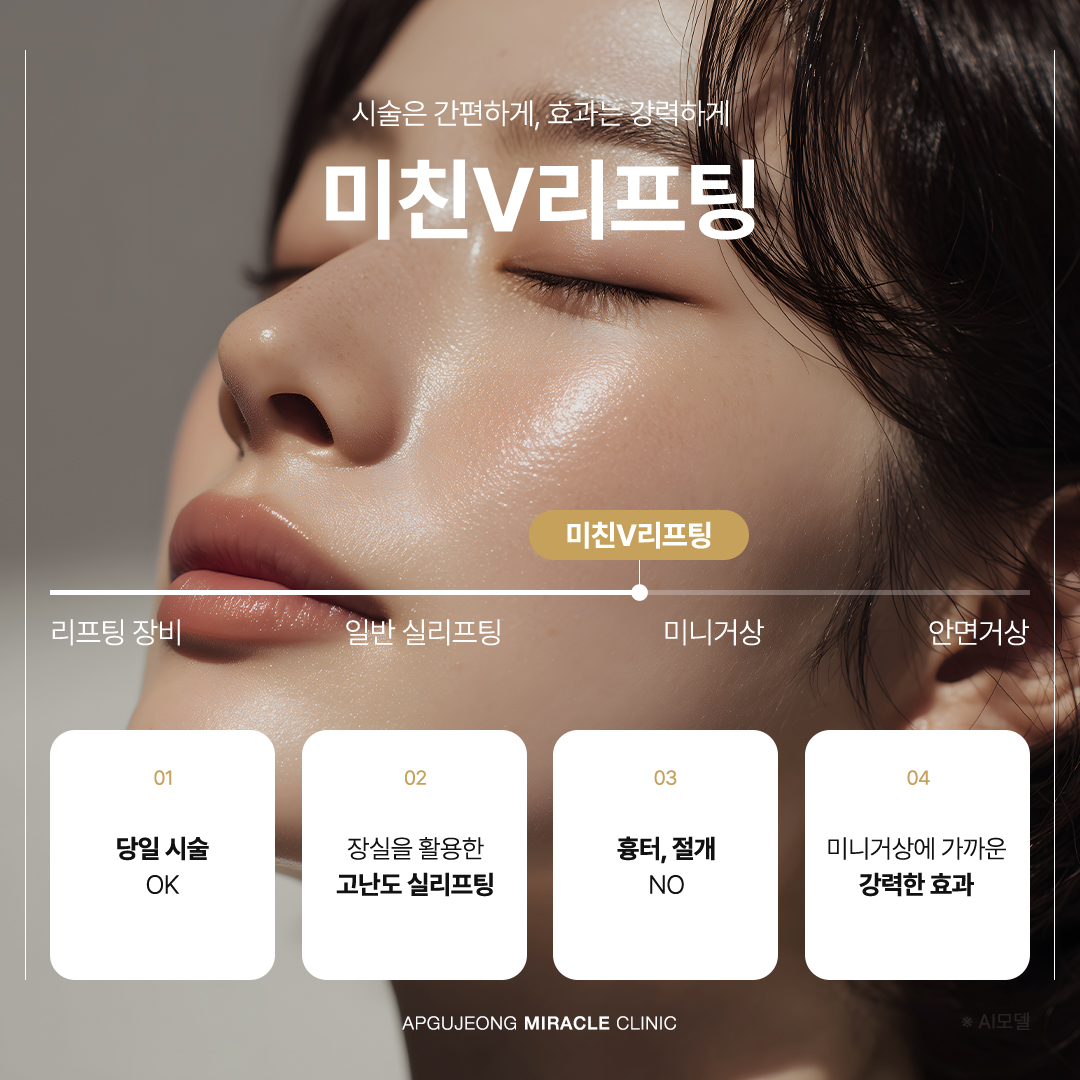
During the online consultation, you can ask about possible options, expected downtime in your specific case, and how many follow-up visits are recommended.
Expected Korea visit timeline
While each plan is individualized, a common structure for overseas patients might look like this:
Day 1: In-person consultation and detailed examination. The doctor confirms your condition, reviews your expectations, and finalizes the lifting plan. In some cases, pre-procedure photos and basic tests may be done.
Day 2 or 3: Thread lift procedure. The procedure itself usually takes from under an hour to a couple of hours, depending on the complexity and whether thread removal is included.
Days 3 to 5: Early recovery in Korea. You may visit the clinic for a short check, dressing change if needed, and guidance on aftercare. Swelling and tightness are usually most noticeable in this period.
Days 6 to 10: Additional follow-up, if recommended. The clinic may check the symmetry, healing of entry points, and your overall comfort. Many overseas patients schedule their return flight after this window, but this depends on personal preference and the doctor’s advice.
If your schedule is very tight, share this clearly during the first consultation so that the clinic can advise whether your plan is realistic.
Aftercare and long-distance follow-up
Once you return home, you will continue healing over the next weeks and months. The clinic may ask you to send follow-up photos at certain intervals to monitor your progress.
General aftercare points often include:
Following the clinic’s instructions on cleansing, skincare products, and makeup timing.
Avoiding strong facial massages or treatments on the lifted areas for a recommended period.
Contacting the clinic promptly if you notice any unusual symptoms.
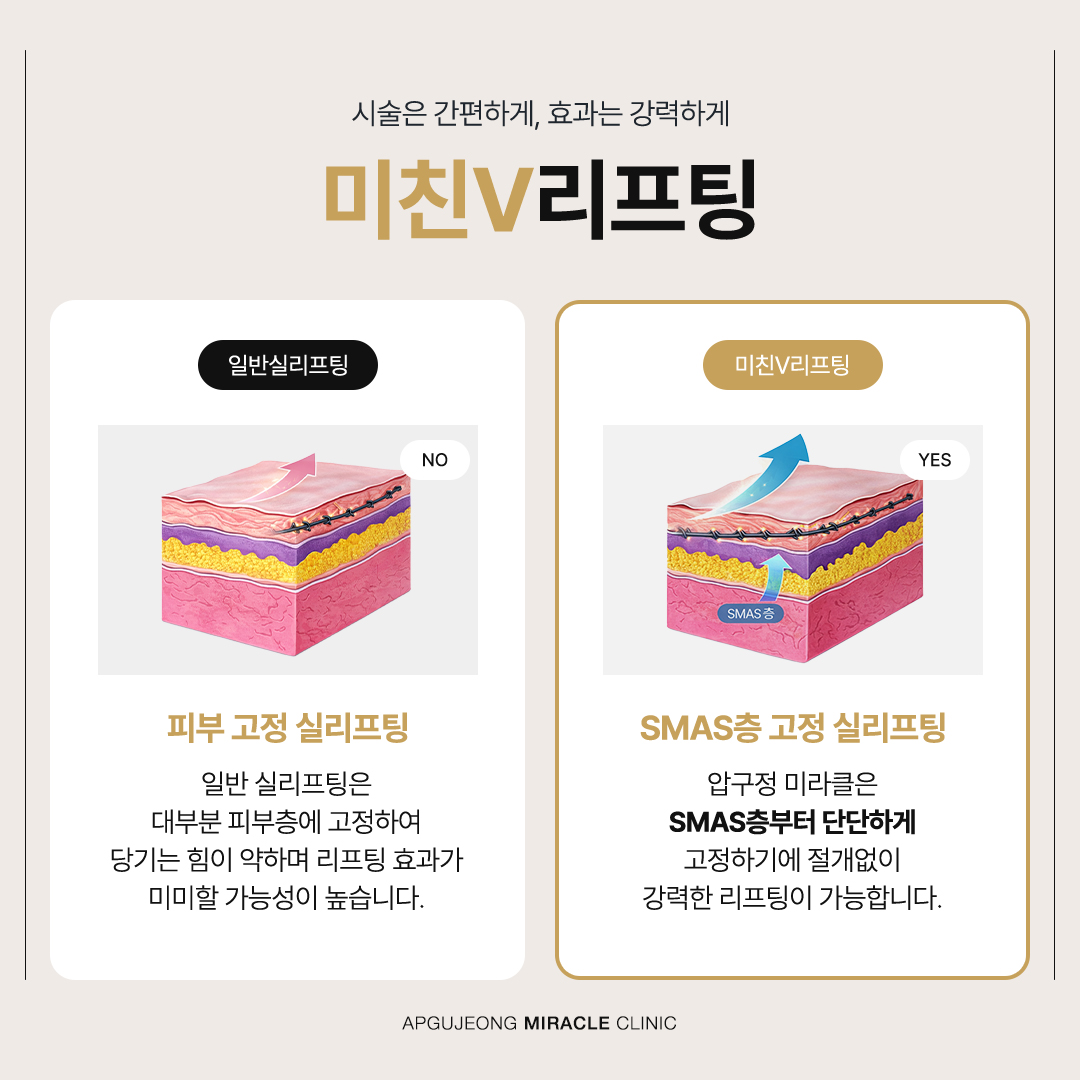
Because you will be in another country, clear communication channels such as email or messaging apps are helpful. Ask in advance how to reach the clinic if you have questions after you return home.
Consultation checklist focused on downtime
To make the most of your consultation, it can help to bring a written list of questions. Examples include:
How many days until I can return to work with makeup in my case?
How long might visible bruising or swelling last, considering my skin type and medical history?
What are the chances of temporary asymmetry for me, and how is it usually managed?
How will my previous lifting, fillers, or threads affect downtime and the choice of method?
What activities should I avoid after the procedure, and for how long?
Are there any recommended timelines if I want to combine thread lifting with device-based lifting?
Bringing a calendar or noting important events such as weddings, business trips, or photo sessions helps the doctor plan the date and intensity of the procedure to match your real life.
Frequently asked questions about thread lift downtime
How long does thread lift downtime usually last?
For many people, light daily activities are possible from the next day, and returning to work with makeup is often comfortable after about 3 to 7 days. However, mild swelling, tightness, and a pulling sensation can continue for 2 to 4 weeks. The final, more natural look commonly appears around 2 to 3 months. These time frames vary from person to person.
Will a second thread lift have longer downtime than the first?
If you already have threads or scar tissue from a previous lift, your face may react differently. Some people experience similar downtime to their first procedure, while others may notice slightly more swelling or tightness. A clinic experienced in thread removal and re-lifting can examine your current condition and give a more personalized estimate.
Can I hide thread lift downtime if I have to work?
Many office workers manage downtime by scheduling the procedure before a weekend, using masks, light makeup, glasses, or a suitable hairstyle to cover mild swelling or bruising. If your job is customer-facing or on camera, you may want to allow 7 to 14 days before important events. Discuss your work environment and expectations during consultation so the plan can be adjusted.
Is thread lift downtime shorter than surgery but longer than device lifting?
In general, thread lifting tends to have a shorter downtime than full surgical lifting because there are no large incisions. However, it usually has more visible short-term changes than device-based lifting such as ultrasound or HIFU, which often have minimal external signs. At the same time, threads can provide a more immediate contour change than devices, so the choice depends on your goals and schedule.
Safety and realistic expectations
Thread lifting is a medical procedure, not a simple beauty treatment. Before deciding, it is important to have a full face-to-face consultation and examination, disclose your medical history and medications, and share any previous procedures you have had.
Downtime and results always involve individual variation. No clinic can guarantee a specific number of days or a fixed outcome. The goal is to manage risk and recovery as safely and comfortably as possible, based on careful planning and clear communication.
If you are considering thread lifting or re-lifting in Sinsa-dong, Gangnam, near Apgujeong Rodeo Station, you can start with an online consultation. By sharing your photos, medical background, and schedule, you and the clinic can work together to design a lifting plan and downtime that match your real life.
Soft call to action for online consultation
If you are an overseas patient thinking about a thread lift in Korea and want to understand your likely downtime more clearly, consider arranging an online consultation before you book your trip. Prepare your questions, schedule, and photos, and ask directly how the clinic would plan your treatment and recovery.
With realistic information and a personalized plan, you can make better use of your time in Seoul and feel more prepared for both the procedure and the days that follow.


- 공유 링크 만들기
- X
- 이메일
- 기타 앱


댓글
댓글 쓰기