Thread lift before and after guide for realistic results in Gangnam

Thread lift before and after at a glance
When you search for “thread lift before and after”, you usually want clear proof — a sharper jawline, reduced nasolabial folds, and an overall lifted look. Clinic photos vary by angle, lighting, and timing, which can be confusing. For international patients considering a non-surgical facelift in Seoul — for example, someone seeking modest jawline definition without surgery — this guide explains what thread lifting realistically changes, how to read before-and-after images, and what to expect during recovery.
This article summarizes common practices and typical outcomes reported by aesthetic clinics in Seoul that offer thread lifting and related procedures. It does not describe the operations or claims of any single clinic. The goal is not to promise dramatic transformations, but to help you make sense of thread lifting results and decide whether the procedure suits your face and lifestyle.
Direct answer summary
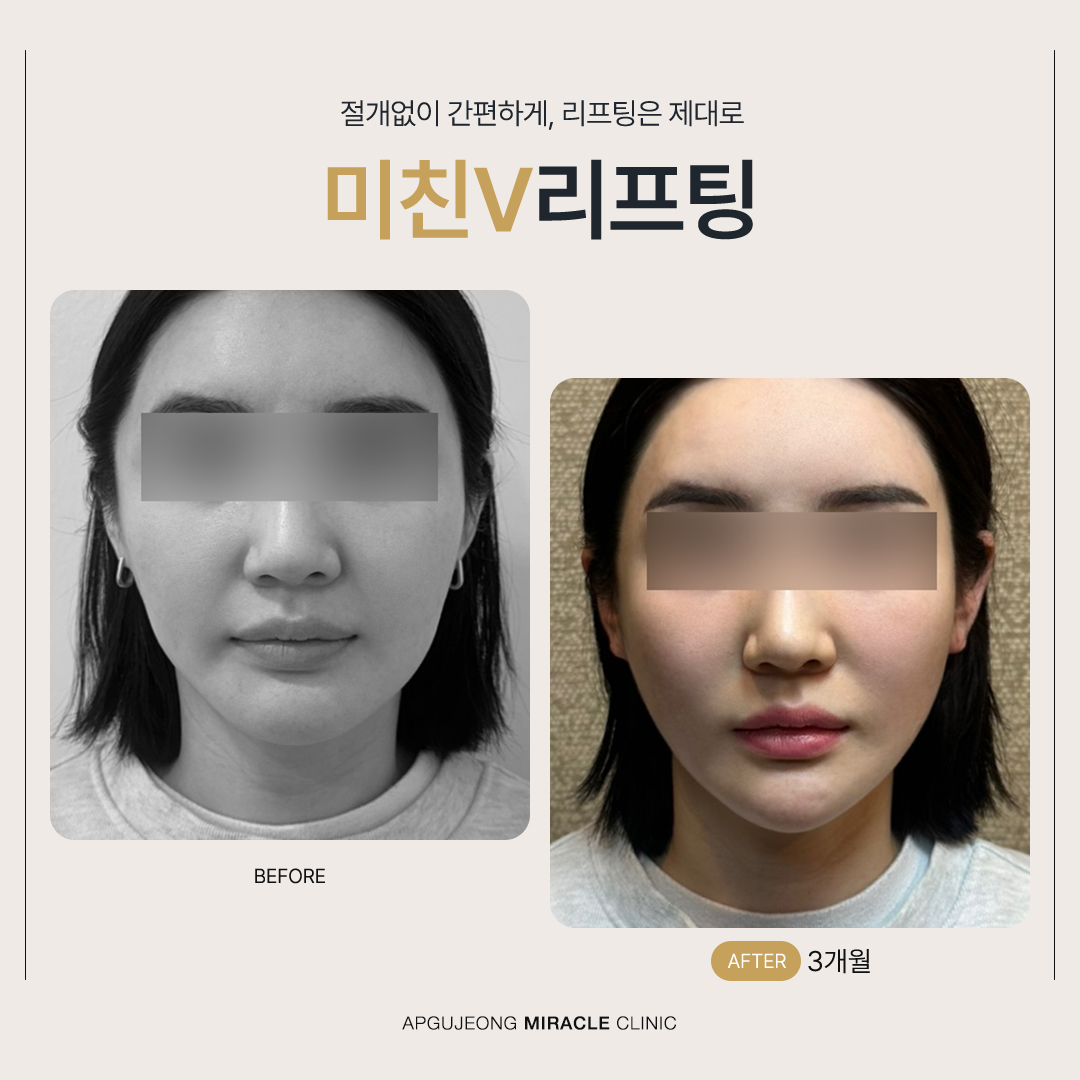
Before-and-after photos often highlight a clearer jawline, subtly lifted cheeks, and softer lines around the mouth and nose. The most obvious lift is often seen immediately after the procedure, although this can reflect temporary swelling and tightness. Appearance usually evolves as swelling subsides and the tissues adapt; timing and how long results last vary widely between individuals and depend on factors such as thread type, placement, and skin quality. Ask your provider about the expected timeline for your situation.
Mild swelling, bruising, and temporary asymmetry are common in the early recovery period. Severe pain, visible thread exposure, or worsening asymmetry are not typical and should be checked by the clinic. For patients who already had a thread lift or device-based lifting and are not satisfied, revision thread lifting with careful planning can sometimes improve contour, but expectations must be realistic and individualized.
What is thread lifting and how does it work
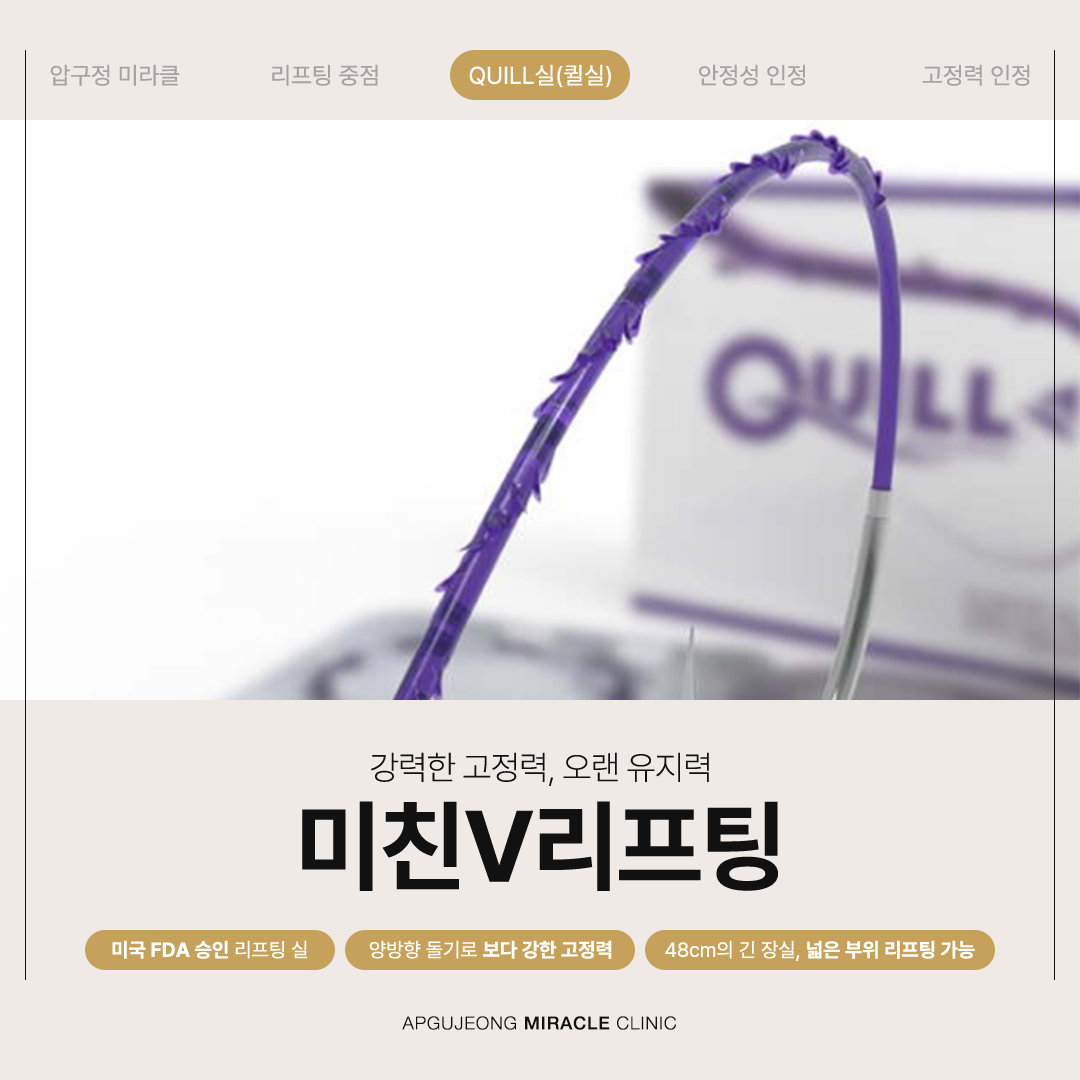
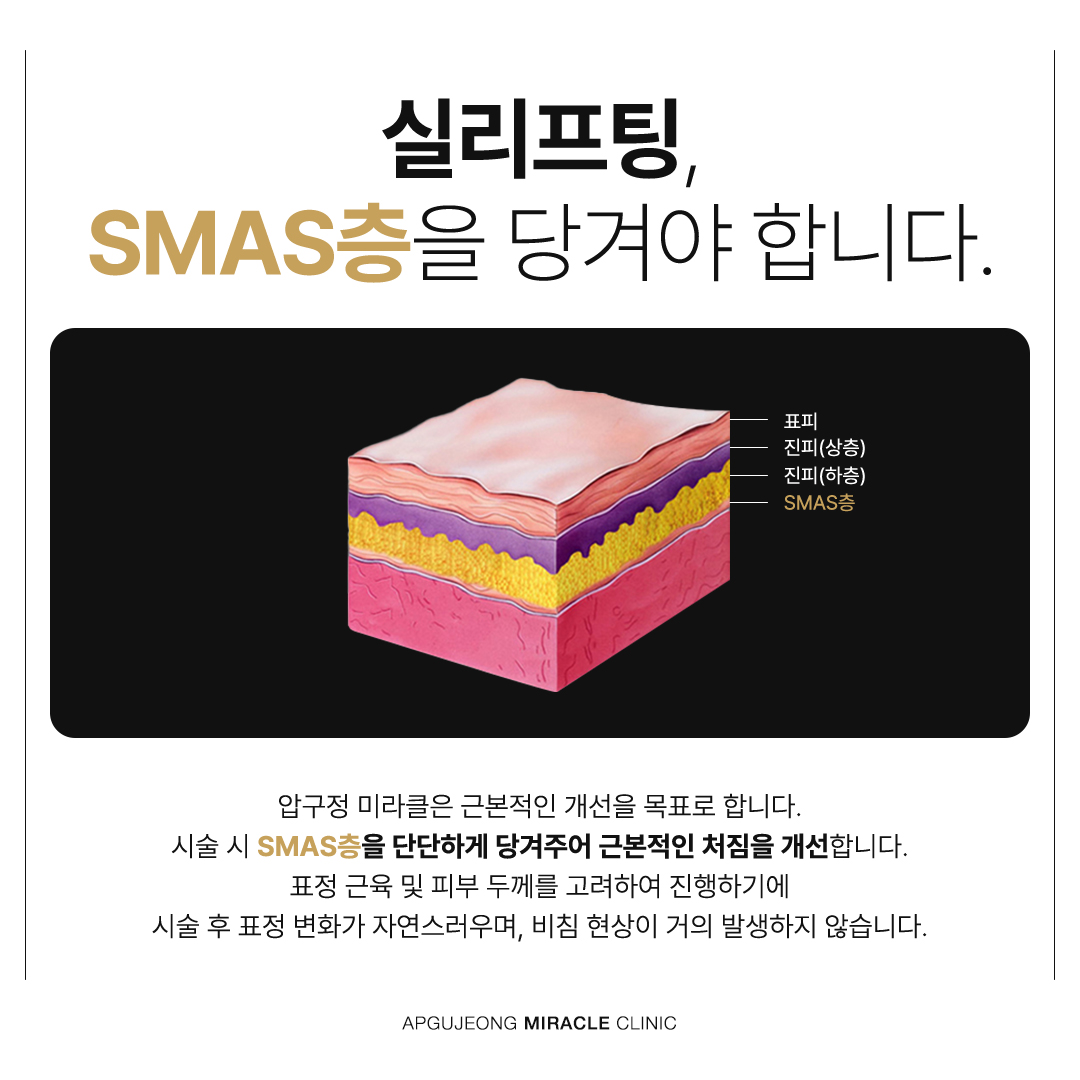
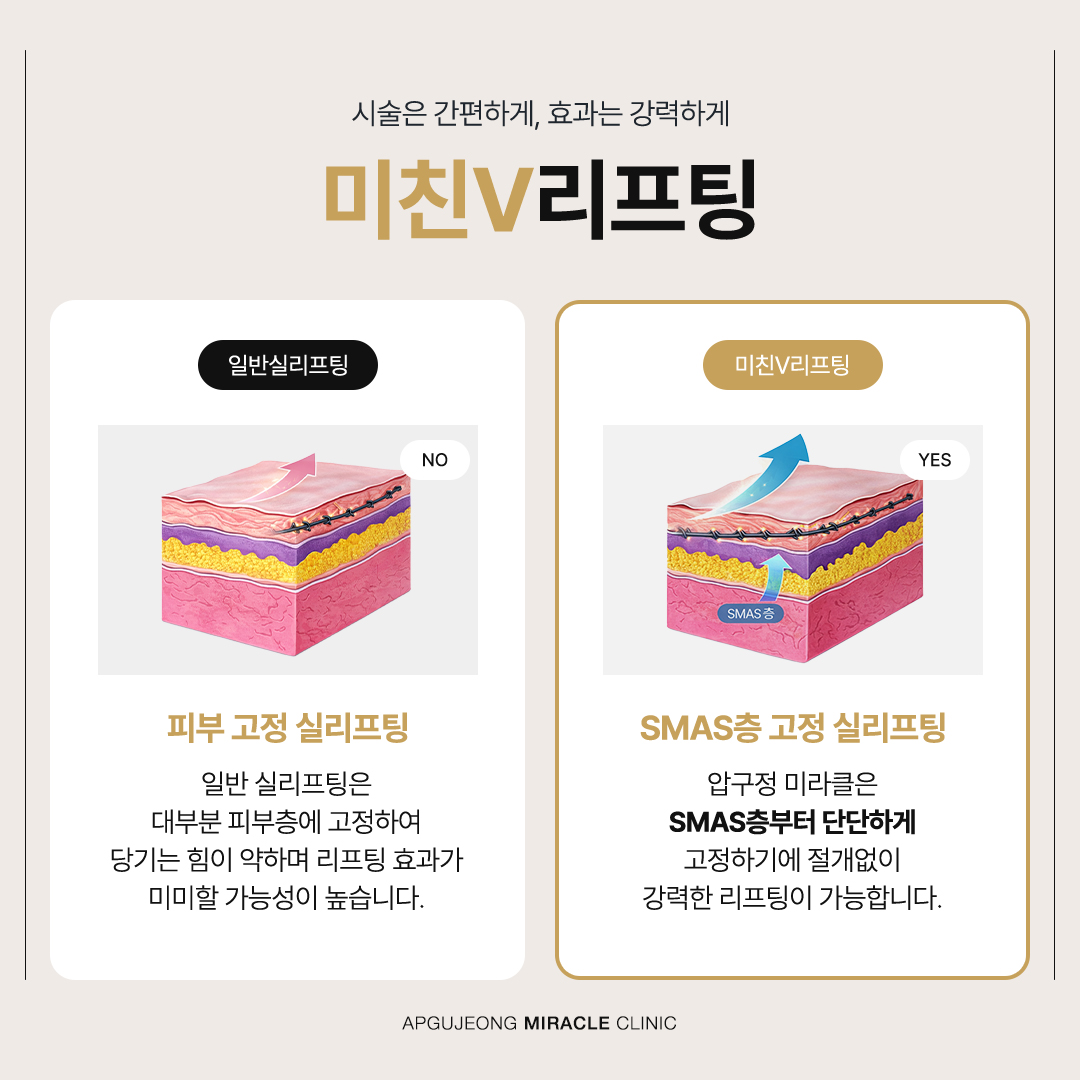
The procedure is usually done under local anesthesia. Through small entry points, the doctor inserts threads along planned vectors to support and reposition sagging tissue. The threads gradually dissolve over months, but the collagen they leave behind can help maintain some of the lifting effect.
Thread lifting can be combined with energy-based treatments — for example, ultrasound-based skin-tightening devices — or with other procedures like injectable contouring or facial liposuction to refine the jawline and lower face.
What thread lifting can and cannot do
Thread lifting can be helpful for early to moderate signs of aging, especially when the skin has started to sag but is not yet severely loose.
Areas thread lifting can often improve
Jawline and jowls: A jawline thread lift can reduce the look of small jowls and blur along the mandibular border, creating a cleaner lower face line.
Nasolabial folds: By lifting the midface slightly upward and backward, the folds from the nose to the mouth can appear shallower.
Marionette lines and mouth corners: Lifting around the corners of the mouth can reduce a downward or tired expression, making the mouth corner look more neutral or slightly lifted.
Cheek sagging: Mild to moderate cheek drooping can be improved, especially when combined with appropriate thread vectors.
Early neck sagging: In some mild cases, thread lifting can give a bit of tightening along the upper neck, particularly when the lower face is lifted together.
Limitations of thread lifting
Not a replacement for full surgical facelift: For very heavy or severely sagging tissue, thread lifting usually cannot match the effect or duration of a surgical facelift.
Less effective for very thick or very thin skin: Very heavy tissue may not hold well with threads alone, while very thin skin may show more irregularities.
Results are not permanent: The lifting effect gradually decreases over time as threads dissolve and tissues continue to age. Many people consider maintenance or combination treatments.
Cannot fix all volume problems: Deep hollows or volume loss may still need fillers, fat grafting, or other volume-restoring treatments.

Because of these limitations, a good consultation will often include a discussion of whether thread lifting alone is suitable, or whether it should be combined with other options like Ulthera, Shurink, Doublo, or contouring procedures.
How to read thread lift before and after photos
Before-and-after photos are one of the most searched topics for thread lifting results, but they can be misleading if you do not know what to look for.
Timing of photos
Immediate result (same day to a few days):
The lift looks the strongest at this stage because of both the mechanical pull of the threads and the swelling. The face can look tighter and sometimes slightly over-lifted. You may also see dimpling near entry points, uneven swelling, and a very firm expression.
- to 2 weeks:
- Swelling and bruising usually decrease. Asymmetry often improves as the tissues relax and swelling becomes more even. Some tightness when opening the mouth or laughing is still common.
- to 3 months:
- This is the collagen remodeling phase. The contour usually looks more natural and less “pulled”. Many clinics like to show after photos from this period because the face has settled but the lift is still clear.
- to 12 months:
- The lifting effect is often softer compared to the early months. Some support from collagen remains, but natural aging continues. Photos from this stage show how well the result is maintained.
When you look at thread lift before and after photos online, it helps to check if the clinic mentions how long after the procedure the “after” image was taken. A result shown at 1 week is very different from a result shown at 6 months.
What to check in photos
Posture and angle: The head should be in a similar position, not tilted up or down in one photo and straight in the other. A slightly turned head can make the jawline look sharper even without treatment.
Lighting: Softer, brighter lighting can reduce the look of wrinkles and shadows. Try to compare photos with similar lighting and background.
Expression: Smiling in one photo and keeping a neutral face in the other can change the appearance of nasolabial folds and marionette lines.
Makeup and hair: Heavy contouring makeup, different hairstyles, or hair covering the jawline can create the illusion of a stronger lift.
Combination treatments: Some before-and-after photos may include not only threads but also Ulthera, Shurink, Doublo, fillers, or fat reduction. If this is not clearly explained, it is easy to overestimate what threads alone can do.
Typical before-and-after changes by concern
Jawline and jowls
Before: The jawline looks soft or blurred, with small bulges of tissue (jowls) near the corners of the mouth or along the lower border of the face.
After: The mandibular line appears clearer, and the jowl area looks smoother. The change is often subtle but gives a more defined lower face. In some patients, the improvement is mainly visible when comparing the side profile.
Midface and nasolabial folds
Before: Cheeks may look slightly drooped, and the folds from nose to mouth appear deeper.
After: The cheeks are gently lifted upward and backward, reducing the depth of the folds. The change is usually modest; the goal is softening rather than erasing lines.
Marionette lines and mouth corners
Before: The corners of the mouth may turn downwards, giving a tired or sad impression.
After: The mouth corners look more neutral or slightly lifted. The marionette lines from the mouth corner to the chin can appear less deep.
Neck and lower face
Before: Mild sagging or loose skin at the upper neck, sometimes with early banding.
After: In suitable cases, the border between the face and neck looks more distinct, and the upper neck skin appears a bit tighter. This effect is usually modest and works best in combination with jawline lifting.
Recovery timeline and what is normal
Immediately after the procedure
It is common to feel tightness or pulling, especially when opening the mouth wide, chewing, or laughing. Mild to moderate swelling and some bruising can appear around the entry points and along the thread paths.
You may notice small dimples or irregularities where the threads were inserted. These usually soften over days to weeks as the tissue relaxes. The face may feel firmer and slightly “stiff” at first.
First week
Discomfort when touching or pressing the treated area is typical. Many clinics recommend sleeping on your back or avoiding strong pressure on the treated side to prevent thread displacement.
Some asymmetry in swelling is common. One side may look more swollen or feel tighter than the other. This often improves as the swelling goes down.
2 to 4 weeks
Most people can perform daily activities comfortably. Residual tightness may still be noticeable with large facial movements, such as big smiles or wide yawns.
Bruising usually fades, and dimpling tends to smooth out. The face begins to look more natural while maintaining a lifted contour.
When to contact the clinic
Severe or increasing pain that does not improve with time.
Obvious thread exposure or a visible thread under the skin that seems to be poking out.
Persistent or worsening asymmetry after the initial swelling period.
Redness, warmth, or discharge that may suggest infection.
If you are visiting Korea from overseas, it is important to plan your stay so that you can return to the clinic at least once for a follow-up before you fly home, especially if you have a complex or revision case.
First-time vs revision thread lifting
Many people reading about thread lift before and after have already tried some form of lifting, such as threads, Ulthera, Shurink, Doublo, or fillers. Some are satisfied but want maintenance; others feel the lift was insufficient, relapsed quickly, or caused irregularities.
What is different in revision cases
Existing threads: Old threads may still be present under the skin. In some cases, they can be left in place; in others, removal is recommended before or during a new lifting plan.
Tissue condition: Previous treatments can change tissue thickness, elasticity, and scar formation. This affects how new threads behave and what vectors are safe and effective.
Expectations: Patients who have already tried lifting often have more specific concerns. A careful discussion is needed about what is realistically achievable with revision thread lifting.
A clinic that focuses on thread lifting and thread lift revision typically offers a structured approach: assessing existing threads, deciding whether removal is needed, and designing a new lifting strategy that may include different thread types or combination treatments.
Choosing the right type of lifting for your face
Factors that influence the choice
Age and degree of sagging: Early sagging may respond well to lighter threads or device-based tightening. More advanced sagging may require stronger threads or combination approaches.
Skin thickness and facial structure: Thicker, heavier tissue may need more robust threads and carefully planned vectors. Thinner skin may do better with gentler lifting and more focus on collagen stimulation.
Previous procedures: If you have had fillers, fat grafting, or earlier threads, the plan may need to be adjusted to avoid overfilling or irregularities.
Some patients benefit from combining thread lifting with facial liposuction or contour injections to refine the jawline and lower face. For example, reducing excess fat along the jawline and then supporting the tissue with threads can create a more defined contour than either treatment alone.
Role of consultation and planning
Online thread lift before and after photos can be a starting point, but they cannot replace a personalized consultation. A thorough consultation at a Gangnam thread lift clinic or Apgujeong thread lifting center should include:
Facial analysis: Evaluating the degree and pattern of sagging, asymmetry, and facial proportions.
Skin and tissue assessment: Checking skin thickness, elasticity, and the presence of previous scars or threads.
Review of previous treatments: Understanding what has been done before, how long ago, and how you responded.
Lifestyle and downtime tolerance: Discussing how much swelling or bruising you can accept, and how long you can stay in Korea if you are visiting from overseas.
The same number of threads can give very different results depending on vector design, depth, and anchoring points. A detailed plan is often more important than the specific brand of thread.
Online consultation and pre-visit preparation for overseas patients
If you are considering a non-surgical face lift in Seoul from abroad, an online consultation is a practical first step.
What to prepare for an online consultation
Clear photos: Front, 45-degree, and side views of your face and neck, with neutral expression and good lighting. Avoid heavy makeup or filters.
Treatment history: A list of previous procedures, including thread lifting, Ulthera, Shurink, Doublo, fillers, fat grafting, or surgeries, with approximate dates.
Main concerns: For example, “jawline sagging on the left side”, “deep nasolabial folds”, or “relapse after previous thread lift”.
Medical information: Any major health conditions, medications, or allergies.
Questions: Write down what you want to ask, such as expected recovery time, how long you should stay in Korea, and what kind of follow-up is possible once you return home.
Expected Korea visit timeline for thread lifting
A typical visit for overseas patients might look like this:
Day 1: In-person consultation and facial analysis. If both you and the doctor agree on the plan, the procedure may be done the same day or the next day.
Day 1 or 2: Thread lifting procedure, sometimes combined with device-based lifting such as Ulthera, Shurink, or Doublo if indicated.
Day 2 to 4: Rest, cold compresses as advised, and gentle care. Mild swelling and bruising are common. Many patients can walk around and enjoy light activities in Seoul, but should avoid heavy exercise.
Day 5 to 7: Follow-up visit to check healing, symmetry, and thread position before you fly home. If you have a more complex or revision case, the clinic may recommend staying closer to one week.
Aftercare and long-term maintenance
Aftercare in the first weeks
Avoid strong pressure or massage on the treated area.
Sleep on your back as much as possible in the first days, especially if many threads were placed.
Follow the clinic’s instructions about washing your face, makeup, and exercise. Gentle cleansing is usually allowed after a short period, but heavy workouts may be postponed.
If you feel discomfort, over-the-counter pain relief may be suggested by the clinic, depending on your health condition.
Long-term maintenance
Thread lifting results are not permanent. Some patients choose to repeat thread lifting after a certain period, while others maintain their results with device-based lifting like Ulthera, Shurink, or Doublo.
Lifestyle factors such as sun protection, smoking, weight changes, and skincare also influence how long the results look good. A clinic that focuses on lifting and anti-aging can help you plan a long-term strategy rather than a one-time procedure.
Real selfies and photo gallery as a learning tool
The Sinsa-dong clinic near Apgujeong Rodeo Station operates a gallery of real selfies, before-and-after photos, and videos. This can be useful for understanding the range of realistic changes in different ages and face types.
When you look at such galleries, try to focus less on dramatic transformations and more on subtle improvements that match your own concerns. Look for cases with similar age, facial structure, and degree of sagging to yours.
Frequently asked questions about thread lift before and after
How long does it take to see the final thread lifting result
You can see an immediate change right after the procedure, but this stage includes swelling and tightness. Most people see a more natural-looking result between 1 and 3 months, when swelling has settled and collagen has started to form. The effect usually softens gradually over 6 to 12 months, and the exact duration varies by individual.
Is it normal to look uneven after a thread lift
Mild asymmetry in the first days or weeks is common because swelling is rarely perfectly even on both sides. As the tissues relax and swelling decreases, the face often becomes more balanced. However, if asymmetry is severe, painful, or seems to worsen over time, you should contact the clinic for an assessment.
Can I have a revision thread lift if I already had threads before
In many cases, yes, but it requires careful evaluation. The doctor needs to check where the old threads are, how your tissue has changed, and whether removal is necessary. Revision thread lift planning is more complex than a first-time procedure, and expectations should be realistic. An online consultation before coming to Korea can help you understand what is feasible.
What should I check when comparing thread lift clinics in Gangnam
Instead of focusing only on price, look at the range of lifting options offered (different thread types and devices), the experience with revision cases, and the quality of consultation. Ask about the number and type of threads, vector design, expected recovery, follow-up schedule, and how they handle complications. A clinic that explains both benefits and limitations clearly is usually a better fit for long-term satisfaction.
Soft call to action
If you are considering a non-surgical face lift in Seoul and want to understand your own thread lift before and after potential, an online consultation can be a useful first step. By sharing clear photos and your treatment history, you can receive a more personalized explanation of suitable options, expected changes, and a realistic Korea visit plan.
es your goals and lifestyle.





댓글
댓글 쓰기