Sinsa-dong lifting dermatology clinic guide for thread lifting and re-treatment
- 공유 링크 만들기
- X
- 이메일
- 기타 앱

Sinsa-dong lifting dermatology clinic overview
r previous lifting procedures.
This guide explains how thread lifting works, how it differs from device-based lifting and surgical lifting, and what to consider if you are planning a visit to a clinic in Sinsa-dong such as Apgujeong Miracle Clinic near Apgujeong Rodeo Station.
Direct answer summary
Thread lifting in Sinsa-dong is a minimally invasive facial lifting option that uses dissolvable medical threads to lift sagging tissue and stimulate collagen. Some clinics offer a range of thread systems—for example, Mint threads, Silhouette Soft, or Ultra V—and may combine threads with device-based treatments such as ultrasound- or radiofrequency-based lifts. Availability of specific branded threads and devices varies by clinic, so check a clinic’s published treatment list or ask during consultation.
For overseas patients, treatment schedules vary widely. Some people can complete a consultation and a single-session thread lift during a short trip, while others need additional visits for more extensive planning or follow-up. Confirm scheduling, expected recovery time, and any recommended follow-up with the clinic before you travel. Re-treatment or thread removal after a previous procedure may be possible but requires a careful assessment and realistic expectations from a qualified clinician.
What is thread lifting
Thread lifting is a procedure that uses thin, dissolvable medical threads inserted under the skin to lift and support sagging facial tissue. The threads have tiny barbs, cones, or other structures that catch the tissue and hold it in a higher position.
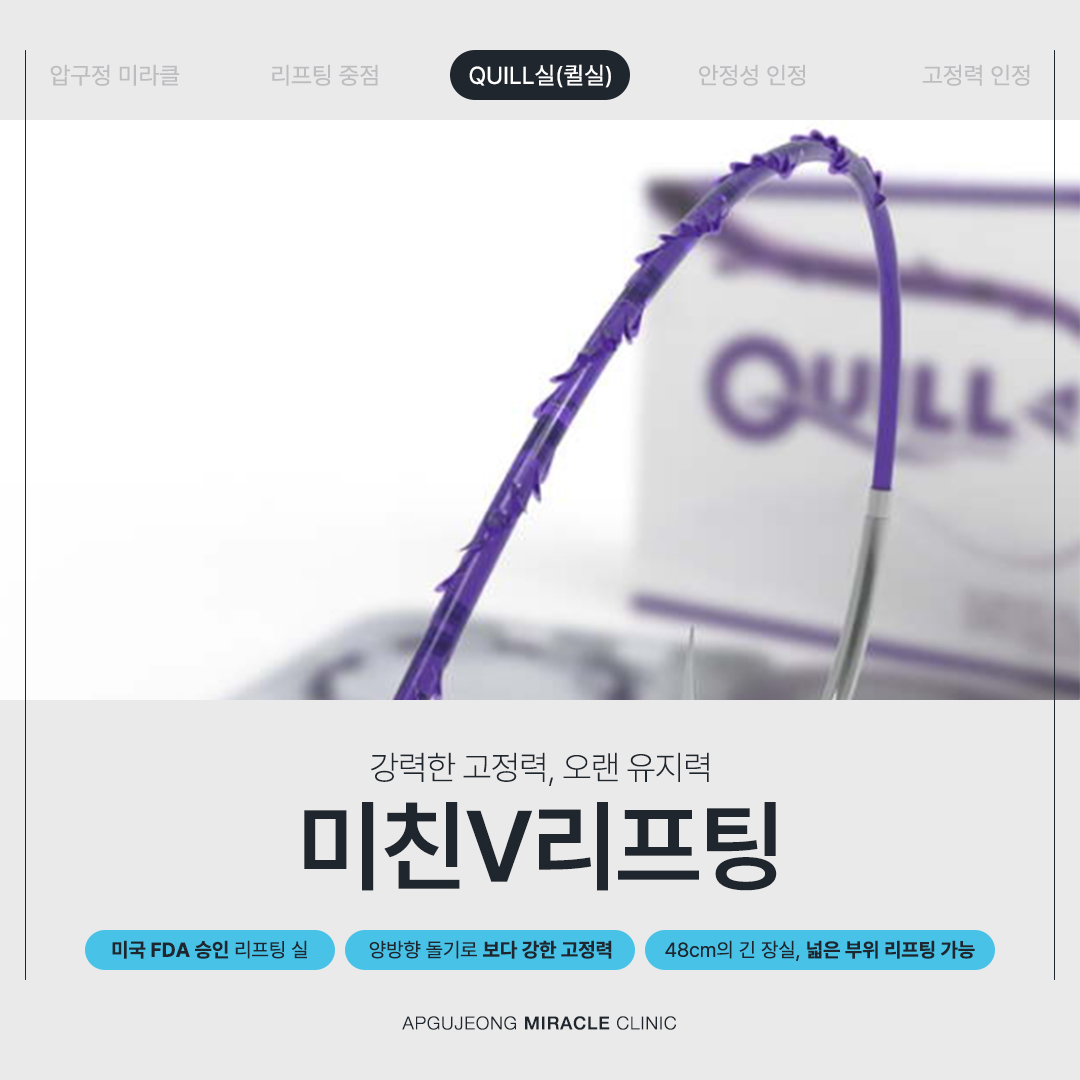
In addition to this mechanical lifting effect, the presence of the threads can stimulate collagen production around them. Over time, as the threads slowly dissolve, the new collagen may help maintain some firmness in the treated area.
Thread lifting is typically used for areas such as sagging cheeks, jawline and jowls, marionette lines around the mouth, nasolabial folds, and sometimes the neck. Some techniques can also be used around the brows or midface, depending on your anatomy and goals.
The degree and duration of improvement vary. Factors include the type of thread used, how many threads are placed, skin thickness, age, and how much sagging is present. In general, thread lifting is considered a temporary or semi-temporary option that can be repeated or combined with other treatments when appropriate.
How thread lifting differs from device-based and surgical lifting
Thread lifting versus device-based lifting
Device-based lifting methods such as Ulthera, Shurink, and Doublo use focused ultrasound energy to heat deeper layers of the skin and underlying tissue. This controlled heating can cause tightening and stimulate collagen without inserting anything under the skin.
Thread lifting physically lifts tissue with threads, while ultrasound devices aim to tighten and firm by heat-induced collagen remodeling. Threads tend to give a more immediate visible lifting effect in the right candidates, whereas device-based lifting may show gradual improvement over several weeks to months.
Thread lifting versus surgical lifting
Surgical lifting, such as a full facelift, involves incisions, deeper dissection, and repositioning of the underlying facial structures. It is usually performed in an operating room with a longer recovery period, and is more suitable for severe sagging.
Thread lifting is minimally invasive, with small entry points for the threads and generally shorter downtime. However, it does not replace a full surgical facelift in cases of very advanced aging or heavy sagging. Instead, it can be considered as an intermediate option for people who want some lifting and contour improvement without major surgery, or as a way to delay the need for surgery.

Types of thread lifting available in one Sinsa-dong clinic
Different thread materials and designs
There are many types of thread lifting systems, each with its own design and characteristics. Some use barbed threads that hook into the tissue, others use cone-shaped structures along the thread, and some focus more on collagen stimulation with finer threads.
These systems can differ in lifting strength, expected longevity, and downtime.
For instance, some threads are thicker and provide stronger mechanical lift, which may be suitable for heavier tissue but can involve more swelling or tightness at first. Others are finer and gentler, focusing more on subtle lifting and skin quality.
Combining threads with device-based lifting
Clinics that offer both thread lifting and device-based lifting, such as Ulthera, Shurink, and Doublo, can design a more tailored plan. A common approach is to use threads for structural lifting of sagging areas like the cheeks and jawline, and then use ultrasound devices to tighten the deeper skin layers and improve texture.
This combination can be adjusted according to your age, skin thickness, and previous treatments. For example, a patient with mild sagging and thin skin may benefit from fewer threads and more device-based lifting, while someone with moderate jowls may need stronger thread support and a smaller amount of ultrasound.
Choosing the right lifting for your face
Decide using three key factors:
- Main concern: identify where tissue laxity is most noticeable (brows, cheeks, jowls, or neck).
- Downtime tolerance: how much recovery time you can accept helps narrow options.
- Medical and procedure history: prior surgeries, scars, or existing threads affect safety and technique.
Next step: during consultation the doctor will examine tissue laxity, review your history, discuss realistic outcomes, and recommend options tailored to these factors.
Rather than pushing one fixed method, a lifting-focused clinic in Sinsa-dong should help you compare options. During consultation, you can discuss where you feel sagging the most, how much downtime you can accept, and whether you have had previous lifting procedures.
The final plan may include one or more thread systems, ultrasound lifting, and possibly other contouring or anti-aging treatments. The aim is to match the method to your face and lifestyle, not to fit everyone into the same protocol.
Re-treatment and thread removal after previous lifting
Who considers re-treatment
Many people searching for a lifting clinic in Sinsa-dong have already had some form of lifting elsewhere. Common concerns include asymmetry, visible or palpable threads, a pulling sensation they do not like, or feeling that the effect was not sufficient or has faded faster than expected.
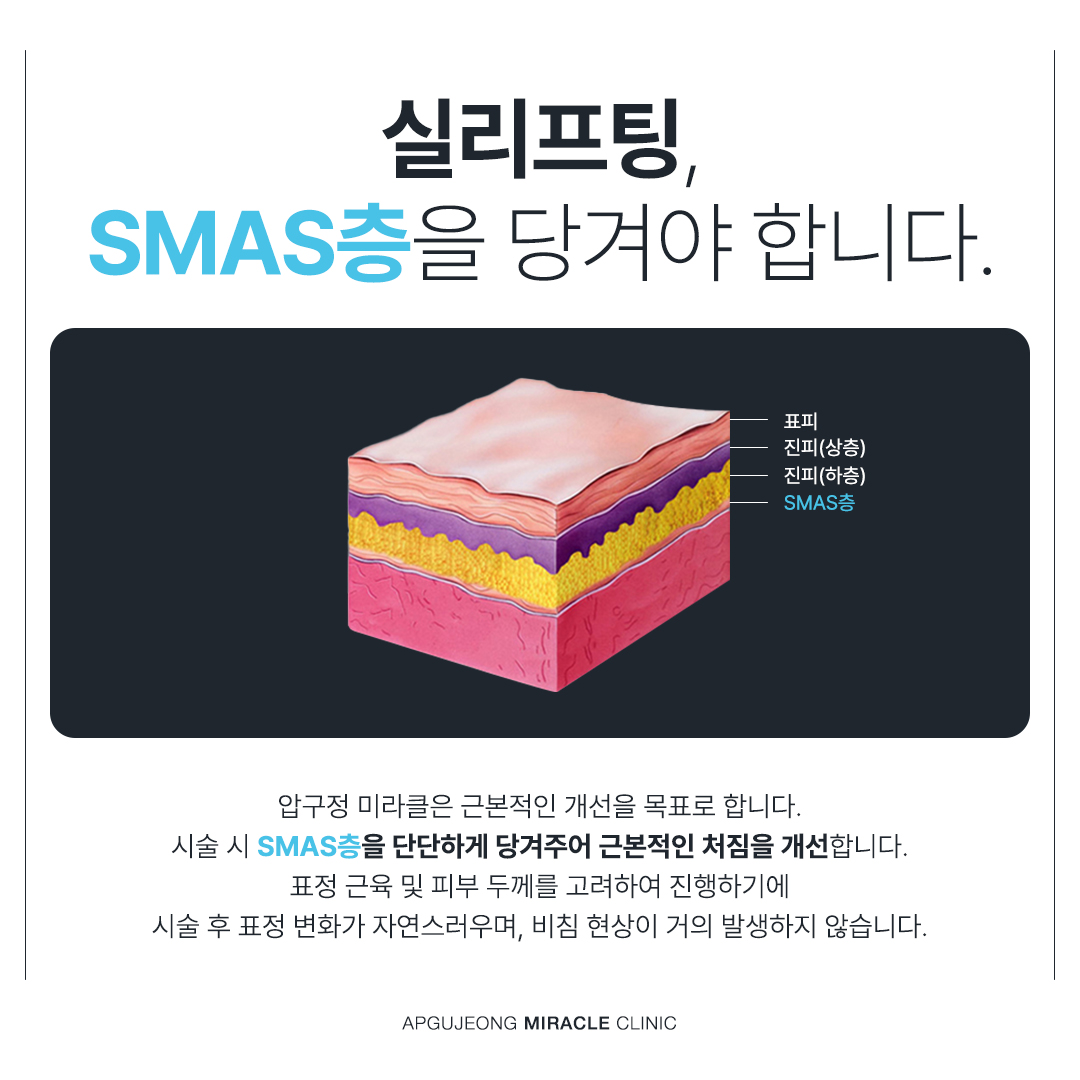
In such cases, a clinic that focuses on re-treatment and thread removal can evaluate whether it is better to remove problematic threads, add new threads, combine with device-based lifting, or wait longer before doing anything.
When thread removal or re-lifting may be considered
Thread removal may be considered if there is persistent discomfort, clear malposition of a thread, exposure of a thread through the skin, or an irregular contour that does not improve over time. Sometimes, partial removal or adjustment is enough; in other cases, more extensive correction is needed.
Re-lifting with new threads is usually considered when enough time has passed since the previous procedure and the main issue is loss of effect rather than a complication. The appropriate interval depends on the type of threads used before and your healing.
Importance of cautious planning
Re-treatment planning should be cautious. The doctor needs to understand what type of threads were used previously, how they were placed, and how your tissue has responded. Scar tissue or fibrosis from earlier procedures can affect how new threads behave.
Apgujeong Miracle Clinic presents itself as a dedicated thread removal and re-lifting clinic, meaning they are accustomed to seeing complex cases. However, as with any medical procedure, outcomes vary, and no specific result can be promised. A thorough face-to-face assessment is essential before deciding on re-treatment.
Consultation and planning process for overseas patients
Initial online consultation
For international patients, the process usually begins with an online consultation. You may be asked to send clear photos of your face from the front and sides, in good lighting, without heavy makeup. If you have had previous lifting, sharing any records, photos, or information about the type of threads or devices used can be very helpful.
During this stage, you can describe your main concerns, such as sagging cheeks, jowls, or dissatisfaction with a previous procedure. The clinic can then suggest whether thread lifting, device-based lifting, or a combination seems appropriate, and give you an approximate treatment plan and timeline.
In-clinic consultation
Once you arrive in Seoul, an in-person consultation confirms and refines the plan. This usually includes a medical history review, facial analysis, and discussion of your previous procedures if any. You can review different thread options like Mint, Silhouette Soft, Ultra V, and others, as well as Ulthera, Shurink, or Doublo if combination treatment is considered.
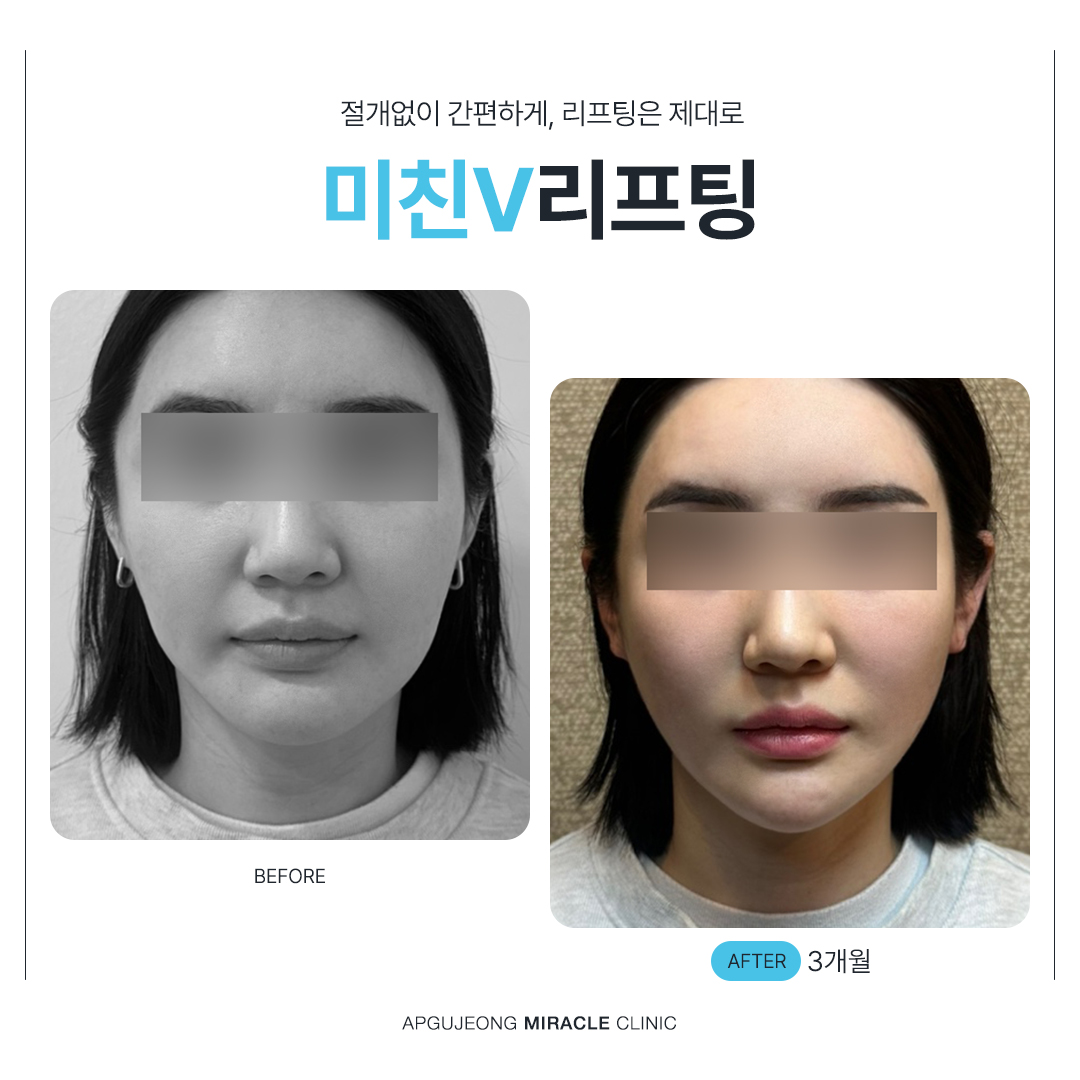
The doctor should explain the expected course, possible side effects, and realistic range of improvement. It is important to understand that thread lifting can improve sagging but does not stop aging or completely replace surgical lifting in severe cases.
Treatment day
In many cases, thread lifting and device-based lifting can be done on the same day as the consultation, especially for overseas patients who have limited time. Local anesthesia is typically used for thread insertion, and the procedure time depends on how many areas are treated.
After the procedure, you may experience swelling, tightness, or mild bruising, so planning a quiet evening and the following day with minimal social commitments is advisable.
Combination with contouring and anti-aging treatments
Some patients benefit from combining thread lifting with other contouring or anti-aging methods. For example, if jowls are partly caused by excess fat, facial liposuction or contour injections may be discussed as additional options to refine the jawline.
Body lifting procedures can be considered separately for those interested in overall contouring, but these are not the main focus of a facial lifting visit.
These combination plans are individualized. Not everyone needs or is suitable for multiple procedures, and each added treatment has its own risks, costs, and recovery considerations.
Safety, side effects, and aftercare
Common temporary reactions
After thread lifting, it is common to experience temporary swelling, bruising, mild pain, or a feeling of tightness or pulling along the thread paths. Some people notice temporary asymmetry or dimpling of the skin in the first days as the tissues adjust.
These reactions usually improve gradually, but the exact timeline varies. Device-based lifting like Ulthera, Shurink, or Doublo can cause temporary redness, mild swelling, or tenderness in the treated areas.
Possible complications
As with any procedure, complications can occur. These may include infection, thread exposure through the skin, persistent dimpling, irregular contours, or unsatisfactory effect. Nerve irritation or prolonged pain is less common but possible.
If you notice increasing redness, warmth, severe pain, or any sign of thread coming through the skin, you should contact the clinic promptly. Early management can often prevent issues from worsening.
General aftercare tips
After thread lifting, you are usually advised to avoid strong facial massage, vigorous rubbing when washing, or excessive mouth opening for a certain period. Very intense exercise, saunas, or heavy alcohol intake may also be restricted for some days, depending on the clinic’s protocol.
Sleeping on your back with your head slightly elevated for the first few nights can help reduce swelling and avoid pressure on the treated areas. Follow-up visits are important to monitor healing and adjust aftercare instructions.
Because individual responses differ, you should follow the specific guidance given by your clinic rather than relying on generic timelines.
Choosing a lifting clinic in Sinsa-dong
Key criteria to consider
When choosing a lifting-focused clinic in Sinsa-dong, you may want to look at several points. These include the range of lifting options offered, including multiple thread systems and device-based lifting; experience with re-treatment and thread removal; and how clearly the staff explain the pros and cons of each method.
Access to real case materials such as photos and videos can help you understand the style and typical approaches of the clinic, while remembering that every face and result is individual. Apgujeong Miracle Clinic, for example, runs its own content channels with selfies, before–after style images, and videos for reference, without guaranteeing that new patients will have the same outcomes.
Location and opening hours
For convenience, location and opening hours matter, especially if you are fitting treatment into a short stay in Korea. Exact address details and operating hours can change, so confirm the clinic’s current address and hours on its official website or by contacting the clinic directly before you travel.
These hours can be practical for Gangnam residents, office workers, and overseas visitors who may schedule consultations around other activities.
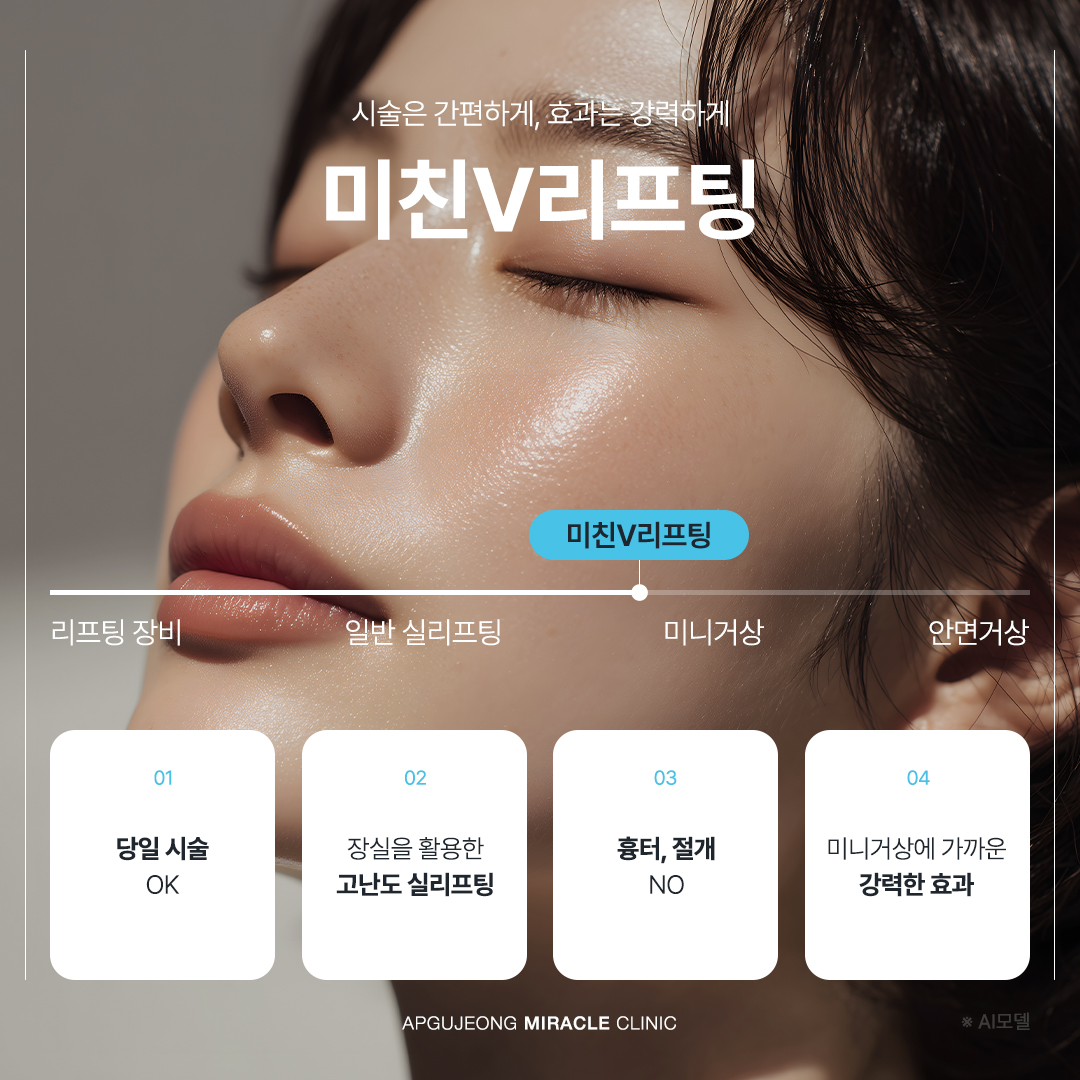
Doctor’s background and information sources
Clinics often provide practitioner profiles and background information on their official sites. Rather than relying on unsourced claims, ask the clinic for verifiable information—such as an official CV, publication list, or links to third-party coverage—and check those sources directly. If a specific media appearance or endorsement matters to you, request the original source or press link from the clinic.
These are factual media and website appearances that some overseas patients find reassuring when researching lifting options in Korea.
Regardless of the clinic you choose, it is wise to review available information, ask questions during consultation, and make sure you feel comfortable with the explanations before deciding on any procedure.
Who may consider thread lifting in Sinsa-dong
Thread lifting may be considered by adults who notice early to moderate sagging in the cheeks, jawline, or nasolabial folds and want a minimally invasive option. It can also be considered by people who have had previous lifting and want maintenance or correction, provided that their condition is carefully evaluated.
People with very thin skin, very heavy tissue, or severe sagging may not be ideal candidates for strong lifting with threads alone, and may need a different or combined approach. Those with certain medical conditions, bleeding disorders, or unrealistic expectations may be advised to avoid thread lifting.
A proper consultation is necessary to determine suitability. What works well for one person may not be appropriate for another, even if their concerns sound similar.
Preparing for your Korea visit
Online consultation and planning
Before booking flights, it is helpful to complete an online consultation with your chosen clinic. Prepare clear photos, a list of previous procedures and dates, and any relevant medical history such as medications, allergies, or chronic conditions.
You can also prepare a list of questions, such as which thread types they recommend for your case, whether they suggest combining with Ulthera, Shurink, or Doublo, expected downtime, and how many follow-up visits are needed.
Suggested visit timeline
While exact schedules vary, many overseas patients plan their visit roughly as follows:
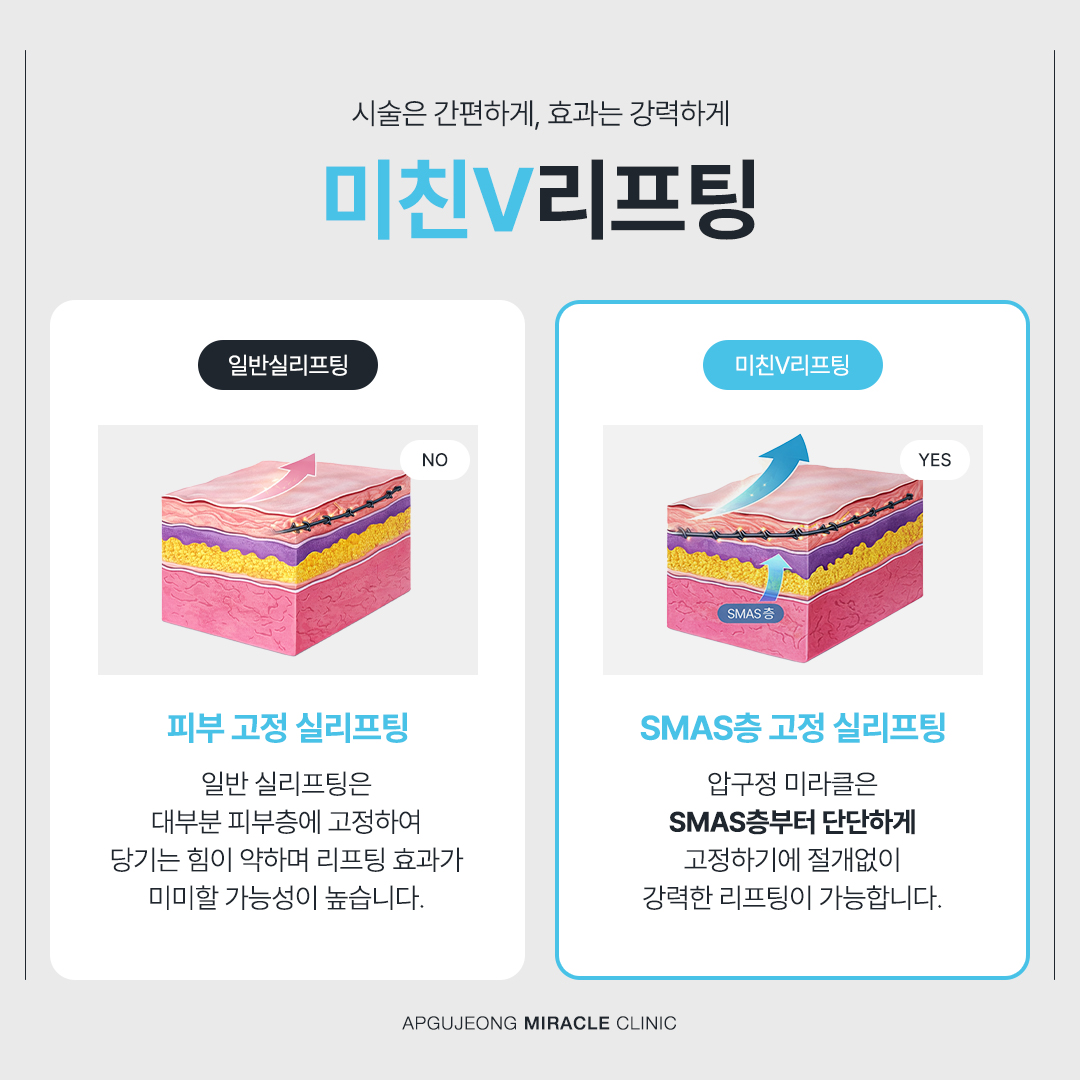
Day 1: In-person consultation, facial analysis, and if both sides agree, treatment on the same day.
Day 2 to 3: Rest, light sightseeing, and possible short follow-up check if recommended.
Day 4 to 7: Gradual improvement of swelling and bruising; you may feel more comfortable for photos and social activities.
If you are planning more extensive combination treatments, you may need a longer stay or additional visits. Always confirm the recommended schedule directly with the clinic.
Travel and practical tips
When booking accommodation, many patients choose to stay in Gangnam or nearby areas with easy access to Apgujeong Rodeo Station. It is also wise to avoid scheduling major events or important meetings immediately after your procedure, as early swelling or bruising can be unpredictable.
Bringing any regular medications, a list of allergies, and comfortable clothing that is easy to change in and out of can make your visit smoother.
Aftercare and returning home
Before you leave Korea, ask the clinic for written aftercare instructions in a language you understand, including what to avoid, what is considered normal during healing, and when to seek medical attention. Clarify how you can contact the clinic from overseas if you have questions later.
Many clinics can review follow-up photos sent by email or messaging apps, though this does not replace in-person care in your home country if a problem arises. If you experience significant pain, redness, or other worrying symptoms after returning home, you should seek local medical attention promptly.
Frequently asked questions
How long does thread lifting usually last
The duration of thread lifting effects varies widely. Many people notice improvement for several months to over a year, depending on the type of threads, number of threads, skin condition, and lifestyle factors. As the threads dissolve and natural aging continues, the lifting effect gradually softens. Some patients choose maintenance or repeat treatments at intervals recommended by their doctor.
Is thread lifting painful and how much downtime should I expect
During the procedure, local anesthesia is used to reduce pain. You may still feel pressure or pulling sensations as the threads are inserted and adjusted. Afterward, mild to moderate soreness, tightness, or tenderness is common for a few days. Swelling and bruising can last from several days to a couple of weeks, varying by individual and the extent of treatment. Most people can resume light daily activities within a day or two, but may prefer to wait longer before major social events.

Can thread lifting be combined with Ulthera, Shurink, or Doublo in one visit
In many cases, thread lifting can be combined with device-based lifting such as Ulthera, Shurink, or Doublo, either on the same day or in a staged plan. The exact sequence and timing depend on your skin condition, pain tolerance, and the clinic’s protocol. Combining methods may allow for both structural lifting and overall skin tightening, but also increases the amount of treatment in a short period, so careful planning is needed.
What should I ask during my consultation at a Sinsa-dong lifting clinic
Useful questions include which thread types and device-based options are suitable for your face, what kind of improvement is realistic in your case, how long the effect may last, and what side effects or complications you should watch for. If you have had previous lifting, ask how that may affect new threads or devices, and whether any thread removal is recommended. You can also ask about the number of follow-up visits, aftercare instructions, and how the clinic supports overseas patients after they return home.
Soft call to action for online consultation
If you are considering thread lifting or re-treatment in Sinsa-dong and want to compare different lifting options in one place, arranging an online consultation before your trip can be very helpful. Clinics such as Apgujeong Miracle Clinic near Apgujeong Rodeo Station can review your photos and previous treatment history, then suggest whether thread lifting, device-based lifting, or a combination may suit your situation.
By preparing your questions in advance and understanding the general process, you can use your time in Korea more efficiently and make more informed decisions about your lifting plan.





댓글
댓글 쓰기