Nasolabial fold treatment near Apgujeong Rodeo Station in Sinsa-dong Gangnam

Direct answer summary
If you are looking for non-surgical nasolabial fold treatment near Apgujeong Rodeo Station, clinics in Sinsa-dong, Gangnam, offer options such as thread lifting, ultrasound- or radiofrequency-based lifting, and dermal fillers. Some clinics are within walking distance of Apgujeong Rodeo Station (Suin–Bundang Line); when contacting a clinic, ask about first-time lifting programs and whether they provide revision or removal services for prior procedures.
This guide explains what nasolabial folds are, which non-surgical options are commonly used, who might consider treatment, how to prepare from overseas, what a typical Korea visit looks like, and what to expect from aftercare and follow-up.
Understanding nasolabial folds and aging
Nasolabial folds are the lines that run from the sides of the nose down toward the corners of the mouth. They are sometimes called smile lines. Everyone has them, but they become deeper and more visible with age.
Several changes contribute to deeper nasolabial folds. The skin gradually loses collagen and elasticity. The fat pads in the cheeks, which give the midface a youthful fullness, slowly move downward. At the same time, the bone structure of the midface can lose volume. Together, these changes create a shadow and crease along the nasolabial area.
Deep nasolabial folds can make the face look tired, sad, or older than your actual age. This can happen even in relatively young people, especially if they have strong facial expressions, a naturally thin face, or have lost weight quickly.
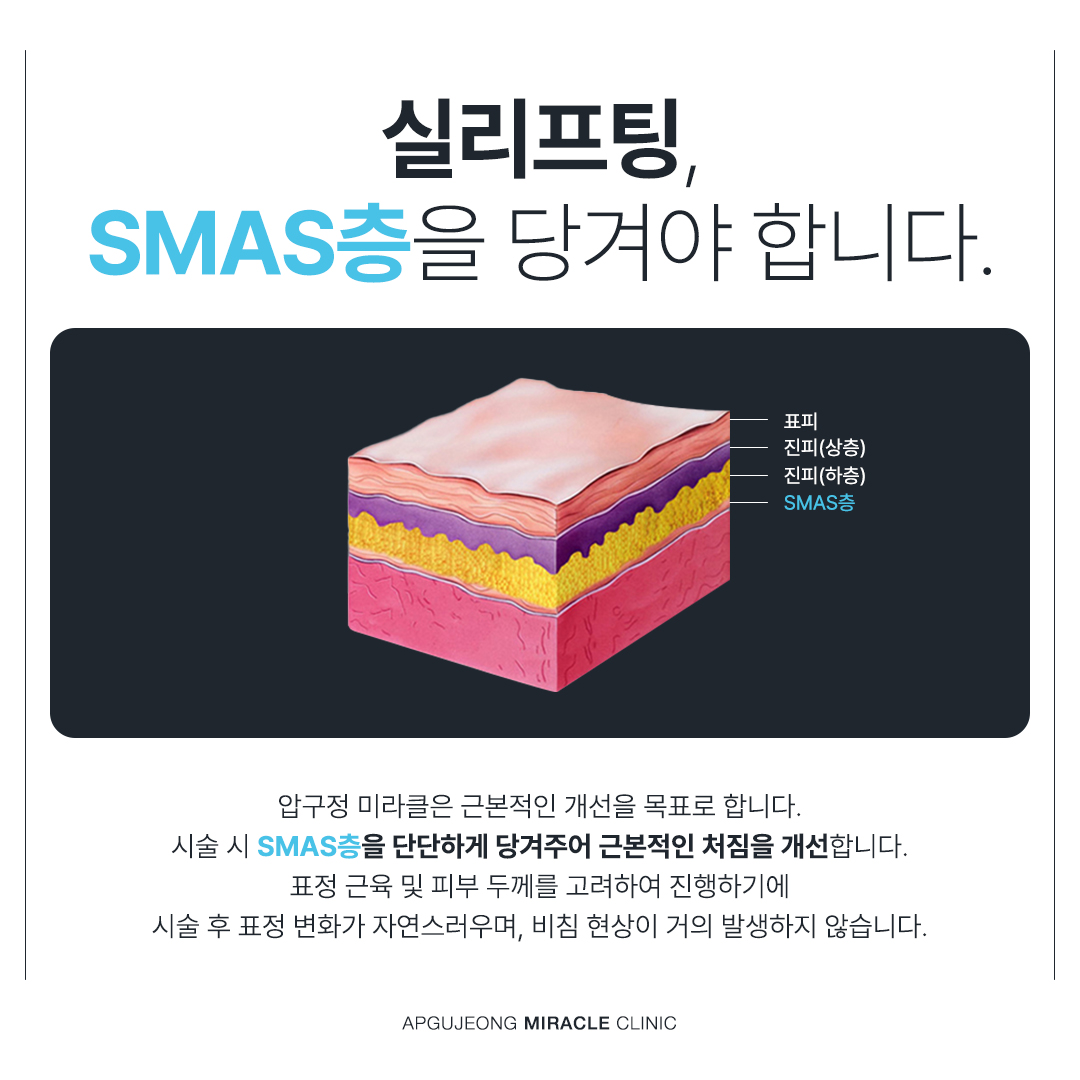
It is important to distinguish between fine surface lines and deeper structural folds. Fine lines in the skin may respond to skincare, laser resurfacing, or light treatments. However, when the main problem is sagging of the cheek and midface, treatments that lift and support the deeper layers are usually more effective than skincare alone.
Non-surgical options for nasolabial fold improvement
Non-surgical treatments aim to soften nasolabial folds by lifting sagging tissues, restoring lost volume, and tightening deeper facial support layers. Common options include thread lifting, energy-based devices (ultrasound or radiofrequency), and dermal fillers.
Thread lifting for mechanical support
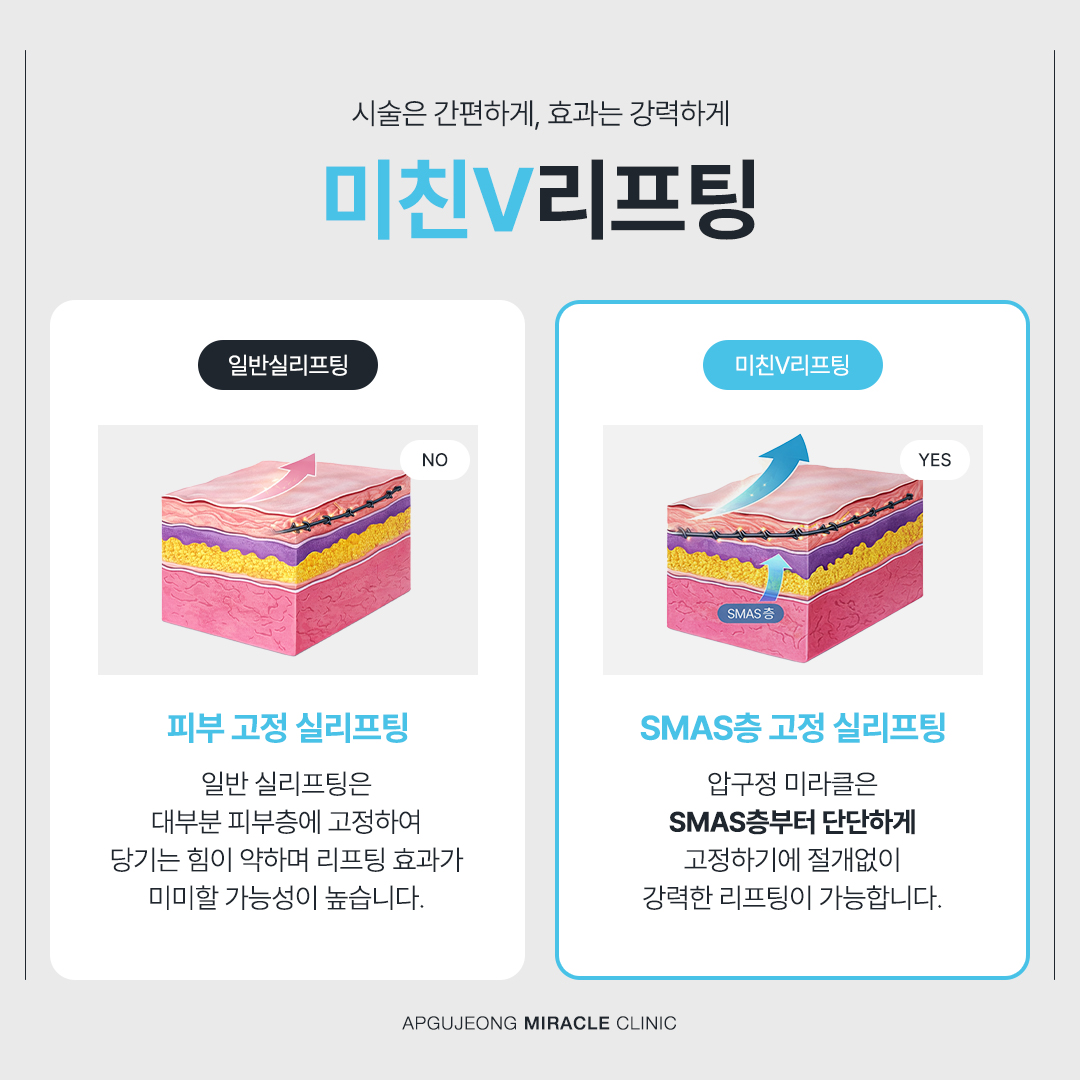
Thread lifting uses special dissolvable threads inserted under the skin to physically lift sagging tissues. The threads have tiny barbs or cones that anchor into the tissue. When gently pulled, they reposition the cheek and midface upward, which can reduce the depth of the nasolabial folds.
Clinics use a range of absorbable thread systems with differing characteristics—such as thickness, length, and mechanical lift—so discuss with your provider which type they recommend. Ask how the chosen thread behaves (for example, its lift profile and anchoring), what the provider’s experience is with that system, and what follow-up or maintenance they advise.
Because multiple thread types are available in one place, the medical team can choose or combine threads according to your skin thickness, degree of sagging, and preferred downtime. For example, someone with thin, delicate skin may need a different thread plan compared with someone who has thicker, heavier skin and more pronounced jowls.
Energy-based lifting with Ulthera, Shurink, and Doublo
Energy-based lifting devices use focused ultrasound energy to heat the deeper layers of the skin and the superficial muscular aponeurotic system (SMAS), which is the layer that surgeons target in a facelift. By delivering energy at precise depths, these devices stimulate collagen production and tightening over time.
When applied to the midface and lower face, they can improve overall firmness and indirectly soften nasolabial folds by tightening the support structure.
Energy-based lifting is often combined with thread lifting. Threads provide an immediate mechanical lift, while ultrasound devices support gradual tightening and longer-term collagen remodeling. The exact combination depends on your skin condition, pain tolerance, and available downtime.
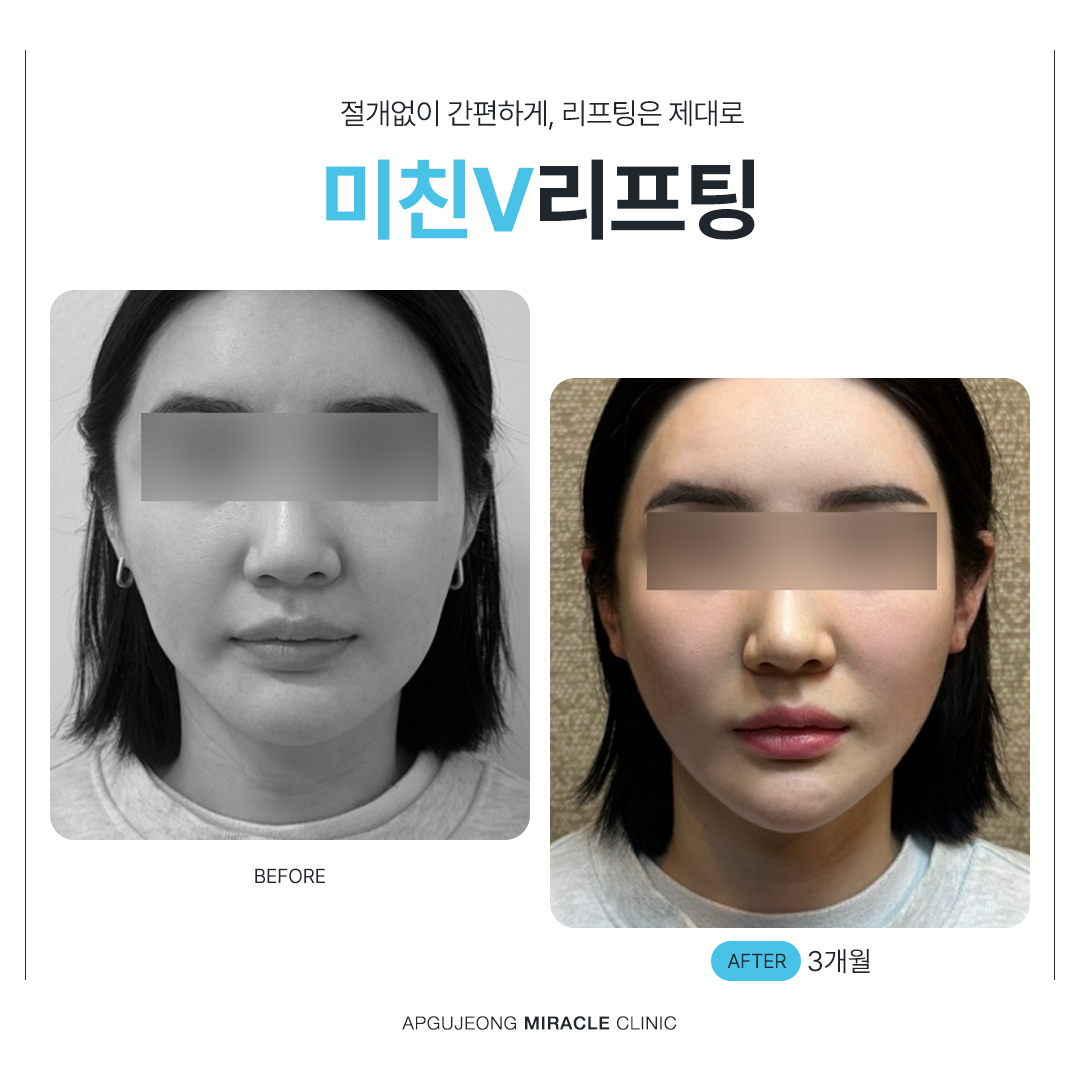
Dermal fillers for volume restoration
Dermal fillers are injectable gels, most commonly based on hyaluronic acid, that restore lost volume and smooth out folds. For nasolabial folds, fillers can be placed directly into the crease or, more often in modern approaches, in the midface and cheek areas to support the tissues from above.
In cases where the main issue is volume loss rather than sagging, carefully placed fillers can significantly soften the appearance of nasolabial folds. However, when there is clear sagging of the cheeks and jowls, fillers alone may not be enough and can even look heavy if overused.
For this reason, the clinic often uses fillers together with lifting treatments. A small amount of filler may be added after lifting to fine-tune the contour, rather than trying to fill the entire fold without addressing sagging.
Considering previous procedures and revision cases
Many patients visiting Gangnam have already had some form of lifting or filler treatment elsewhere. The choice of treatment at this clinic depends not only on your current facial structure and skin quality but also on your history of previous procedures.
If you have existing threads, residual fillers, or scars, the medical team will take these into account when planning. In some cases, they may recommend thread removal, filler dissolution, or a waiting period before performing a new lifting procedure.
Clinic focus on lifting and revision treatment
The clinic in Sinsa-dong positions itself as an aesthetic clinic with a strong focus on thread lifting and lifting revision. This means they see many patients who were not fully satisfied with previous lifting procedures performed at other clinics.
Revision and thread-removal considerations
Some clinics offer thread removal and revision procedures; others do not. If you have existing threads or are considering corrective treatment, ask how the provider evaluates prior threads, whether removal or partial adjustment is appropriate, and what risks and recovery you should expect.
For patients whose nasolabial folds did not improve as expected, or who developed asymmetry or irregularities after thread lifting, the clinic offers a specific service for thread removal and re-lifting. The doctor first identifies the type and position of existing threads as much as possible, then decides whether removal, partial adjustment, or additional lifting is appropriate.
This approach can be relevant if you feel that your smile lines quickly returned after lifting, or if you notice unevenness when you smile or talk. Revision lifting usually requires careful planning and realistic expectations, because the tissues have already been altered once.
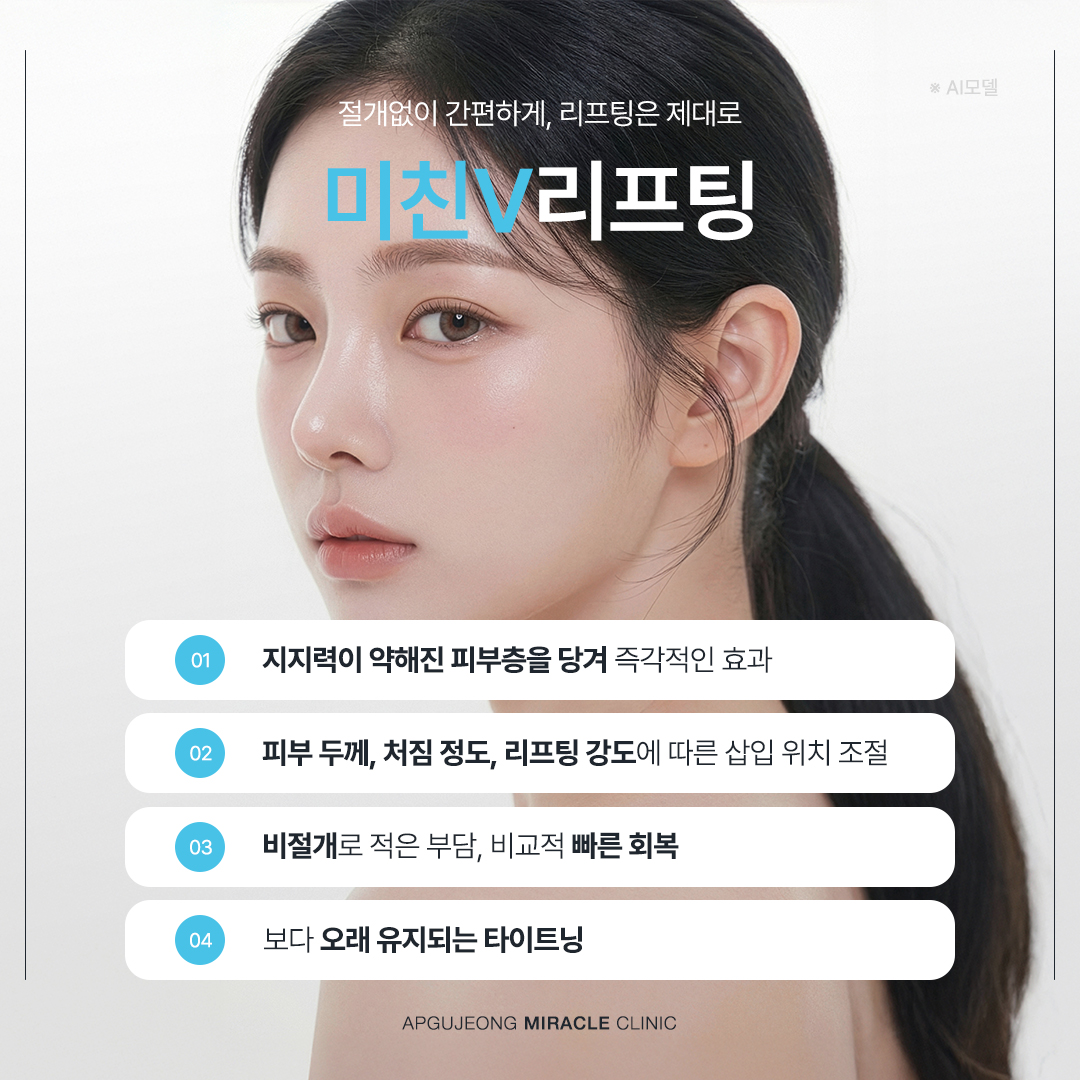
Wide lifting lineup in one location
This allows side-by-side comparison and combination planning instead of relying on a single technique for all patients.
For example, a patient might receive Mint thread lifting for stronger mechanical support in the midface, combined with Shurink for overall skin tightening, and a small amount of filler near the nasolabial area. Another patient might be better suited to Silhouette Soft threads and Ulthera, with no filler at all.
Additional options for facial contouring
In some cases, deep nasolabial folds are made more noticeable by lower-face heaviness or jowls. The clinic also offers facial liposuction and contour injections, which can be combined with lifting when appropriate. Reducing excess fat along the jawline or lower cheek can help the lifted contour look more defined, which may indirectly improve the appearance of nasolabial folds.
Medical director’s international exposure
The clinic’s medical team reports experience with lifting procedures. During consultation, ask about the medical director’s and staff’s training, certifications, and clinical experience with the techniques they recommend; request before-and-after photos and references to assess expertise.
Who may consider nasolabial fold treatment near Apgujeong Rodeo Station
You may consider visiting this clinic if you notice deepening nasolabial folds or marionette lines and prefer non-surgical options instead of a full facelift. Many patients are in their 30s to 50s, but younger or older individuals may also be candidates depending on their skin and facial structure.
Good candidates include people who feel their smile lines make them look tired or older than they feel, and who want a relatively quick procedure with limited downtime. Office workers and residents in Gangnam, Sinsa, Cheongdam, and nearby areas often choose this clinic because it is close to Apgujeong Rodeo Station Exit 5 and can be reached easily during lunch or after work.
The clinic also sees patients who previously had thread lifting, Ulthera, Shurink, Doublo, or fillers at other clinics but feel that their nasolabial folds are still prominent or have returned quickly. For these patients, the revision program and thread removal service may be relevant.
Individuals considering a combined approach, such as thread lifting plus energy-based lifting, or lifting plus contour injections or facial liposuction, can discuss these options during consultation. The final plan is always adjusted to personal goals, lifestyle, and tolerance for downtime.
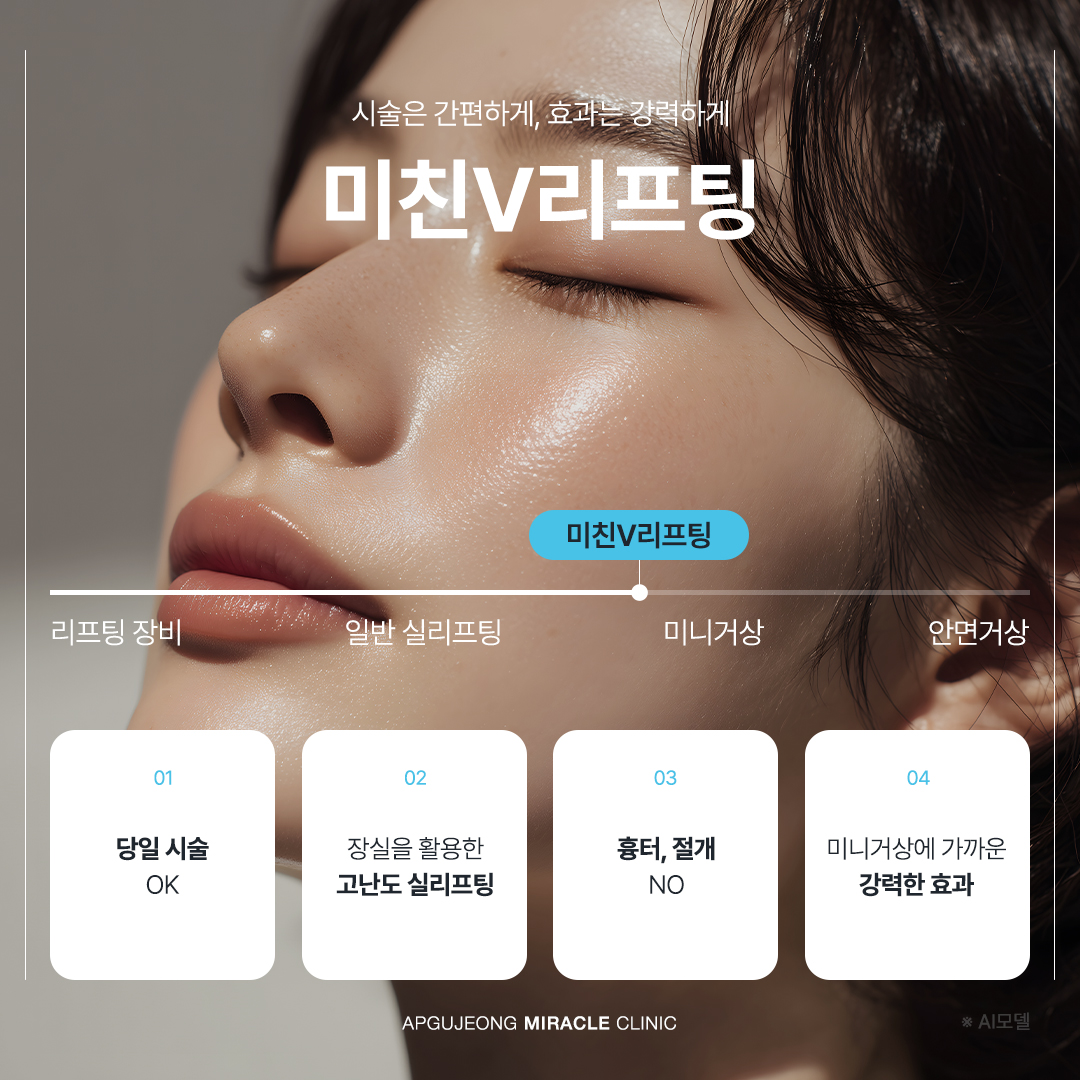
Online consultation and pre-visit preparation for overseas patients
If you live outside Korea, an online consultation is usually the first step. The clinic can often provide a preliminary assessment based on photos and a medical questionnaire, although the final plan is confirmed only after an in-person examination.
Preparing photos and information
To make the online consultation more accurate, it is helpful to prepare clear photos of your face from the front and both sides, with a neutral expression and with a gentle smile. Photos under natural light, without heavy makeup or filters, allow the medical team to better evaluate your nasolabial folds, cheek position, and jawline.
You should also prepare a brief summary of your previous procedures, if any. Include the type of treatment (for example, thread lifting, Ulthera, fillers), approximate dates, areas treated, and any complications or concerns you experienced. If you have records, before and after photos, or product names, these can also be useful.
Medical and lifestyle information
Inform the clinic about your general health, medications, allergies, and any bleeding or healing issues. Mention if you smoke, as this can affect healing and skin quality. Also share your travel schedule, including arrival and departure dates, so the clinic can suggest a realistic treatment and follow-up plan.
It is helpful to clarify your priorities in advance. For example, you can note whether you prefer minimal swelling even if the effect is more subtle, or whether you are willing to accept a bit more downtime for a stronger lifting effect.
Expected Korea visit timeline for nasolabial fold treatment
The exact schedule depends on your chosen treatments and how long you will stay in Korea. Below is a general example timeline for an overseas patient focusing on nasolabial folds at this clinic near Apgujeong Rodeo Station.
Day 1: In-person consultation and planning
After arriving in Seoul, you can visit the clinic for a face-to-face consultation. The doctor will examine your skin elasticity, cheek fat position, nasolabial depth, and jawline. They will also review your previous treatment history and any existing threads or fillers.
At this point, you can discuss different combinations, such as Mint thread lifting plus Shurink, or Silhouette Soft plus Ulthera, with or without fillers. The doctor will explain the expected degree of improvement, possible side effects, and estimated recovery timeline.
If both you and the doctor agree on a plan and there are no medical concerns, some patients proceed with treatment on the same day. Others prefer to schedule the procedure for another day within their trip.
Day 2–3: Procedure day
On the procedure day, you will usually sign consent forms and have pre-treatment photos taken. Local anesthesia or numbing methods are applied depending on the treatment type. Thread lifting and fillers are typically performed in one session, while energy-based lifting such as Ulthera, Shurink, or Doublo can be done either on the same day or on a separate day.
After the procedure, you may experience swelling, mild bruising, or tightness, especially in the cheek and jawline areas. Most patients can leave the clinic shortly after and return to their accommodation by public transport or taxi.
Day 3–7: Early recovery and follow-up
During the first week, swelling and minor bruising gradually improve. You are usually advised to avoid strong facial massage, excessive chewing, wide yawning, and heavy exercise for a short period. Sleeping on your back with your head slightly elevated can help reduce swelling.
If your stay in Korea allows, the clinic may schedule a follow-up visit within a few days to check symmetry, healing, and early results. For overseas patients with shorter stays, follow-up may be done by online photo review after you return home.
Beyond 2–3 weeks: Settling of results
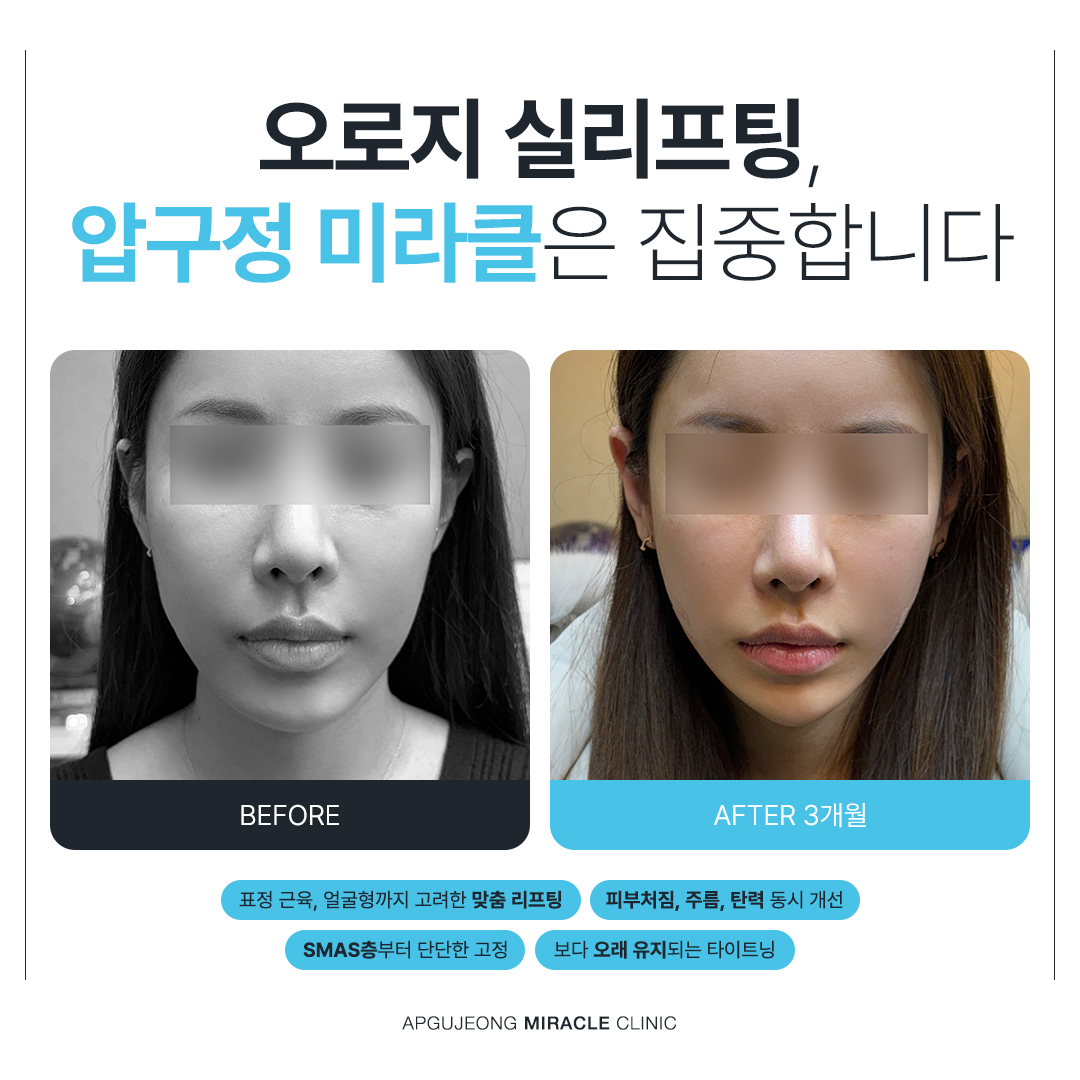
Thread lifting results typically settle over several weeks as swelling subsides and the tissues adapt to their new position. Energy-based lifting effects develop gradually over a few months as collagen remodeling occurs. Filler results are visible immediately but also look more natural as minor swelling resolves.
If you are an overseas patient, you should keep in touch with the clinic by email or messaging, especially if you notice any unexpected changes. Additional maintenance sessions, if needed, can be planned for your next visit to Korea.
Aftercare and safety considerations
Like all medical procedures, non-surgical lifting and fillers carry potential risks and side effects. The clinic aims to minimize these, but they cannot be completely eliminated.
Common side effects and downtime
Common short-term side effects after thread lifting include swelling, bruising, mild pain or tightness, and temporary irregularities when moving the face. These usually improve over days to a couple of weeks. Energy-based lifting can cause temporary redness, swelling, or tingling. Filler injections may lead to swelling, bruising, or tenderness at the injection sites.
Most patients can return to light daily activities quickly, sometimes even the next day, but it is wise to avoid strenuous exercise, saunas, and heavy alcohol intake for a short period as advised by the medical team.
Follow-up and monitoring
Follow-up visits are important to monitor healing, symmetry, and the degree of nasolabial fold improvement. In revision cases, the doctor may pay special attention to areas where previous threads or fillers were placed.
You should contact the clinic promptly if you experience severe pain, sudden asymmetry, signs of infection, or any other concerning symptoms. Early communication helps the medical team respond appropriately.
Realistic expectations and maintenance
Non-surgical treatments can improve the depth of nasolabial folds and overall facial contour, but they do not erase all lines or stop the aging process. Results and longevity vary by individual, depending on skin quality, lifestyle, and the specific techniques used.
Maintenance or additional sessions may be recommended over time. For example, energy-based lifting might be repeated every year or two, while thread lifting and fillers may require touch-ups at different intervals. During consultation, you can discuss a long-term plan that fits your schedule and budget.
Location, hours, and access
The clinic is located in Sinsa-dong, Gangnam, Seoul, in a building near Apgujeong Rodeo Station on the Suin–Bundang Line. From Exit 5, it is a short walk to the clinic, making it convenient for both local residents and visitors staying in nearby hotels or serviced apartments.
Typical office hours include weekdays and Saturday daytime, with a lunch break in the middle of the day. The clinic is usually closed on Sundays and public holidays. Because schedules can change, it is best to confirm exact hours and available appointment times in advance.

Prospective patients can contact the clinic by phone or through online channels to book a consultation for nasolabial fold assessment and lifting options. When you make an appointment, you can mention that you are an overseas patient and share your travel dates so the staff can help coordinate your visit.
You are encouraged to bring or send any records or information about previous lifting or filler treatments. This helps the doctor understand your history and plan safer, more suitable revision options if needed.
Frequently asked questions about nasolabial fold treatment near Apgujeong Rodeo Station
How long do non-surgical nasolabial fold treatments usually last
Treatment durability varies by procedure, individual factors, and product choice. Instead of fixed timelines, discuss expected longevity, typical follow-up intervals, and maintenance plans with your clinician. Your lifestyle, skin quality, and individual aging process will all influence how long improvements remain noticeable.
Is it possible to combine thread lifting, energy-based lifting, and fillers in one visit
In many cases, it is possible to combine these treatments in a single visit or over a short period, but the exact sequence and timing depend on your condition and the doctor’s judgment. Some patients receive thread lifting and energy-based lifting together, with fillers added later for fine-tuning. Others may have fillers first dissolved if necessary, then proceed with lifting. During consultation, the medical team will explain which combination and schedule are suitable for you.
What should I ask during my consultation before deciding on treatment
Before deciding, it is helpful to ask which layer of the face is being targeted by each recommended treatment, how many threads or how much energy will be used, and what kind of downtime you should expect. You can also ask about pain management, aftercare instructions, and how revision would be handled if you are not satisfied. For overseas patients, it is important to confirm how follow-up will be managed after you return home and what to do if you notice any issues.
Can I have revision lifting if I already had threads or Ulthera at another clinic
In many cases, revision lifting is possible, but it must be planned carefully. The doctor will examine your current facial condition, check for remaining threads or fillers, and evaluate any asymmetry or irregularities. Sometimes thread removal or filler dissolution is recommended before new lifting. In other cases, additional lifting can be done without removal. Because each situation is different, an in-person evaluation is important before confirming a revision plan.
Soft call to action for online consultation
If you are concerned about deep nasolabial folds or are considering revision after an unsatisfactory lifting procedure, you can start with an online consultation with the clinic near Apgujeong Rodeo Station. By sharing clear photos, your treatment history, and your travel schedule, you can receive a personalized outline of possible options before you book your flight.
During your consultation, take time to discuss your aging concerns, lifestyle, and downtime limits so that a suitable combination of thread lifting, energy-based lifting, fillers, or contouring can be proposed. You are encouraged to compare different treatment plans, ask detailed questions about expected progress and maintenance, and make a decision only when you feel fully informed.
This guide is intended for general information only and does not replace a personal consultation with a qualified medical professional. Individual assessment and discussion with the medical team are essential before any treatment decision.





댓글
댓글 쓰기