Nasolabial fold thread lift cost and options in Gangnam
- 공유 링크 만들기
- X
- 이메일
- 기타 앱
For overseas patients comparing nasolabial fold thread lift cost in Korea, it is important to know that there is no single fixed price. The fee usually depends on the type of thread, the number of threads, whether only the laugh lines are treated or the whole midface and lower face, and whether it is a first-time lift or a revision after a previous procedure.
During consultation, you can compare several lifting methods and combinations, and receive a quote that matches your degree of sagging, skin quality, and previous treatment history.
What is a nasolabial fold thread lift?
Nasolabial folds are the lines that run from the sides of the nose down toward the corners of the mouth, often called laugh lines or smile lines. As the midface sags with age, these folds deepen and can make the face look tired or older.
A nasolabial fold thread lift is a minimally invasive procedure in which medical threads are placed under the skin to support and lift tissues that contribute to nasolabial folds. Threads are inserted through small entry points using fine cannulas or needles and provide a mechanical lift to sagging tissue. Some clinicians report that certain thread types may promote collagen remodeling in some patients over time, but results can vary.
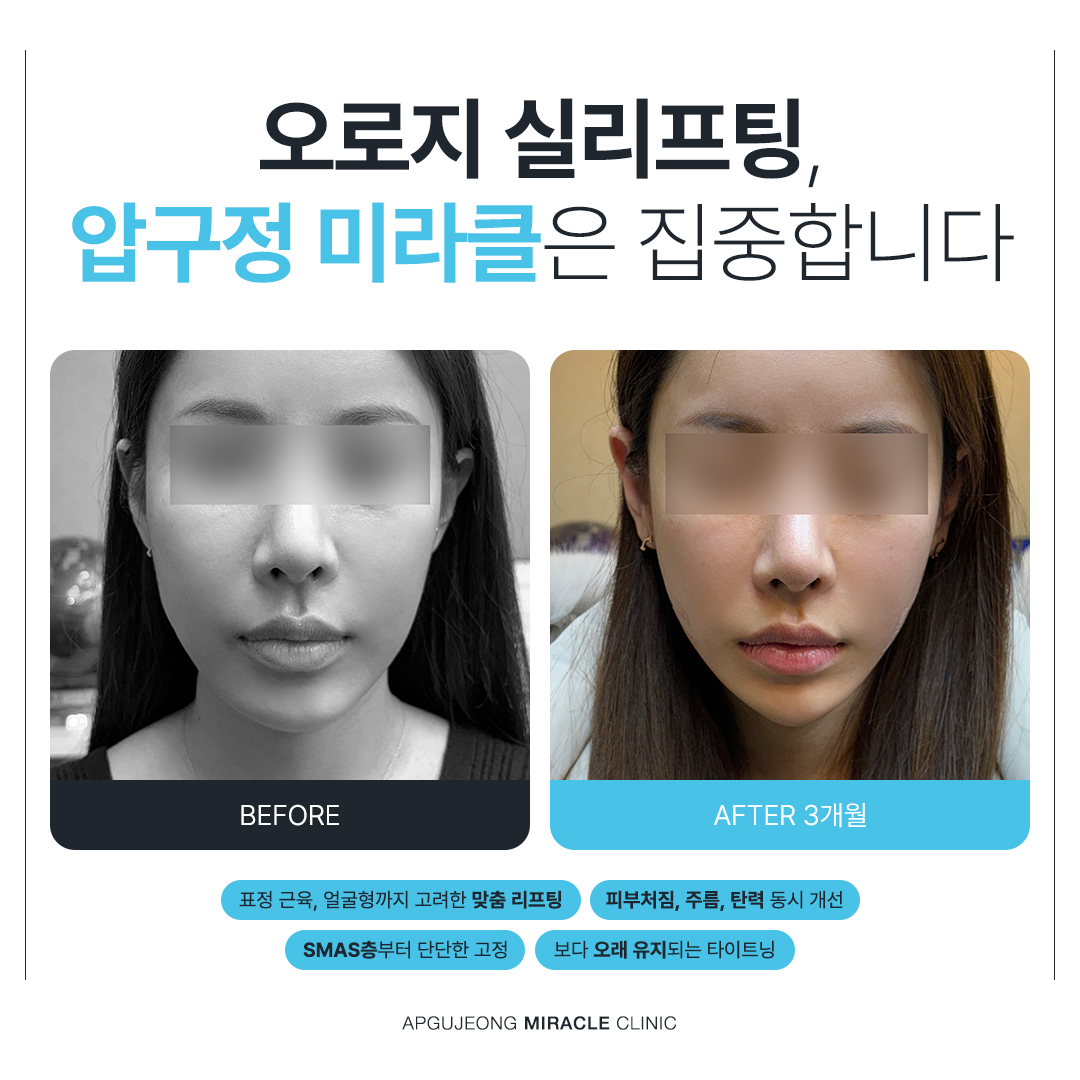
Compared with a surgical facelift, a thread lift uses local anesthesia, has smaller entry points, and usually involves shorter downtime. It is often chosen by people who want visible improvement in their laugh lines and midface without undergoing full surgery.
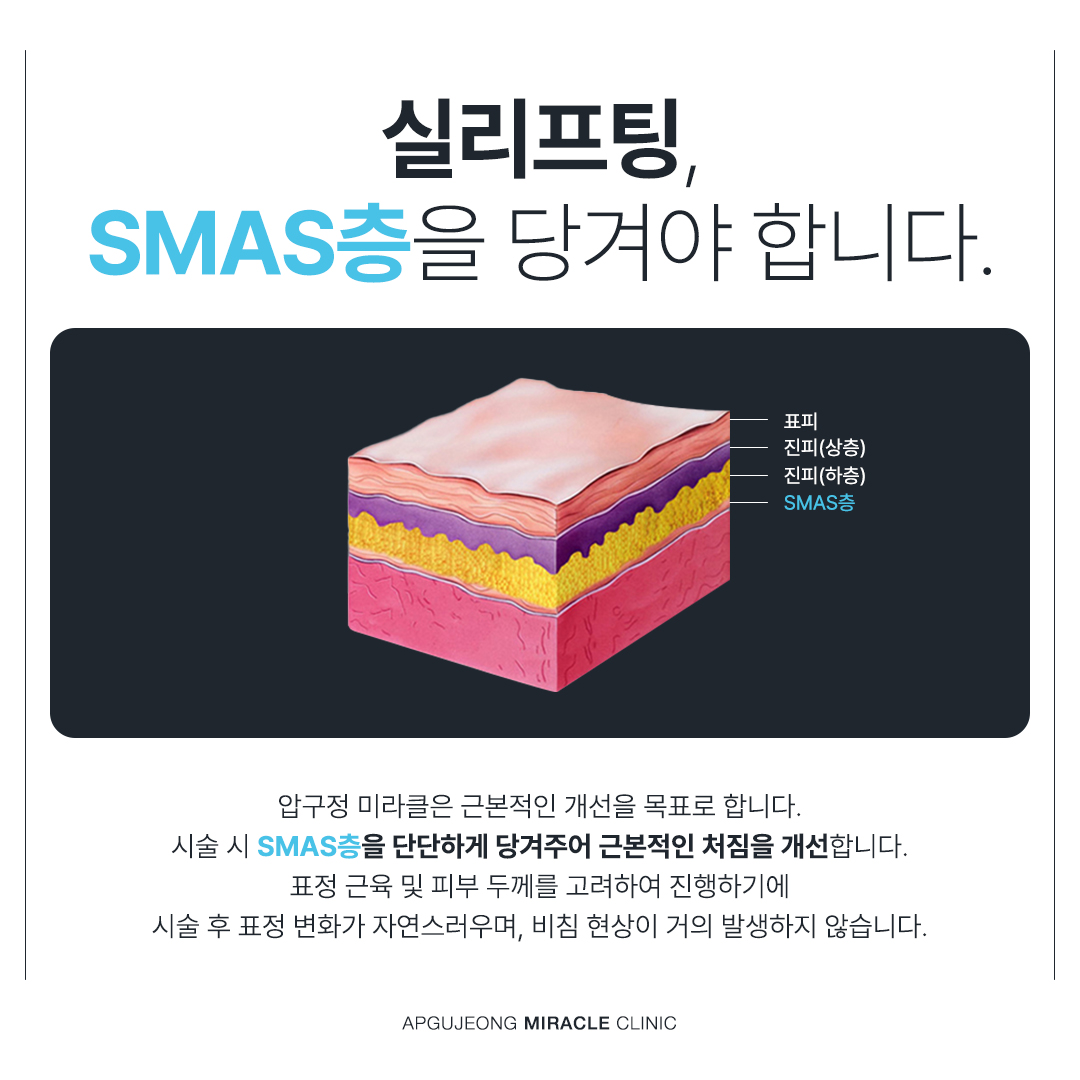
In many cases, a nasolabial thread lift is combined with other treatments. For example, ultrasound-based lifting devices can help tighten deeper layers, while facial liposuction or contour injections can adjust excess fat or volume around the mouth and cheeks. The right combination depends on whether your main issue is sagging, volume loss, or heaviness in the lower face.
How the cost of a nasolabial fold thread lift is decided
Rather than a single fixed price, clinics typically calculate the fee from several elements. Knowing the main cost factors (for example, thread type and number, the area treated, and whether other procedures are combined) will help you compare quotes more accurately.
Type of thread used
Different threads have different structures and costs. Some common categories include cog threads with barbs that hook and lift tissue, cone threads that use small cones for anchoring, and various long or short lifting threads designed for different layers and directions.
Premium imported brands often cost more than standard options, but the most expensive thread is not always necessary for every face. The doctor will usually choose thread types based on your skin thickness, degree of sagging, and whether you have had threads before.
Number of threads required
The deeper your folds and the more sagging in your midface, the more threads may be needed to create stable support. Thicker or heavier skin may also require additional threads.
A light early sagging case might need fewer threads focused around the nasolabial area, while a more advanced case may need multiple vectors from the cheek, midface, and even jawline to support the laugh lines. Each extra thread or vector can influence the total cost.
Treatment area: only folds or full lower face
Some patients request treatment only for the nasolabial folds. Others have combined concerns such as marionette lines, jowls, and a blurred jawline. Treating only the folds usually involves fewer threads and shorter procedure time.
However, if the main cause of your laugh lines is overall midface descent, the doctor may suggest combining nasolabial threads with midface or jawline lifting. This can increase cost but may give a more balanced result, because the tissues above and below the folds are supported together.
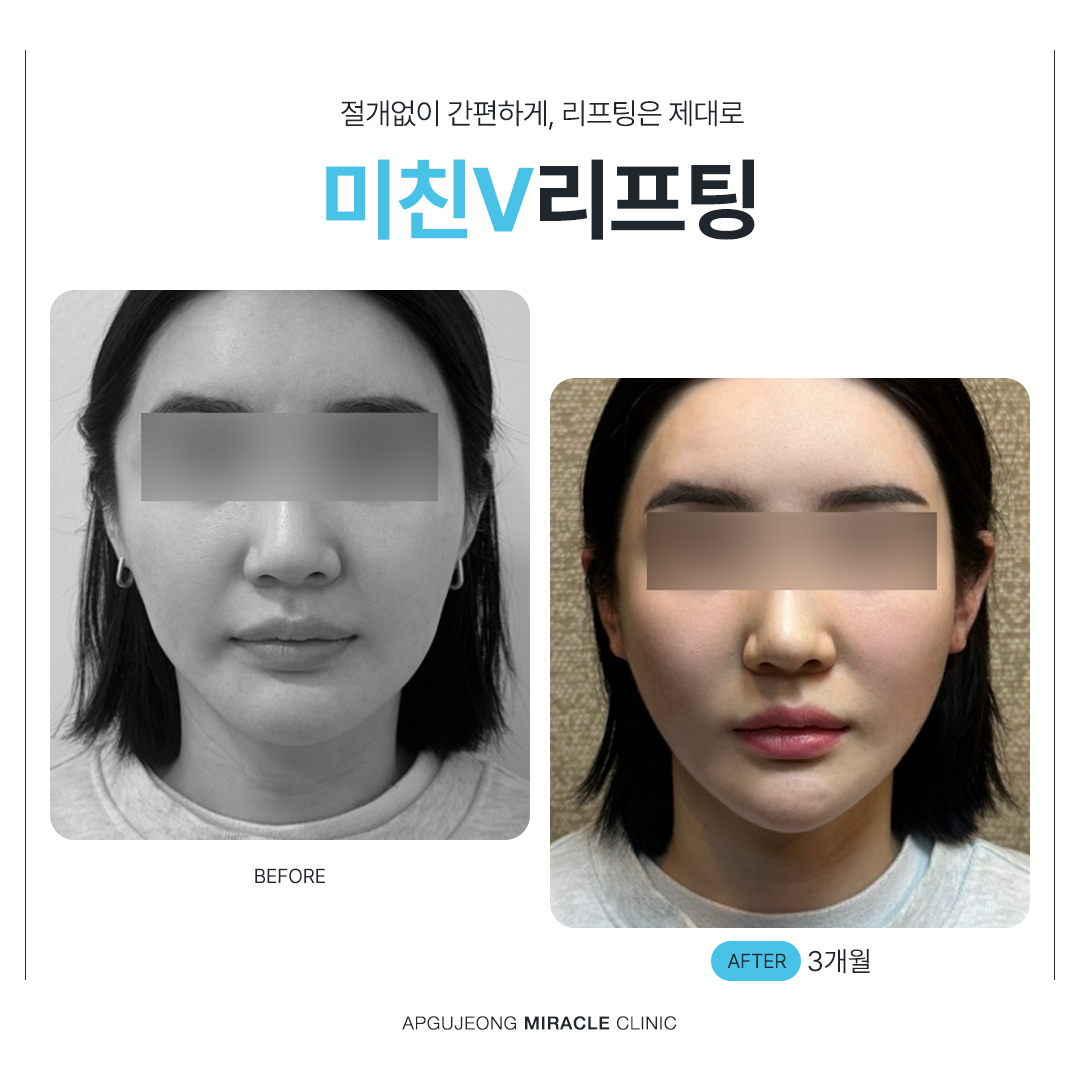
First-time lift versus revision lift
Whether you are having a thread lift for the first time or as a revision after previous lifting also affects the plan and fee.
First-time nasolabial thread lift
For a first-time lift, the doctor can design thread directions and depths more freely according to your natural sagging pattern. The main focus is to analyze where the tissue has dropped, mark lifting vectors, and place threads in stable layers.
This is usually more straightforward than revision work. The cost is mainly determined by the type and number of threads and whether other devices or treatments are added.
Revision thread lift after previous procedures
This clinic also treats patients who are not satisfied with previous lifting done elsewhere. In revision cases, the doctor must first check for remaining threads, scar tissue, and any asymmetry from earlier treatments.
Sometimes old threads may need to be removed, adjusted, or carefully avoided. Scar tissue can change how new threads move and hold. This extra analysis and technical work can make revision cases more complex than first-time lifts.
Because of this, revision thread lifts may involve more planning time, different thread choices, and sometimes additional steps, all of which can influence the overall cost. Realistic goal setting is especially important for patients who have already had lifting procedures.
Combination treatments and their impact on cost
Thread lifting for nasolabial folds can be combined with several other treatments, depending on what is causing your laugh lines.
Ultrasound or radiofrequency lifting
If your main problem is skin laxity and mild sagging, energy-based devices such as ultrasound lifting or radiofrequency lifting can be combined with threads. These devices target deeper layers to tighten collagen and support the effect of the threads.
Adding such devices usually increases the total fee, but in some cases it allows the doctor to use fewer threads or achieve a more natural, gradual improvement.

Facial liposuction and contour injections
For heavy lower faces with excess fat around the cheeks and jowls, facial liposuction can reduce weight pulling the folds downward. Contour injections can then fine-tune volume in areas that appear hollow or imbalanced.
When these are combined with nasolabial thread lifting, the cost reflects each component: liposuction, threads, and injections. The benefit is that sagging, volume, and heaviness can be addressed together in one plan.
Why an in-person consultation is essential for accurate pricing
Because so many elements affect cost, most clinics in Gangnam will not give an exact nasolabial fold thread lift price without seeing you in person. Photos and online messages are useful for initial guidance, but they cannot fully show skin elasticity, fat distribution, or the presence of old threads and fillers.
During consultation, the doctor will usually check your skin laxity, facial fat, bone structure, and any previous procedures. This helps avoid overtreatment, which can look unnatural and cost more than necessary, as well as undertreatment, which may leave you disappointed.
At this clinic, the consultation is also a chance to compare multiple lifting methods in one place, rather than being directed to a single device or one standard thread package.
Who is a good candidate for nasolabial fold thread lifting?
Typical candidates for nasolabial thread lifting include people in their 30s to 50s who notice visible laugh lines mainly due to sagging midface tissue, not only volume loss. If fillers alone make your midface look puffy or heavy, threads may be considered as an alternative or complement.
Many patients choose this option when they want a noticeable but non-surgical improvement with relatively short downtime. It can also be suitable for those who have tried lifting or threads before and felt the effect was weak, uneven, or short-lived, and now want a more customized revision plan.
Who might need a different or combined approach
Some people have very deep folds due to bone structure or severe skin laxity. In such cases, threads alone may not be enough, and a more extensive lifting strategy or additional volume support may be recommended.
If you have heavy lower-face fat, facial liposuction or contour injections together with threads may give a more balanced result by both lightening and lifting the area. The doctor will explain which elements are most important for your face after examining you.
Clinic focus and treatment lineup
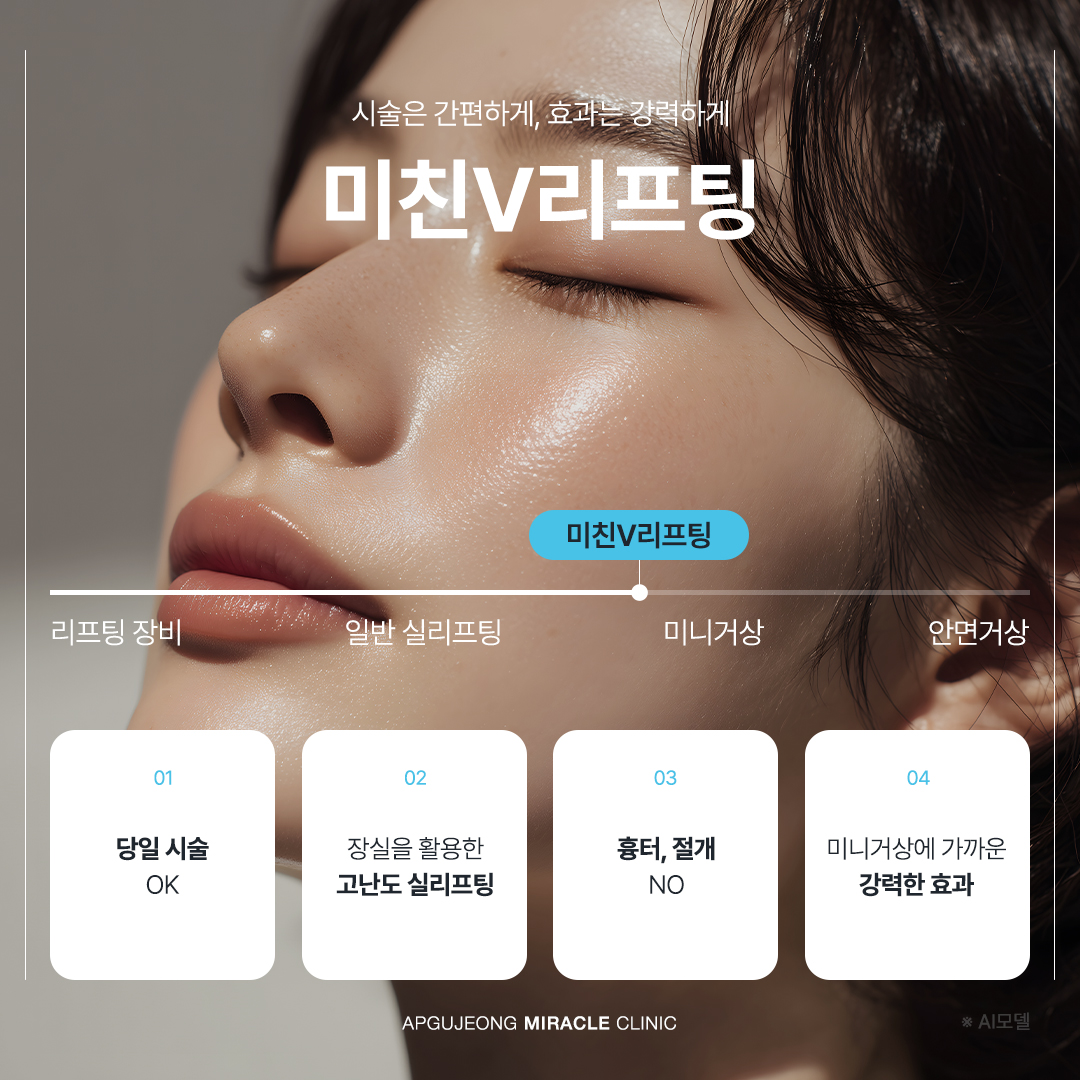
This clinic in Sinsa-dong, Gangnam focuses on thread lifting and lifting revision. It offers multiple types of thread lifts along with device-based lifting such as ultrasound and high-intensity focused treatments.
Because several lifting methods are available in one place, patients can compare different approaches and combinations during a single consultation. You are not limited to just one specific device or thread type.
For more comprehensive lower-face and nasolabial fold improvement, the clinic also provides facial liposuction and contour injections when appropriate. These can be combined with thread lifting to address sagging, volume imbalance, and skin quality together.
Clinician background and experience
This background reflects a long-term focus on lifting procedures and accumulated experience.
Such experience can be relevant for complex nasolabial fold cases and revision work, where previous threads, scar tissue, and asymmetry must be carefully evaluated before planning a new lift.
Online consultation and pre-visit preparation for overseas patients
If you are abroad and considering a nasolabial fold thread lift in Korea, an online consultation is a practical first step. Before contacting the clinic, it helps to prepare the following:
Clear photos of your face from the front and both sides, taken in natural light without filters or heavy makeup.
A simple list of previous treatments around the face and neck, including thread lifts, lifting devices, fillers, or liposuction, with approximate dates and where they were done.
Any medical conditions, medications, or allergies that might affect healing or anesthesia.
During online consultation, you can discuss your main concerns, whether you are a first-time or revision case, and your approximate budget range. The clinic can then suggest likely treatment options and a rough cost range, with the understanding that final planning and pricing will be confirmed after an in-person examination in Seoul.
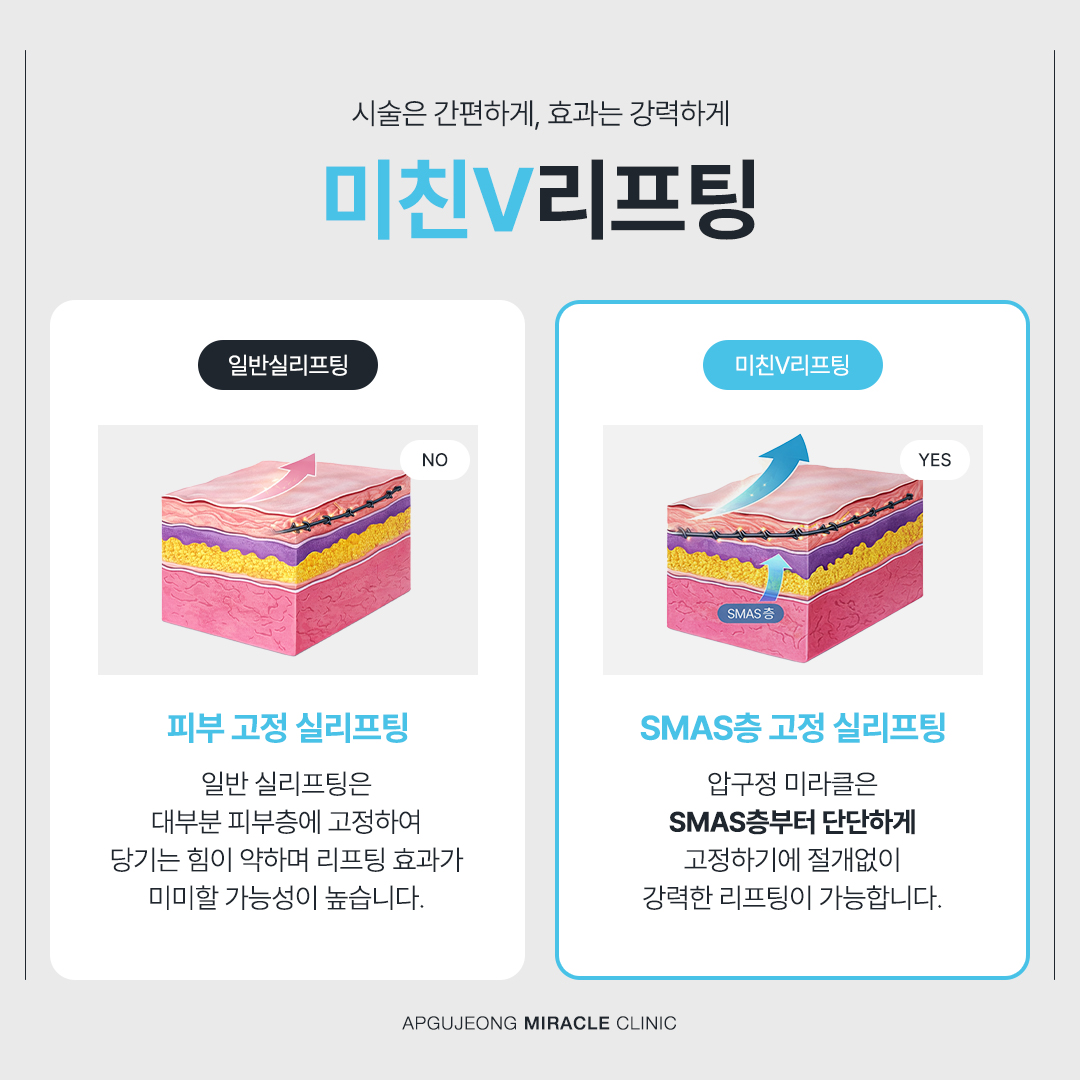
Expected Korea visit timeline for nasolabial thread lift
For international patients, a typical visit for a nasolabial fold thread lift may follow this kind of schedule, although individual plans can differ.
Day 1: In-person consultation and facial analysis. The doctor reviews your history, examines your skin and previous treatments, and designs a customized plan. If both you and the doctor agree, the procedure may be done on the same day, or scheduled for another day depending on your condition and clinic schedule.
Day 1 or 2: Procedure day. Local anesthesia is applied, thread entry points and lifting vectors are marked, and threads are inserted. After the procedure, your symmetry and lifting effect are checked, and you receive aftercare instructions.
Days 2 to 5: Early recovery. You may have mild swelling, tightness, or bruising. Many patients can manage light sightseeing or work, but it is better to avoid intense exercise and heavy facial movements during the early period.
Days 5 to 10: Follow-up visit if your schedule allows. The doctor can check healing, adjust advice if needed, and answer questions about long-term care. If your stay is short, follow-up may be done by online check-in using photos.
Procedure process and downtime
The procedure itself usually follows these steps:
Pre-treatment consultation: The doctor analyzes your face, checks for previous threads or fillers, and discusses the degree of correction you hope for, as well as your budget.
Design: The nasolabial area and midface are marked to plan thread entry points and lifting directions. The goal is to support the folds and surrounding tissues in a natural way.
Local anesthesia and insertion: Local anesthetic is applied to minimize discomfort. Threads are inserted through small entry points using cannulas or needles, then positioned to lift and support the tissues.
Immediate check: After insertion, the doctor checks symmetry, height of the lift, and any visible irregularities. Minor adjustments can be made at this stage.
Aftercare: You receive instructions on how to sleep, how to manage swelling or bruising, and what movements to avoid temporarily, such as wide yawning or strong facial massage.
Many patients can resume light daily activities within a day or two, but recovery varies widely and depends on factors such as the number and type of threads used and whether other procedures were performed. Some people may need several days to a week or longer before feeling fully comfortable. Mild swelling, tightness, or bruising are common and will differ between individuals—discuss expected downtime with your clinician based on your specific treatment plan.
Aftercare and what to expect after the procedure
In the first few days, you may feel tightness when moving your mouth or smiling widely. This is usually part of the lifting effect and tends to soften over time. Cold compresses may be recommended for swelling, and you may be asked to sleep on your back with your head slightly elevated for several nights.
You will usually be advised to avoid heavy exercise, saunas, and strong facial massage for a certain period. Gentle cleansing and skincare are generally allowed, but the clinic will give specific guidance.
Over the following weeks, swelling decreases and the lift settles into a more natural look. Collagen stimulation from the threads can continue for several months, but the degree and duration of effect vary by individual skin condition, lifestyle, and thread type.
Safety considerations and realistic expectations
Like any procedure, nasolabial fold thread lifting has possible side effects and limitations. Temporary swelling, bruising, mild pain, or tightness are common early reactions. Some patients may experience temporary asymmetry, palpable threads, or the need for minor adjustment.
Serious complications are less common but can occur, which is why choosing an experienced doctor and having a detailed consultation is important. Thread lifting can soften and lift nasolabial folds, but it does not completely erase them in every case, especially when folds are very deep or related to bone structure.
Results are not permanent. Maintenance or additional treatments over time may be needed as aging continues. When comparing costs between clinics, it is wise not to focus only on the lowest price, but also on the thoroughness of consultation, range of options, and aftercare system.
Location and access in Seoul
This makes it convenient for patients staying in central Seoul and for those who plan to visit several clinics in the Gangnam area to compare nasolabial fold thread lift costs and options.

Frequently asked questions about nasolabial fold thread lift cost
How much does a nasolabial fold thread lift usually cost in Korea?
There is no single standard price, because the fee depends on thread type, number of threads, treatment area, and whether it is a first-time or revision case. In general, treating only mild folds with a small number of standard threads costs less than a combined plan that includes midface lifting, premium threads, and devices such as ultrasound lifting.
For an accurate quote, an in-person consultation is needed so the doctor can examine your skin and previous treatments.
Is a nasolabial thread lift cheaper than a surgical facelift?
In most cases, a thread lift is less expensive than a full surgical facelift, because it is less invasive and usually done under local anesthesia. However, they are different procedures with different goals and durations of effect.
If your main concern is moderate sagging and you want a non-surgical approach, a thread lift may be suitable. For very severe laxity, a surgical option may be discussed, and the cost comparison will depend on your specific situation.
Why do revision thread lifts often cost more?
Revision cases can be more complex because the doctor must deal with previous threads, scar tissue, and possible asymmetry. Extra time is needed to analyze where old threads are, whether they should be removed or avoided, and how to design new vectors safely.
This additional planning and technical difficulty can increase the overall cost compared with a straightforward first-time thread lift.
Can I get only my laugh lines treated to save money?
It is possible to focus treatment on the nasolabial folds only, and this can reduce cost compared with a full lower-face lift. However, if your folds are mainly caused by overall midface sagging, treating only the lines may not give the most balanced result.
During consultation, the doctor will explain whether isolated nasolabial treatment is reasonable for your face or whether some support from the cheek or jawline area would be more effective.
How long should I stay in Seoul after a nasolabial thread lift?
Many overseas patients plan to stay in Seoul for about one week around the procedure. This allows time for consultation, treatment, and at least one follow-up visit before flying home.
If your schedule is tight, the clinic can advise you on the minimum stay they recommend based on your plan and whether you are a first-time or revision case.
Soft call to action
If you are comparing nasolabial fold thread lift costs in Korea and want a plan tailored to your facial structure and previous treatment history, you can start with an online consultation. Prepare clear photos and a simple record of past procedures so the doctor can understand your situation.
During your visit to Sinsa-dong, Gangnam, you will be able to discuss different thread types, device-based lifting, and combination options in one place, and receive a detailed quote after a face-to-face examination.



- 공유 링크 만들기
- X
- 이메일
- 기타 앱


댓글
댓글 쓰기