Jawline thread lifting in Gangnam: a practical guide for overseas patients
- 공유 링크 만들기
- X
- 이메일
- 기타 앱

Direct answer summary
Jawline thread lifting is a minimally invasive way to sharpen the jawline and improve early sagging along the lower face using fine absorbable threads. For international patients, it is usually possible to combine online consultation, a short stay in Korea, and structured aftercare so you can return home with clear instructions.
This guide explains what jawline thread lifting is, who may consider it, how it compares with other options, what to expect when visiting Korea, and which questions to prepare before your consultation.
What is jawline thread lifting
Jawline thread lifting is a procedure that uses fine, absorbable lifting threads placed under the skin along the jawline. These threads have tiny barbs or cones that catch the tissue and gently pull sagging areas upward, helping to redefine the border between the face and neck.
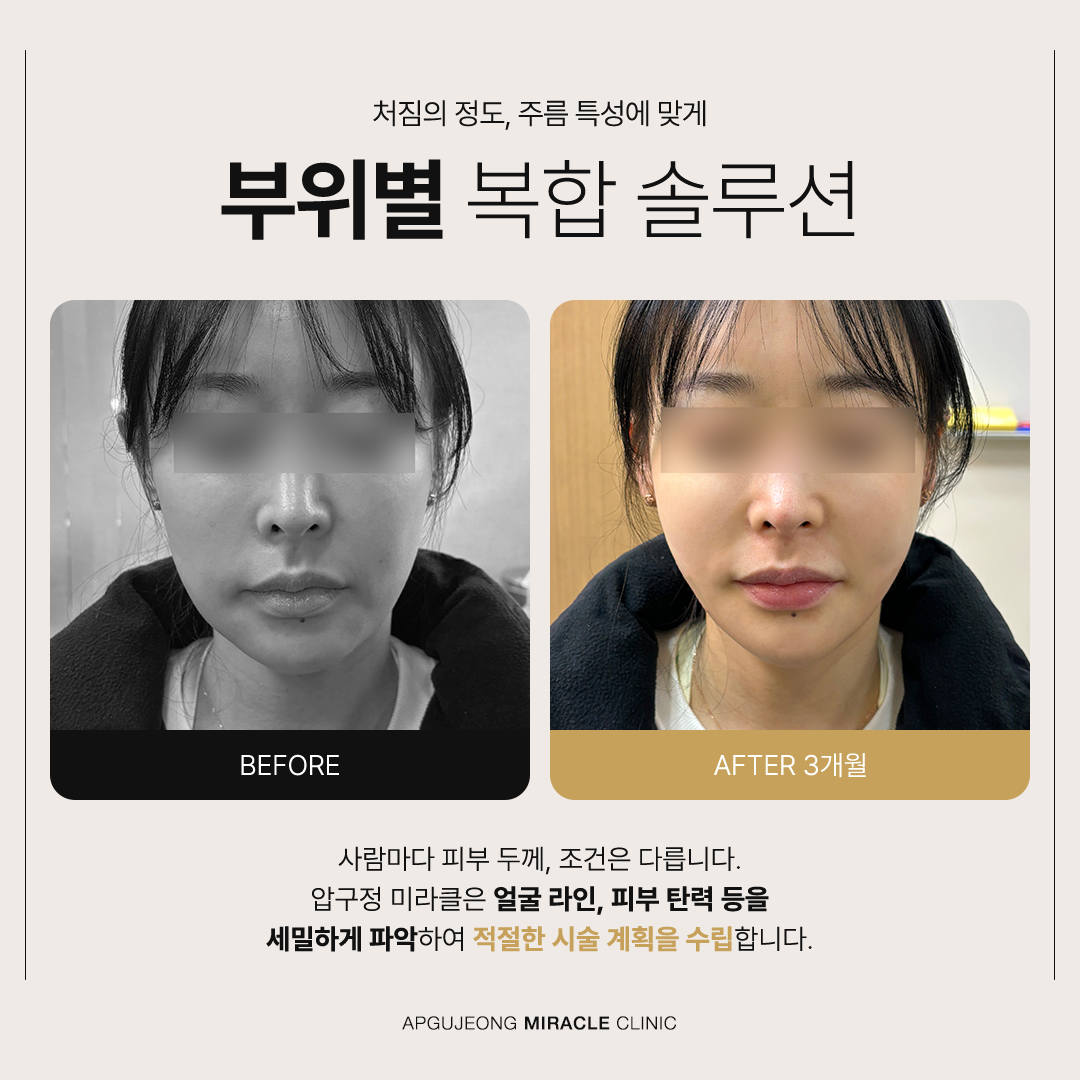
This is a non-surgical outpatient procedure done under local anesthesia. There are no long incisions, and most people can return to light daily activities within a short time compared with surgical facelift. For many, it is a middle choice between simple injections and full surgery.
Who may consider jawline thread lifting
Jawline thread lifting is usually considered for people with mild to moderate sagging along the lower face. If you feel your once-clear jawline now looks soft or blurred, or if you see early jowls forming on each side of the chin, you may be within the typical indication range.
It can be suitable if you notice a loss of definition between your face and neck, especially in photos taken from the side. People who have tried only injections, such as volume fillers or contour injections, and feel the lifting effect is not enough may also look at thread lifting as the next step.
Many patients are interested in visible lifting but are not ready for a surgical facelift because of downtime, scars, or general anesthesia. For this group, jawline thread lifting can provide structural support with shorter recovery.
Another important group includes patients who already had lifting done elsewhere, either with threads or energy-based devices, and feel the result was weak, asymmetrical, or faded too quickly. A clinic that focuses on lifting re-treatments can evaluate the current condition and discuss whether a second procedure, thread removal, or a different combination approach is more suitable.
For very heavy lower faces or more advanced sagging, thread lifting alone may not be enough. In such cases, the clinic may suggest combining threads with fat reduction methods or device-based lifting. Realistic expectations are essential, and a detailed consultation is important before deciding.
Jawline thread lifting vs other options
When you research lower-face contouring, you will see several options. Each has a different role, and understanding these differences helps you ask the right questions.
Energy-based lifting, such as ultrasound or HIFU-type devices, mainly work by heating deeper layers of the skin to stimulate collagen and tighten tissue. They can improve skin firmness and fine sagging, but the visible mechanical lifting along the jawline may be more subtle compared with threads, especially if jowls are already noticeable.
Face liposuction or contour injections focus on reducing volume. They may be used when there is excess fat along the jawline or under the chin. While they can slim the area, they do not directly pull sagging tissue upward. In some cases, removing too much volume without lifting can even make sagging more obvious.
A surgical facelift offers more dramatic and longer-lasting repositioning of deeper tissues. However, it involves incisions, more extensive anesthesia, and a longer recovery period. It is usually considered for more advanced aging or when non-surgical methods are unlikely to reach the desired result.
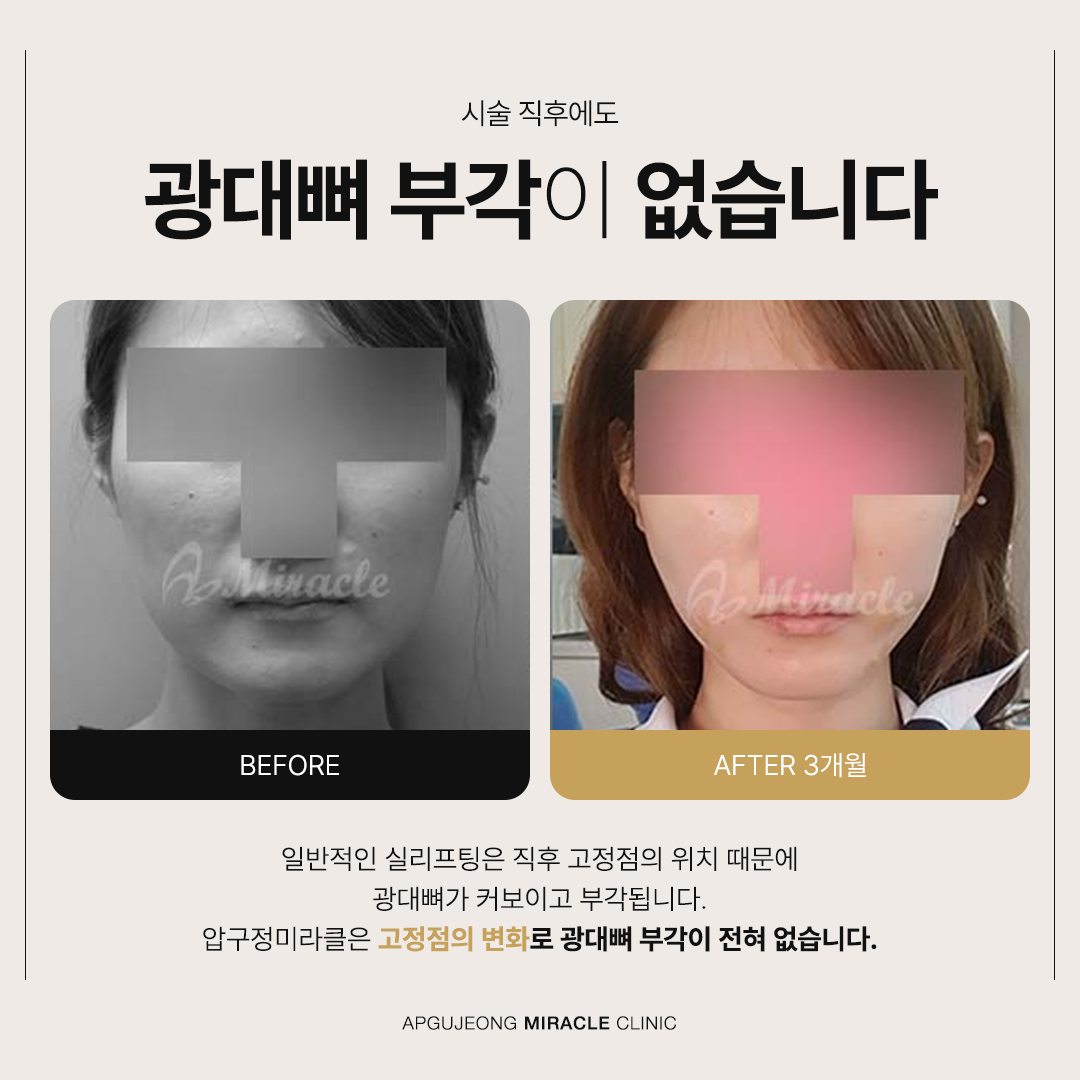
Jawline thread lifting sits between these options. It gives more structural lifting than injections alone and a clearer jawline than many device-only plans, while remaining less invasive than surgery. In some clinics, threads are combined with devices and volume control to fine-tune the overall result.
Clinic focus and strengths in Gangnam
Some clinics in the Apgujeong Rodeo area of Gangnam, Seoul, offer thread lifting and re-treatment services, including jawline thread lifting. The neighborhood is known for aesthetic and anti-aging services, and some providers aim to offer multiple lifting methods within a single clinic.
For example, a patient with thin, delicate skin may need a softer thread type, while someone with thicker skin and more sagging may benefit from stronger, more supportive threads.
Device-based lifting options, such as ultrasound or HIFU-type machines, are also available at the same clinic. This allows the team to design combined or staged plans, such as performing thread lifting first for structure and adding device-based tightening later for collagen support.
The clinic can also provide face liposuction and contour injections when excess fat or volume is a major concern. In these cases, the plan may involve reducing bulk in selected areas and then using threads to define the jawline.
Some clinics run dedicated programs for patients dissatisfied with previous lifting procedures performed elsewhere. These programs typically include evaluation of any existing threads, removal of problematic threads when appropriate, and development of a new lifting plan. Clinics that treat international patients often provide staff and processes to help manage expectations and logistics for overseas visitors.
Consultation and planning for jawline thread lifting
A detailed consultation is essential, especially when you are traveling from overseas. The clinic typically begins by assessing the jawline, chin, and neck angle from multiple views. Standardized photos are often taken from the front, three-quarter, and side to understand how the jawline appears in different lighting and poses.
The medical team checks skin thickness, elasticity, and fat distribution. They also look for asymmetry between the left and right sides, which is common in most faces. If you have had any previous lifting procedures, such as threads or devices, the doctor will ask about the type, date, and your experience with them.
Your main concerns are discussed in detail. Some patients focus on jowls and marionette lines, others on a double chin or an overall V-line. Clarifying which features bother you the most helps guide the design of thread directions and any combination treatments.
The clinic may propose jawline thread lifting as the main structural lift, with optional contour injections or fat-dissolving injections for localized bulges. Device-based lifting can be added either on the same day or in later sessions to support skin tightening and collagen.
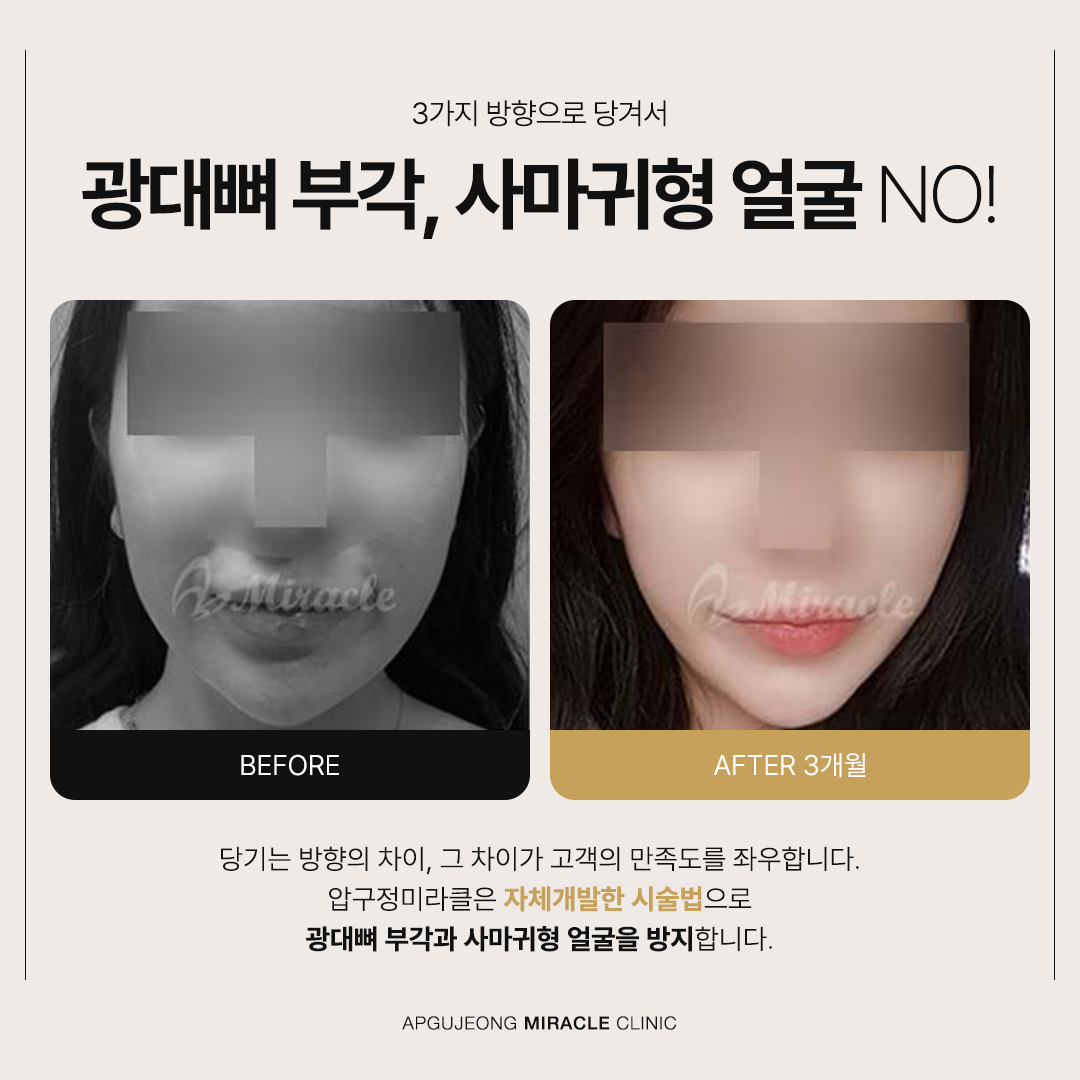
A key point is individualized design. The direction of threads, entry points, and number of threads are adjusted for each person. The goal is a natural, sharper jawline without an over-pulled or artificial look. During consultation, you can ask the doctor to show typical vector patterns on a diagram or on your own photos so you understand the plan.
Jawline thread lift procedure overview
Before the procedure, your medical history is checked, including any allergies, medications, and previous treatments. The staff usually takes baseline photos for records and future comparison. The skin is cleansed, and the doctor marks the jawline and planned vector lines with a skin marker while you are sitting, so gravity and natural folds are visible.
The doctor explains the expected effect, approximate duration, and possible side effects. This is the time to ask about what you can and cannot do after the procedure, especially if you have a fixed travel schedule.
During the procedure, local anesthesia is applied to the treatment area. Small entry points are created, often near the sideburn or behind the jaw, and the threads are inserted along the pre-planned vectors. The doctor gently lifts and positions the tissues, then adjusts tension to balance both sides and avoid overcorrection.
Procedure duration varies with the number of threads used and whether combination treatments (such as device-based lifting or injections) are performed on the same day; some sessions are relatively short while others take longer. After thread placement, the treated area may be cooled and a simple dressing or small tape applied near the entry points.
You receive instructions on posture, facial movement, and how to care for the treated area. Many patients can leave the clinic shortly after, accompanied by a friend or on their own, depending on how they feel.
Recovery, results, and maintenance
Most people experience mild swelling, tightness, or bruising for several days to around two weeks. The intensity and duration vary by individual, the number of threads, and whether other procedures were combined. Some temporary unevenness or dimpling can appear where the threads engage the tissue. This usually improves as the tissues settle and the skin relaxes over the threads.
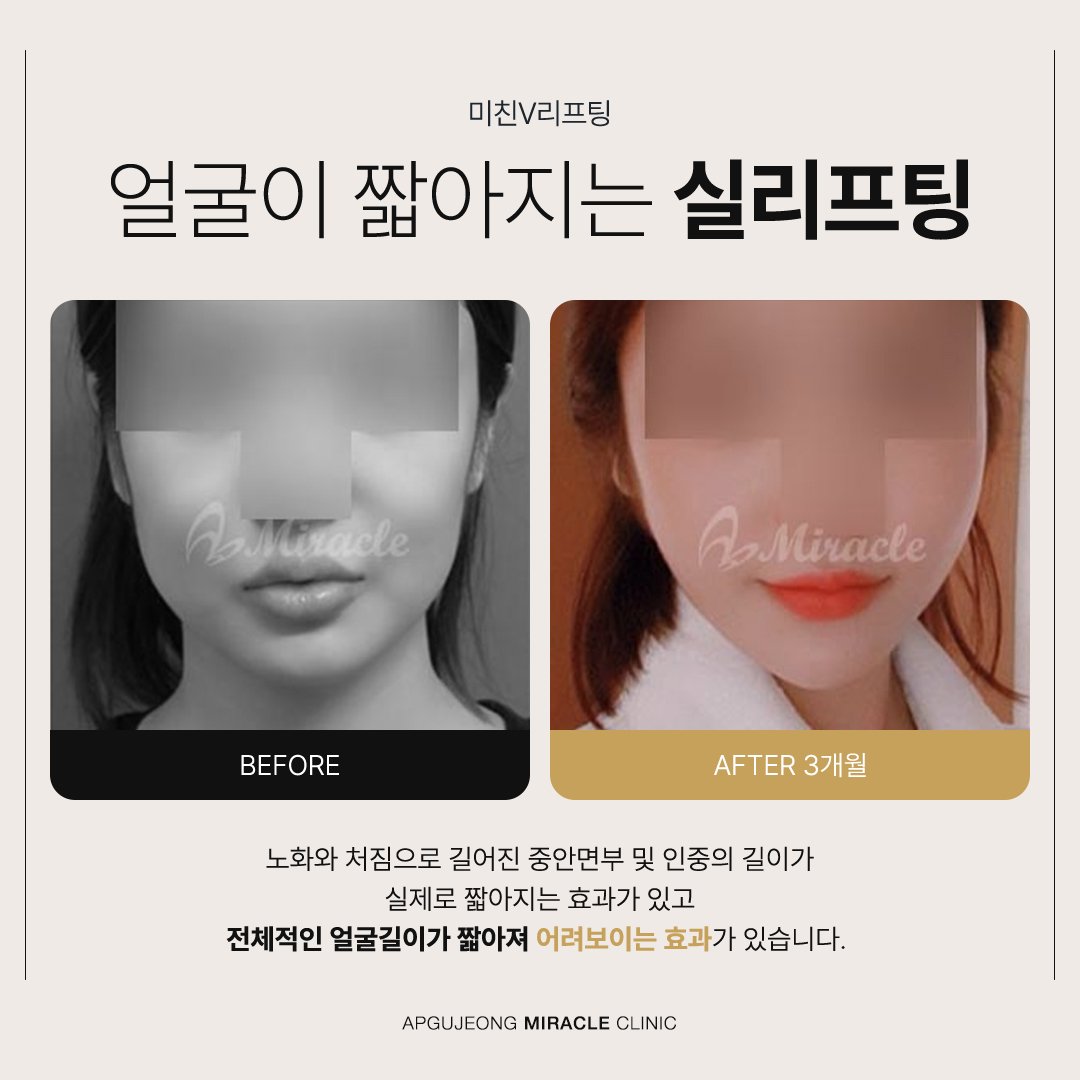
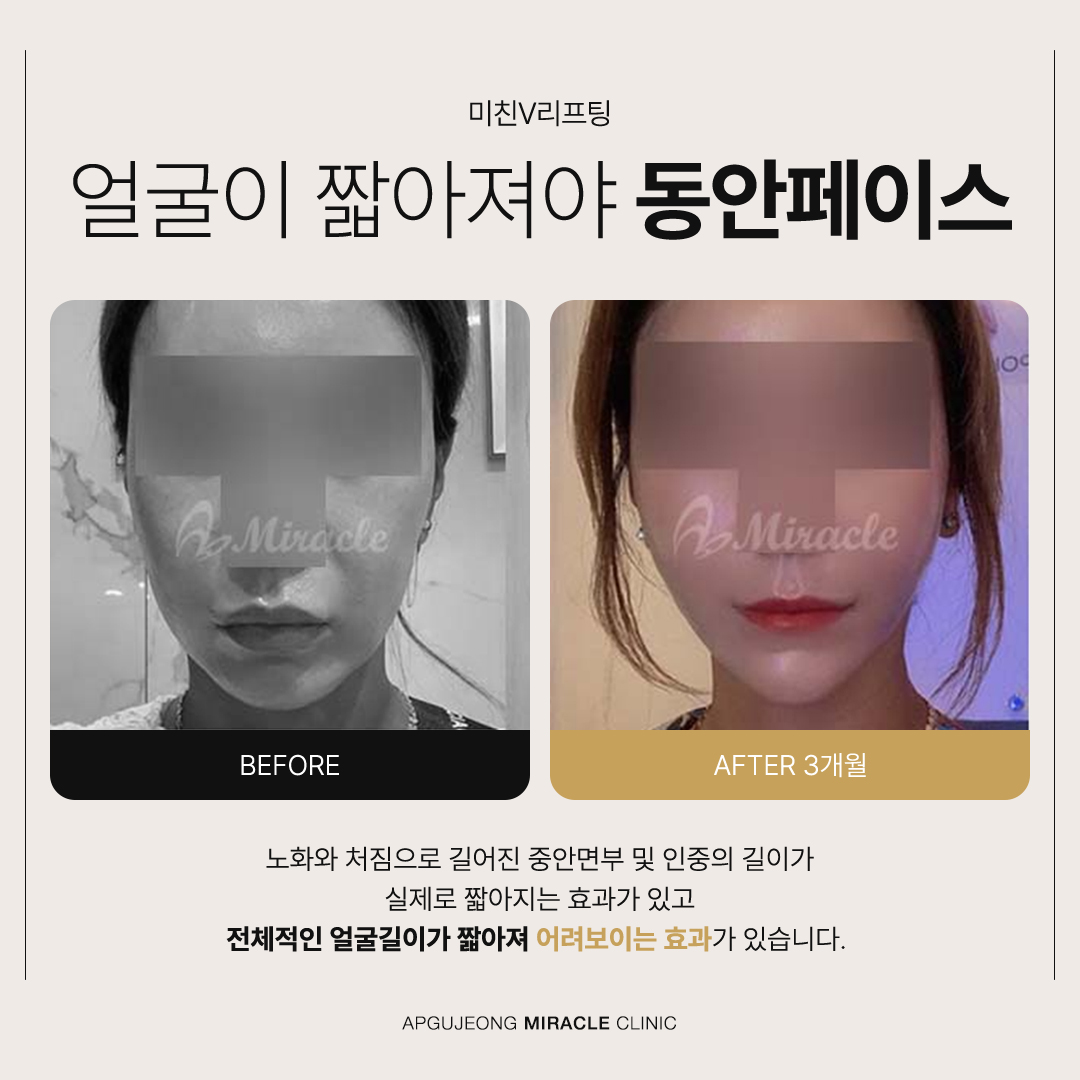
An immediate lifting effect is visible right after the procedure, especially when comparing the jawline contour before and after in the mirror. Over the following weeks, additional improvement can appear as collagen forms around the threads and the tissues adapt to their new position.
The threads themselves are absorbable and gradually dissolve over months. The collagen they induce may help maintain some lifting effect beyond that period, but the exact duration depends on thread type, skin condition, lifestyle, and natural aging speed. It is important to understand that no lifting method can stop aging completely; instead, it can reset or slow the visible changes for a time.
For maintenance, some patients choose periodic touch-up threads or combine jawline threads with device-based lifting sessions to support the result. Others may return after one or two years for a more comprehensive re-lift, especially if their aging pattern is faster. During follow-up, the doctor can assess how your tissues responded and adjust the plan.
Safety, risks, and precautions
Jawline thread lifting is usually well tolerated, but like any medical procedure, it carries risks. Common, generally mild side effects include swelling, bruising, soreness, and a feeling of tightness or pulling when moving the mouth. Temporary asymmetry or irregularity can occur as tissues settle.
Less common complications include infection, thread exposure, prolonged dimpling, nerve irritation, or an unsatisfactory aesthetic result. If previous threads from another clinic remain under the skin, they may influence the new plan and risk profile.
To reduce risks, thorough consultation and realistic expectations are important. You should follow post-procedure instructions carefully, such as avoiding strong facial massage, extreme mouth opening, or sleeping face-down for a certain period. If you notice unusual pain, increasing redness, or discharge, you should contact the clinic promptly for assessment.
Re-treatment and thread removal focus
Some patients visiting the clinic come specifically because they are not satisfied with earlier lifting done elsewhere. Common concerns include the effect disappearing too quickly, visible irregularities or asymmetry, or discomfort from remaining threads.
Re-treatment requires careful planning. The doctor must respect existing scar tissue and remaining threads, avoid over-correction, and choose thread types and vectors that work with, not against, the current anatomy. For this reason, the consultation for re-treatment may be more detailed, and the plan may be staged over several visits.
Combined anti-aging and contouring approach
Jawline thread lifting can be part of a broader anti-aging and contouring strategy. In the same clinic, the medical team can integrate several tools to address different layers of aging.
Threads provide contour and lift, especially along the jawline and lower face. Face liposuction or fat-dissolving injections can be used when bulky lower face or double chin is a major issue. Device-based lifting supports skin tightening and collagen, helping the surface look firmer and smoother.
Other anti-aging options, such as stem cell based treatments or skin lasers, may be suggested for skin texture, pigmentation, or fine lines. Not every patient needs all of these treatments. The idea is to choose the minimum combination that addresses your main concerns while fitting your schedule and tolerance for downtime.
Online consultation and pre-visit preparation
For overseas patients, an online consultation is often the first step. The clinic may ask you to send clear photos of your face and neck from the front, three-quarter, and side, preferably in good lighting and without heavy makeup or filters. Some clinics also accept short video clips showing your face at rest and while talking.
You will usually be asked about your age, medical history, current medications, and any previous aesthetic procedures, especially threads, devices, or injections in the lower face. If you have records from another clinic, such as the type and date of previous threads, sharing them can help the doctor plan more accurately.
Before your trip, prepare a list of questions, such as expected downtime for your case, when you can fly after the procedure, and what to do if you notice issues after returning home. It is also useful to clarify whether you plan to combine threads with any other treatments so the clinic can schedule enough time.
Expected Korea visit timeline for jawline thread lifting
Many international patients plan a short stay in Seoul around their jawline thread lifting.
On the first clinic visit, the doctor confirms the plan discussed online, examines your face directly, and may adjust the design based on real-life findings. If both sides agree, the procedure can often be done on the same day.
After the procedure, you may return to your accommodation with some swelling and tightness. Light sightseeing might be possible, but avoid very intense activities, heavy lifting, or extreme facial movements during the first few days. Discuss your return-to-travel plans with the treating physician — the right timing depends on your individual recovery and the specific procedure.
The clinic may schedule a short follow-up visit before you leave Korea to check healing, remove any small dressings, and review aftercare. Make sure you have contact information for the clinic in case you need advice after returning home.
Aftercare and long-distance follow-up
Aftercare instructions usually include how to cleanse your face, which skincare products to avoid for a short period, and how to sleep to protect the jawline. You may be advised to sleep on your back with your head slightly elevated and to avoid pressing your face into the pillow.
Strong facial massages, dental treatments that require very wide mouth opening, or intense sports may need to be postponed for a certain time. The clinic will explain this in detail according to the type and number of threads used.
For overseas patients, follow-up may be done by sending photos or having video calls at set intervals, such as one week, one month, and three months after the procedure. If you notice anything that worries you, such as increasing pain or visible thread, you should contact the clinic promptly for guidance.
Frequently asked questions
What is the difference between jawline thread lifting and HIFU for the lower face
Jawline thread lifting uses physical threads to lift and support sagging tissues along the jawline, giving an immediate contour change. HIFU and similar devices use focused ultrasound energy to heat deeper layers of the skin, stimulating collagen and tightening over time. HIFU can improve skin quality and mild laxity, but the mechanical lifting effect is often subtler than threads, especially when jowls are already visible. In some cases, doctors combine both methods to benefit from structural lift and collagen stimulation.
How long does jawline thread lifting usually last
Visible results from jawline thread lifting depend on thread material, skin condition, lifestyle, and individual aging. Threads generally dissolve over several months, and the collagen they stimulate can extend visible effects beyond that period. The duration of benefit varies widely; follow-up consultations are important to determine when a touch-up or re-lift may be appropriate.
Is jawline thread lifting suitable if I already had threads before
Many patients seeking jawline thread lifting in Gangnam have had previous threads or device-based lifting elsewhere. Suitability depends on the type and position of your old threads, how your tissues healed, and what problems you experienced. The clinic can evaluate your current condition, and if necessary, remove or work around existing threads. Re-treatment requires careful planning, so providing detailed information about past procedures is very helpful.

How many days should I stay in Seoul for jawline thread lifting
The ideal length of stay varies, but many overseas patients plan to stay at least several days after the procedure. This allows time for an in-person follow-up and for the initial swelling to settle before flying. Some people combine the trip with light sightseeing, avoiding very intense activities during the first days. Your doctor can advise you on a safe timeline based on your health, the number of threads, and whether other treatments are combined.
Soft call to action for online consultation
By sharing clear photos and your treatment history, you allow the medical team to suggest a preliminary plan and travel schedule. This helps you use your time in Korea efficiently and understand what to expect before you arrive.
Medical information notice
The information in this article is for general understanding of jawline thread lifting and related options. It does not replace a personal consultation, diagnosis, or treatment plan from a qualified medical professional. Individual results, risks, and recovery can vary. Always discuss your specific situation, medical history, and expectations directly with the doctor before deciding on any procedure.


- 공유 링크 만들기
- X
- 이메일
- 기타 앱


댓글
댓글 쓰기