Jawline Thread Lifting in Gangnam Apgujeong: What Overseas Patients Should Know
Direct answer summary
and suggest a tailored plan during consultation.
This guide explains what jawline thread lifting is, who it may suit, how it is combined with ultrasound-type lifting devices, what to expect when visiting Korea, and how to prepare for an online consultation before you travel.
What is jawline thread lifting
Jawline thread lifting is a procedure that uses dissolvable threads placed under the skin along the jawline to gently lift sagging tissue. The threads have tiny structures such as barbs or cones that catch the tissue and hold it in a higher position.
The main goals are to sharpen the jawline, reduce the appearance of early jowls, and improve the transition between the lower cheek and neck. Because it is done under local anesthesia through small entry points, it is considered a minimally invasive option compared with a surgical facelift.
Typical concerns treated with jawline threads
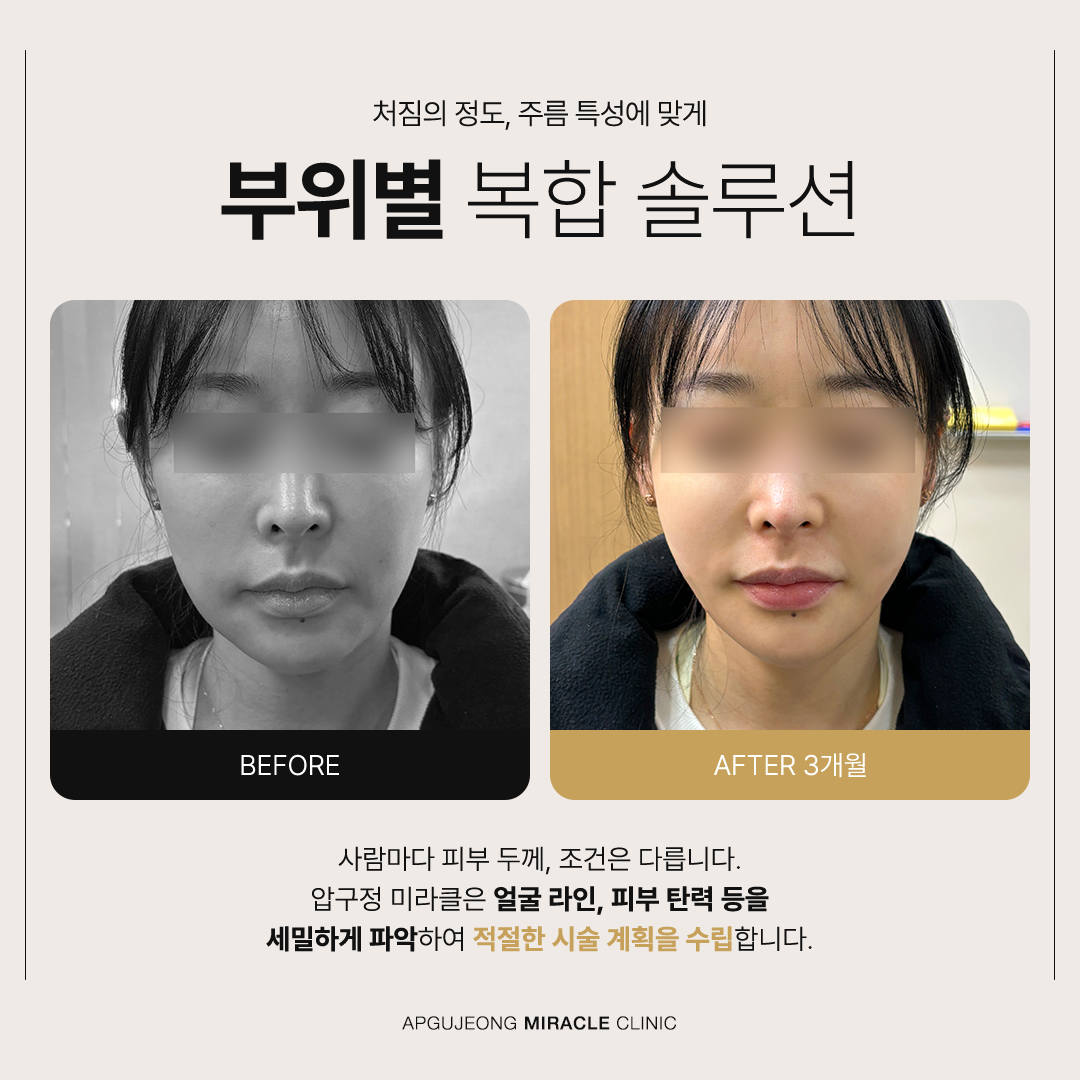
Jawline thread lifting is often considered by people who notice that their once-clear jawline has become softer or less defined. Common concerns include early jowls forming in front of the jaw angle, a blurred or less V-shaped jawline, mild to moderate skin laxity around the chin and lower cheeks, and slight asymmetry between the two sides of the jaw.
It can also be used when there is residual sagging after weight loss, or when someone has already had a lifting procedure such as a previous thread lift or device-based lifting and feels the result was not even or has faded faster than expected. In these cases, the new plan may involve revision thread lifting, thread removal, or a combination with energy-based devices.
Thread options and how they are selected
In a dedicated lifting clinic, several types of lifting threads are usually available. These may include different brands and designs, such as barbed threads that hook into tissue or cone-type threads that anchor more strongly in certain areas.
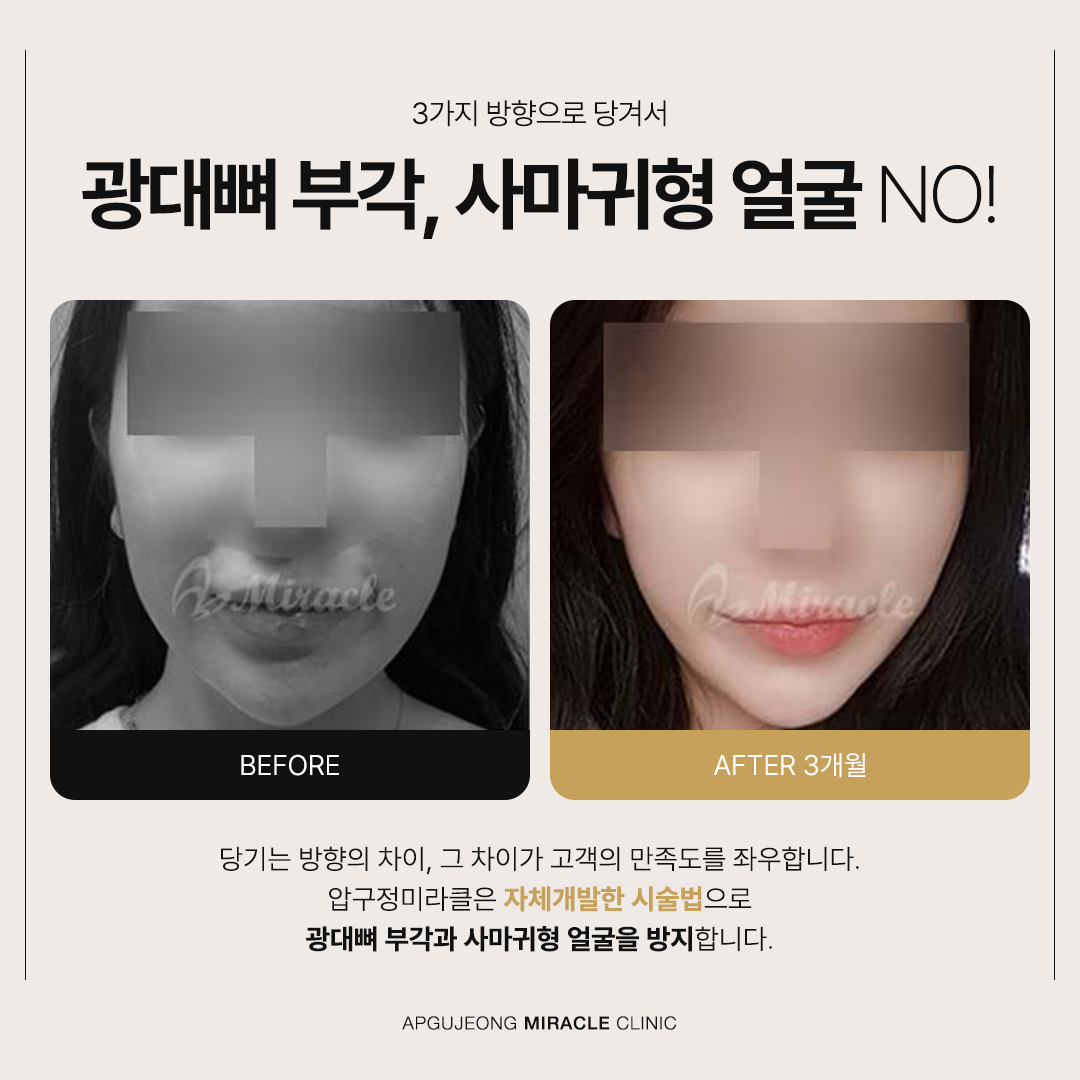
The doctor chooses the thread type and pattern according to factors such as skin thickness, the degree of sagging, facial fat volume, and how long you hope the effect will last. For a heavier lower face, stronger or longer threads may be suggested. For thinner or more delicate skin, finer threads or a gentler vector may be safer to avoid irregularities.
It is common to combine several thread types in one treatment. For example, stronger lifting threads may be placed along the main jawline, while softer threads are used around the chin or near the mouth corners to smooth the transition. This tailored approach is different from a one-size-fits-all package, and it is discussed in detail during consultation.
Energy-based lifting devices for the jawline
Jawline contour is not only about lifting the skin but also about tightening the deeper layers. For this reason, many clinics in Apgujeong combine thread lifting with energy-based lifting devices.
These devices include ultrasound-based or high-intensity focused ultrasound (HIFU) systems. They deliver focused energy to deeper layers of the skin and the superficial muscle layer, producing controlled heat that can stimulate tissue tightening over time.
For some patients, device-based lifting alone may be sufficient, especially if sagging is mild and the main issue is skin laxity rather than heavy jowls. For others, threads provide the mechanical lift, while the device treatment improves skin quality and helps maintain the contour. The doctor may suggest doing device-based lifting before or after thread insertion, depending on your case.
Revision lifting and thread removal service
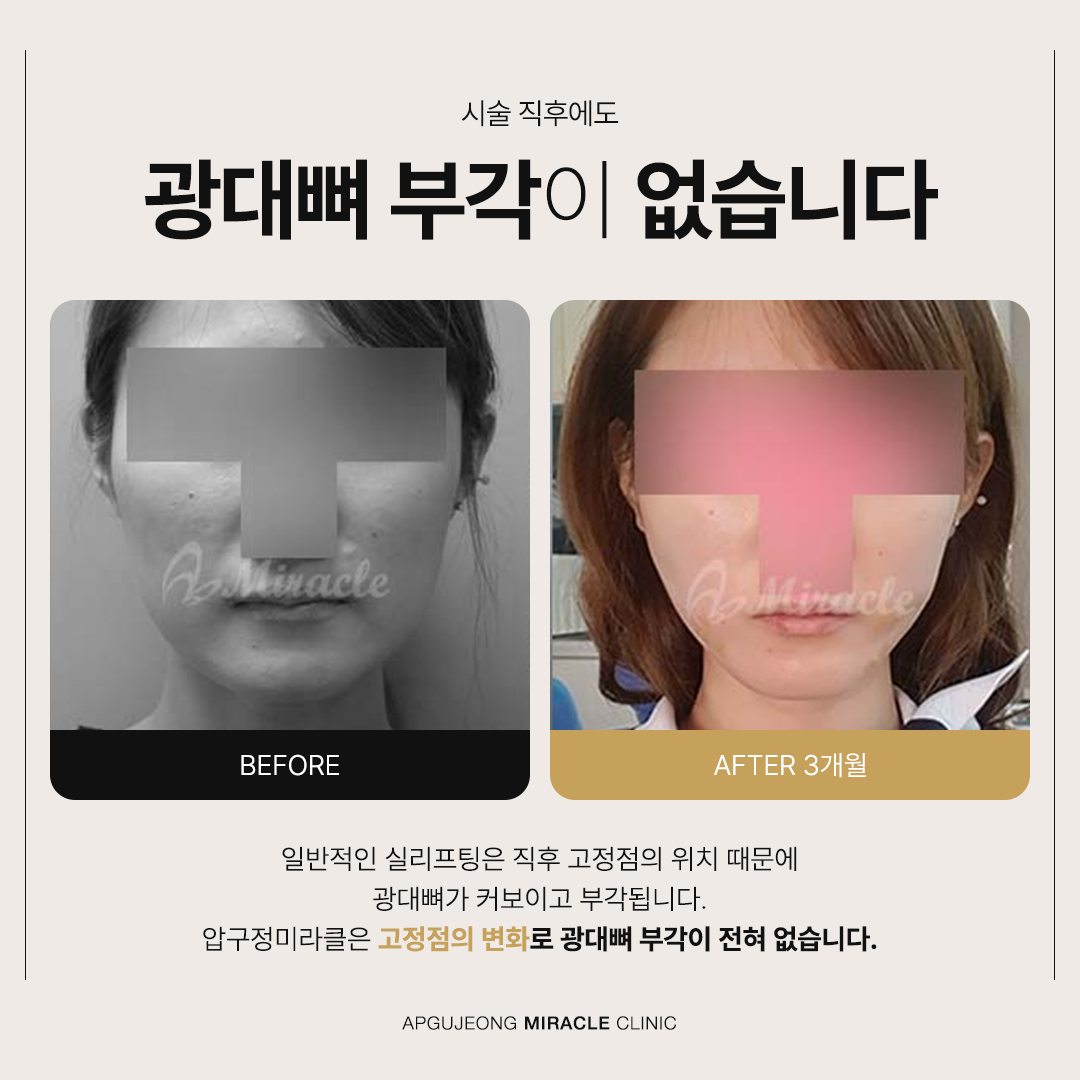
Not everyone is satisfied with their first lifting experience, especially if it was done at a different clinic or in another country. Common complaints include visible or palpable threads under the skin, irregular lines along the jaw, asymmetry between the two sides, or a feeling that the lift was too weak or did not last long.
Some clinics in the Apgujeong Rodeo area run a dedicated revision service for these situations. This can include thread removal when threads are too superficial, causing dimpling or discomfort, or when they interfere with a new lifting plan. After careful assessment, the doctor may propose a new vector of lifting threads, a different thread type, or a combination with energy-based devices to correct or improve the contour.
Revision cases require detailed facial analysis and realistic discussion, because the tissue may have scar tissue or altered anatomy from previous procedures. The aim is to improve symmetry and jawline definition as much as possible, while explaining that results can vary and may not fully undo all previous changes.
Who may consider jawline thread lifting
Jawline thread lifting is generally considered for adults who want a more defined lower face without undergoing full surgery. Typical candidates include people in their late twenties to fifties who notice mild to moderate sagging, early jowls, or a less defined V-line.
Busy professionals often choose this option because it is done under local anesthesia, with relatively short treatment time and limited downtime compared with surgery. They can usually return to desk work within a few days, as long as they follow aftercare instructions.
People who have previously had thread lifting, ultrasound-type lifting, or other facial procedures elsewhere may also consider this treatment when they feel the effect has faded or was uneven. In these cases, the consultation focuses on understanding what was done before, what went well, and what felt unsatisfactory, so that the new plan can be adjusted.
Jawline thread lifting can also be combined with other contouring options such as facial liposuction or contour injections when appropriate. This is sometimes suggested when both skin laxity and excess fat along the jawline are present, and a single method may not be enough.
Who may not be ideal for this treatment
Jawline thread lifting is not suitable for everyone. People with very severe sagging, large amounts of loose skin, or very heavy jowls may be better candidates for more invasive procedures. In such cases, threads may not provide a strong enough or long-lasting lift.
People with certain medical conditions, bleeding disorders, or active skin infections in the treatment area may also be advised to avoid thread lifting. Those with unrealistic expectations or who expect a surgical-level result from a minimally invasive procedure may need careful counseling.
During consultation, the doctor will assess your facial anatomy, skin quality, and overall health. If thread lifting is not recommended, other options such as device-based lifting alone or different treatments may be suggested.
How the procedure is performed
The typical flow of a jawline thread lift in a Gangnam clinic starts with a detailed consultation and facial analysis. Photos may be taken from different angles, and the doctor will ask about your main concerns, previous procedures, and medical history.
Next, the lifting plan is drawn on your face. The doctor marks the entry points and the direction of each thread, known as the lifting vectors. This planning step is important to create a natural jawline curve and to balance both sides.
Local anesthesia is applied to the entry points and along the planned paths. Once the area is numb, the doctor inserts the threads using a fine cannula or needle. Many patients report sensations of pressure or pulling during placement; pain levels vary, and your clinician will discuss anesthesia and pain control options. After the threads are placed, the doctor gently adjusts the tension to lift the tissue and checks symmetry in a sitting or semi-sitting position.
When the desired contour is achieved, the ends of the threads are trimmed and the small entry points are covered. You are usually observed for a short time and then receive post-procedure instructions before leaving the clinic.
Expected results and how long they last
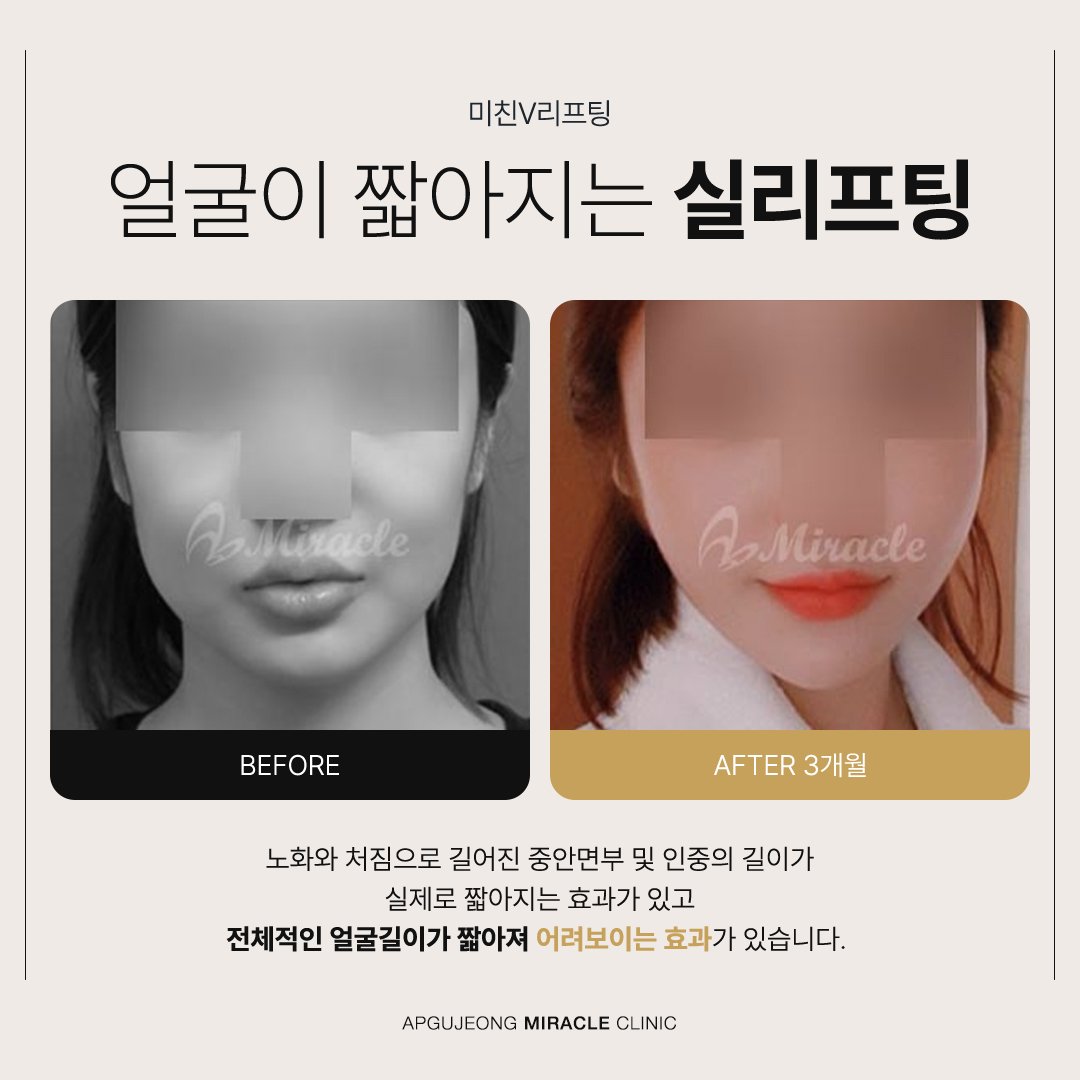
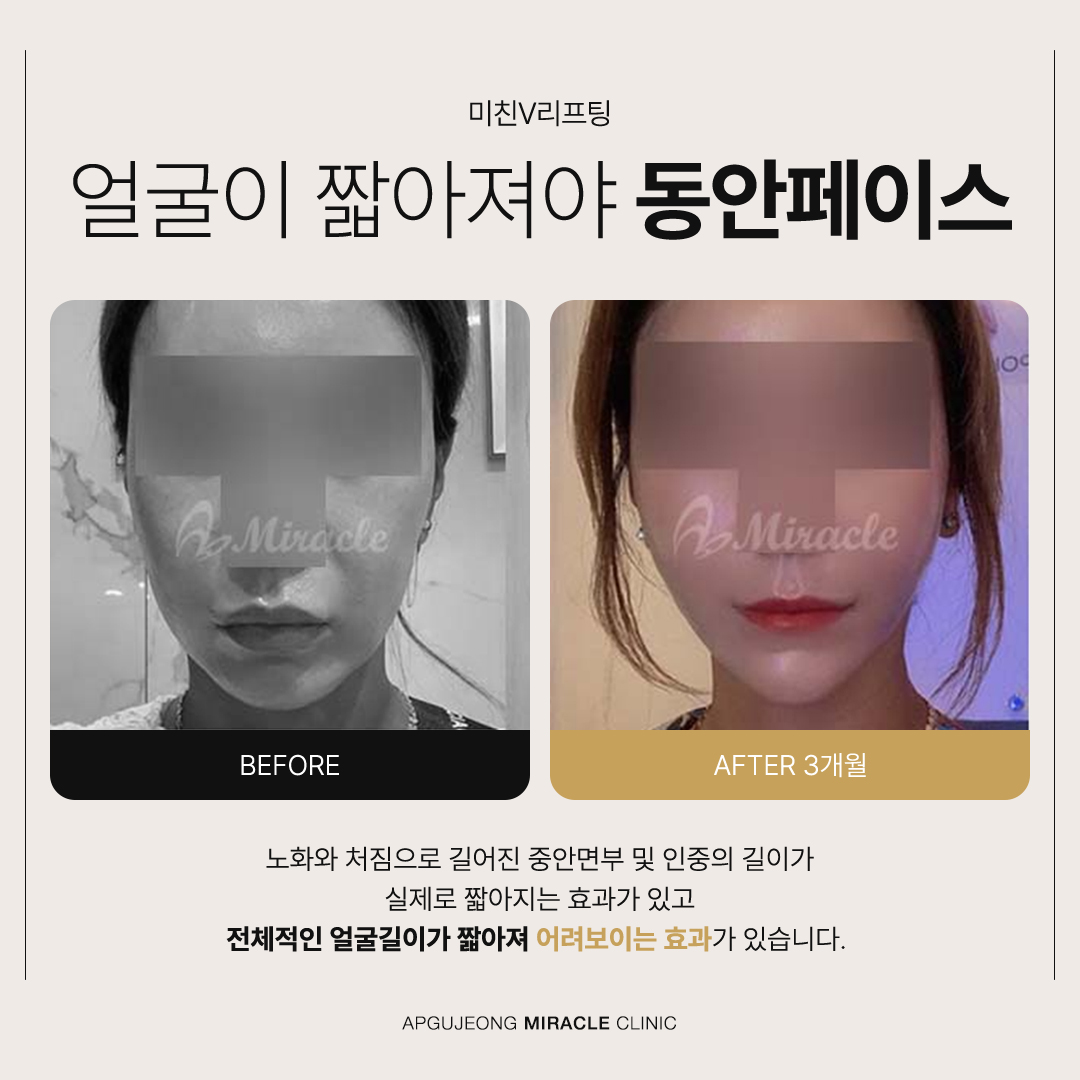
Some patients report an immediate visible lift after the procedure, since the threads mechanically reposition tissue; individual results vary. The jawline may appear sharper and early jowls less noticeable for some patients, but expected outcomes and duration differ between individuals and thread types—discuss typical results with your clinician.
Over the following weeks and months, the body forms collagen around the threads, which can help support the lifted position. This gradual collagen effect may further refine the jawline. However, results are not permanent. The duration depends on the type of threads used, your skin condition, age, lifestyle, and how your body responds.
In general, the visible effect can last from several months to more than a year, but this varies by individual. No fixed promise of effect or duration can be made in advance. Some people choose maintenance treatments or combine thread lifting with periodic device-based lifting to support the result over time.
Downtime, side effects, and aftercare
After jawline thread lifting, it is common to experience some swelling, bruising, tightness, or mild discomfort along the jaw and lower face. These usually improve over several days to a couple of weeks. Some people feel a pulling sensation when opening the mouth wide or turning the head sharply during the first days.
Temporary asymmetry or slight irregularities can appear while swelling settles. In many cases, these improve as the tissue relaxes and adapts to the new position. The clinic will usually schedule a follow-up visit to check healing and symmetry.
Potential risks include bruising, swelling, infection, palpable or visible threads, dimpling, or the need for thread adjustment or removal. These are discussed during consultation so you can make an informed decision.
Aftercare instructions usually include avoiding strong facial massage, beauty treatments that press on the face, and wide mouth opening such as big yawns or large bites for a certain period. Intense exercise, saunas, and heavy alcohol intake may also be restricted for a short time. Following these instructions carefully can help protect the new jawline contour.
Combining jawline threads with other contouring options
For some people, sagging is not the only issue. Excess fat under the chin or along the jaw, or volume loss in nearby areas, can also affect the overall shape. In such cases, the clinic may suggest combining jawline thread lifting with other treatments available on site.
Options can include facial liposuction to remove localized fat, or contour injections to refine the jaw angle or chin. When planned together, these treatments can address both skin laxity and volume issues, aiming for a more balanced lower-face contour.
Because combined procedures can increase complexity and recovery needs, the doctor will explain the sequence, expected downtime, and aftercare in detail. It is important to understand that individual responses vary and that no single combination is right for everyone.
Preparing for an online consultation
If you are an overseas patient, an online consultation before you travel can save time and help you plan your stay in Seoul. Clinics in Apgujeong often provide online channels where you can send photos and medical information securely.
To make the most of your online consultation, prepare clear photos of your face from the front, 45-degree angles, and sides, taken in good lighting without heavy makeup or filters. If you have had previous lifting or facial procedures, prepare a list of when and where they were done, what type of treatment it was, and any records or photos if available.
Write down your main concerns and priorities, such as whether you care more about jawline sharpness, jowl reduction, or overall facial balance. Also prepare questions about thread types, device options, expected downtime, and how many days you should stay in Korea. This helps the medical team give more precise guidance.
What to check and compare before booking
When you are comparing clinics for jawline thread lifting, it is helpful to look beyond cost alone. Consider which thread types and lifting devices are available, how much experience the doctor has with jawline-focused lifting and revision cases, and whether the clinic provides clear explanations of risks and aftercare.
Ask whether the clinic uses several device platforms such as ultrasound-type lifting, and how they decide when to combine threads with devices. You can also ask about the usual number of threads for a jawline, the type of anesthesia used, and the typical recovery schedule for overseas patients.
Another useful point is to check whether the clinic offers its own photo and video content of treatments and general outcomes. These materials can help you understand the process, although they are not a promise that your own result will match. During consultation, ask the doctor to explain what level of improvement is realistic for your specific case.
Expected Korea visit timeline for overseas patients
For international visitors, planning the schedule is important. Many people stay in Seoul for about one week for jawline thread lifting, although this can vary.
On day one or two, you usually have an in-person consultation, facial analysis, and final treatment planning. If everything is suitable and you agree with the plan, the procedure may be done on the same day or the next day.
The first few days after the procedure, you may have swelling and mild discomfort. It is a good idea to keep your schedule light, avoid intense sightseeing, and follow the clinic’s instructions. A follow-up check is often scheduled within a few days to review healing and make sure there are no early complications.
Most overseas patients can fly home after about five to seven days, depending on their individual recovery and the doctor’s advice. Some residual swelling or tightness may still be present, but this usually continues to improve over time. If you are planning additional treatments such as device-based lifting or contour injections, the timeline may be adjusted.
Clinic location and practical information
The Apgujeong Rodeo area of Gangnam in Seoul is known for its concentration of aesthetic and medical clinics, along with cafes and shops.
Typical opening hours are on weekdays and Saturdays, with a lunch break in the middle of the day. Sundays and public holidays are usually closed, so it is wise to check the exact schedule and book your appointments in advance, especially if you are visiting from overseas and have limited time.
When you come for consultation, bring any information about previous facial or lifting procedures, including where and when they were done, and any relevant medical records. This is especially important if you are seeking revision of an earlier jawline lift or thread removal.
Aftercare once you return home
After you leave Korea, you will continue healing and seeing gradual changes in your jawline. It is important to keep in touch with the clinic through online channels if you have questions or notice anything unusual.
Continue to avoid strong facial pressure, deep massages, and extreme facial movements for as long as the doctor advised. Protect your skin from excessive sun exposure, and follow any skincare or medication instructions given at discharge.
If you plan additional treatments in your home country, inform your local practitioner that you have jawline threads in place, including the approximate date and type if known. This helps them avoid procedures that might interfere with the threads too early.
Frequently asked questions
What is the difference between jawline thread lifting and ultrasound-type lifting
Jawline thread lifting uses dissolvable threads placed under the skin to mechanically lift tissue and define the jawline. Ultrasound-type lifting devices, such as , use focused energy to heat deeper layers and gradually tighten them. Threads give an immediate lifting effect and structural support, while devices work more gradually on skin quality and firmness. In many cases, combining both methods provides a more complete result than using only one.
How long does it take to recover from a jawline thread lift
Recovery varies by person and procedure. Many people can resume light daily activities within a few days, although swelling, bruising, and tightness may persist for some patients for a week or longer. Exact recovery time depends on the number and type of threads, individual healing, and whether other treatments were performed at the same time. Your clinician will provide personalized aftercare instructions and may recommend staying in the area for a few days for follow-up if you are traveling from abroad.
Can jawline thread lifting fix a previous unsatisfactory thread lift
Jawline thread lifting can sometimes improve an unsatisfactory previous result, especially when combined with thread removal or a new lifting vector. However, revision cases are more complex because of existing threads and possible scar tissue. During consultation, the doctor will examine your face, review your previous treatments, and explain what level of improvement is realistic. In some situations, complete correction may not be possible, and expectations need to be adjusted.

Is jawline thread lifting suitable for everyone with sagging skin
Jawline thread lifting is best suited for mild to moderate sagging and early jowls. For very severe sagging or large amounts of loose skin, it may not provide enough lift, and other procedures may be more appropriate. It is also not recommended for people with certain medical conditions or active skin problems in the treatment area. A proper in-person assessment is necessary to decide whether thread lifting, device-based lifting, or another approach is safer and more effective for your situation.
Soft call to action
If you are considering jawline thread lifting in Seoul and would like to compare different lifting options in one place, you can start with an online consultation before you plan your trip. By sharing clear photos and information about any previous procedures, you allow the medical team to suggest whether threads, devices, revision, or a combination might suit your jawline.
A careful discussion of your goals, schedule, and expectations can help you make an informed decision and prepare a realistic treatment and travel plan tailored to your needs as an overseas patient.





댓글
댓글 쓰기