Jawline thread lifting clinic options for a sharper lower face (턱선실리프팅잘하는곳)
- 공유 링크 만들기
- X
- 이메일
- 기타 앱

Direct answer summary
People searching for a good clinic for jawline thread lifting are usually concerned about sagging along the jawline, jowls, or a softened V-line. Some have already had a lift and are unsure what to do next. Note: this article is sponsored by Apgujeong Miracle Clinic. The clinic is presented here as an example; evaluate clinics independently and consider multiple factors when choosing care.
This guide explains how jawline thread lifting works, who may consider it, what to prepare before you travel to Korea, how a typical visit schedule can look, and what to know if you are thinking about correction after a previous procedure.
What is jawline thread lifting
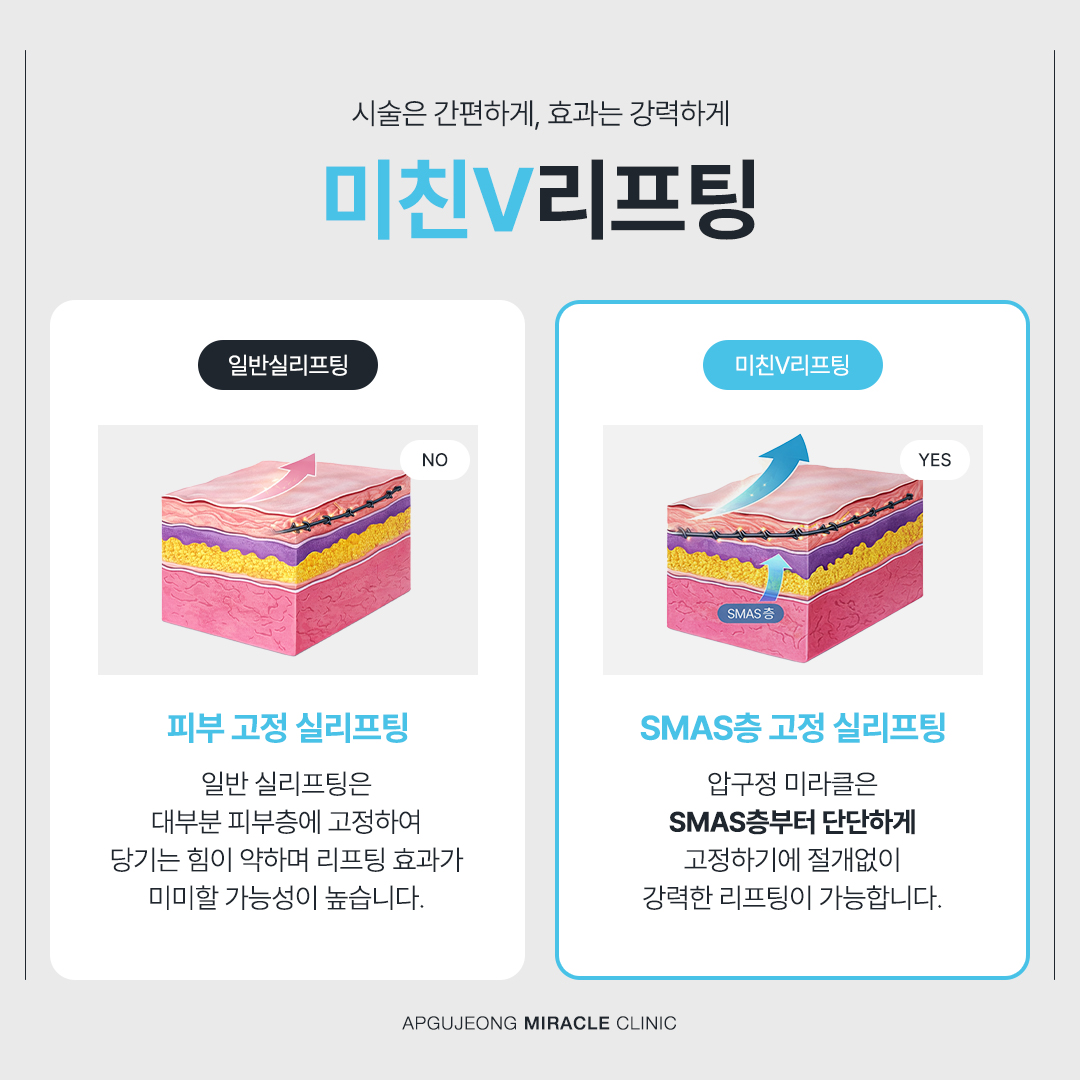
Jawline thread lifting is a minimally invasive procedure that uses special threads placed under the skin along the jawline. These threads have tiny structures that can catch and support the tissue. When they are inserted along planned directions, they can help reposition sagging tissue, define the jawline, and reduce the appearance of early jowls.
The threads are usually placed through small entry points under local anesthesia. They do not remove skin or fat by themselves and instead act as internal support to hold tissue in a higher position. Some clinicians report a tissue response around certain thread types that may contribute to firmness, but the extent of this effect and the supporting evidence vary; discuss expected outcomes and the available evidence with your doctor.
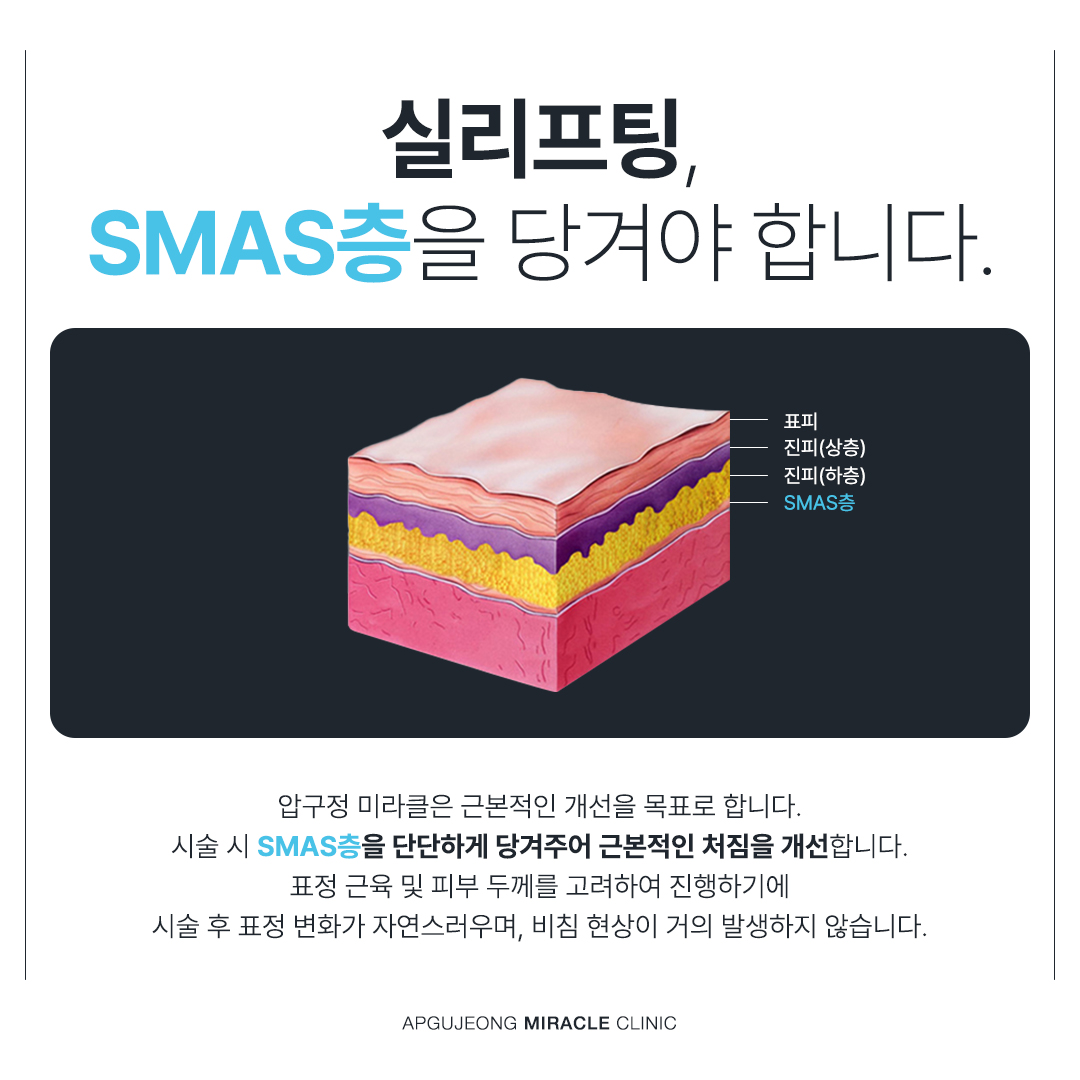
Because there is no large incision, downtime is often shorter than with surgical lifting. However, the effect and duration depend on the type of thread, the technique, and each person’s skin condition and lifestyle.
Who may consider jawline thread lifting
Jawline thread lifting may be considered in situations such as:
- Mild to moderate sagging along the jawline
- Loss of V-line or lower face definition
- Early jowls or heaviness around the corners of the mouth
- Desire for lifting with relatively short downtime compared with surgery
- Previous lifting done elsewhere with unsatisfying or short-lived effect
People with very heavy sagging or significant excess skin may be better suited to surgical options. Those with mainly excess fat and not much skin laxity may benefit more from fat reduction procedures than from threads alone. For this reason, an in-person evaluation is important before deciding.
Why multiple lifting options in one clinic matter
Many people search for a single “best” method, but in reality, the ideal approach depends on several factors:
- Skin thickness and elasticity
- Degree and pattern of sagging
- Amount and distribution of fat along the jawline and under the chin
- Previous procedures and remaining threads
- Pain tolerance and downtime allowance
A clinic that has only one type of thread or only one device tends to recommend that same method to most patients. In contrast, a clinic that works with several thread systems and energy-based devices can compare options for your specific jawline.
r some patients, facial liposuction or contour injections are also considered.
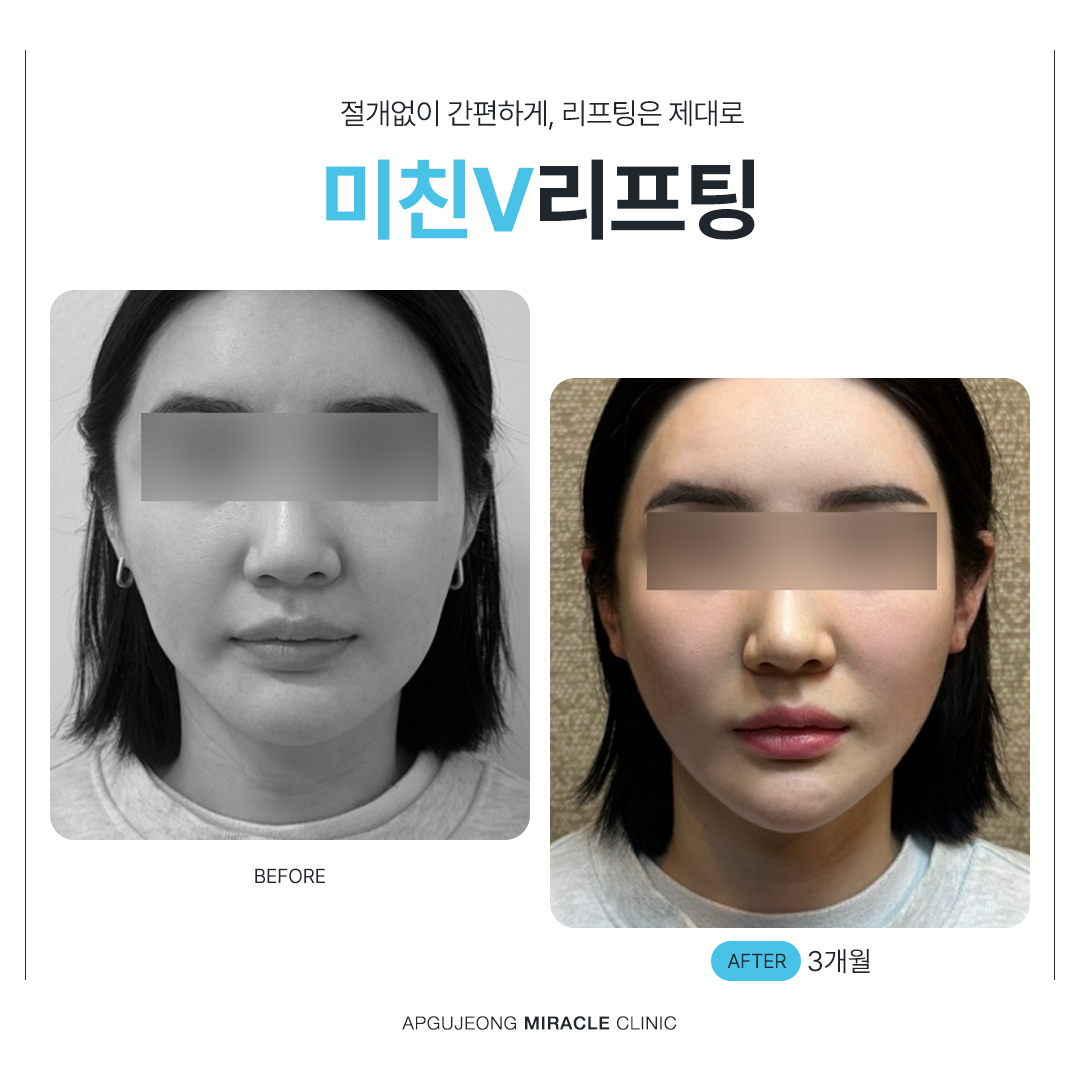
This wide lineup allows the clinic to build a plan that may include:
- Threads only for mechanical support
- Devices only for skin tightening
- Threads plus devices for combined support and tightening
- Threads plus facial liposuction for both lifting and fat reduction
How this clinic approaches jawline lifting
Key points of their approach include:
- Assessment of whether old threads need to be removed or can be left in place
- Selection from multiple thread types based on skin laxity and jawline volume
- Use of device-based lifting when deeper tightening is needed
- Combination with facial liposuction or contour injections when excess fat or volume imbalance is present
The clinic also offers body liposuction, which can be convenient for patients who want to address facial contouring and body areas in the same treatment period, depending on their health and schedule.
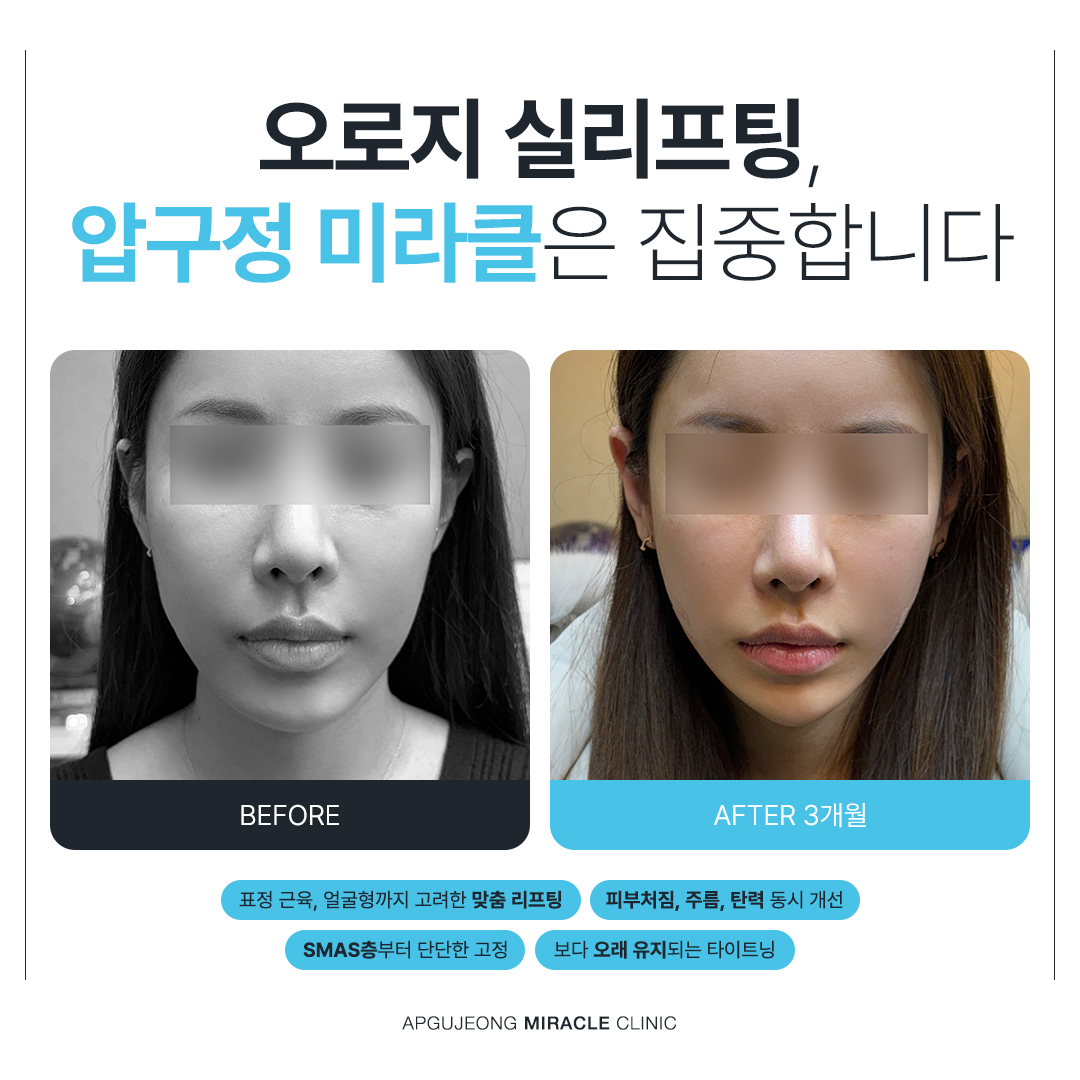
The clinic cites media appearances and international listings associated with the director; these claims should be verified independently. The clinic operates a blog under the director's name and provides galleries of selfies, before–after photos, and videos that overseas patients can reference when researching cases. These materials can help illustrate possible changes, although individual results vary.
How jawline thread lifting is customized
Customizing jawline lifting involves more than just choosing a brand of thread. A thorough plan usually considers the following points.
Skin thickness and sagging
Thin, delicate skin may need gentler threads or fewer threads to reduce the risk of surface irregularities. Thicker, heavier skin may require stronger threads or a combination of threads and devices to achieve noticeable support.
Degree of sagging and jowls
Early sagging and mild jowls may respond well to threads alone. More advanced sagging may need additional support from energy-based devices or may be better suited to other options. The doctor will usually check how much the tissue can be lifted manually and how it behaves when you talk and smile.
Fat volume along the jawline
If the lower face looks heavy mainly due to fat, lifting alone may not create a clearly defined jawline. In such cases, facial liposuction or fat-dissolving injections (sometimes called PT injections) can be considered together with or before thread lifting. Contour injections can also be used to adjust volume in specific areas.
Previous lifting history
For patients who have had lifting elsewhere, the clinic will ask:
- What type of threads were used, if known
- Where they were placed and how many
- How long ago the procedure was done
- What felt unsatisfactory: effect, symmetry, or discomfort
This history helps the doctor decide whether old threads are still present, whether they interfere with new threads, and whether removal is advisable.
Choosing between threads, devices, and liposuction
After examination, the clinic may recommend:
Threads only, when there is mild to moderate sagging without heavy fat
Devices only, when the main issue is skin laxity without much tissue descent
Threads plus facial liposuction, when there is both sagging and localized fat
Threads plus contour injections, when small volume adjustments can improve the jawline
Each option has different downtime, discomfort level, and maintenance needs. These should be discussed during consultation so you can plan your trip and recovery.
Focus on re-treatment and correction
Some overseas patients visit this clinic after being dissatisfied with jawline lifting done at another clinic. Common concerns include:
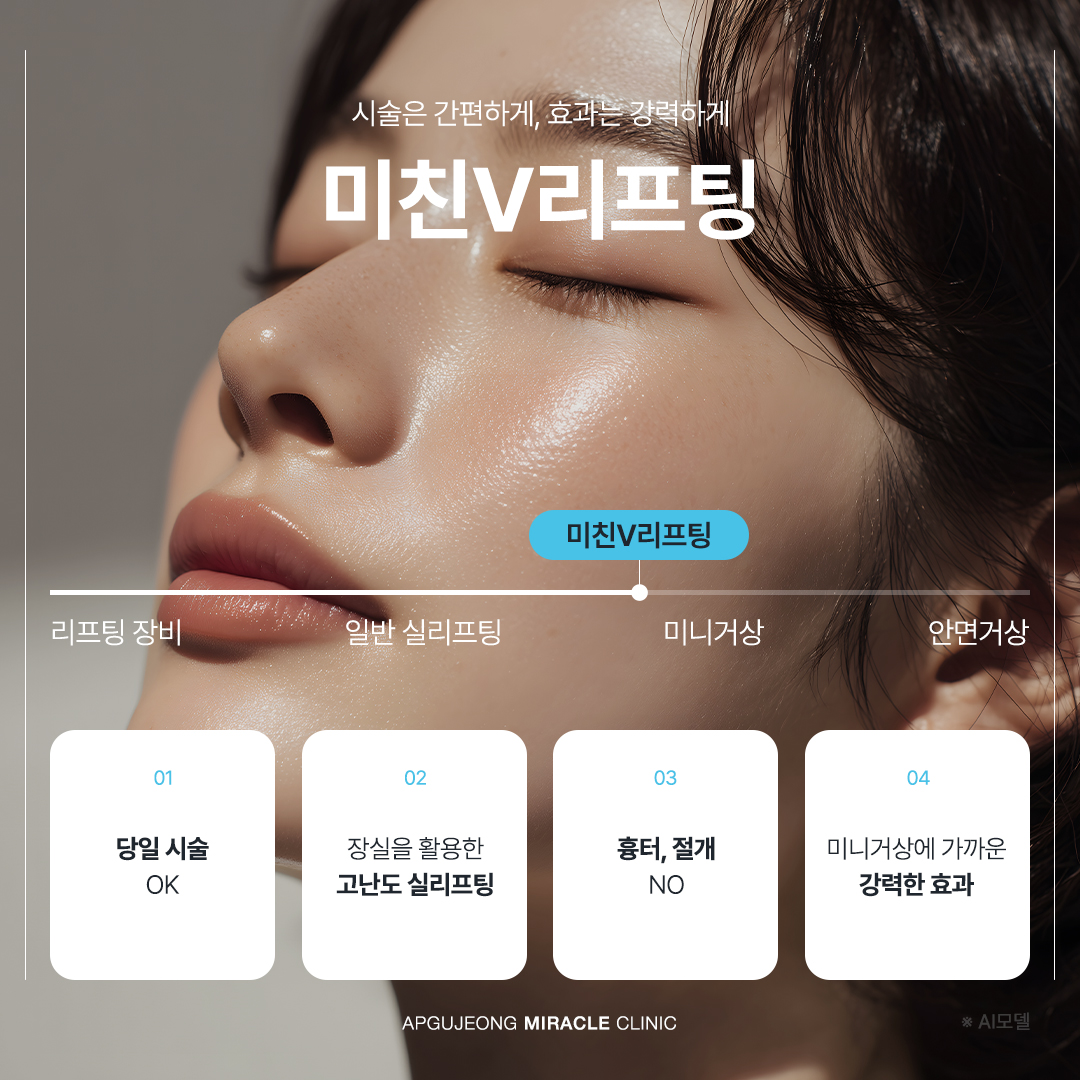
- Insufficient lifting effect
- Uneven or asymmetric jawline
- Discomfort or tightness that does not feel natural
The clinic offers evaluation of existing threads and, when appropriate, removal and re-lifting using a different plan. In some cases, old threads can be left in place and new threads can be placed in different directions. In other cases, removal may be recommended before re-lifting.
It is important to understand that not all cases can be fully corrected. Scar tissue, skin condition, and the position of old threads can limit what is safely possible. The clinic aims to prioritize safety and realistic expectations rather than promising dramatic changes.
General procedure flow
While details vary by patient, the general flow for jawline thread lifting at this clinic usually includes the following steps.
Consultation
- Medical history, including any chronic illnesses, medications, and allergies
- Previous facial procedures, especially any type of lifting or liposuction
- Current concerns about the jawline, jowls, and lower face
- Desired level of change and downtime tolerance
Examination
- Palpation of the jawline to assess skin laxity and fat distribution
- Checking for asymmetry at rest and when talking or smiling
- For re-treatment cases, checking for areas where old threads may be present
Planning
- Selection of thread type or combination of types
- Decision on number of threads and insertion directions
- Decision on whether to combine with device-based lifting or facial liposuction
- Explanation of expected course, possible side effects, and aftercare
Procedure
- Marking of insertion vectors along the jawline and lower face
- Local anesthesia in the treatment area
- Thread insertion according to the plan
- Immediate check of symmetry and adjustment if needed
Post-care
Explanation of expected swelling, bruising, and temporary tightness
Instructions on facial movements, sleeping position, and skincare for the first days
Scheduling of follow-up visits, especially important for overseas patients with limited stay
Possible side effects and cautions
Jawline thread lifting is a medical procedure, and side effects can occur. Common temporary reactions include:
- Swelling and bruising along the jawline and entry points
- Tenderness or soreness when touching or moving the area
- Temporary tightness or pulling sensation when opening the mouth or smiling
- Mild asymmetry or irregularities that may improve as swelling goes down
Less common but more serious issues can include infection, thread exposure, or persistent irregularities, which may require medical management or thread adjustment.
Important caution points include:
Results and duration vary depending on individual skin condition, aging speed, and lifestyle.
Thread lifting does not replace surgical lifting in cases of very severe sagging.
Patients with significant volume excess may need fat reduction in addition to lifting.
Re-lifting after previous procedures should be planned carefully to avoid over-treatment.
Online consultation and pre-visit preparation
For overseas patients, a detailed online consultation before booking flights is very helpful. When contacting the clinic, it is useful to prepare the following:
Clear photos of your face from the front, 45 degrees, and side, both at rest and with a gentle smile
Information about previous procedures: dates, types of lifting or injections, and where they were done
Any medical conditions, medications, or allergies
Your planned travel dates and how many days you can stay in Seoul
The clinic can then give you an initial opinion on whether jawline thread lifting, device-based lifting, facial liposuction, or a combination is likely to be considered, and what kind of visit schedule might work. This is not a final medical decision, but it helps you decide whether a trip for consultation and treatment is reasonable.
Expected Korea visit timeline
The exact schedule depends on your plan, but many overseas patients follow a pattern similar to the one below.
Day 1
Arrival in Seoul
Visit the clinic for in-person consultation, examination, and final planning
If both sides agree and there are no contraindications, some patients may proceed with the procedure on the same day, depending on the clinic schedule
Day 2–3
- Rest and light sightseeing
- Swelling and mild bruising may be present, and tightness may be felt
- Follow-up check may be scheduled to monitor healing and adjust instructions
Day 4–7
Most people can resume normal daily activities
Residual swelling and tenderness may still be noticeable, but usually improve
If facial liposuction was combined, bruising and swelling may be more visible and last longer
For patients combining several procedures or for those who want more follow-up time, staying in Seoul for about one week is often more comfortable. This should be discussed with the clinic during online consultation.
Aftercare and everyday life
After jawline thread lifting, the clinic will usually recommend:
Avoiding strong facial massages or beauty treatments in the area for a certain period
Sleeping on your back with your head slightly elevated for a few days, if possible
Being gentle when opening the mouth widely, such as when eating large bites or visiting the dentist
Avoiding strenuous exercise or activities that strongly shake the face for a short time

Mild discomfort can often be managed with prescribed or recommended pain relief. Any sudden increase in pain, redness, or swelling should be reported to the clinic promptly.
For long-term maintenance, lifestyle factors such as sun protection, stable weight, and not smoking can influence how long the lifting effect appears to last.
Practical information about the clinic
Clinic hours and contact details can change; check the clinic's official website or contact page for current opening times and the representative phone number. Overseas patients often begin with online consultation before deciding on a visit.
Frequently asked questions
Is jawline thread lifting suitable for everyone with jowls
Not everyone with jowls is an ideal candidate for thread lifting. People with mild to moderate sagging and relatively good skin elasticity are more likely to be considered. Those with very heavy sagging or large amounts of excess skin may be advised to consider other options. An in-person examination is necessary to judge suitability.
How long do jawline thread lifting results usually last
The duration of the visible effect varies widely. It depends on the type of threads used, the technique, your skin condition, and lifestyle factors such as smoking, weight changes, and sun exposure. Maintenance or additional treatments may be discussed during follow-up.
Can I do jawline thread lifting again if I already had it elsewhere
In many cases, re-lifting is possible, but it must be planned carefully. The clinic will check where old threads are, whether they are causing any issues, and whether removal is needed before placing new threads. Not all previous procedures can be fully corrected, and safety is prioritized over aggressive correction. A detailed consultation is important before deciding.
What is the difference between threads and Ulthera, Shurink, or Doublo
Threads provide mechanical support by physically lifting and holding the tissue. Ulthera, Shurink, and Doublo are energy-based devices that deliver focused ultrasound energy to deeper layers of the skin to stimulate tightening. Threads tend to give a more immediate lifting effect, while devices may give gradual tightening over time. In some cases, combining both can be considered, depending on skin thickness and sagging.
Soft call to action for online consultation
If you are considering jawline thread lifting in Korea, especially if you have already tried lifting once and are unsure what to do next, an online consultation can help clarify your options. By sharing photos, previous treatment history, and your travel plans, you can receive guidance on whether threads, devices, facial liposuction, or a combination may be discussed for your case. This can make your visit to Seoul more efficient and help you prepare realistic questions for your in-person consultation.
Medical information notice
The information in this article is provided for general educational purposes for international readers and does not replace a personal consultation with a qualified medical professional. Jawline thread lifting and related procedures involve potential risks and side effects, and suitability varies from person to person. Decisions about treatment should be made only after an in-person examination and detailed discussion with the treating doctor.



참고 및 출처
위 기관의 공개 정보는 일반적인 확인 경로이며, 본문의 개별 판단은 현재 상태와 공식 안내를 함께 확인해야 합니다.
본 글은 일반적인 정보 제공을 목적으로 작성되었으며, 의학적 진단이나 치료 권고가 아닙니다. 개인의 의료 상태, 병력, 복용 약물에 따라 적합한 시술과 주의사항은 달라질 수 있으므로 시술 여부는 반드시 의료진과 상담해 결정해야 합니다.
- 공유 링크 만들기
- X
- 이메일
- 기타 앱


댓글
댓글 쓰기