Gangnam thread lifting guide for overseas patients near Apgujeong
- 공유 링크 만들기
- X
- 이메일
- 기타 앱

Direct answer summary
Gangnam thread lifting usually refers to minimally invasive facial lifting with absorbable threads at clinics in the Gangnam district of Seoul. Many clinics, including Apgujeong Miracle Clinic near Apgujeong Rodeo Station, combine several thread types with device-based lifting such as HIFU or ultrasound to tailor treatment to each face. For patients who already had lifting elsewhere and are not satisfied, some Gangnam clinics also provide thread removal and revision planning, which generally requires a more cautious consultation.
What Gangnam thread lifting usually means
Thread lifting is a minimally invasive procedure where thin absorbable threads are inserted under the skin to gently lift sagging tissue and stimulate collagen. In Gangnam, this is a common option for people who want facial contouring and anti-aging without full surgery.
Typical treatment areas include the jawline, nasolabial folds, marionette lines, cheeks, jowls, neck, and sometimes the brow area. The aim is to soften sagging and improve facial lines rather than to completely change the face.
In Gangnam clinics, thread lifting is commonly combined with energy-based treatments such as ultrasound/HIFU or radiofrequency to complement the mechanical lift. Clinics often tailor combinations of thread types and devices to a patient’s skin thickness, degree of sagging, and facial fat. For example, a person with mild jowling and thin skin might receive absorbable lifting threads plus a focused tightening session to enhance collagen support.
It is important to understand that thread lifting is not permanent. The threads are absorbable, and the lifting effect gradually decreases over time. The duration of results varies depending on thread material, technique, lifestyle, and individual healing. For most people, thread lifting is positioned as a bridge between skincare-level treatments and surgical facelift, not a full substitute for surgery.
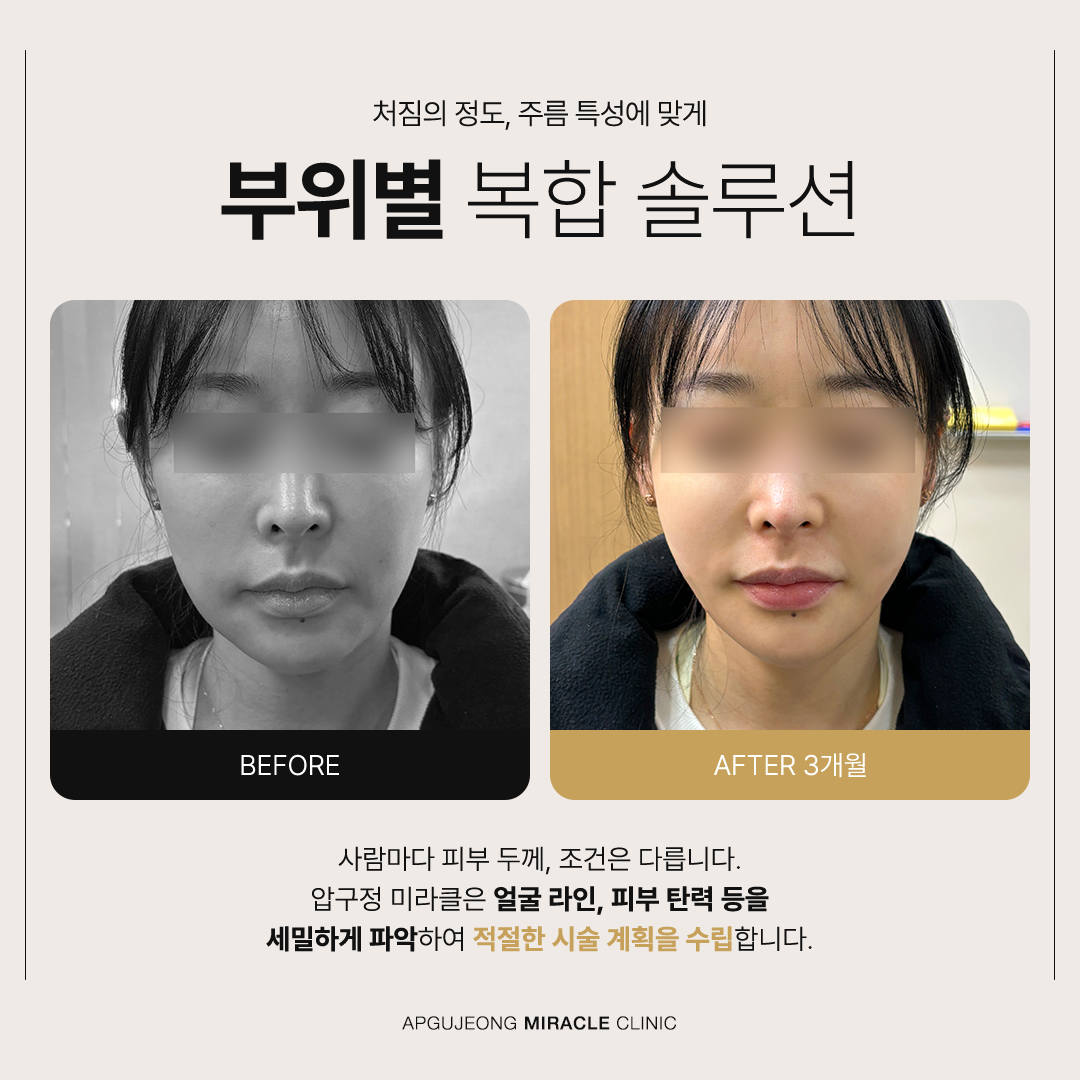
Types of thread lifting options commonly available in Gangnam
In Gangnam, a single clinic may offer several thread systems rather than relying on only one type. The main categories often include:
Barbed threads
These are usually made of absorbable materials such as PDO or PLLA. Tiny barbs along the thread anchor into the tissue and provide a mechanical lifting effect. They are often used for lifting jowls, cheeks, and jawline.
Cone-based threads
Cone-type threads use small cone-shaped structures along the thread to grip and reposition tissue. They are often chosen when a more structural repositioning is needed, such as lifting heavier lower-face sagging or improving mid-face droop.
Short mesh or mono threads
These are fine threads placed in a mesh-like pattern. Their main role is to stimulate collagen and improve skin texture and firmness rather than to create a strong lifting effect. They can be used around fine lines or in areas with mild laxity.
Combination lifting packages
Many Gangnam clinics brand their own lifting concepts, such as V-line lifting or multi-layer lifting. These packages may combine several thread types with device-based treatments like HIFU or ultrasound tightening. The exact mix is usually adjusted based on:
- Skin thickness and elasticity
- Degree of sagging and heaviness of the lower face
- Facial fat volume and distribution
- Previous treatments such as earlier threads, HIFU, or liposuction
Because of these variables, the most suitable thread type and plan can differ significantly from person to person. A careful facial analysis and discussion of previous procedures are important before deciding.
Apgujeong Miracle Clinic in Gangnam
Among the clinics in Gangnam, there is an outpatient clinic called Apgujeong Miracle Clinic, located in a building near Apgujeong Rodeo Station on the Suin–Bundang Line. The clinic states that it focuses on thread lifting and lifting re-treatment; prospective patients should confirm staffing, services, and any program details directly with the clinic.
According to its own slogan, the clinic emphasizes thread lifting and revision after previous lifting. It also runs a separate program for thread removal and revision planning for patients who had unsatisfactory lifting at other clinics.
These are examples of media and industry exposure and should be considered as background information rather than proof of superiority.
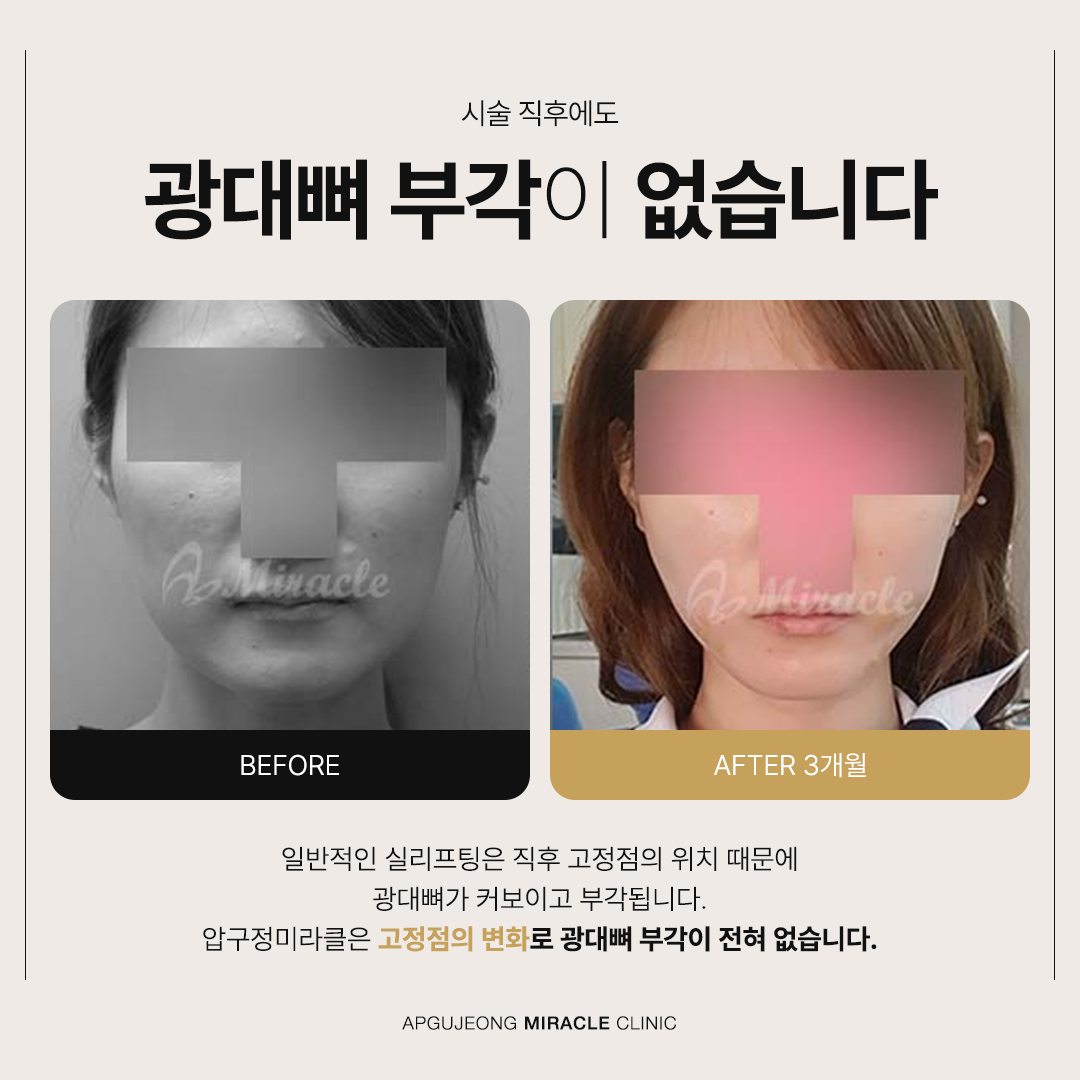
Patients should confirm exact hours in advance, especially when planning an overseas visit.
Lifting and anti-aging lineup at one clinic
One practical point for overseas patients is the possibility to compare several lifting methods in one place. Apgujeong Miracle Clinic offers a broad lineup of options related to lifting and contouring.
Thread lifting systems
The clinic uses multiple thread lifting systems, including several branded thread types and proprietary lifting packages. This allows the staff to adjust the intensity and pattern of lifting depending on whether the patient is a first-timer or has already had threads placed elsewhere.
Device-based lifting
Alongside threads, the clinic may offer energy-based devices such as ultrasound/HIFU platforms or similar systems that deliver focused energy to deeper layers to tighten tissue. These treatments are often combined with threads to enhance lifting and collagen stimulation.
Body lifting options
Beyond the face, the clinic also provides body lifting treatments for areas such as arms, abdomen, and thighs. For some patients, combining facial lifting with body contouring can be part of a broader anti-aging plan.
Related contouring and anti-aging services
The clinic also offers procedures that can be combined with thread lifting for more complete facial contouring:
Facial liposuction for cheeks or jawline, and body liposuction
Contouring injections aimed at facial slimming
Cell-based or regenerative approaches discussed during consultation (verify clinical evidence, regulatory approval, and safety with the clinic)
Botox and fillers for fine-tuning expression lines and restoring volume that threads alone cannot address
For overseas patients, having these options in one clinic can make it easier to build a customized plan without visiting multiple locations. However, not every patient needs all of these treatments. A step-by-step plan is usually safer than doing everything at once.
Focus on revision and thread removal
A key differentiator of Apgujeong Miracle Clinic is its dedicated program for thread removal and revision after previous lifting. This is particularly relevant for international patients who had thread lifting or device-based lifting in their home country or at another clinic in Korea and are not satisfied with the outcome.
Reasons patients seek revision
Typical issues that lead to revision consultations include:
- Visible or palpable threads under the skin
- Uneven lifting or unnatural dimpling when smiling or talking
- Insufficient lifting effect or rapid loss of effect
- A mismatch between expectations and actual outcome
- Discomfort, tightness, or pain related to previous threads
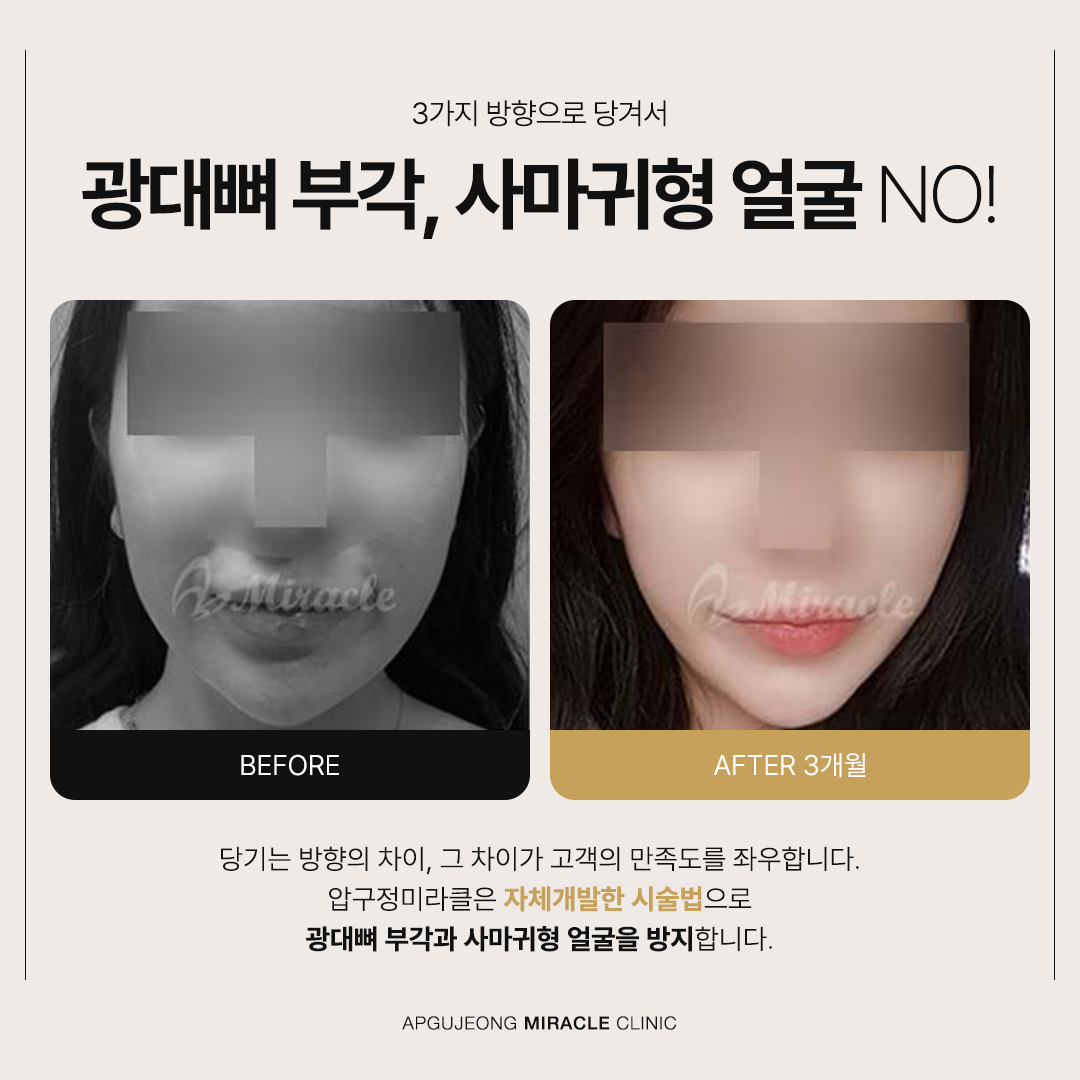
Thread removal
The clinic offers removal of previously inserted threads when they cause asymmetry, irregularities, or discomfort, within the limits of what is safely removable. Not all threads can or should be removed. The decision depends on:
- Location of the threads
- Type of thread material and design
- Time since insertion and degree of tissue integration
- Current symptoms such as pain, infection, or exposure
In some cases, leaving old threads in place and working around them may be safer. In other cases, partial removal may be recommended before planning new lifting.
Why revision is more complex
Revision lifting is generally more complex than first-time lifting. Scar tissue, remaining threads, and altered tissue planes can change how new threads behave. This means careful assessment, realistic goal-setting, and sometimes staged treatment are important.
Patients should be prepared for the possibility that revision may aim for improvement rather than complete correction. A detailed consultation with clear communication about priorities can help set a realistic plan.
Who may consider Gangnam thread lifting
Gangnam thread lifting may be considered by adults who:
Notice sagging of the cheeks, jawline, or neck but are not ready for surgical facelift
Want to refine the jawline or reduce jowls with a minimally invasive method
Have tried device-based lifting like HIFU and want a stronger mechanical lift
Previously had thread lifting or other lifting treatments and want revision or upgrade
People with very heavy sagging or very thin, fragile skin may need a different strategy or may be advised that thread lifting alone has limited benefit. Medical conditions, medications, and smoking status can also affect suitability and healing.
Online consultation and pre-visit preparation
For overseas patients, online consultation is usually the first step. Most Gangnam clinics, including Apgujeong Miracle Clinic, communicate through email, messaging apps, or online forms.
Information to prepare for online consultation
To make the consultation more accurate, it is helpful to prepare:
Clear photos of your face and neck from front, 45-degree, and side views in good lighting
A list of previous procedures, including dates, types of threads or devices, and where they were done
Information about any fillers, Botox, liposuction, or implants in the face or neck
Medical history, including chronic illnesses, medications, allergies, and any history of keloid or problematic scarring
Your main concerns and priorities, such as jowls, nasolabial folds, marionette lines, or double chin
If you are seeking revision or thread removal, photos showing the problem areas when you smile, talk, and at rest can be helpful. Any previous medical records or treatment summaries, if available, can also support planning.
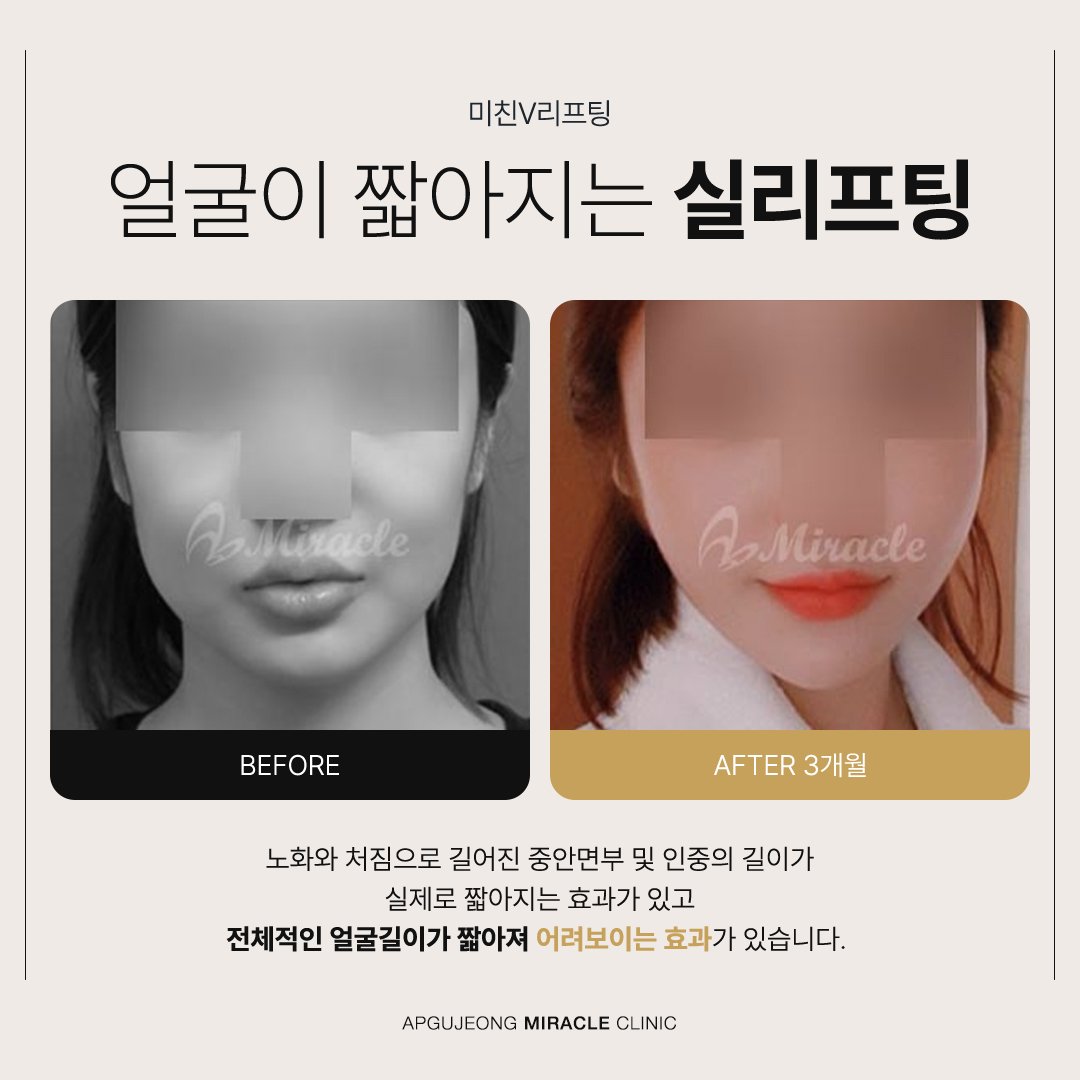
Questions to ask before you decide
Before confirming treatment, many patients find it useful to ask:
- Which thread types and how many threads are being considered for me, and why
- Whether thread removal is recommended before new lifting
- Which device-based treatments, if any, are suggested together with threads
- Expected downtime in terms of swelling, bruising, and activity limitations
- How follow-up will be handled if you return to your home country soon after treatment
Expected Korea visit timeline for thread lifting
The exact schedule depends on your plan, but a typical timeline for overseas patients might look like this.
Day 1: Arrival and in-person consultation
You arrive in Seoul and visit the clinic for an in-person consultation. The doctor reviews your medical history, examines your face, and confirms or adjusts the plan discussed online. If you agree, treatment may be scheduled for the same day or the next day, depending on complexity and clinic schedule.
Day 1 or 2: Thread lifting procedure
If your case is straightforward and you are healthy, the procedure may be done on the same day as consultation. For more complex revision cases, the clinic may prefer to schedule the procedure on another day to allow more preparation.
Day 2–3: Early check-up
A short follow-up visit is often recommended within a few days to check healing, remove any simple dressings if used, and answer questions. Some patients combine this with other minor treatments such as Botox or fillers if appropriate.
Day 4–7: Recovery period in Korea
Most patients experience some swelling, tightness, and possibly bruising during the first week. Staying in Korea for at least several days after the procedure allows you to attend follow-up visits if needed and gives time for early recovery before flying.
If you are planning thread removal plus new lifting in the same visit, you may need a slightly longer stay, depending on the plan.
Aftercare and recovery
Immediately after the procedure, you can usually go back to your accommodation the same day. Thread lifting is an outpatient treatment.
Common short-term effects
- Temporary swelling and bruising
- Mild to moderate pain or tightness along the thread paths
- Temporary dimpling or irregularity in some facial areas
- Mild difficulty with wide mouth opening or strong facial expressions for a few days
These usually improve as the tissues settle. Cold compresses and prescribed medication, if given, can help with discomfort.
General aftercare tips
Follow the clinic’s instructions about sleeping position, usually avoiding pressure on the treated side for several days
Avoid strong facial massages, heavy chewing, or wide yawning in the early period
Keep entry points clean and avoid makeup on those areas until the clinic says it is safe
Avoid intense exercise, sauna, or hot baths for a period recommended by the clinic
Report any unusual symptoms such as strong pain, redness, or discharge at entry points
Longer-term expectations
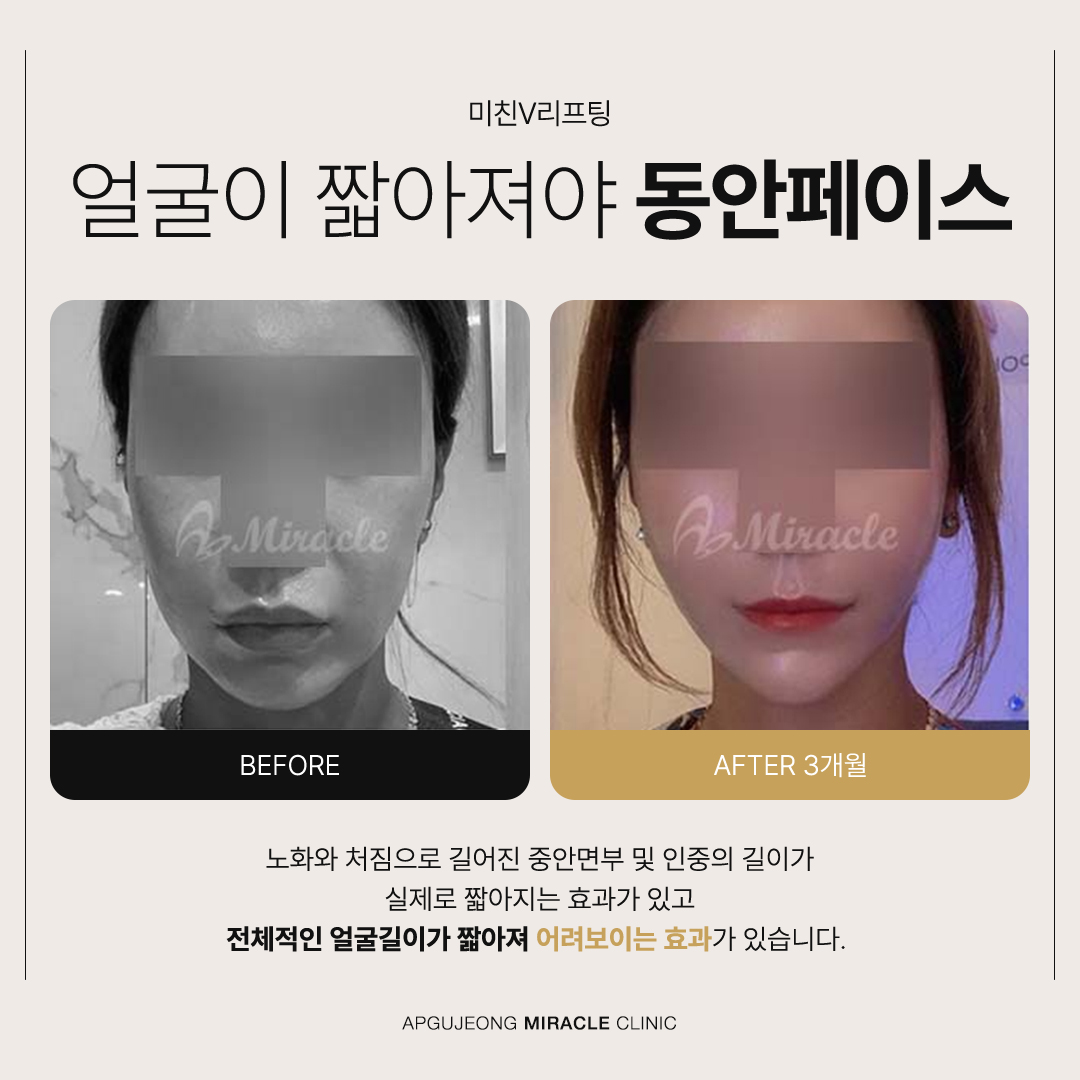
The initial lifting effect may be visible right away, but the final result usually develops over weeks to months as swelling subsides and collagen forms around the threads. Some minor asymmetry or tightness can be felt during this settling phase.
The longevity of results depends on factors such as age, lifestyle, skin quality, and thread type. Maintenance or repeat procedures may be needed after a certain period. This should be discussed during consultation so you can plan realistically.
Procedure overview: how thread lifting is done
While details differ by clinic and thread system, the general steps of thread lifting are similar.
Marking
The doctor marks lifting vectors and entry and exit points on the face or neck. This step is important to plan how the tissue will be repositioned and to avoid important structures.
Anesthesia
Local anesthesia is injected into the treatment areas. Sometimes topical anesthetic cream or nerve blocks are added to increase comfort. General anesthesia is not usually needed.
Thread insertion
Threads are inserted through a cannula or needle along the planned vectors. The doctor gently advances the thread under the skin to the target area.
Adjustment and trimming
Once the thread is in place, the doctor adjusts and tightens it to achieve the desired lift. Excess thread ends are trimmed, and small dressings may be applied to entry points.
Treatment time
Depending on the number of threads and whether both sides of the face and neck are treated, the procedure time is often under one to two hours. You can usually go home the same day.
Combining thread lifting with other treatments
In Gangnam, combination strategies are common to address different layers and aspects of aging.
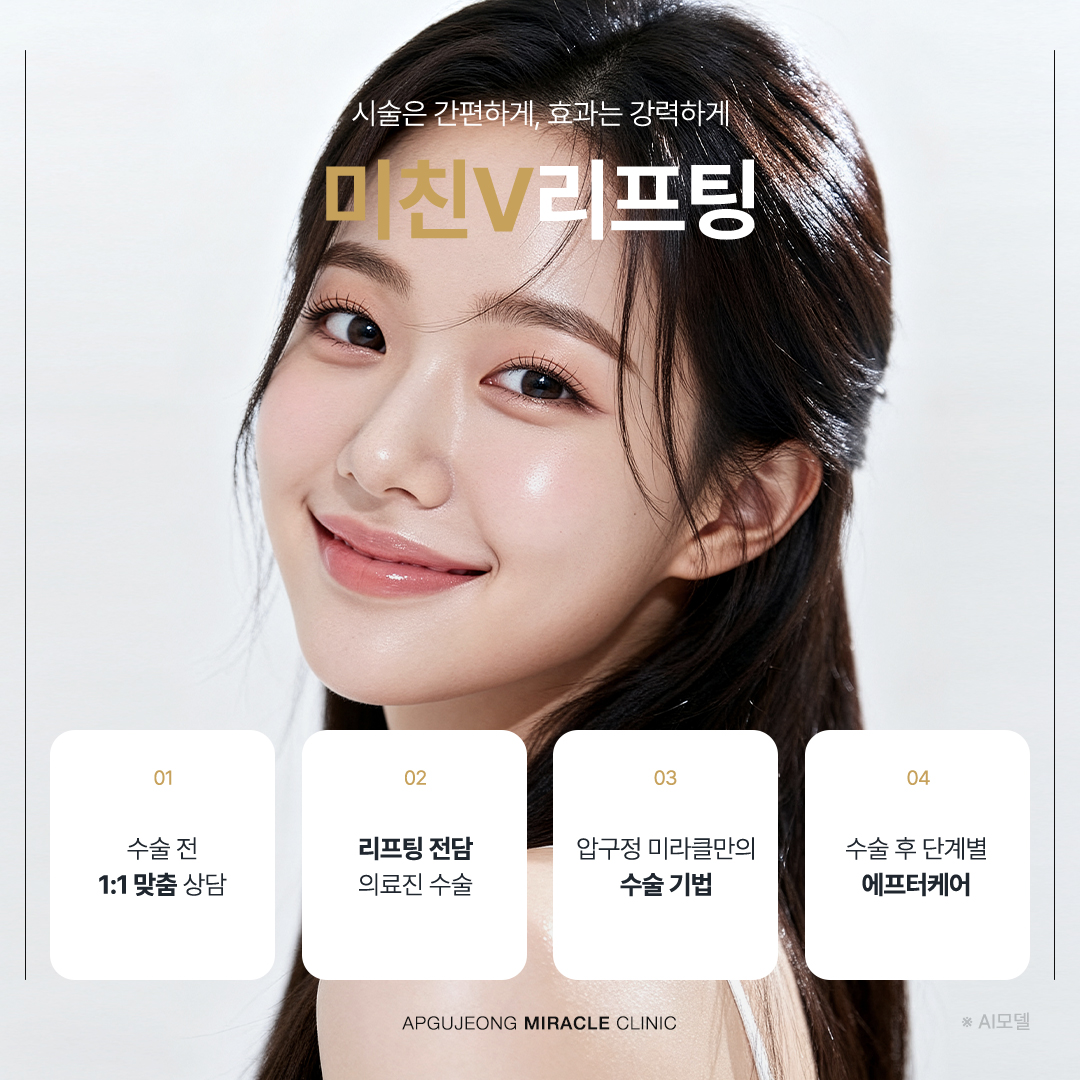
Threads plus HIFU or ultrasound
In some cases, devices are done before threads; in others, they are scheduled at a different time depending on the plan.
Threads plus facial liposuction or contour injections
For patients with a heavy lower face or double chin, reducing volume with facial liposuction or contour injections can enhance the jawline and make thread lifting more effective. The sequence and timing should be planned carefully to minimize risks.
Threads plus Botox and fillers
Threads mainly reposition tissue; they do not directly treat dynamic wrinkles or significant volume loss. Botox can relax overactive muscles that cause wrinkles, and fillers can restore volume in areas such as cheeks or nasolabial folds. When used together with threads, they can create a more balanced result.
Threads plus stem cell-based anti-aging
Some patients are interested in long-term skin quality and regeneration. Stem cell-based treatments may be suggested as part of a broader anti-aging plan. These are usually discussed in detail during consultation, including realistic expectations and safety.
All combinations should be personalized. More is not always better, and over-treatment can look unnatural or increase risk. A stepwise approach, with time to observe each stage, is often safer.
Safety, risks, and realistic expectations
Thread lifting is minimally invasive but still a medical procedure with potential side effects and complications.
Common temporary side effects
Swelling and bruising around the treated areas
Mild pain, tightness, or pulling sensation, especially when moving facial muscles
Temporary dimpling or irregularities that often smooth out as tissues relax
Possible complications
- Persistent asymmetry or severe irregularities
- Infection at entry points, which may require medical treatment
- Exposure of thread material through the skin or inside the mouth
- Prolonged pain or discomfort
If you notice signs of infection, exposed threads, or strong asymmetry, you should contact the clinic promptly. For overseas patients, it is important to know in advance how to reach the clinic after you return home.
Realistic expectations
Results are gradual and can change over several weeks to months. Some improvement may be visible immediately, but the final contour becomes clearer after swelling goes down and collagen forms.
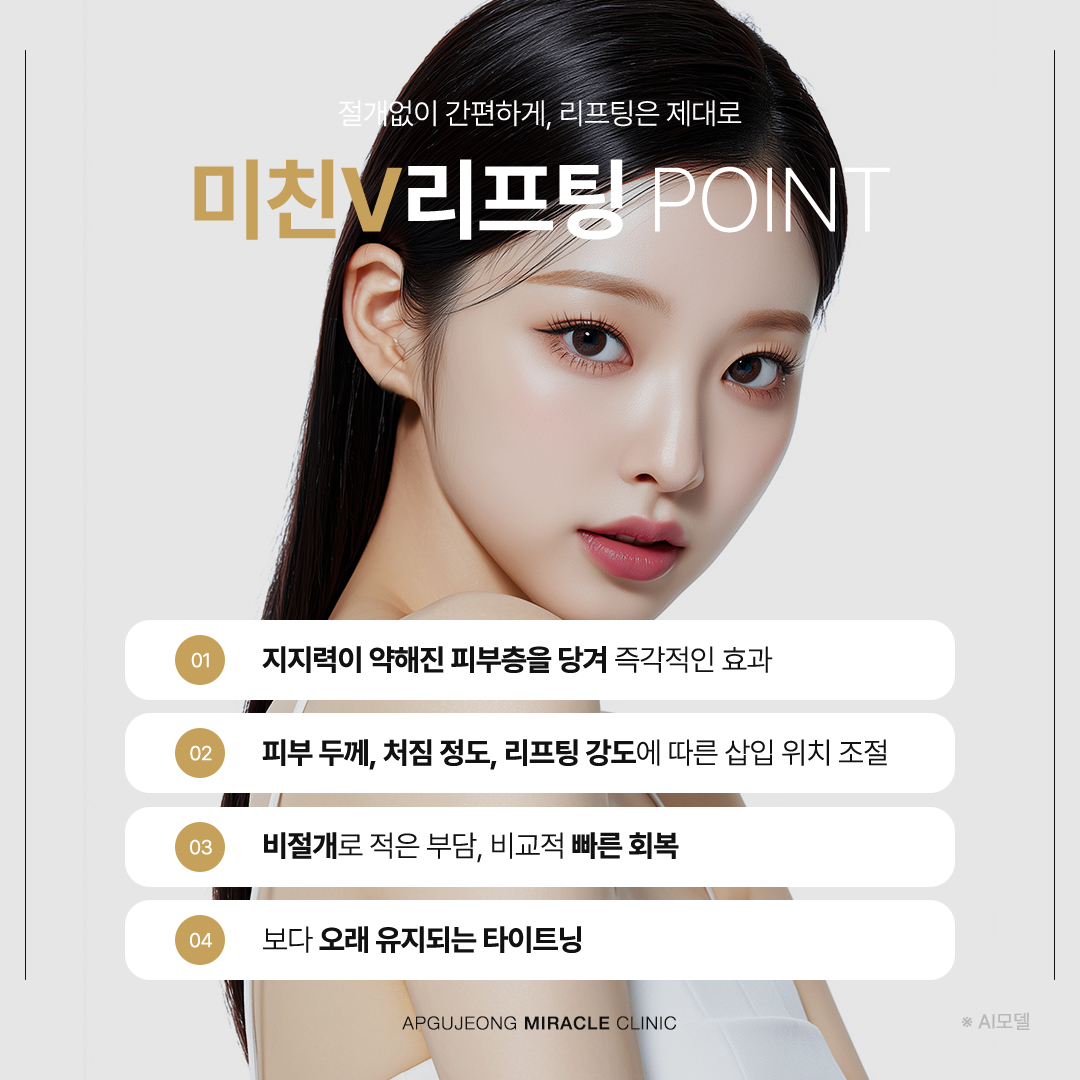
Thread lifting does not stop aging. Over time, tissues continue to change, and the lifting effect gradually decreases. Maintenance treatments or combination approaches may be needed, which should be part of your long-term plan.
How to choose a Gangnam thread lifting clinic
When choosing a thread lifting clinic in Gangnam, consider the following points.
Experience with multiple thread systems and revision
Clinics that use several thread types and have experience with revision cases may be better prepared to adapt the plan to your situation, especially if you already have threads from another clinic.
Clear explanations
During consultation, the clinic should explain the pros and cons of each method rather than pushing a single package. They should discuss risks, downtime, and realistic outcomes in a way that you can understand.
Documentation and feedback
Ask whether the clinic has case materials such as before-and-after photos, videos, or real patient feedback. These materials can help you understand the range of possible outcomes, but they do not guarantee the same result for you.
Transparency about who treats you: Confirm who will perform the procedure and verify that they are a licensed medical doctor with appropriate training and credentials (for example, a board-certified plastic surgeon or dermatologist). Ask to see documentation of their qualifications and experience, request details about who will provide follow-up care, and clarify how aftercare will be handled—especially if you will be returning home soon after the procedure.
Confirm who will perform the procedure, what their role is, and how follow-up will be handled, especially after you leave Korea. For overseas patients, clear communication channels are important.
For those seeking revision or thread removal, look for clinics that openly mention these services and describe how they approach complex cases.
FAQ about Gangnam thread lifting
What is different about getting thread lifting in Gangnam compared to other places?
Gangnam has a high concentration of clinics that perform thread lifting and related anti-aging treatments. Many clinics offer multiple thread systems and device-based lifting options in one place, which can make it easier to compare methods and build a customized plan. However, the basic medical principles are similar everywhere, so the most important factors are the clinic’s experience, communication, and how well the plan matches your individual needs.
How long do thread lifting results usually last?
The duration varies widely depending on thread type, skin quality, age, lifestyle, and how your body responds. Some people feel improvement for many months, while others notice gradual changes sooner. Thread lifting is generally considered a temporary solution, and maintenance or repeat treatments may be needed. During consultation, you can discuss a realistic time frame for your situation.

Is revision thread lifting more risky than first-time lifting?
Revision cases are often more complex because of scar tissue, remaining threads, and altered tissue planes. This can make planning and execution more challenging. It does not automatically mean it is unsafe, but it does require careful assessment, realistic goals, and sometimes a staged approach. Not all previous threads can or should be removed, and your doctor will weigh the benefits and risks of each option.
How many days should I stay in Korea for thread lifting at Apgujeong Miracle Clinic?
The ideal stay depends on your plan and whether you need thread removal, combination treatments, or only thread lifting. Many overseas patients plan to stay at least several days to allow for consultation, procedure, and early follow-up. More complex revision cases may benefit from a slightly longer stay. It is best to discuss your travel schedule with the clinic during online consultation so they can suggest a suitable timeline.
Soft call to action for online consultation
If you are considering Gangnam thread lifting, whether for a first-time lift or revision after previous procedures, an online consultation can help you understand your options before you travel. Apgujeong Miracle Clinic near Apgujeong Rodeo Station offers multiple thread systems, device-based lifting, and a dedicated program for thread removal and revision planning. By sharing your photos, treatment history, and main concerns in advance, you can receive a more tailored explanation of possible approaches and prepare a realistic schedule for your visit to Korea.

- 공유 링크 만들기
- X
- 이메일
- 기타 앱


댓글
댓글 쓰기