Cheongdam-dong lifting price guide for non-surgical face lifting
- 공유 링크 만들기
- X
- 이메일
- 기타 앱

Direct answer summary
If you're checking Cheongdam-dong lifting prices, clinics in the Cheongdam and Apgujeong Rodeo area typically quote based on treatment type, target area, and intensity rather than a single flat fee.
Thread lifting can be among the more expensive non‑surgical options at some clinics, but prices vary widely—confirm itemized quotes and what is included. Device-based lifting (for example, Ulthera, Shurink, Doublo) is often priced by shot count, cartridge type, or treatment area. Combination plans that mix threads and devices may cost more than a single method; ask clinics about expected outcomes, follow‑up, and total costs.
Prices vary widely between clinics in Cheongdam-dong and Apgujeong, so it is more realistic to compare what is included in the fee, how many shots or threads are used, and what kind of aftercare you receive, rather than focusing only on the lowest quote.
Below is a practical guide to help you understand typical price factors, choose between thread lifting and device-based lifting, and plan your visit to Korea.
Overview of non-surgical face lifting in Cheongdam-dong
Cheongdam-dong and the nearby Apgujeong Rodeo area in Gangnam are known for many clinics offering non-surgical face lifting. For overseas patients, this area is attractive because several clinics are used to international visitors and can provide online consultation before you fly to Korea.
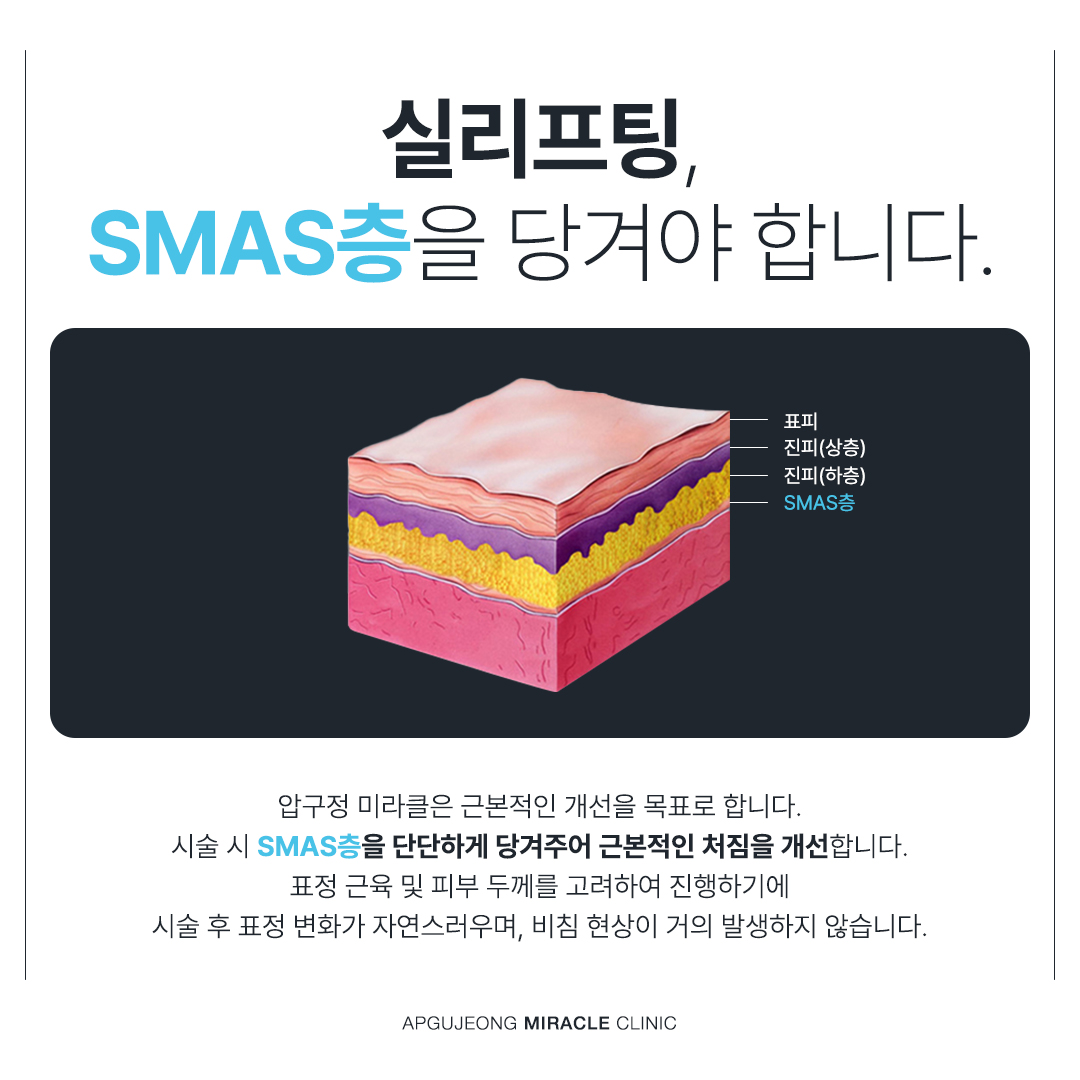
Non-surgical lifting here usually means two large categories. One is thread lifting, where dissolvable medical threads are placed under the skin to create mechanical lifting and stimulate collagen. The other is device-based lifting, such as Ulthera, Shurink, and Doublo, which use ultrasound energy to tighten deeper layers of the skin without incisions.
Clinics in this area often design lifting plans that combine these options according to facial shape, skin thickness, and degree of sagging. Because of this, there is no single standard price. Instead, the fee is built from several elements: which device is used, how many shots, which cartridge depth, how many threads, and which areas of the face and neck are treated.
Types of lifting and how they affect price
Thread lifting
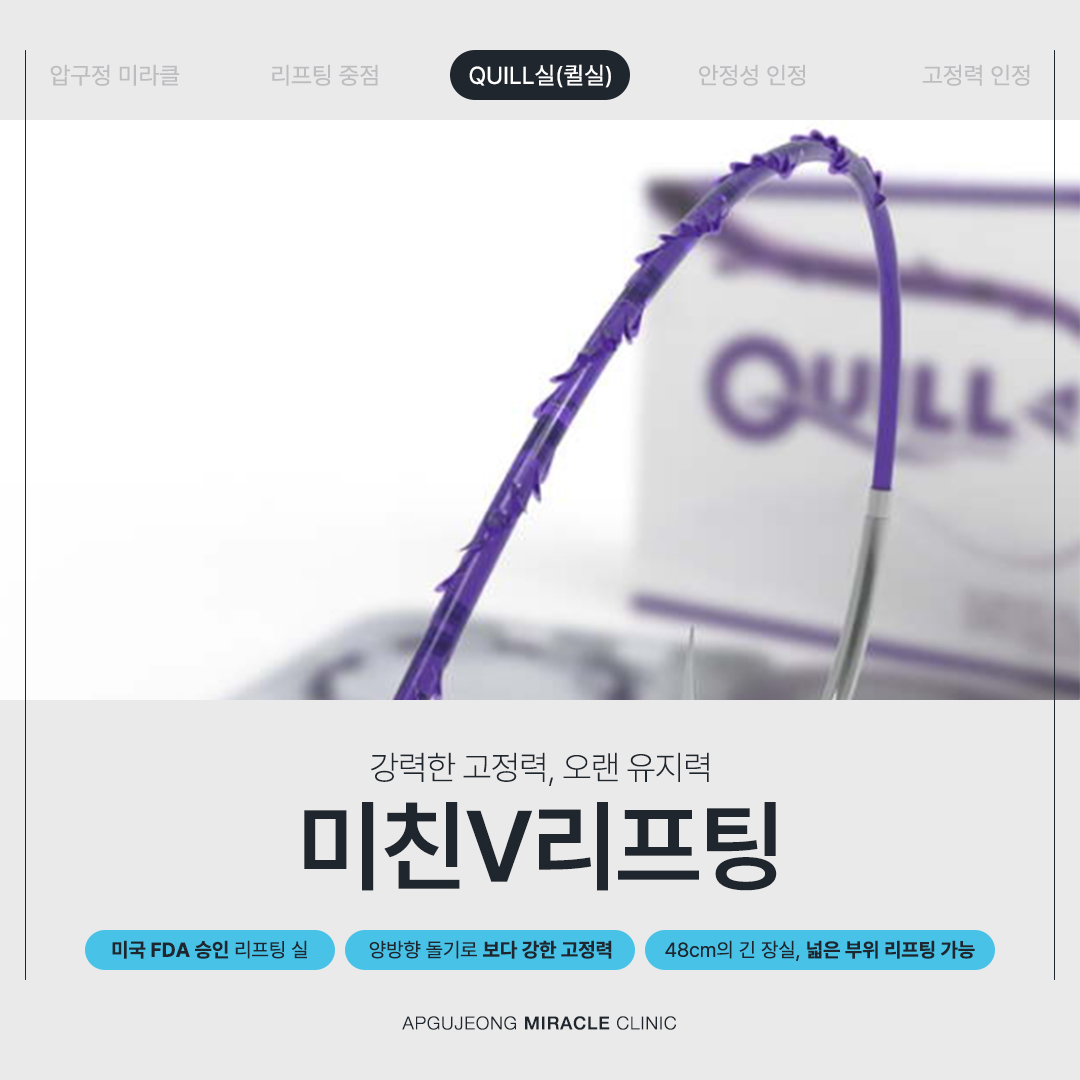
Thread lifting uses special threads inserted under the skin to pull and support sagging areas such as the jawline, cheeks, or nasolabial folds. The threads gradually dissolve over time while stimulating collagen.
In Cheongdam-dong, the cost of thread lifting is usually influenced by the number of threads, the type or brand of thread, and the complexity of the design. A simple lift using a few threads for a mild jawline correction will usually be at the lower end of the price range. A more complex full-face lift using many threads or mixed thread types will be higher.
When comparing thread lifting prices, it is important to ask whether the quoted fee includes all threads needed for your case, local anesthesia or sedation if used, follow-up visits, and any touch-up policy. Some clinics may quote a base price for a minimum number of threads, then add extra cost if more are needed on the day.
Ulthera
Some ultrasound lifting devices are marketed as reaching deeper tissue layers; consult your clinician about which layers a specific device is intended to affect and the supporting evidence.
In Cheongdam-dong and Apgujeong, Ulthera is usually priced by shot count and treatment area. For example, a lower face and jawline plan will have a different shot number and fee than a full-face and neck plan. Higher shot counts generally mean a higher fee but also more coverage and energy.
When you receive a quote, ask how many shots are included, what areas are covered, and whether the clinic adjusts the shot number based on your skin thickness or sagging. Also ask if the price includes numbing, cooling care, and a follow-up check.
Shurink
Shurink is another ultrasound lifting device widely used in Korea. It is often more budget-friendly than Ulthera while still targeting deeper layers of the skin. Many Cheongdam-dong clinics offer Shurink as a maintenance option or for patients who want a milder lift or shorter downtime.
Shurink prices are also usually based on shot count and area. Some clinics promote package plans with a fixed number of shots for the whole face, V-line, or specific zones like the jawline or double chin. Because Shurink is often used repeatedly as maintenance, clinics may suggest a series plan, which can change the per-session cost.
Doublo
Doublo is another ultrasound lifting device used for skin tightening and lifting. In many Cheongdam-dong clinics, Doublo is positioned similarly to Shurink as a non-invasive lifting option with relatively quick treatment time.
As with Ulthera and Shurink, Doublo pricing is generally based on shot count, cartridge depth, and treated areas. Some clinics may use Doublo for larger coverage and combine it with other devices or threads for detailed lifting around the jawline or marionette lines.
Combination plans
Many clinics in Cheongdam and Apgujeong design combination plans that mix thread lifting with device-based lifting. For example, threads may be used to define the jawline and cheek lifting, while Ulthera, Shurink, or Doublo is used for overall tightening and skin quality.
Combination plans usually cost more than a single method because they involve more time, materials, and follow-up. However, some patients prefer this approach if they want both visible lifting and gradual collagen improvement.
When you receive a combination quote, ask which part of the result is expected from threads and which from devices, how many threads and shots are included, and how the sessions are scheduled.
Main factors that influence lifting price in Cheongdam-dong
Treatment area and severity
The larger the area treated, the higher the cost. Treating only the jawline and double chin is different from treating full face and neck. Also, if sagging is more advanced, the clinic may recommend more threads or higher shot counts, which affects the fee.
Device type and shot count
Ulthera, Shurink, and Doublo each have different cartridge costs and energy profiles. Ulthera is often at the higher end among devices. Within the same device, a higher shot count generally increases the price but also increases coverage and intensity.
Thread type and number
There are various thread designs, such as cog threads, mono threads, and others, each with different costs. The number of threads needed depends on your facial structure and desired change. More threads and more complex designs will usually lead to higher fees.
Doctor’s experience and clinic location
Clinics in central Cheongdam-dong and Apgujeong Rodeo may have higher operating costs than clinics in other districts, which can reflect in the fee. Also, practitioners with long experience in lifting procedures may structure their prices differently. While price alone does not guarantee quality, it is one factor to consider together with consultation quality and safety systems.
Anesthesia, time, and aftercare
Some clinics include numbing cream, local anesthesia, or light sedation in the base price, while others charge separately. Longer, more detailed lifting sessions require more staff time and room usage. Aftercare such as cooling treatments, LED therapy, or follow-up skin care sessions may or may not be included in the initial quote.
Who may consider non-surgical lifting in Cheongdam-dong
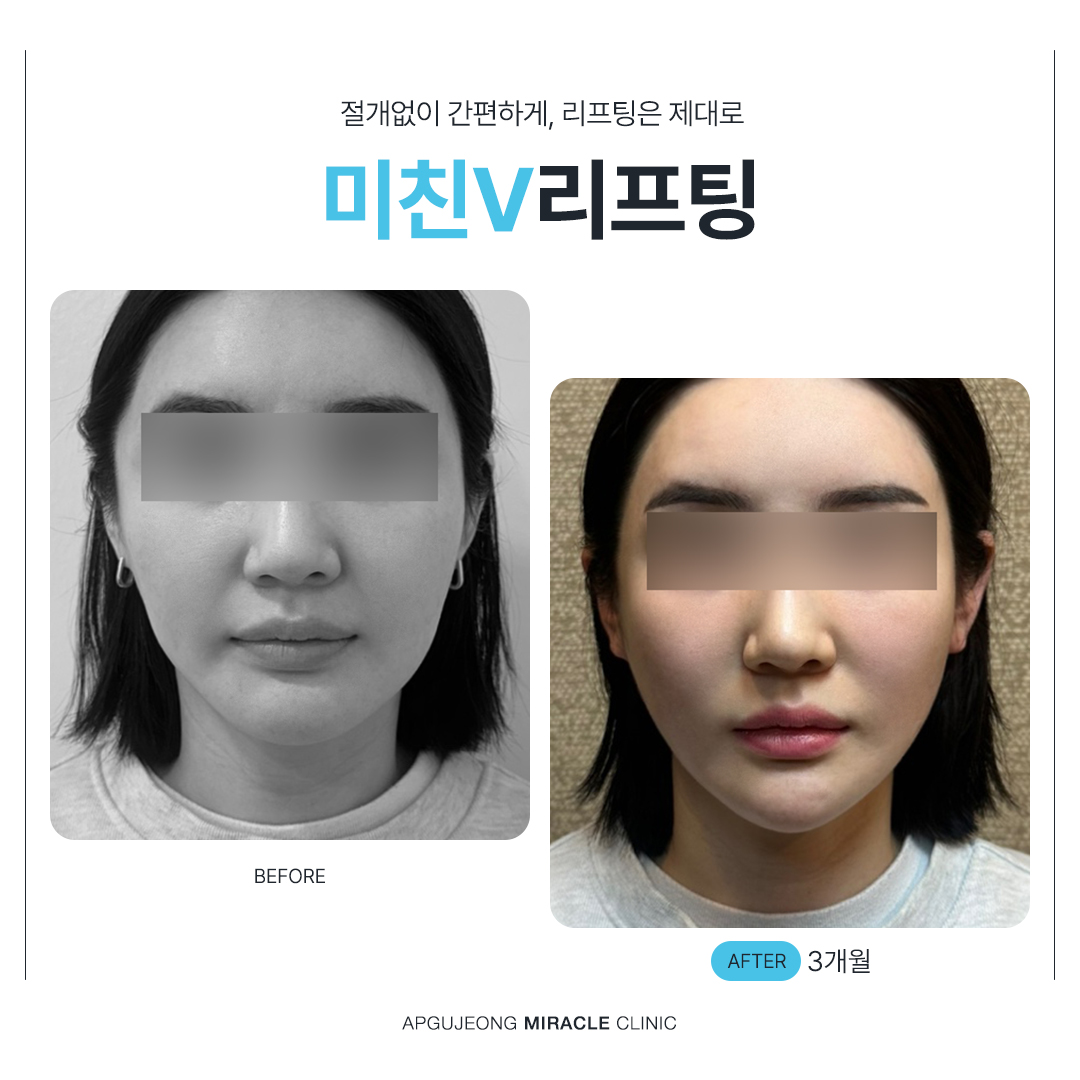
Non-surgical lifting is often considered by people who notice early to moderate sagging but do not want surgery. Typical concerns include a less defined jawline, mild jowls, nasolabial folds, marionette lines, and general loss of firmness in the cheeks or lower face.
People in their late 20s to 30s sometimes choose device-based lifting such as Shurink or Doublo for prevention and early tightening. Those in their 30s to 40s may combine Ulthera or Shurink with threads for more visible lifting. In older age groups, non-surgical lifting can still offer improvement, but expectations need to be discussed carefully, as very advanced sagging may respond less.
If you have previously had lifting elsewhere and are considering correction or re-treatment, it is important to inform the clinic about your past procedures. This includes any threads still present, previous Ulthera, Shurink, or Doublo sessions, and any complications such as asymmetry, dimpling, or prolonged pain.
Certain medical conditions, medications, or skin conditions may affect whether you are a good candidate. An individual consultation with a medical professional is necessary to confirm suitability and safety.
How to compare lifting prices and plans before you visit
When you search online for Cheongdam-dong lifting prices, it is easy to focus only on the number. However, the most useful comparison is to look at what is actually included in that fee.
For device-based lifting, clarify the exact device name, shot count, cartridge depths used, and which areas of the face and neck are covered. Ask whether the clinic adjusts the plan if your skin is thicker or sagging is stronger than average.
For thread lifting, ask which thread types are used, how many threads are planned, and which vectors or directions they will be placed. Also ask what kind of anesthesia is used and how long the procedure is expected to take.
It can be helpful to prepare a small checklist before contacting clinics. For example, you may want to note your age, main concerns, previous procedures, and budget range. Then you can ask each clinic the same set of questions, such as:
By comparing answers, you can see which clinic offers a plan that matches both your expectations and your budget, rather than choosing only by the lowest starting price.
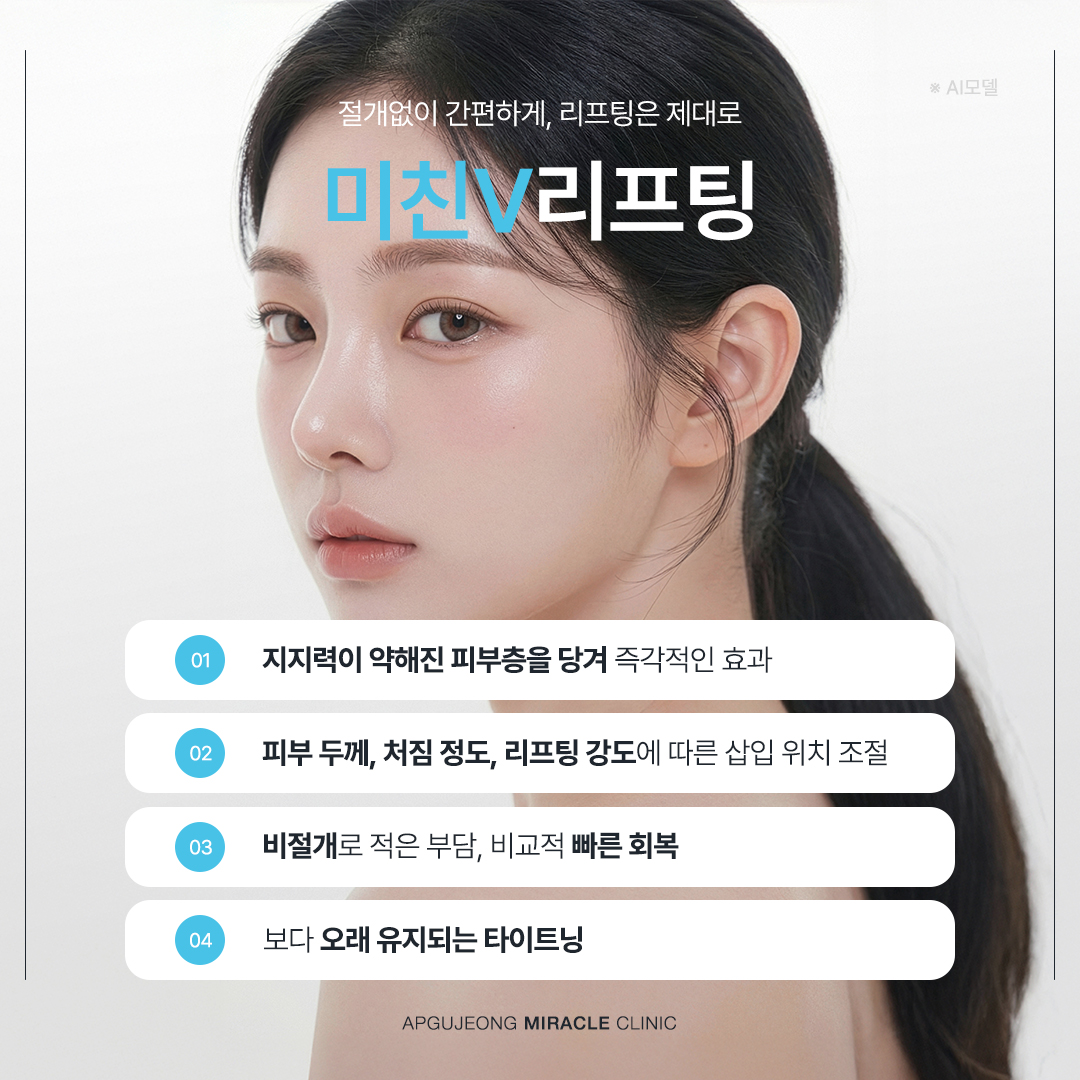
Online consultation and pre-visit preparation
For overseas patients, most Cheongdam-dong and Apgujeong clinics offer online consultation through email, messaging apps, or video calls. This step is important for estimating the treatment plan and price range before you book flights.
To make the most of online consultation, prepare clear front and side photos of your face and neck in good lighting, without filters or heavy makeup. If possible, include neutral expression photos and photos when you slightly pull the skin upward where you wish to see lifting. This helps the clinic understand your concerns.
Also prepare a simple medical history, including any chronic illnesses, medications, allergies, previous face treatments, and whether you have any metal implants or devices in your body. Inform the clinic if you have had previous threads, Ulthera, Shurink, Doublo, or other energy-based treatments, and when they were done.
During online consultation, ask about the expected number of visits, approximate treatment time, recommended rest period, and any restrictions after the procedure. This will help you plan your travel schedule and accommodation.
Expected Korea visit timeline for lifting treatment
Every clinic has its own schedule, but many overseas patients follow a similar pattern when visiting Cheongdam-dong or Apgujeong for lifting.
Day 1 is often used for in-person consultation and detailed examination. The clinic may check your skin, facial structure, and elasticity, explain options, and confirm the plan discussed online. In some cases, treatment can be done on the same day after consent forms and pre-treatment checks are completed.
If you are having device-based lifting only, such as Ulthera, Shurink, or Doublo, , depending on the area. Many patients can return to their hotel right after, with only mild redness or swelling.
If you are having thread lifting, the visit may take longer because of preparation, anesthesia, and post-treatment observation. Mild swelling or bruising can occur, so it is better not to schedule important events immediately after the procedure.
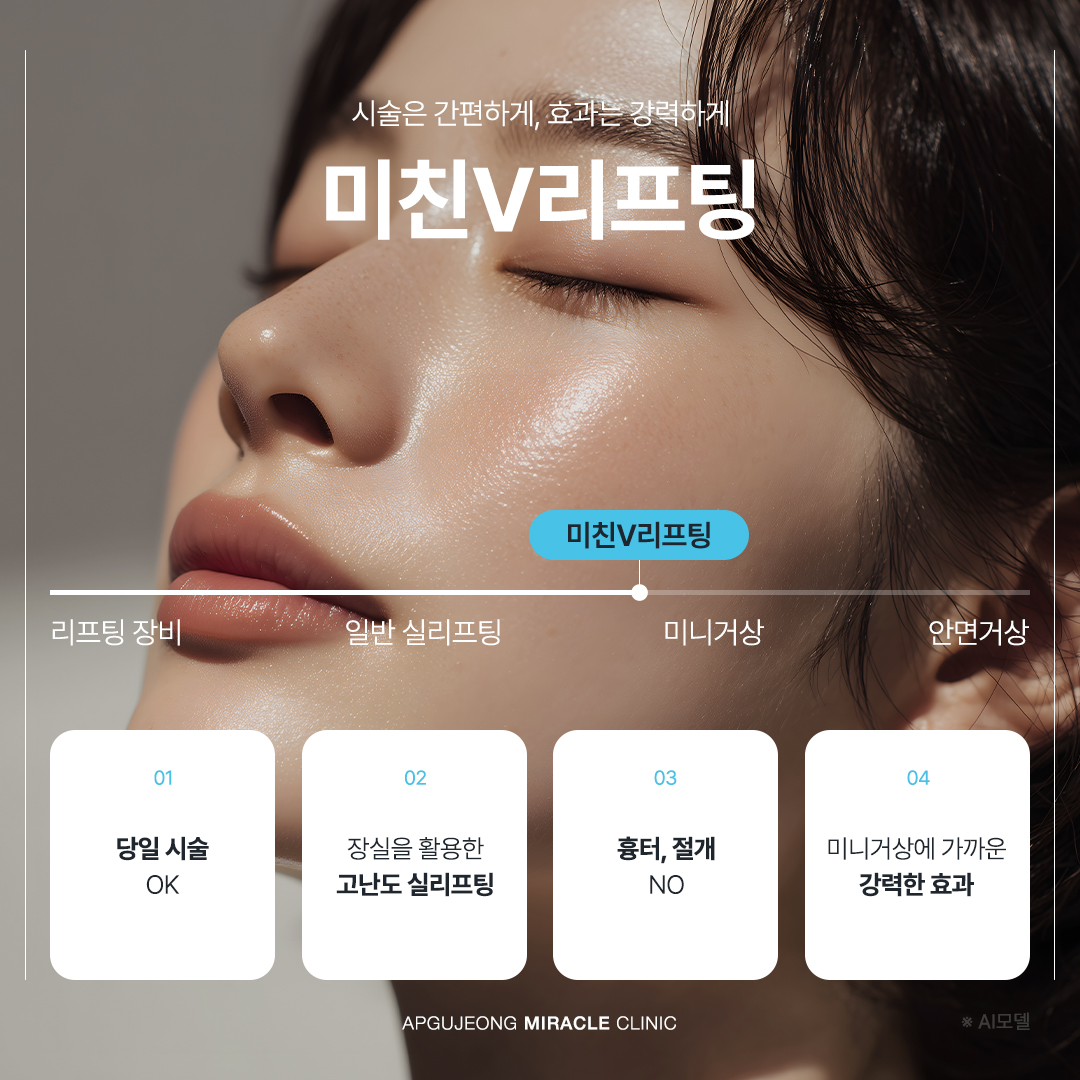
Most clinics recommend at least one follow-up visit within a few days to one week, especially for thread lifting. If your stay is short, inform the clinic in advance so they can arrange follow-up within your travel dates.
In general, staying in Korea for about 3 to 7 days around the procedure gives enough time for consultation, treatment, and at least one check-up. For combination plans or if you want to add other treatments, a longer stay may be more comfortable.
Aftercare and recovery expectations
After device-based lifting such as Ulthera, Shurink, or Doublo, you may feel temporary warmth, mild redness, or slight swelling. These usually calm down within a few hours to a few days. Most people can return to daily activities quickly, but it is recommended to avoid very hot saunas, intense exercise, and heavy alcohol for a short period as advised by the clinic.
After thread lifting, you may experience more noticeable tightness, swelling, or bruising, especially along the jawline and cheeks. Some patients feel pulling sensations when making strong facial expressions in the first days. These feelings usually decrease gradually as tissues adjust.
Clinics often recommend sleeping with your head slightly elevated, avoiding strong facial massage or pressure, and being careful with wide mouth opening in the early period. Specific instructions can vary depending on the thread type and placement.
In both methods, results are not fully visible immediately. Device-based lifting often shows gradual improvement over several weeks to months as collagen is produced. Thread lifting may show an instant mechanical lift, but the final settled look appears after swelling reduces and tissues adapt.
If you are flying back home soon after treatment, follow the clinic’s instructions about flight timing, pain control, and what to do if you notice unusual symptoms later. It can be helpful to ask for a written summary of your procedure and aftercare instructions in English.
Frequently asked questions about Cheongdam-dong lifting prices
What is the typical price difference between thread lifting and Ulthera or Shurink in Cheongdam-dong
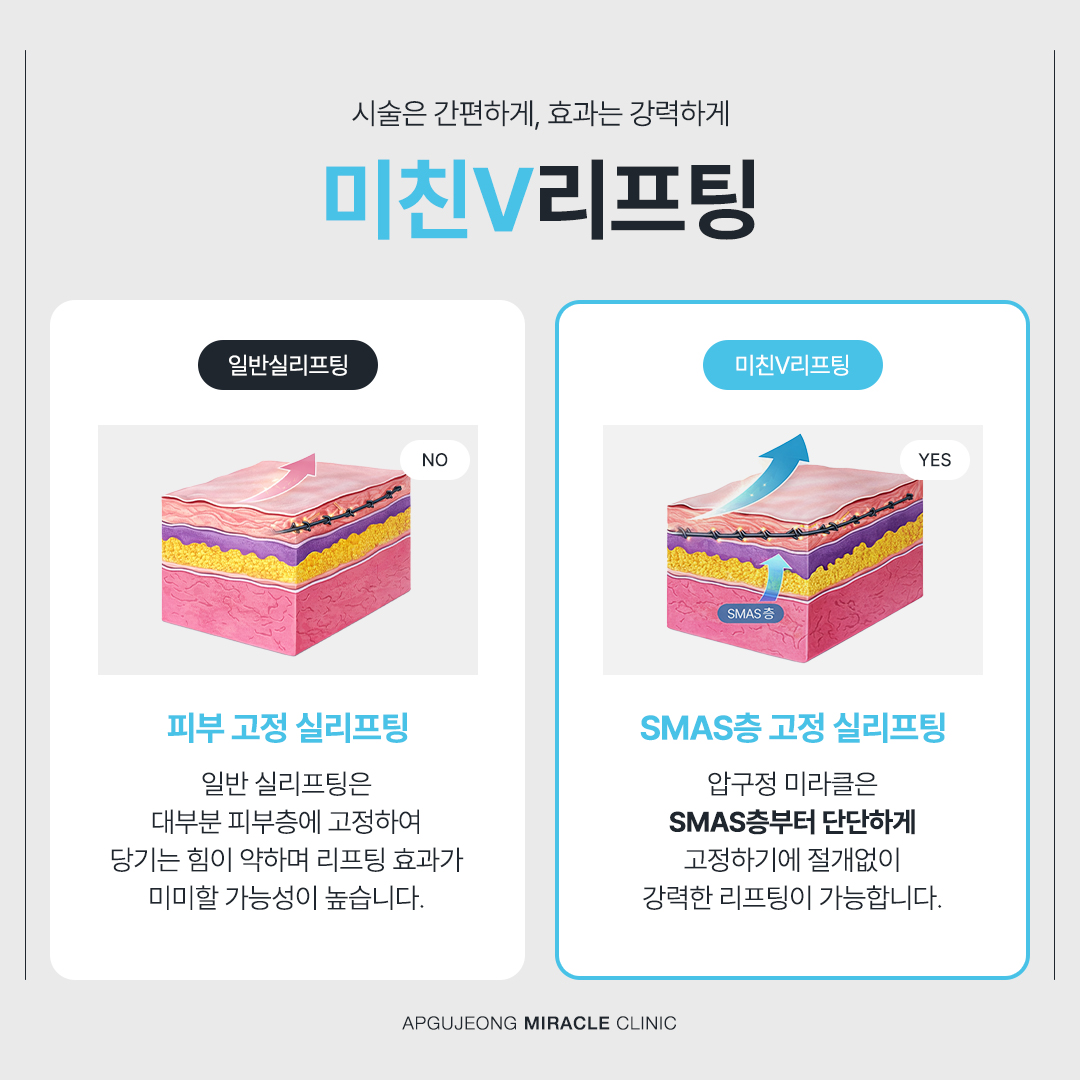
In many Cheongdam-dong and Apgujeong clinics, , depending on the number and type of threads. Ulthera is often at the higher end among device-based options because of cartridge costs. However, actual numbers vary widely between clinics.
When comparing, check not only the base fee but also what is included: number of threads or shots, areas treated, anesthesia, and follow-up care. Some patients choose a more affordable device-based option for maintenance and reserve thread lifting for when they need stronger lifting.
How many days should I stay in Korea for lifting treatment in Cheongdam-dong
For device-based lifting only, many overseas patients stay about 3 to 4 days. This allows time for consultation, treatment, and at least one short follow-up visit. For thread lifting or combination plans, staying 5 to 7 days is often more comfortable, as it gives time for swelling to reduce and for the clinic to check healing before you fly home.
If your schedule is tight, inform the clinic during online consultation so they can propose a realistic plan and follow-up timing.
Can I have lifting again if I already had Ulthera or threads done elsewhere
In many cases, it is possible to have lifting again, but the timing and method need to be decided carefully. The clinic will consider how long ago your previous treatment was, what device or threads were used, and whether any threads are still present.
If you had complications such as dimpling, asymmetry, or prolonged pain, it is important to mention this and, if possible, share previous medical records or photos. The medical team can then assess whether correction, maintenance, or a different method is more appropriate. There is no single standard interval, so an individual consultation is necessary.
What should I check before choosing a Cheongdam-dong clinic for lifting
Before choosing a clinic, check whether they clearly explain the treatment plan, risks, and expected course, not only the benefits. Ask about the exact device name, shot count, and areas for Ulthera, Shurink, or Doublo, and the number and type of threads for thread lifting.
Also check how they handle aftercare, what happens if you have concerns after returning home, and whether they provide English support for communication. Preparing a list of questions in advance and comparing answers from several clinics can help you find a place that matches your expectations, safety priorities, and budget.

Soft call to action for online consultation
If you are considering non-surgical lifting in the Cheongdam-dong or Apgujeong Rodeo area and want to understand realistic price ranges for your face type, an online consultation can be a practical first step. By sharing your photos, concerns, and travel schedule in advance, you can receive a more personalized plan and estimated budget before booking your trip.
Because lifting results and safety depend on individual factors, it is important to discuss options directly with medical professionals and not rely only on general price information. Taking time to compare plans, ask detailed questions, and understand aftercare will help you use your visit to Korea more efficiently and comfortably.
Medical information notice
The information in this article is for general understanding of non-surgical face lifting and price factors in the Cheongdam-dong and Apgujeong area. It is not a substitute for professional medical advice, diagnosis, or treatment. Actual treatment plans, suitability, risks, and costs vary for each person and must be confirmed through direct consultation with qualified medical staff at a board‑certified dermatology or plastic/cosmetic surgery clinic (or other appropriate medical institution). Verify the practitioner's credentials, ask for an itemized quote, and confirm details about follow‑up care before booking.





댓글
댓글 쓰기