Cheongdam-dong lifting for overseas patients: short-stay planning and safer revision options

Plan your Cheongdam-dong lifting in Korea with a short, efficient stay, and see what may be possible even if you are considering revision after a previous procedure.
If you are flying to Seoul for Cheongdam-dong lifting, you are usually looking for a visible jawline lift and firmer skin within a short stay. Cheongdam-dong lifting usually means a customized combination of thread lifting and energy-based skin tightening such as Ulthera, Shurink, or Doublo, often performed in the Cheongdam–Apgujeong area of Gangnam. For overseas patients, it can be planned as a short trip to Seoul, with consultation, treatment, and early aftercare arranged within a few days. If you have already had lifting before and are considering revision, a clinic that offers both thread removal and multiple lifting options in one place can help design a safer, stepwise plan rather than repeating the same procedure.
How many days do you actually need in Seoul for Cheongdam-dong lifting? Or if you had lifting before and are not satisfied with the result, how long would you need to stay for revision or correction?
When people search for “Cheongdam-dong lifting,” what are they really asking for?
When people search for Cheongdam-dong lifting, they are usually looking for premium lifting procedures concentrated in the Cheongdam and Apgujeong Rodeo area of Gangnam. It does not refer to one single technique. Instead, it usually includes several categories.
Thread lifting provides mechanical support by placing special threads under the skin to reposition sagging tissue, especially around the midface, jawline, and nasolabial folds. Different thread systems are used depending on the area and the degree of sagging.
Energy-based lifting, often called device-based lifting, uses ultrasound or high-intensity focused ultrasound (HIFU) devices such as Ulthera, Shurink, and Doublo. These devices deliver energy to deeper layers of the skin and the SMAS layer to tighten tissue and stimulate collagen production over time.
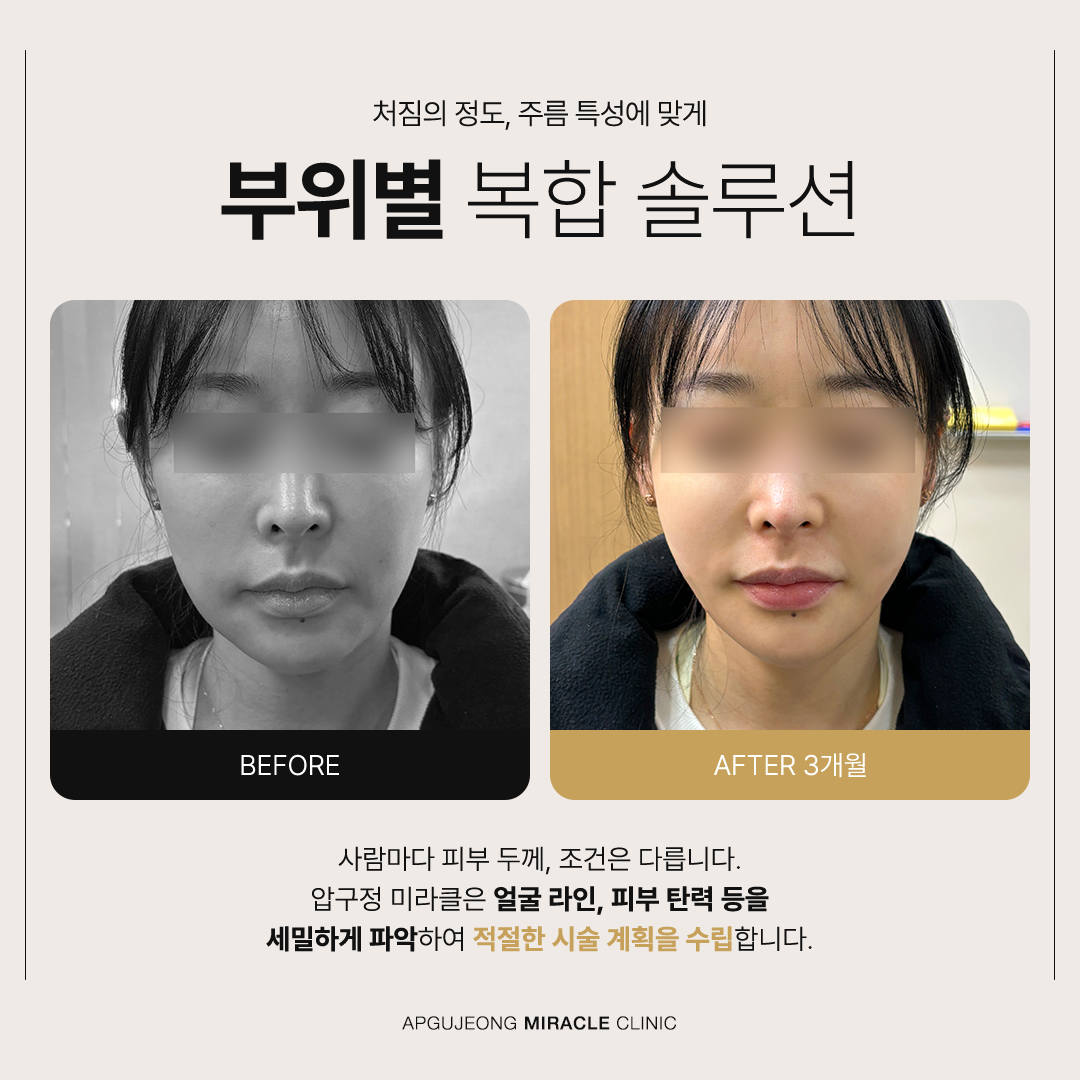
In some cases, Cheongdam-dong lifting also includes contouring options such as facial liposuction for a heavy lower face or double chin, and contour injections or fat-dissolving injections to refine the jawline and chin line.
The right combination depends on several factors: skin thickness, the degree of sagging, facial fat distribution, age, and whether you have had lifting or other procedures before. For example, a person with mild early sagging and good skin elasticity may focus on HIFU-based lifting, while someone with heavier jowls might need cogged thread lifting plus contouring.
So when someone actually walks into a Cheongdam–Apgujeong clinic asking for lifting, what do they end up choosing?
In this area, thread lifting is often one of the first options discussed, but it’s rarely chosen just because of the brand name. Doctors usually narrow it down based on where the sagging bothers you most (jawline, smile lines, mid-face), how thick or heavy your skin is, and whether you’ve had lifting or fillers before.
Thread lifting options
In the Cheongdam–Apgujeong area, many clinics offer a wide lineup of thread lifting systems in one place. A clinic of this type may provide several thread techniques.
Mint thread lifting uses cogged threads designed to hook into the tissue and lift the midface and jawline. It is often considered for people who want more visible support of the lower face and nasolabial folds.
Silhouette Soft uses threads with tiny cones along their length. These cones help anchor and lift the tissue and may also stimulate collagen around the thread over time. It is often selected when both lifting and gradual firmness are desired.
Ultra V and Omega lifting usually involve multiple fine threads or specialized thread patterns placed in the superficial layers. These are often used for mild sagging, skin texture improvement, and subtle contouring, rather than very heavy lifting.
Some clinics also apply thread lifting to the body, for example the arms, abdomen, or thighs. These body lifting threads aim to support areas of mild to moderate laxity, although the approach and expectations are different from facial lifting.
Device-based lifting options
Ulthera is a well-known ultrasound lifting device that targets deeper layers, including the SMAS. It is often chosen when stronger tightening is needed in defined areas such as the jawline, cheeks, or brow. The energy is delivered in precise lines, and results usually develop gradually over several months as collagen forms.
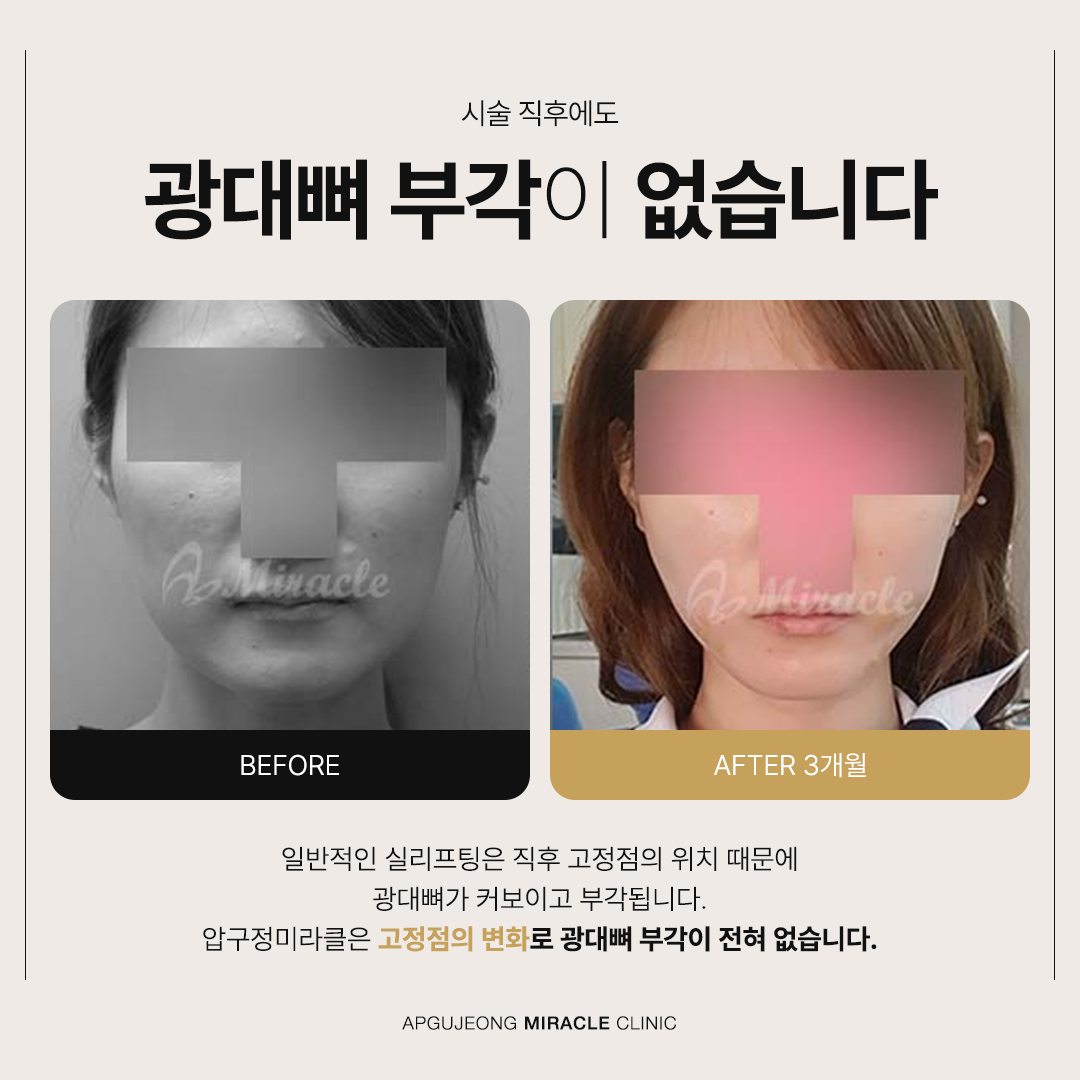
Shurink and Doublo are HIFU-based devices that also aim to tighten skin and stimulate collagen. They are sometimes used for overall facial tightening, maintenance after a stronger lifting procedure, or for patients who prefer a non-thread option. They can be repeated periodically, depending on the individual plan.
Combination approach
ging tissue and refine the jawline.
For a heavier lower face or double chin, facial liposuction can be considered to remove localized fat, followed by thread lifting to tighten and support the remaining tissue. In other cases, contour injections or fat-dissolving injections may be used instead of or in addition to liposuction for finer contour tuning.
This wide lineup in a single clinic allows the plan to be adjusted to the individual face rather than being limited to one device or thread brand.
Focus on revision lifting after previous procedures
Many people who search for Cheongdam-dong lifting have already had some form of lifting before. Common concerns include feeling that the effect wore off faster than expected, noticing asymmetry or an unnatural pulling sensation, or being aware of palpable or visible threads under the skin.
For these situations, some clinics in the Cheongdam–Apgujeong area organize a specific thread removal and revision flow. The goal is to evaluate the current condition carefully and then design a safer re-lifting plan.
The process usually begins with consultation and examination. The doctor checks where previous threads are placed as much as possible, how long ago they were inserted, and whether there are signs of inflammation, dimpling, or tethering. Your history of HIFU treatments, fillers, or liposuction is also important.
Based on this assessment, the doctor decides whether thread removal is necessary. In some cases, new lifting can be done around existing threads if they are stable, not causing discomfort, and already integrated into the tissue. In other cases, partial or complete removal of certain threads may be recommended before new lifting.
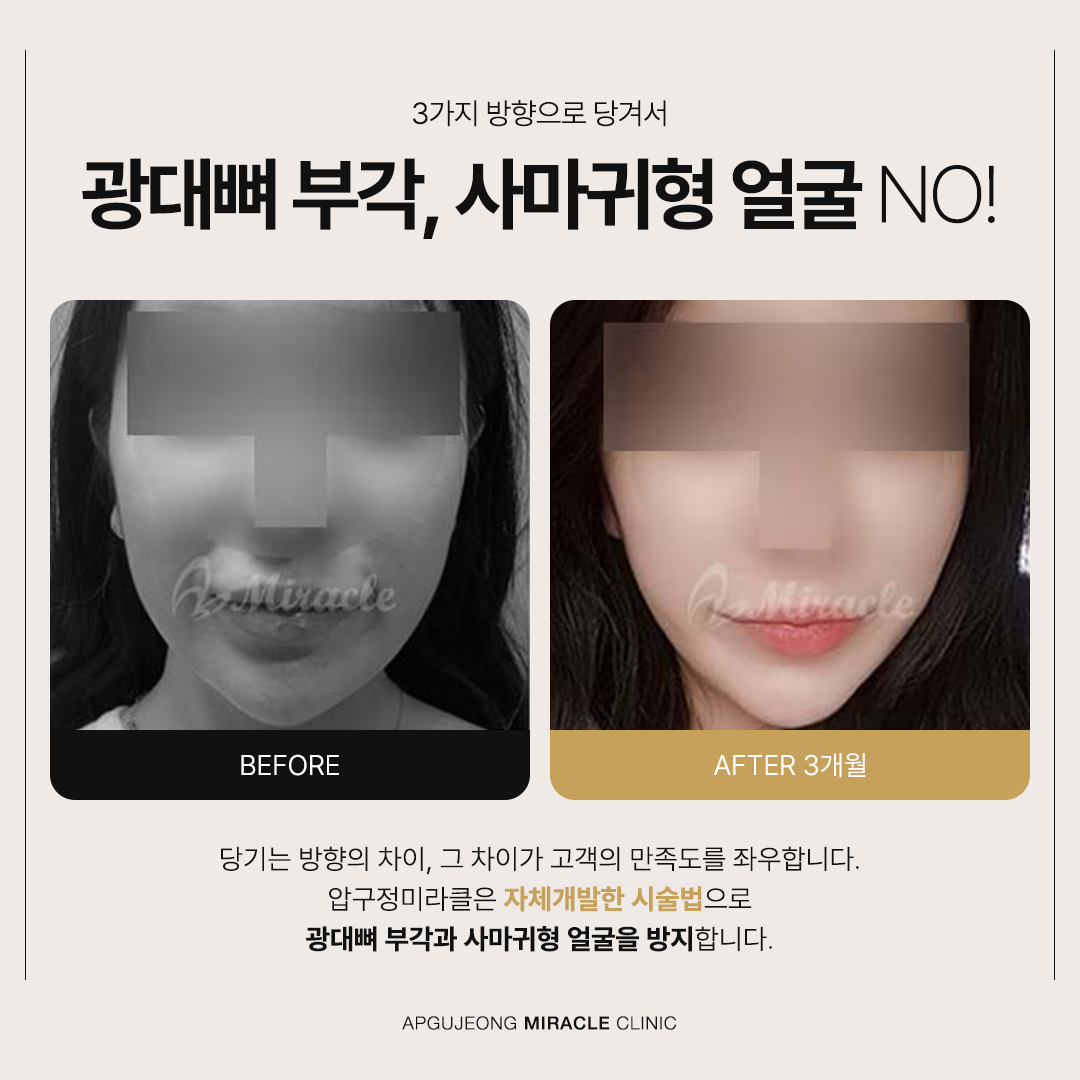
The new lifting plan may involve choosing a different type of thread, changing the direction and vector of lifting, or switching to device-based lifting such as Ulthera, Shurink, or Doublo. Sometimes a stepwise approach is used, where energy-based tightening is done first, followed by threads at a later stage.
Not all threads can or should be removed. The decision depends on their location, the time elapsed since the procedure, how deeply they were placed, and the tissue reaction. If threads are already fixed tightly into the tissue, trying to pull them out can injure the area more than leaving them in place. That is why revision plans are usually more cautious than first-time lifting, and the doctor needs to explain clearly what can realistically be improved and what may have to be left as it is.
A clinic that focuses on lifting and re-lifting can offer this kind of structured evaluation, including the option of thread removal when appropriate.
Putting together a Cheongdam lifting plan that really matches your face
In practice, lifting plans in the Cheongdam–Apgujeong area are built around “types” of faces rather than a single factor like age.
For example, someone in their early 30s with relatively thick, heavy lower-face tissue may be more bothered by a blurred jawline than by fine wrinkles. In that case, the plan may focus on firm mechanical support along the jaw and under the chin, while being gentle around the mid-face where there is still enough natural volume.
On the other hand, a person in their 40s who has had several types of laser or energy-based treatments before, but still feels the mid-face is sagging, may need a different balance: careful thread placement to lift the central face, while taking into account any remaining tightness or thinning from past procedures.
There are also patients who look younger than their actual age because of good skin quality, but have specific areas—such as the marionette lines or jowls—that drop more quickly due to facial fat distribution. In these cases, doctors often adjust the lifting strength and direction so that the result looks natural with the rest of the skin rather than over-correcting just one zone.
Choosing lifting in the Cheongdam–Apgujeong area involves more than picking a brand name. Several personal factors should be considered.
Age and degree of sagging influence how aggressive the lifting plan should be. Early 30s with mild laxity may do well with lighter thread lifting or HIFU-based lifting. Late 30s to 40s with moderate sagging often require a combination of deeper HIFU such as Ulthera or Doublo plus cogged threads for jawline support.
Skin thickness and elasticity also matter. Thicker, heavier skin may need stronger mechanical support from threads and possibly contouring procedures, while thinner skin may respond better to energy-based tightening and finer thread patterns.
The amount and distribution of facial fat affect the choice between liposuction, fat-dissolving injections, or pure lifting. A full, heavy lower face may benefit from volume reduction before or together with lifting, while a thin face may need more focus on tightening and possibly volume restoration.
Your history of previous procedures is crucial. If you have had threads before, the doctor needs to know the type, date, and any complications. Previous HIFU, fillers, or facial liposuction also influence the plan. For example, after unsatisfactory thread lifting, the clinic may suggest careful evaluation, possible partial thread removal, then a customized re-lifting plan using different thread directions or adding HIFU.
One-stop anti-aging and contouring concept
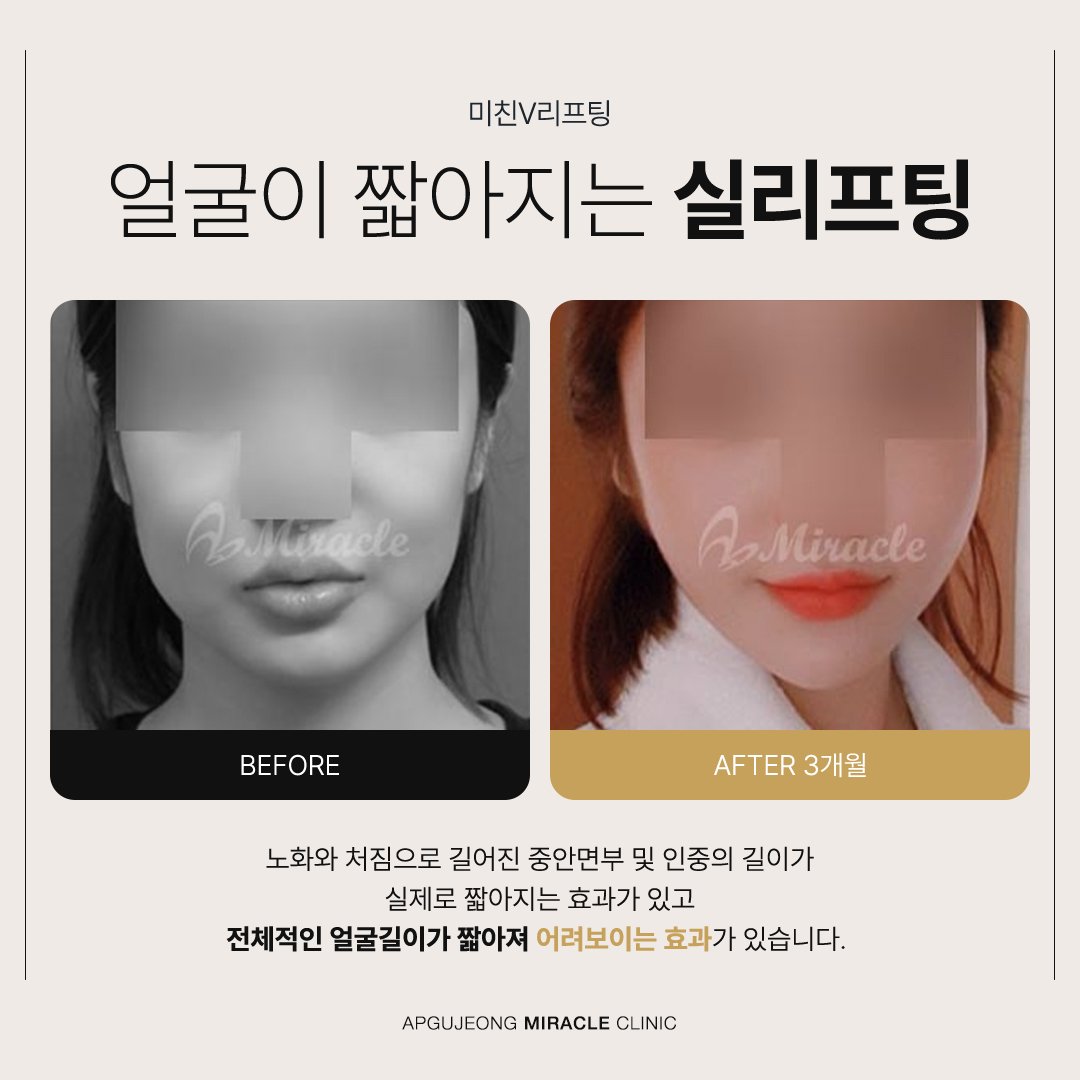
Some Cheongdam–Apgujeong clinics present lifting as part of a one-stop program. In this setting, you may plan jawline lifting together with procedures such as double-chin fat reduction or overall skin tightening in a single trip, as long as the expected swelling and recovery periods do not interfere with each other.
Facial liposuction may be considered for a heavy lower face, double chin, or undefined jawline. By removing localized fat, it can make subsequent lifting more effective because the tissue is lighter and easier to support.
Contour injections and fat-dissolving injections are options for finer tuning. They can help define the jawline, reduce small pockets of fat, or balance asymmetry. These treatments are usually less invasive than liposuction but may require more than one session.
Some clinics also offer stem cell-based anti-aging programs. These can be combined with lifting when you want not only tightening but also improvement in overall skin texture, elasticity, and volume loss. In many cases, they are arranged over several visits with scheduled follow-up rather than as a single one-time treatment.
For overseas patients, combining lifting with these additional treatments should be planned carefully, considering recovery time, follow-up needs, and the length of stay in Korea.
Clinic background and reference materials
The clinic described in this guide is located near Apgujeong Rodeo Station on the Suin–Bundang Line, in the broader Cheongdam–Apgujeong beauty belt of Gangnam. It focuses on lifting and re-lifting, offering thread lifting, energy-based lifting with Ulthera, Shurink, and Doublo, and a dedicated flow for thread removal and revision.
The clinic is led by Dr. Woo Jungho, who has appeared on US FOX TV and is listed as a developer on multiple Japanese plastic surgery clinic websites. These are presented as factual experience and content exposure, not as a guarantee of superiority.
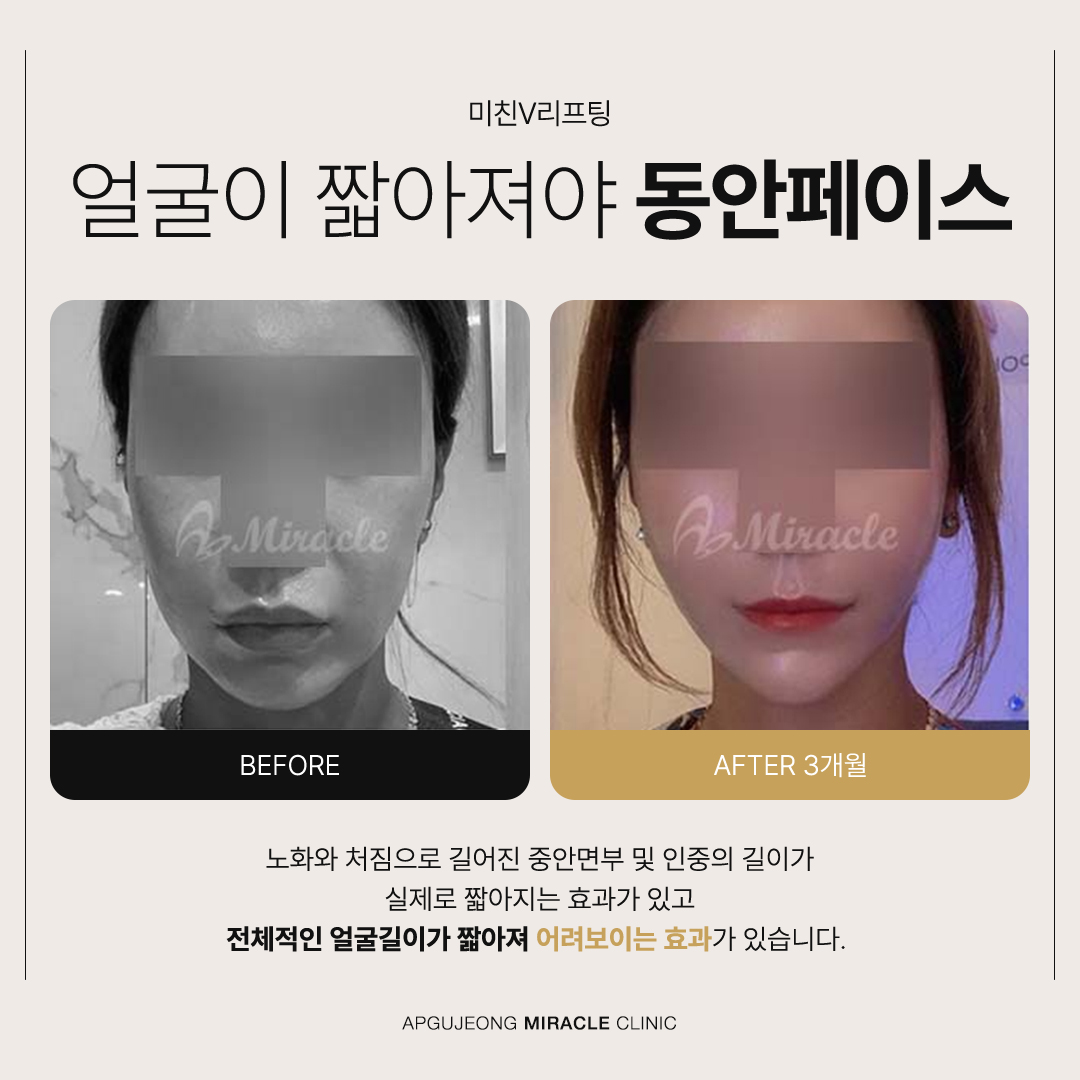
The clinic maintains its own gallery of real selfies, before–after photos, and videos. These materials can help you understand the general style and range of cases, but individual results vary and cannot be guaranteed.
Who may consider Cheongdam-dong lifting
People in their late 20s to 50s who are concerned about facial sagging, early jowls, nasolabial folds, or a blurred jawline often consider lifting in the Cheongdam–Apgujeong area. Some are first-time patients, while many have already tried thread lifting or HIFU and feel that the effect has faded or was not as expected.
You may consider Cheongdam-dong lifting if you want a more defined jawline without major surgery, if you notice early sagging and want to slow its progression, or if you are looking for revision after a previous lifting procedure.
However, lifting is not suitable for everyone. Very advanced sagging, certain medical conditions, or unrealistic expectations may limit what can be safely and reasonably achieved. A direct consultation is necessary to decide whether lifting is appropriate for you.
Online consultation and pre-visit preparation
For overseas patients, the process usually starts with an online consultation. Most clinics in the Cheongdam–Apgujeong area can communicate in English or provide assistance for international patients.
Before your online consultation, it is helpful to prepare the following.
Take clear photos of your face from the front, 45-degree angles, and side views, both at rest and with a neutral expression. Good lighting and a plain background help the doctor evaluate your contours.
Write down your previous procedure history, including any thread lifting, Ulthera, Shurink, Doublo, fillers, facial liposuction, or other treatments. Note the approximate date, clinic location, and any complications or discomfort you experienced.
List your main concerns and priorities. For example, you might focus on jawline definition, nasolabial folds, or correcting asymmetry after a previous procedure. Also mention your preferred downtime and how long you can stay in Korea.
During the online consultation, the clinic can explain which lifting options may be suitable for you, what kind of revision is realistic, and how many days you should plan for your visit. This is also a good time to ask about anesthesia type, expected swelling, follow-up schedule, and what to avoid before treatment.
Planning your Cheongdam-dong lifting trip to Korea
Some visitors prefer a short, focused stay. They arrive, have an in-person consultation and detailed facial analysis, then proceed to lifting within the next day or so, and spend the remaining time in Seoul managing swelling and coming back once for a check-up before flying home.
Others, especially those considering revision or combining several procedures, allow a bit more time. They may schedule a separate day to think over the treatment plan after consultation, then have lifting, followed by a few quieter days to see how the face settles and to discuss any fine-tuning with the clinic.
Which pattern works better depends on your flight schedule, how many treatments you are combining, and how much recovery time you want in Korea before returning home.
Day 1 is usually for in-person consultation and detailed facial analysis. The doctor confirms the plan, examines your skin and tissue directly, and may take additional photos. If you agree with the plan and there are no medical issues, some procedures can be done on the same day.
Day 1 or Day 2 may be the procedure day. Thread lifting, HIFU-based lifting, or a combination can be performed. If thread removal is needed before re-lifting, this may be done in the same session or staged, depending on your case.
Days 2 to 4 are typically for early follow-up and basic aftercare checks. The clinic may remove dressings if used, check for swelling or bruising, and give instructions for home care. Many patients feel comfortable going out with light makeup after a few days, although mild swelling can persist.
If you have additional procedures such as facial liposuction or stem cell-based treatments, you may need a slightly longer stay for monitoring. The clinic will advise you on the minimum recommended stay during your online consultation.
Aftercare and recovery
After Cheongdam-dong lifting, proper aftercare helps support safe healing. The details depend on the procedures you receive, but there are some common points.
For thread lifting, you may experience swelling, mild bruising, and a tight or pulling sensation when moving your face. You are usually advised to avoid strong facial massage, wide mouth opening, or heavy chewing for a certain period. Sleeping on your back with your head slightly elevated can help reduce swelling.
After HIFU-based lifting such as Ulthera, Shurink, or Doublo, the skin may feel tender or slightly sore, and mild redness can appear. These effects usually settle within a few days. Sun protection is important, and harsh skincare or heat-based treatments are usually avoided for a while.
If facial liposuction is performed, you may need to wear a compression garment around the chin and jawline for a recommended period. Swelling and bruising can last longer than with thread or HIFU alone, and you should plan your social schedule accordingly.
The clinic will provide specific instructions, including how to clean the area, which medications to take if prescribed, what activities to avoid, and when to return for follow-up. Because you are traveling from overseas, it is important to keep in touch with the clinic by email or messaging after you return home, especially if you have any concerns.
Before finalizing your Cheongdam-dong lifting plan, it helps to write down what you most want to change, how long you can stay in Korea, and what treatments you’ve had before. Bringing this list to your consultation makes it easier to match your expectations with what each lifting method can realistically do.
From there, your doctor can explain how thread lifting differs from device-based lifting in your specific case, how long the effects are likely to last for your skin type, and whether any revision of old threads or previous lifting is advisable.
What is the difference between thread lifting and Ulthera or Shurink?
Thread lifting uses physical threads placed under the skin to lift and support sagging tissue. The effect can be more immediate in terms of repositioning. Ulthera and Shurink use focused ultrasound energy to heat deeper layers of the skin and SMAS, stimulating collagen and tightening over time. They do not physically pull the tissue but can improve firmness and elasticity. In many cases, they are combined for a more comprehensive approach.
Can I have revision lifting if I still have old threads in place?
In some cases, yes, but it depends on the type, position, and condition of the existing threads. The doctor will examine your face and review your history to decide whether thread removal is necessary or if new lifting can be done around the old threads. Not all threads need to be removed, and sometimes removing deeply integrated threads can cause more trauma. A careful, individualized plan is essential.
How long do the effects of Cheongdam-dong lifting last?
The duration varies widely depending on the procedure type, your age, skin condition, lifestyle, and how your body responds. Thread lifting and HIFU-based lifting are generally considered semi-permanent or time-limited, not permanent. Many patients consider maintenance treatments or repeat sessions after a certain period. During consultation, the clinic can explain typical timelines but cannot guarantee a specific duration for every individual.
How many days should I stay in Korea for lifting in the Cheongdam–Apgujeong area?

For simple HIFU-based lifting or light thread lifting, some overseas patients stay about 3 to 4 days, including consultation, procedure, and an early check-up. For more complex cases, such as revision lifting with thread removal or combined facial liposuction, a stay of 5 to 7 days is often recommended to allow for monitoring and early aftercare. The exact schedule should be planned in advance through online consultation.
If you are considering Cheongdam-dong lifting or revision after a previous procedure, an online consultation lets you clarify practical points in advance—such as a tentative treatment plan, expected cost range, and approximate length of stay in Korea.
After this initial consultation, your in-clinic visit is usually used to confirm the plan in detail, perform a physical examination, and finalize the exact combination of lifting methods and schedule before treatment.
A clinic located near Apgujeong Rodeo Station in the Cheongdam–Apgujeong area, with experience in both lifting and re-lifting, can help you compare different approaches and design a customized plan. Because every face and medical history is different, direct consultation with the doctor is essential before making any final decision.
This guide is for general information only and does not replace a personal consultation with a qualified doctor. Treatment decisions, expected results, and possible risks should always be discussed in detail with the clinic before proceeding.



댓글
댓글 쓰기