Celebrity thread lifting for a sharper, camera-ready face line in Seoul
- 공유 링크 만들기
- X
- 이메일
- 기타 앱
Celebrity thread lifting is a minimally invasive procedure that uses dissolvable threads to lift sagging facial tissues and enhance the jawline and V-line. At this clinic in Sinsa-dong, Gangnam, practitioners provide thread lifting and related services, including a dedicated thread removal and re-lifting option for patients who are not satisfied with previous treatments elsewhere.
What is celebrity thread lifting
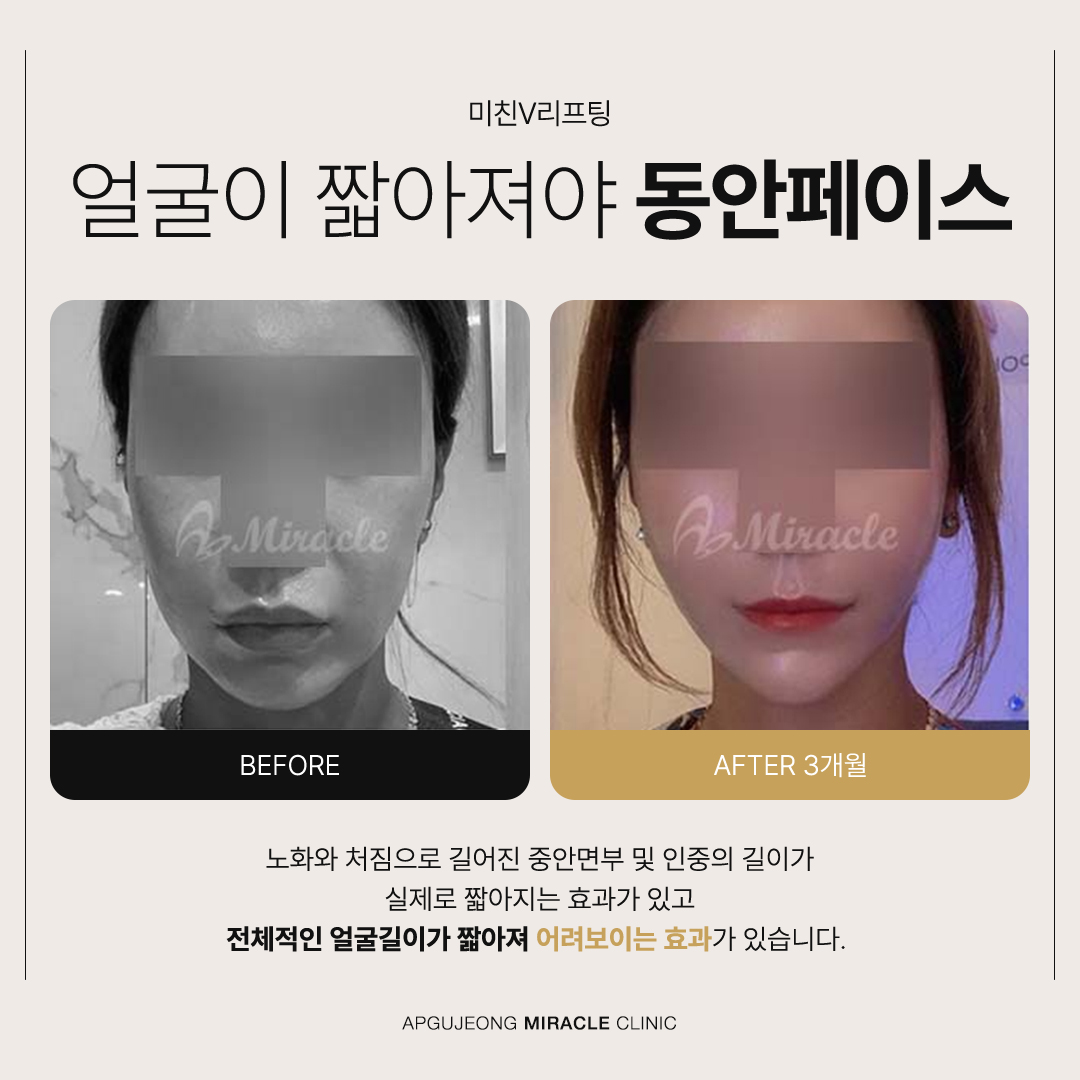
Celebrity thread lifting is a thread-based facial lifting procedure designed to create a defined V-line and youthful contour that looks good both in real life and on camera. It aims to improve the lower face, cheeks, and jawline so that the face appears slimmer, more lifted, and more photogenic from different angles.
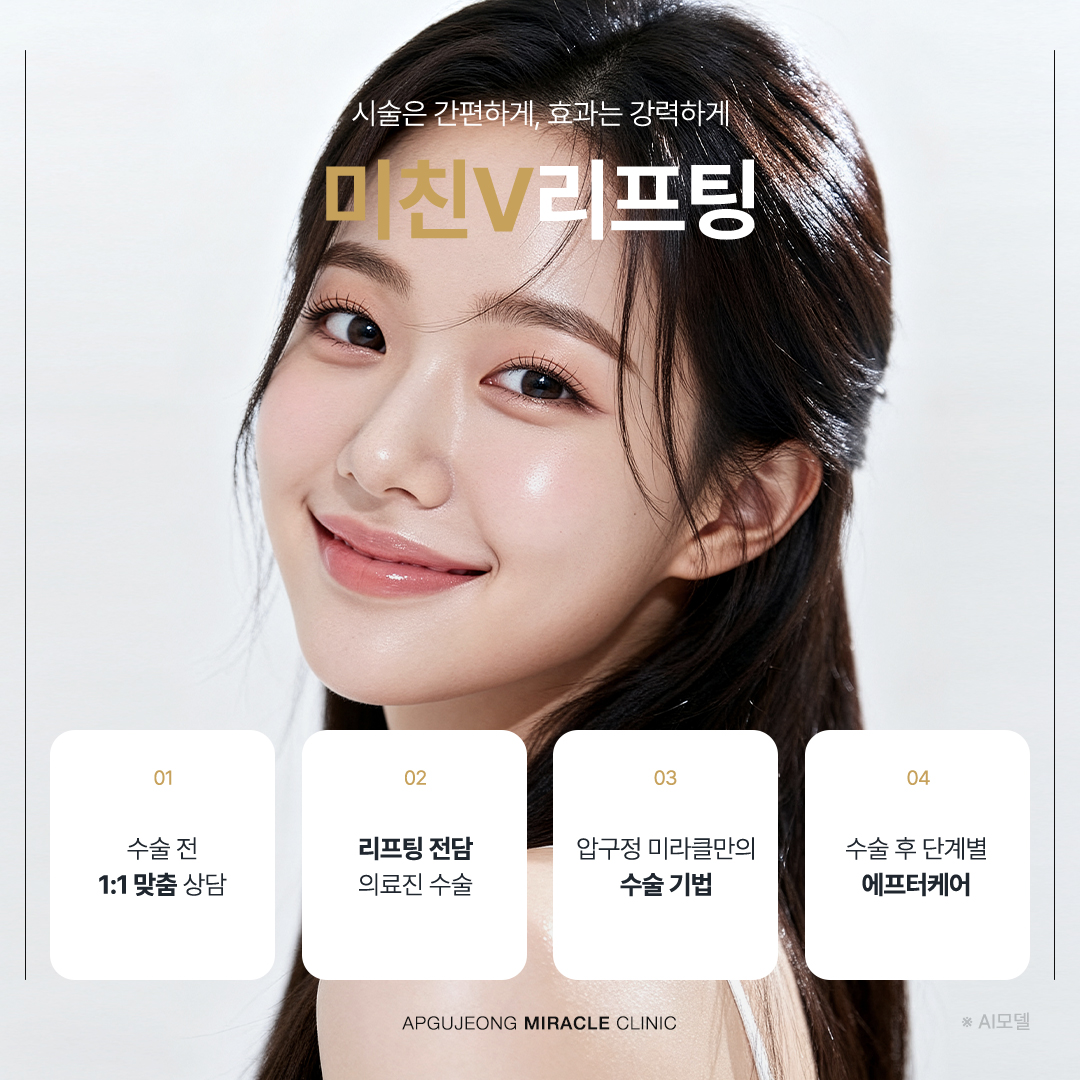
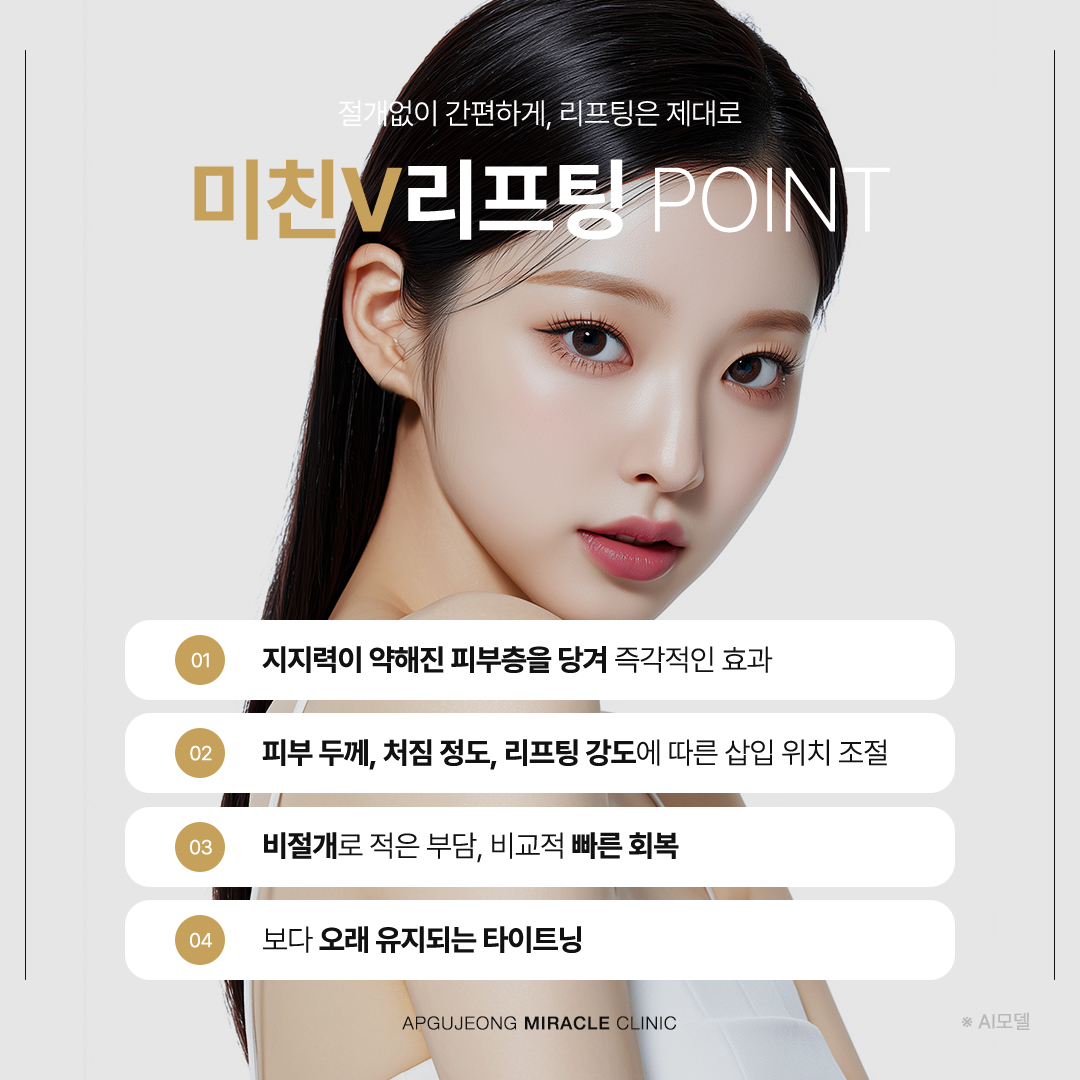
During the procedure, dissolvable threads are inserted under the skin through small entry points. These threads have structures that can catch and support the tissues, allowing the doctor to lift sagging areas such as the cheeks, nasolabial folds, jawline, and early jowls.
Compared with a surgical facelift, celebrity thread lifting usually involves smaller entry points, local anesthesia in many cases, and a relatively shorter recovery period. Many people can return to light daily activities within a few days, although some swelling and bruising can be visible for a short time.
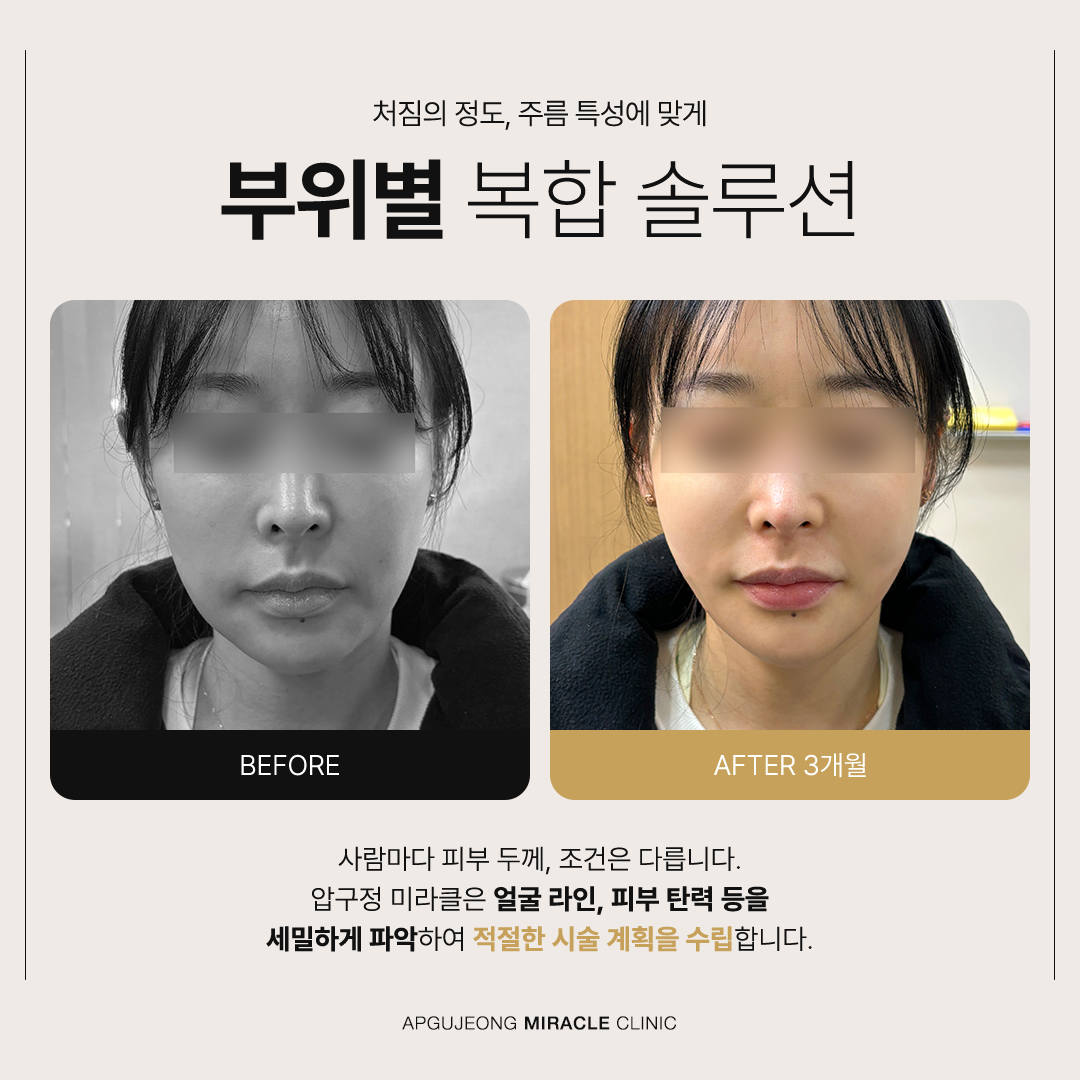
It is important to understand that thread lifting is not a permanent change. The effect and how long it lasts differ from person to person. Skin condition, age, thread type, lifestyle, and aftercare all influence the outcome. Some patients choose maintenance sessions or re-lifting after a certain period when the effect softens.
Why it is popular for a camera-ready face
Celebrity thread lifting is often chosen by people who want their face line to look defined in photos, videos, and under strong lighting. A sharper jawline, less sagging around the mouth, and a smoother transition from cheek to chin can make the face appear more youthful and balanced.
Because the procedure focuses on lifting and contouring without changing the basic bone structure, many patients feel it keeps their natural look while improving definition. This is appealing to those who appear frequently on social media, work in front of cameras, or simply want to feel more confident in close-up photos.
Who may consider celebrity thread lifting
Celebrity thread lifting can be considered by a range of adults, but it is most suitable for certain situations.
People with mild to moderate sagging
It is often recommended for people with mild to moderate sagging in the midface or jawline. Typical concerns include early jowls, softening of the jawline, deepening nasolabial folds, or a less defined chin and lower face. When sagging is still in the earlier stages, threads can often create a more noticeable lifting effect.
People seeking a slimmer, more defined face line
Those who want a slimmer, more defined face line similar to what is often seen in celebrities and influencers may be good candidates. Thread lifting can help refine the lower face contour and create a more V-shaped appearance, especially when combined with other contouring treatments.
Patients considering re-lifting
Some people have already tried lifting procedures such as previous thread lifts or energy-based treatments like ultrasound lifting. Over time, they may feel that the effect has faded or that the original result was not sufficient. These patients may consider re-lifting, sometimes combined with thread removal if existing threads are causing issues.
Situations where another approach may be better
For very severe sagging, heavy skin, or significant volume loss, thread lifting alone may not be enough. In such cases, a combination of treatments or a different approach may be more appropriate. Realistic expectations are important. A detailed consultation helps clarify what level of improvement is reasonable and which methods are likely to be most effective.
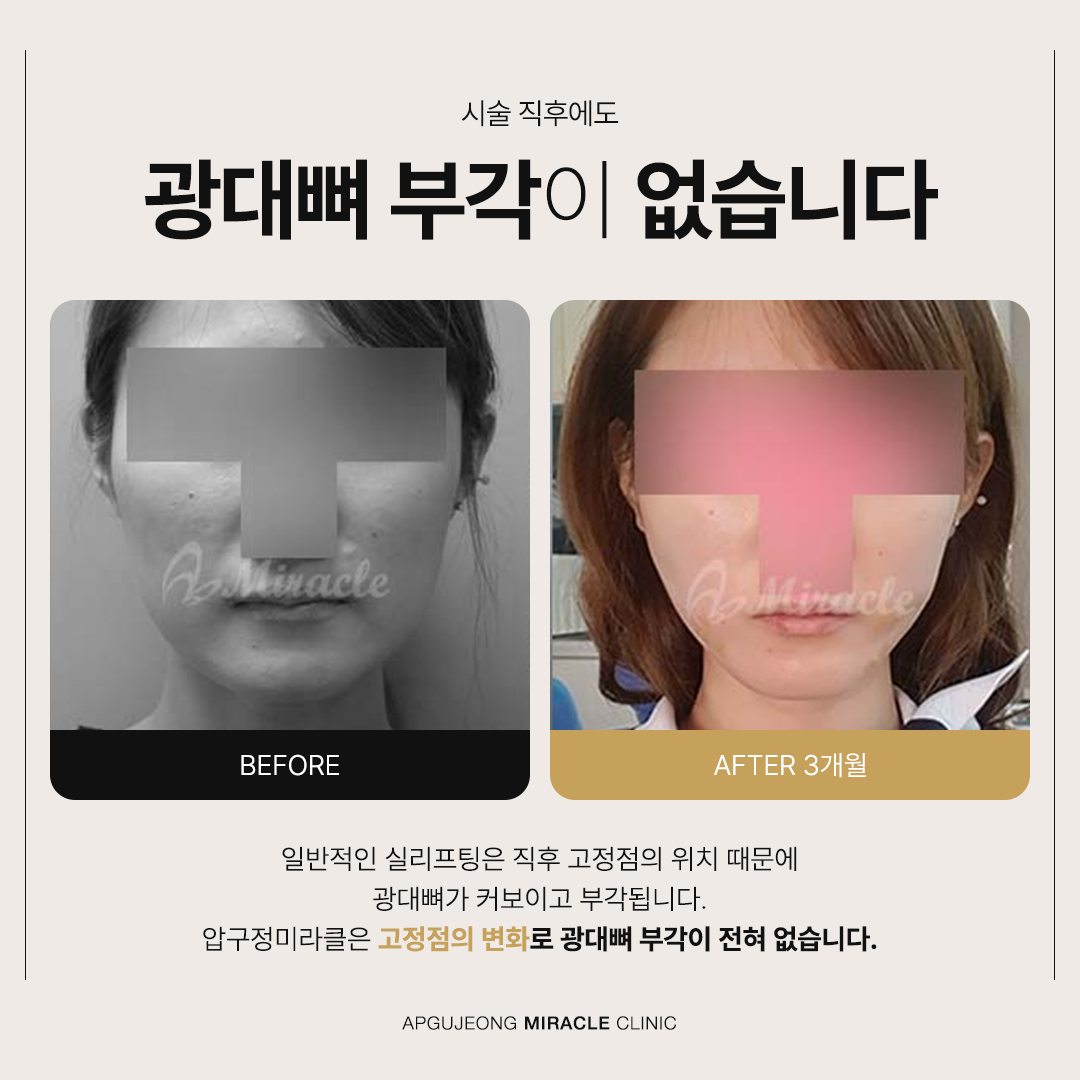
Treatment options at this clinic
This clinic in Sinsa-dong offers multiple types of thread lifting and can combine them with energy-based and contouring treatments. The aim is to match the method to the individual face rather than using a single fixed protocol.
Various thread systems and silhouette-style threads are available. Threads differ in thickness, length, lifting strength, and how they interact with tissues, so practitioners select the type best suited for a given area (midface, jawline, neck) and for a patient’s skin characteristics. Some treatment plans may combine threads with other non-surgical modalities; specific device choices vary by clinic and individual patient needs.
Energy-based lifting devices
In addition to threads, These treatments deliver focused ultrasound energy to deeper layers of the skin to promote tightening and support.
Combination with contouring treatments
For patients who want both lifting and volume reduction, threads can be combined with facial liposuction or contour injections. These options can help reduce fullness along the jawline or cheeks, making the lifting effect more visible and the V-line more defined.
How the clinic chooses the right plan
The clinic designs lifting plans based on several key factors.
Skin thickness and elasticity
Thicker, heavier skin may require stronger threads or a combination with energy-based lifting, while thinner or more delicate skin may need gentler thread types and careful placement.
Degree and location of sagging
The doctor examines whether the main problem is in the cheeks, jawline, nasolabial folds, or neck. Different thread directions and devices are chosen depending on where support is needed most.
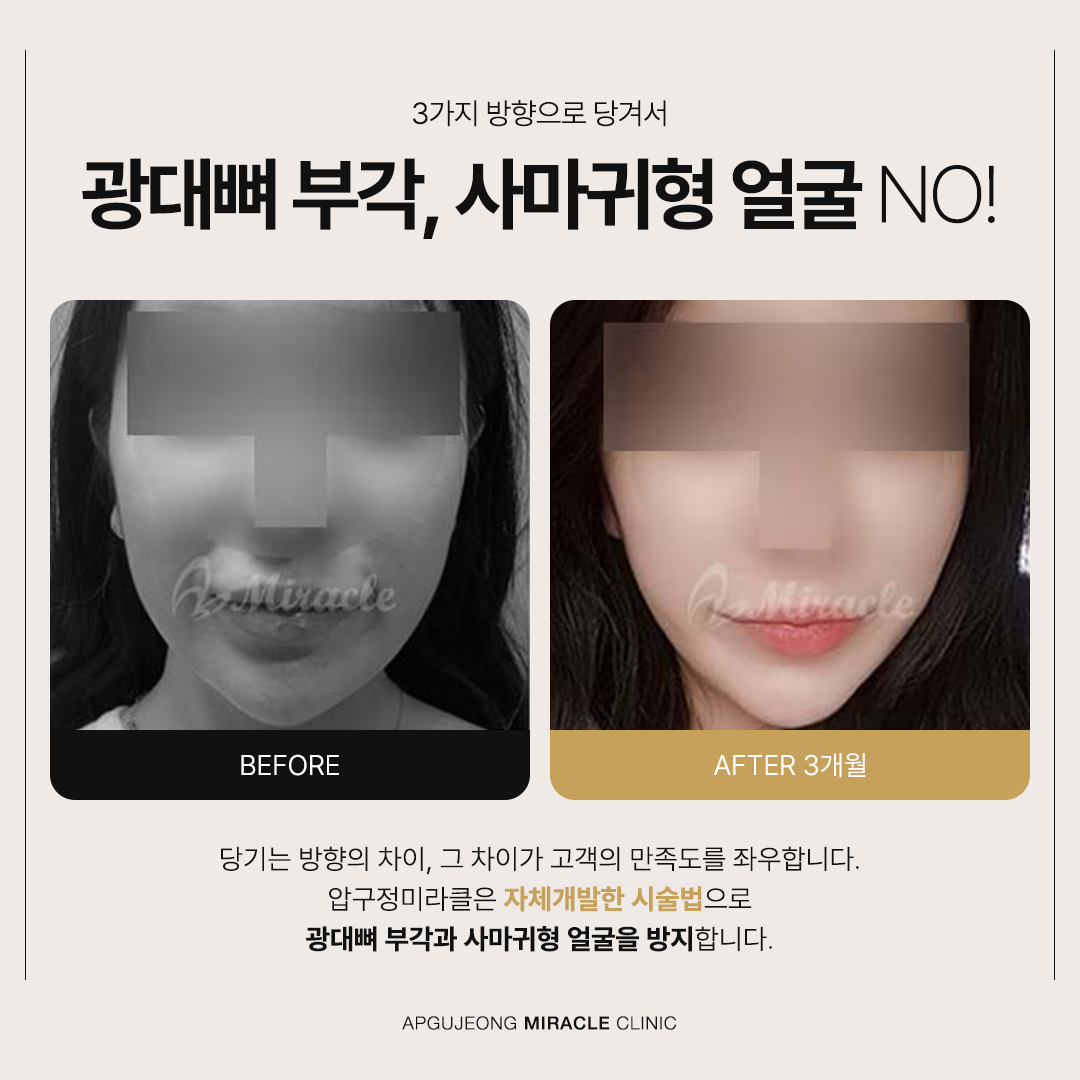
Facial fat volume
A face with more fullness may benefit from volume reduction along with lifting, while a face that is already hollow may need a more conservative approach to avoid a tired or overly sharp look. In some cases, contour injections are adjusted to maintain balance.
Previous lifting history
If a patient has had thread lifting or energy-based lifting before, this is carefully reviewed. Existing threads, scar tissue, and changes in tissue planes can influence where new threads can be placed safely and effectively.
Combination strategies
Several combination strategies are commonly used at this clinic.
Threads plus ultrasound lifting
Combining thread lifting with ultrasound lifting can address both deeper tissue tightening and mechanical lift. Ultrasound devices can help firm the deeper layers, while threads provide a visible repositioning of sagging tissues.
Threads plus facial liposuction or contour injections
For those who want a slimmer jawline or less fullness in the lower face, threads may be combined with facial liposuction or contour injections. Liposuction can reduce localized fat, while contour injections can refine the shape. Together with threads, this can create a more sculpted V-line.
Maintenance and long-term care
After the main lifting procedure, some patients choose maintenance treatments such as contour injections, skin lasers, or anti-aging infusions. These can support skin quality, help maintain the lifted effect, and address texture or pigmentation concerns.
Re-lifting and thread removal clinic
This is particularly relevant for overseas patients who had lifting in the past and now want correction or improvement during a visit to Korea.
Common reasons for re-lifting consultations
Typical issues that bring patients to the re-lifting clinic include asymmetry, visible or palpable threads under the skin, insufficient lifting effect, or discomfort in certain areas. Some patients simply feel that their previous lift has worn off faster than expected and want a more tailored plan.
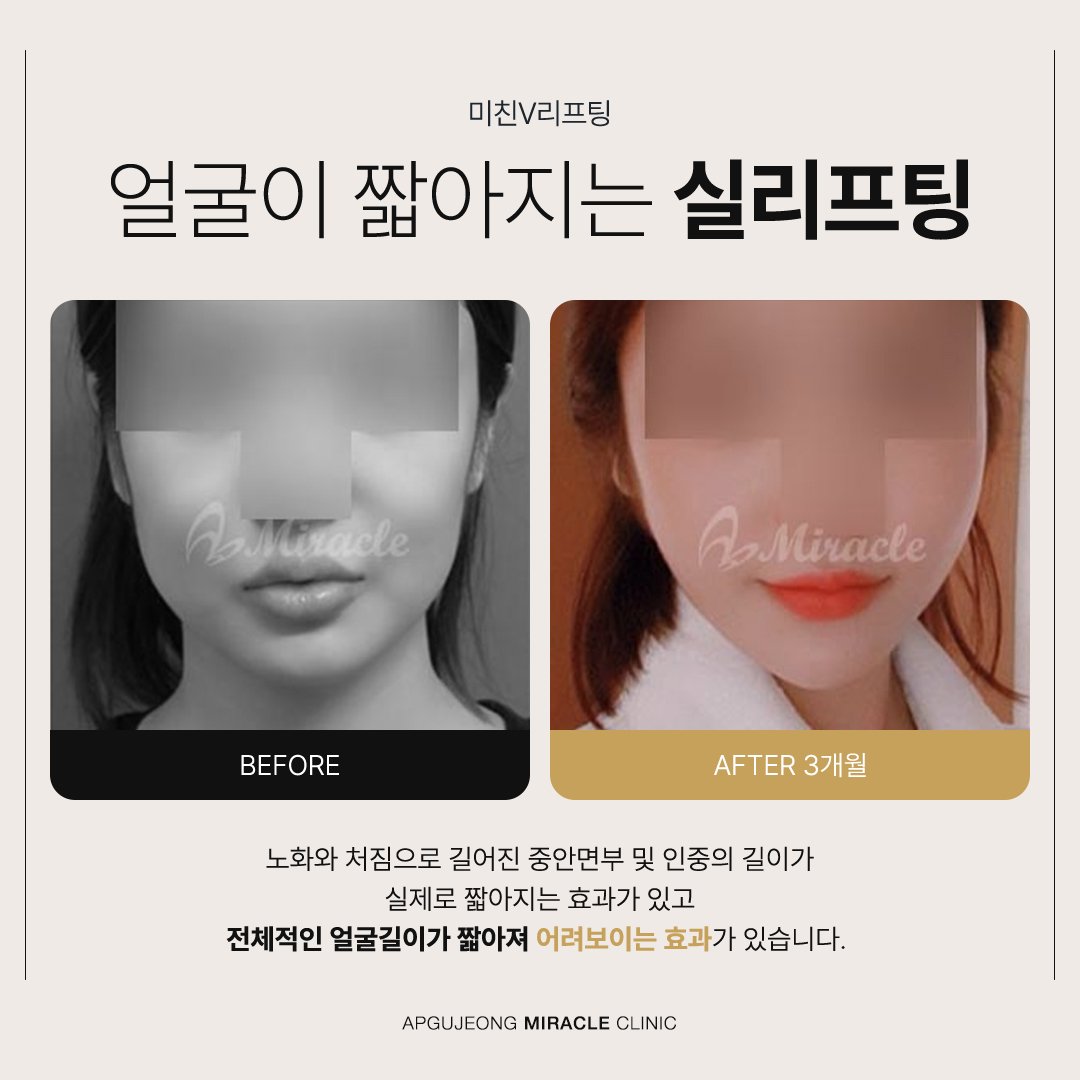
Assessment and planning
The process usually begins with a careful assessment of existing threads and the condition of the surrounding tissues. The doctor checks where threads are located, how they are affecting the skin, and whether there is any inflammation or irregularity.
Based on this evaluation, a decision is made about whether thread removal is necessary or whether additional lifting can be layered safely on top of the existing threads. In some cases, partial removal combined with new threads or energy-based lifting may be recommended.
Customized re-lifting strategy
For re-lifting, the clinic may use different thread types or directions compared with the original procedure. Device-based lifting such as ultrasound may be added to support the result without overloading the tissues with too many threads.
Because previous lifting can alter tissue planes and skin tension, individualized planning is especially important. The goal is to improve comfort and appearance while respecting the current condition of the skin and deeper structures.
Medical team and experience
Prospective patients should review provider credentials and ask about the clinician’s specific training and experience with thread lifting during consultation.
Over time, the clinic has accumulated experience with various thread systems and re-lifting cases. It also runs its own blog and online content channels, where it shares information, self-taken photos, and videos related to lifting procedures. These resources can help overseas patients understand the methods and see examples of treatment approaches.
Patient journey for overseas visitors
For international patients, planning the journey is as important as choosing the treatment itself. Below is a general outline of what you can expect.
Online consultation and pre-visit preparation
Before traveling to Korea, most overseas patients start with an online consultation. You may be asked to send clear photos of your face from the front and both sides, under natural light. If you have had previous procedures, it is helpful to share the type of treatment, date, and any available records.
During the online consultation, you can discuss your main concerns, such as sagging, jawline definition, or dissatisfaction with a previous lift. The clinic can then suggest whether celebrity thread lifting, a combination with ultrasound lifting, or re-lifting is likely to suit your case.
Before your visit, you may be advised to:
Avoid certain medications or supplements that increase bleeding risk, such as some pain relievers or herbal products, after discussing this with your local doctor.
Stop smoking or reduce smoking if possible, as this can affect healing.
Prepare a list of your medical history, allergies, and all medications you are taking.
Note down any questions you want to ask during the in-person consultation.
Expected Korea visit timeline
The exact schedule can vary, but many overseas patients follow a similar timeline.
Day 1 to 2: In-person consultation and planning
After arriving in Seoul, you visit the clinic for a detailed face-to-face consultation. The doctor examines your skin elasticity, degree of sagging, facial volume, and previous treatment history. Together, you discuss goals, limitations, and which combination of threads and devices is suitable.
At this stage, you will also receive an explanation of the expected effect, how long it may last, possible side effects, and the likely recovery period. If you agree with the plan, the procedure may be scheduled for the same day or the following day, depending on your condition and the clinic schedule.
Procedure day
On the day of the procedure, the treatment area is cleaned and marked. Local anesthesia is commonly used, and in some cases, light sedation may be considered. Threads are then inserted through small entry points and positioned to lift the targeted areas.
The procedure time varies depending on the number of threads and whether combination treatments such as ultrasound lifting or contour injections are performed. After the procedure, you rest at the clinic for a short period while staff check your immediate condition and explain aftercare instructions.
First few days after the procedure
Some swelling, bruising, mild pain, or tightness are common in the first days. You may be advised to sleep with your head slightly elevated, avoid strong facial movements, and refrain from heavy exercise or pressure on the face.
Most overseas patients can move around the city and enjoy light activities, but it is wise to avoid tight masks, intense chewing, or facial massages during the early recovery period. If needed, a follow-up visit can be scheduled within a few days to check healing.
Return home
Many international patients plan to stay in Korea for about one week after thread lifting, although this can vary. Before you leave, the clinic can review your progress, answer any questions, and remind you of long-term aftercare points. Online follow-up can continue after you return home.
Aftercare and recovery
Proper aftercare helps support a smoother recovery and better-looking results.
Immediate aftercare
You may be instructed to apply cold compresses gently to reduce swelling, avoid touching or pressing the treated areas, and keep the entry points clean. Some temporary tightness or pulling sensations are normal as the threads settle.
Short-term precautions
During the first one to two weeks, you are usually advised to avoid sleeping face down, wide yawning, or exaggerated facial expressions that could strain the threads. Heavy exercise, saunas, and alcohol may be restricted for a short period, depending on your individual case.
Long-term care
Over the following months, maintaining a healthy lifestyle, good skincare, and sun protection can support the longevity of the lift. If you plan any other cosmetic procedures, it is helpful to inform the provider about your thread lifting history.
Safety, side effects, and realistic expectations
Thread lifting carries possible side effects and risks. Common, typically temporary effects include bruising, swelling, and mild discomfort. Serious complications are uncommon but require prompt attention. Seek immediate medical care if you experience increasing or severe pain, fever, spreading redness, persistent drainage or pus, sudden numbness, severe asymmetry, or other signs of infection.
Before treatment, clinicians should obtain informed consent covering the procedure’s goals, expected recovery course, potential complications, alternative options (including no treatment), follow-up plans, and costs. Discuss any medical conditions, medications, allergies, or prior procedures that could affect risk. Individual risk assessment is essential; follow all post-procedure care instructions and contact the clinic promptly if you have concerning symptoms.
Common temporary reactions
Swelling, bruising, mild pain, or a feeling of tightness are common and usually improve over days to weeks. Temporary asymmetry can occur due to uneven swelling. Some patients feel small irregularities or mild dimpling in the skin, which often soften as the tissues adapt.
Possible risks
Less common but possible issues include infection, visible or palpable threads, prolonged dimpling, or unevenness. In some cases, thread migration or irritation may occur. Careful technique, proper hygiene, and regular follow-up help to identify and manage these problems early.
Individual variation
Results vary between individuals. Age, skin quality, facial structure, lifestyle, and adherence to aftercare all influence the outcome and how long the effect lasts. It is important to share your full medical history, medications, and previous cosmetic procedures during consultation so that the doctor can plan safely.
Location and practical information
The clinic is located in Sinsa-dong, Gangnam-gu, Seoul, on the 5th floor of the Hanjoo Building near Apgujeong Rodeo Station on the Suin–Bundang Line, Exit 5. This area is a central district in Seoul, convenient for shopping, dining, and accommodation, which can be helpful for overseas visitors.
General operating hours include weekdays during daytime and early evening, with shorter hours on Saturdays. There is usually a lunch break, and the clinic is closed on Sundays and public holidays. Because hours can change, it is best to confirm exact times directly with the clinic before planning your visit.
Frequently asked questions
Is celebrity thread lifting painful
Most patients receive local anesthesia, so pain during the procedure is usually limited to brief sensations of pressure or pulling. After the procedure, mild to moderate discomfort, tightness, or soreness can appear for several days. Pain control methods are discussed in advance, and you can ask about what to expect based on your pain tolerance.
How long do celebrity thread lifting results last
Duration of results varies widely. Some patients notice visible improvement for a few months, while others report longer-lasting effects. Outcomes depend on individual factors such as age, skin quality, thread type, and lifestyle. Because the threads are dissolvable, many patients choose maintenance treatments or re-lifting when they feel the effect has diminished.

Can I combine thread lifting with other treatments during one trip to Korea
In many cases, thread lifting can be combined with ultrasound lifting, contour injections, or other non-surgical treatments, depending on your condition. However, not all combinations are suitable for everyone. The doctor will evaluate your skin, medical history, and travel schedule to decide which treatments can be safely performed together.
What should I prepare before my online consultation
Before your online consultation, prepare clear facial photos from the front and both sides, your medical history, a list of medications and supplements, and details of any previous cosmetic or lifting procedures. It is also helpful to write down your main concerns and questions, such as how long you can stay in Korea, your preferred downtime, and whether you are interested in combination treatments.
Soft call to action
If you are considering celebrity thread lifting in Seoul and want a sharper, camera-ready face line with a personalized plan, an online consultation can be a practical first step. By sharing your photos and concerns in advance, the clinic can suggest whether thread lifting, combination lifting, or re-lifting is suitable for you and help you plan your visit to Korea more efficiently.




댓글
댓글 쓰기