Apgujeong V-line lifting in Seoul: non-surgical thread & HIFU options for a slimmer jawline

Apgujeong V-line lifting: key points at a glance
Apgujeong V-line lifting focuses on non-surgical jawline contouring in the Apgujeong Rodeo area, where clinics often combine thread lifting with HIFU and ultrasound devices for slimmer, more defined V-line results. It refines the jawline and lower face using thread lifting and energy-based devices such as HIFU and ultrasound. In the Apgujeong Rodeo area of Gangnam, some clinics focus on combining several types of threads and devices so that the plan can be adjusted to each person’s face shape, skin thickness, and degree of sagging. These clinics also often see overseas patients who want revision after a previous lifting that did not meet their expectations.
If you are thinking about Apgujeong V-line lifting from overseas, the next sections walk through how the procedure is planned, what kind of cases it is used for, and how a typical trip to Korea and recovery are organized.
Apgujeong V-line lifting at our clinic
V-line lifting in the Apgujeong area usually refers to non-surgical contouring of the lower face and jawline. Instead of bone surgery, it uses a combination of thread lifting and energy-based lifting devices.
The main goals are to sharpen the jawline, reduce early jowl sagging, gently lift the chin and marionette line area, and create a more youthful, V-shaped lower face. For some patients, it can also soften a square-looking lower face when the cause is soft tissue sagging rather than bone structure.
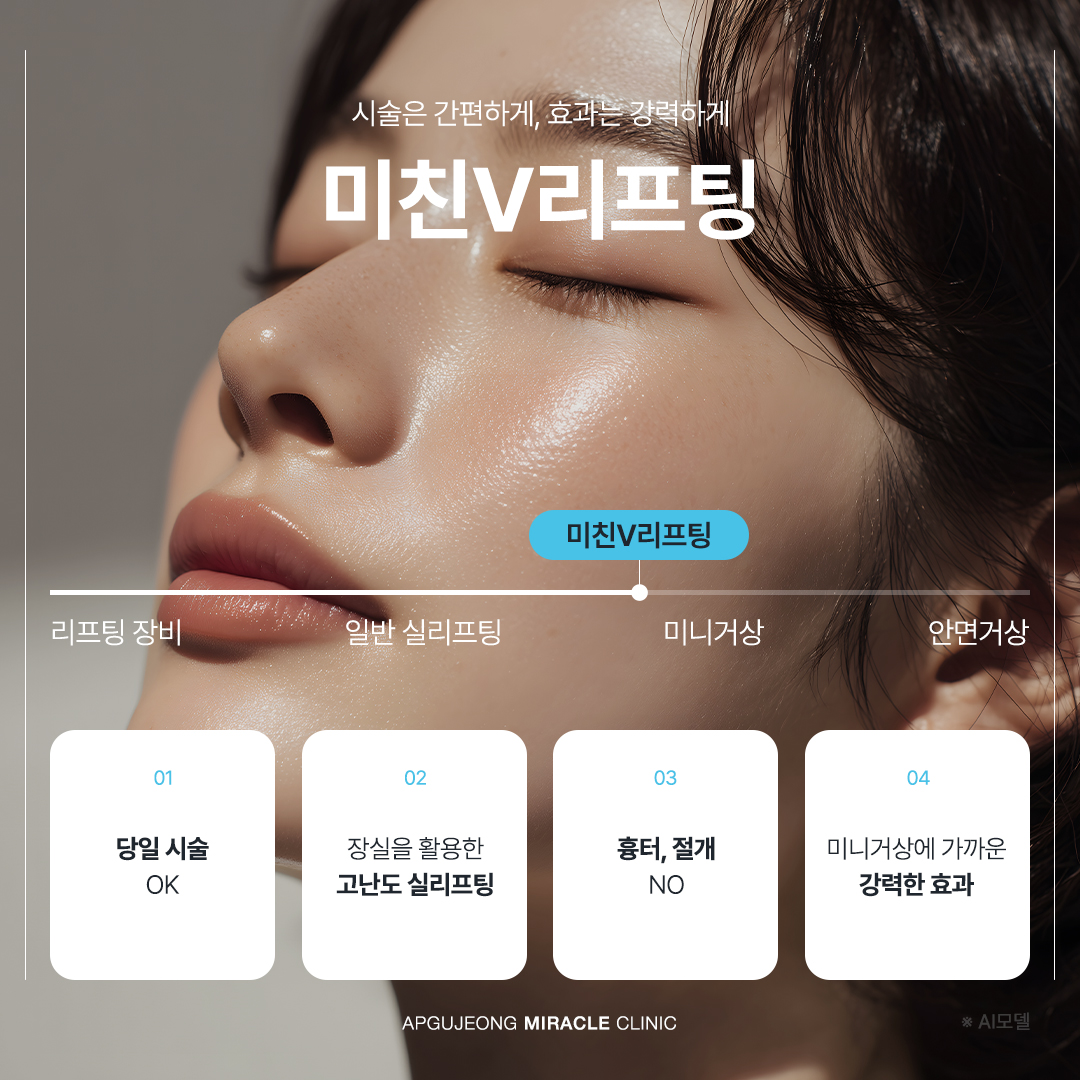
The core tools are lifting threads and devices such as HIFU or ultrasound. Threads give mechanical support and reposition sagging tissue, while devices stimulate collagen and tighten the skin from within. If there is obvious excess fat under the chin or along the jaw, facial liposuction or contour injections may be considered to reduce bulk first. This guide, however, focuses mainly on lifting methods that address sagging and skin laxity.
Available lifting options in Apgujeong
Many clinics in the Apgujeong Rodeo area offer a wide lineup of lifting methods in one place. This can be helpful for overseas patients who want to compare options during a single visit.
Thread lifting options
Common thread lifting brands and techniques include Mint Thread Lifting, Silhouette Soft, Ultra V Lifting, Omega Lifting, and other in-house thread methods. Each type of thread has its own material, thickness, and shape of barbs or cones, which affect how strongly it lifts, how long it tends to last, and how it feels during movement.
In simple terms, threads act like tiny internal support lines. They are inserted under the skin through small entry points and then gently pulled to reposition sagging tissue. The barbs or cones on the threads help anchor the tissue in its new position. Over time, the body forms collagen around the threads, which may help maintain some of the lifting effect even after the threads themselves are absorbed.
Device-based lifting options
Device lifting in Apgujeong often includes HIFU and ultrasound-based systems, as well as devices such as Shurink and Doublo. Some clinics also use additional skin lasers for surface tightening and texture.
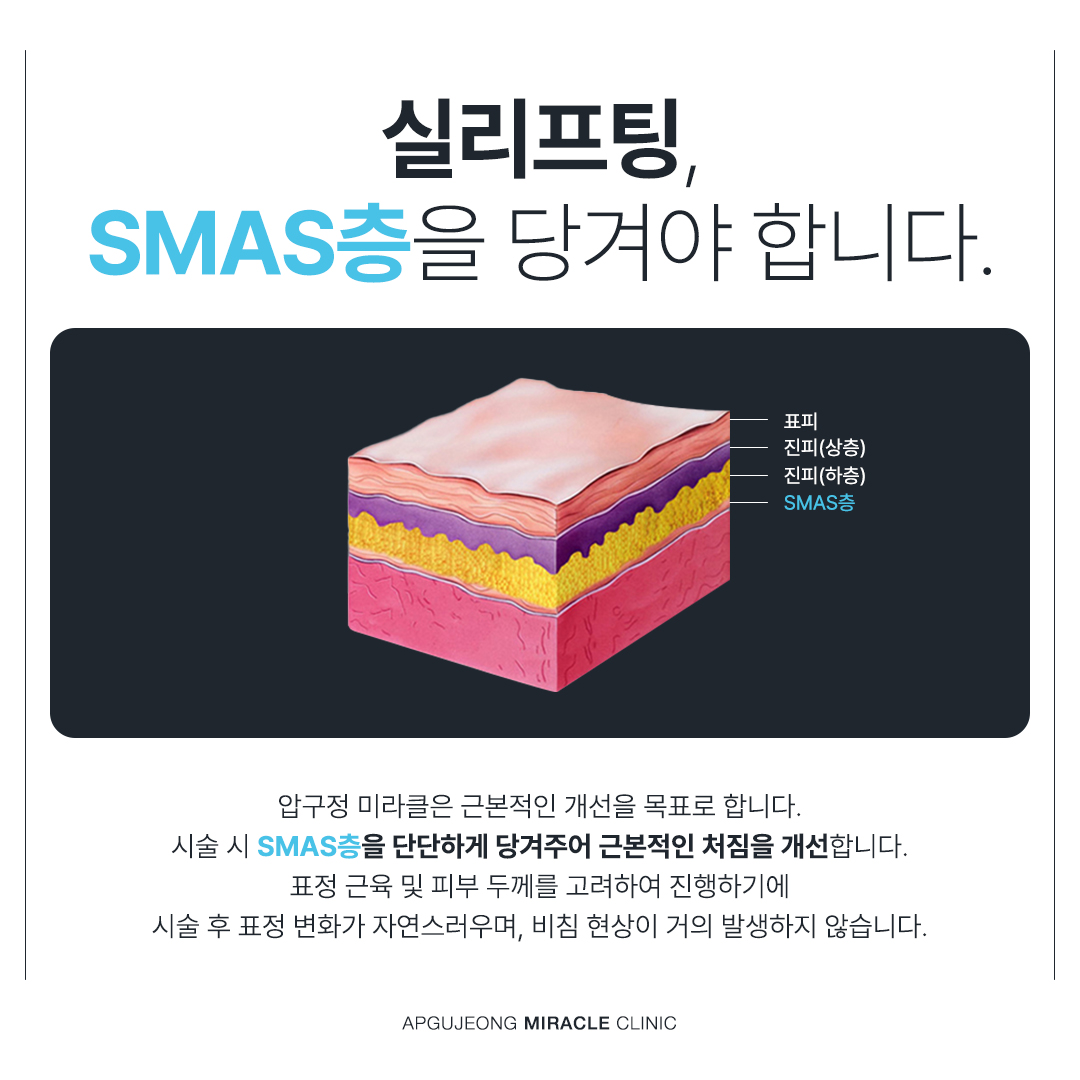
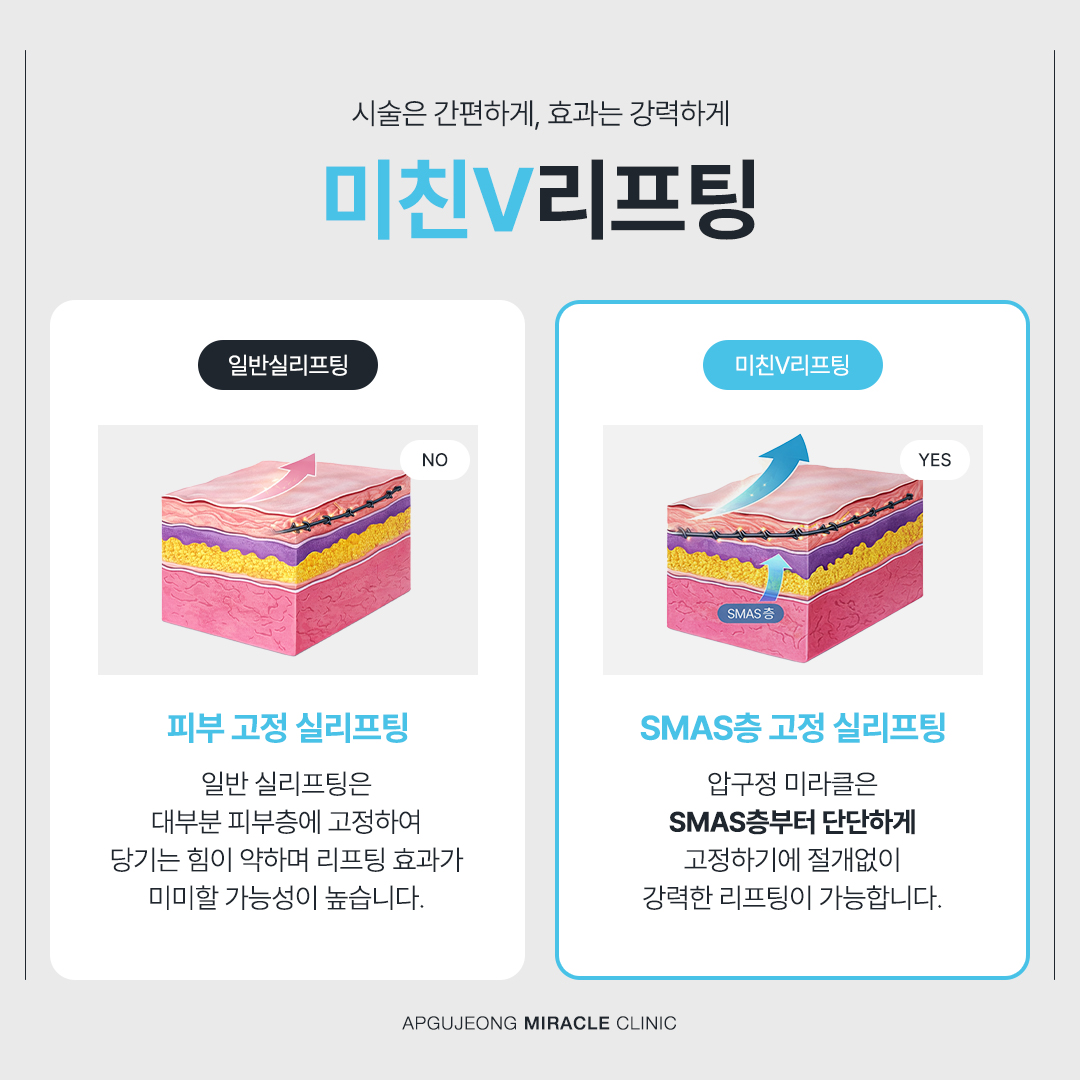
HIFU and ultrasound devices deliver focused energy to deeper layers of the skin and the superficial muscular aponeurotic system (SMAS), which is the layer that is often targeted in surgical facelifts. This energy creates controlled heat points that stimulate collagen production and gradual tightening. Unlike threads, devices do not physically pull the tissue; instead, they encourage the skin and underlying structures to contract and firm up over time.
Criteria for choosing different methods
Not every face needs the same lifting method. For example:
- Someone with mild skin laxity but no heavy jowls might be guided mainly toward HIFU-style device lifting.
- By contrast, when clear jowls and obvious soft tissue drooping are present, threads are usually considered to provide structural support.
- In many real cases there is both sagging and loose skin, so a combined plan using threads with HIFU or ultrasound can be discussed.
Clinics that offer several thread types and devices do not need to use the same protocol for everyone. For example, they may choose more powerful lifting threads for heavier jowls. For people with thinner or more delicate skin, they may use gentler device settings to reduce irritation while still giving some tightening.
Custom planning for the V-line
A proper V-line lifting plan looks beyond a single area. During consultation, the medical team usually evaluates the jawline, chin length, cheek volume, and neck line together.
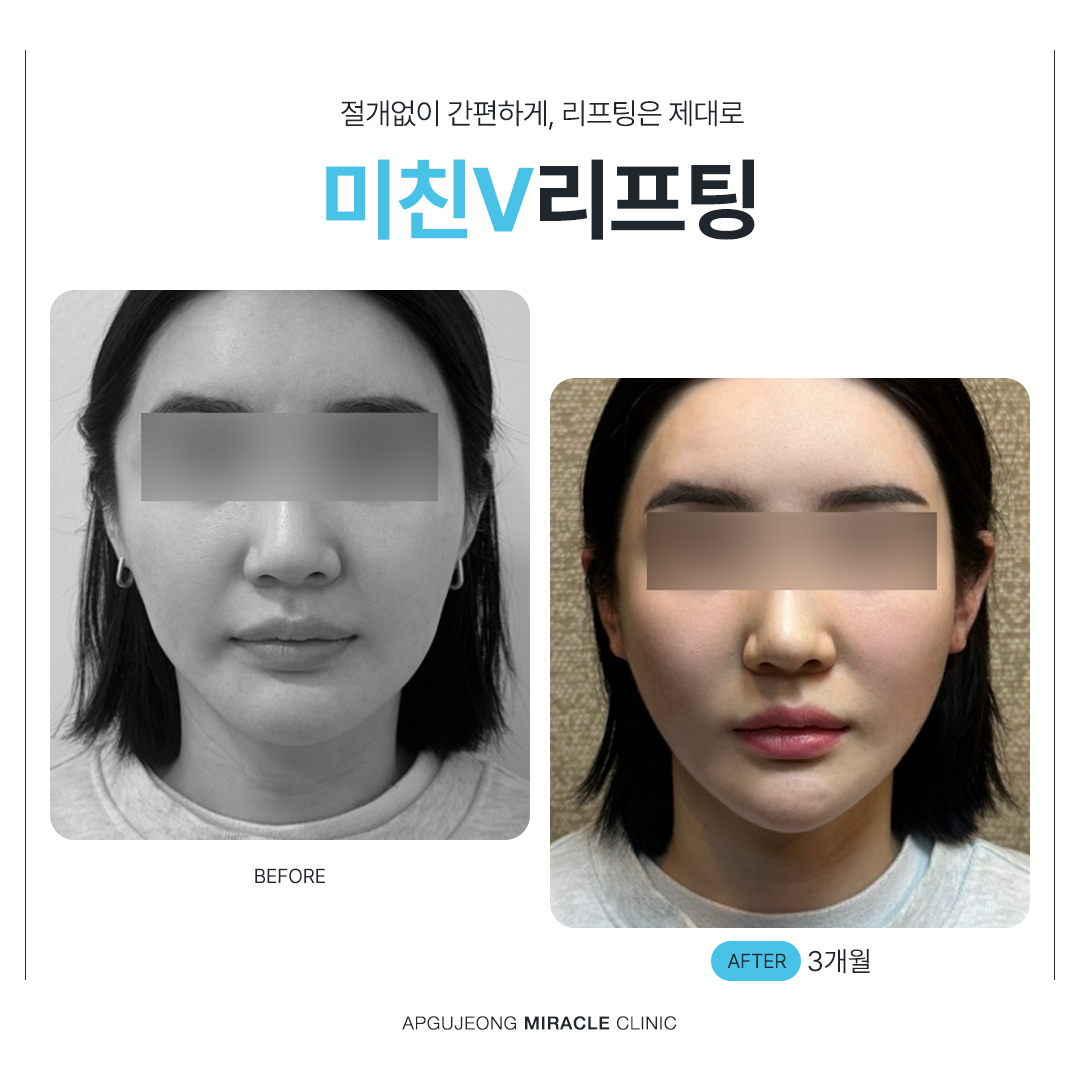
When creating a customized plan, the types of procedures and their order are combined according to the condition of the face and the final goal.
Thread lifting for structure
Threads are often used to lift and support the jowls, lower cheeks, and jawline. The entry points and vector directions are planned so that the lift looks natural rather than pulled. In some cases, shorter threads can be used around the marionette lines and corners of the mouth, while longer threads are placed along the jawline.
HIFU and ultrasound for skin tightening
HIFU or ultrasound-based lifting can be added to improve skin firmness over the lifted structure. For example, after threads reposition the tissue, device-based lifting can help tighten the overlying skin and support collagen production. Some clinics schedule device lifting on a different day from thread lifting, while others may combine them in one session, depending on the protocol and patient’s condition.
Optional fat reduction for the lower face
If there is significant fat under the chin or along the jawline, threads alone may not create a clean V-line. In such cases, the clinic may suggest:
- Small-volume facial liposuction under the chin or along the jawline.
- Contour injections that help reduce localized fat in selected areas.
These options are not mandatory and are not suitable for everyone. They are usually considered when the main problem is volume rather than loose skin or sagging.
For overseas patients, it is safer to look at the actual plan rather than just the package name. Even if two clinics use similar names, the details can differ in thread type, number of threads, and which devices are combined. When you inquire, you can simply ask, “Which areas will you lift, and what exactly is included in this plan for my jawline?”
A key point for overseas patients is to avoid choosing only by package name. Two patients with the same age and weight can still need different approaches. A clinic that evaluates your bone structure, soft tissue, and skin quality can explain why it recommends a certain combination instead of forcing a standard package.
Revision and thread removal services
Some Apgujeong clinics specifically welcome patients who are unhappy with previous lifting done elsewhere. Common concerns include asymmetry, visible or palpable threads, unnatural contour, or feeling that the effect was too weak or too strong.
Assessment for revision
During a revision consultation, the medical team will usually:
- Check the current position and type of existing threads if known.
- Evaluate skin thickness, remaining sagging, and any irregularities.
- Ask about the timeline of previous procedures and any complications.
- Discuss your main priorities, such as wanting a softer line, more lift, or simply removal.
Possible approaches
Not all previous threads must be removed. In some cases, it may be safer and more effective to leave older threads in place and add new lifting in a different vector. In other cases, thread removal or repositioning may be recommended.
Options can include:
- Partial thread removal when a thread is visible, causing dimpling, or creating discomfort.
- Re-lifting with a different type of thread that better matches your tissue.
- Switching focus to device-based lifting if the skin is thin or has been heavily treated with threads before.
The final plan depends on safety, the current condition of your tissue, and your realistic goals. Revision is often more complex than first-time lifting, so clear communication is important.
Who may consider Apgujeong V-line lifting
Apgujeong V-line lifting can be considered by adults who want to refine their lower face without full surgery. Typical candidates include:
- People with mild to moderate sagging along the jawline and lower cheeks.
- Those who notice early jowls or a blurred jawline.
- Individuals whose lower face looks heavier or more square mainly because of soft tissue sagging, not because of bone structure.
- People who want to delay or avoid a surgical facelift for now.
- Patients who already had lifting once and are looking for a more suitable method or correction.
Suitability depends on age, skin quality, medical history, and expectations. Very heavy sagging or significant excess skin may respond better to surgical options, so it is important to discuss what is realistically achievable with non-surgical lifting.
Treatment process for overseas patients
While each clinic has its own protocol, the general process for Apgujeong V-line lifting follows several steps.
Pre-treatment consultation
The first step is usually an online consultation before you book flights. You may be asked to send clear photos of your face from the front and both sides, with neutral lighting and no filters. The clinic will ask about:
- Previous procedures, including any thread lifting, HIFU, fillers, or other treatments.
- Medical history, allergies, and current medications.
- Your main concerns and what kind of change you hope to see.
Based on this information, the clinic can suggest whether threads, devices, or a combination might be suitable, and how many days in Korea you should plan for.
Selection of methods
On the day of in-person consultation in Seoul, the medical team will examine your skin thickness, degree of sagging, and fat distribution. They may mark your face to show potential lifting vectors and explain the differences between thread types and devices.
Factors that influence the choice include:
- How much downtime you can accept.
- Your pain tolerance and preference regarding anesthesia.
- Whether you have existing threads or scars.
- Your age and rate of skin aging.
Procedure day
On the procedure day, the typical steps may include:
- Photography for documentation before treatment.
- Skin cleansing and marking of entry points and treatment areas.
- Application of local anesthesia injections and/or numbing cream. Some clinics may offer mild oral or inhaled sedation if appropriate.
- Insertion of threads through small entry points, followed by gentle adjustment of tension.
- Device-based lifting such as HIFU, if planned in the same session.
- Final check of symmetry and basic dressing of entry points.
The procedure time can vary from about 30 minutes to over an hour, depending on the number of threads and whether devices are also used. After observation for a short period, most patients can return to their accommodation on the same day.
Aftercare instructions
Before you leave the clinic, the staff will provide aftercare guidance, which may include:
- How to clean the face around entry points.
- When you can wash your face and apply makeup.
- How long to avoid strong pressure, facial massage, or beauty treatments.
- Recommended sleeping position for the first few nights.
- Which activities or sports to avoid temporarily.
Some clinics provide written instructions and explain possible warning signs that should prompt contact with the clinic.
Non-surgical V-line lifting is less invasive than surgery, but it is still a medical procedure. Temporary swelling, bruising, or tenderness can appear, and in some cases issues like asymmetry, thread visibility, or contour irregularities may require follow-up care. Ask in advance how long these short-term changes usually last, what kind of aftercare is available, and how follow-up is handled if you notice something unusual after you return home.
Common temporary side effects
Typical short-term effects can include:
- Swelling and mild bruising along the jawline and cheeks.
- Feeling of tightness or pulling, especially when moving the mouth.
- Tenderness around entry points.
- Mild asymmetry during the early healing phase due to swelling.
These usually improve over days to a few weeks. The timeline varies from person to person.
Realistic expectations
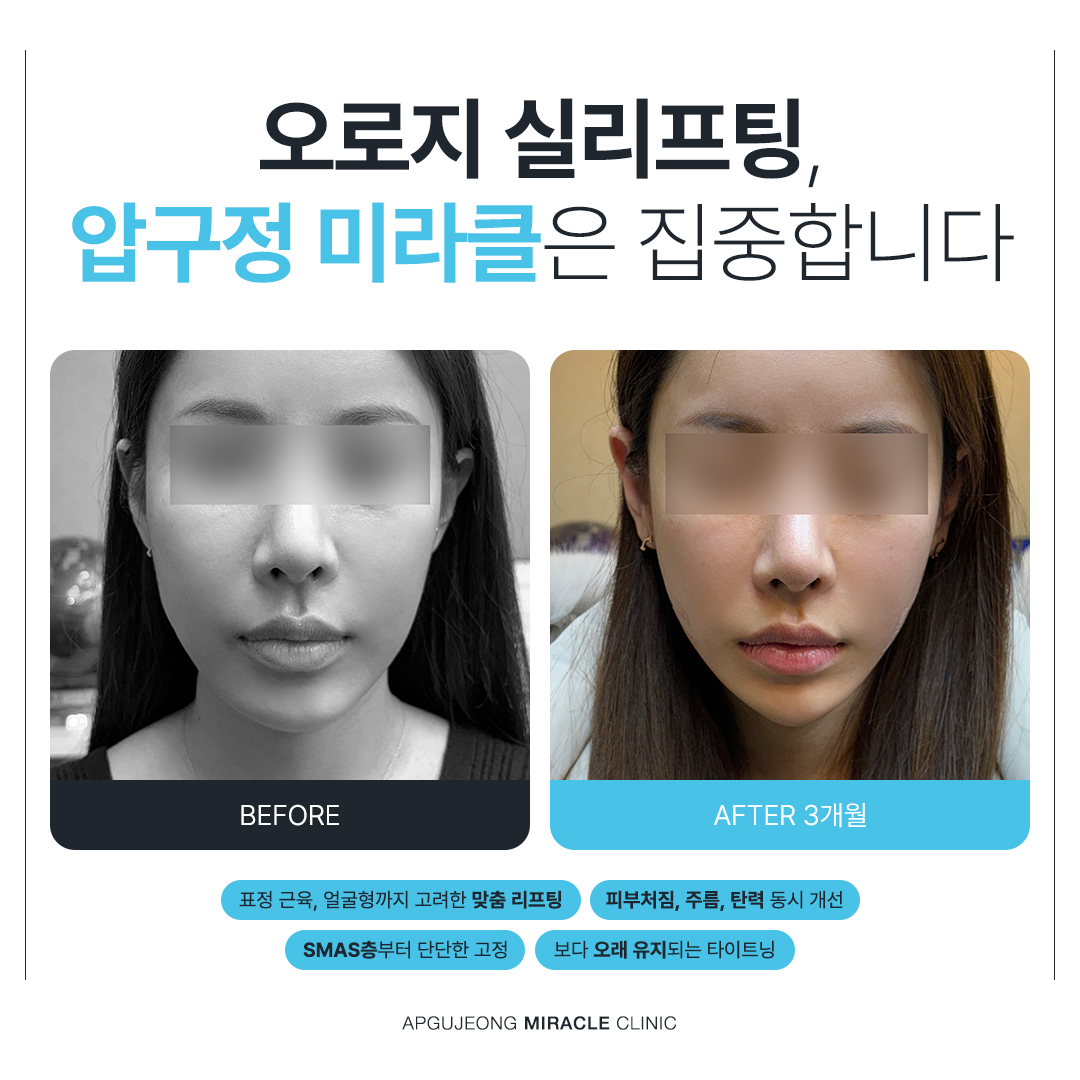
Thread lifting and HIFU can sharpen the jawline and soften early jowls, but they have limits. They do not replace bone shaving, major fat removal, or a full surgical facelift, so changes will look like a firmer, more defined version of your current face rather than a completely different facial shape.
It is helpful to think in terms of softening jowls, sharpening the jawline, and creating a more balanced lower face, rather than expecting a dramatic transformation. Over time, natural aging continues, and some people choose maintenance treatments.
Follow-up and long-term care
Most clinics schedule at least one follow-up visit to check healing and symmetry. For overseas patients, this is often within a few days to one week after the procedure. If you stay longer in Korea, additional check-ups may be possible.
To support long-term results, clinics may suggest:
- Sun protection and basic skincare.
- Healthy lifestyle habits such as not smoking and managing weight changes.
- Maintenance treatments like periodic device-based lifting, depending on your condition.
Online consultation and pre-visit preparation
For international patients, good preparation can make the trip smoother and help the clinic design a realistic plan.
Information to prepare
Before your online consultation, it is helpful to gather:
- Clear photos of your face from front, 45-degree angles, and side, including the neck.
- A list of previous facial procedures with dates, especially any thread lifting, HIFU, or injections.
- A list of medications and supplements you are currently taking.
- Information about any chronic illnesses, allergies, or bleeding tendencies.
Many people find it helpful to write down a couple of questions before visiting. For example, you might ask which combination of threads and devices is recommended for your face and why, and how many days in Korea you should plan for consultation, procedure, and follow-up.
Many patients find it useful to prepare written questions, such as:
- - Which combination of threads and devices is recommended for my case, and why?
- - How many days in Korea do I need for consultation, procedure, and follow-up?
- - What level of swelling or bruising should I expect, and for how long?
- - What are the main risks in my situation, and how are complications handled?
Comparing clinics
When comparing different clinics in the Apgujeong area, consider more than just price. Points to check include:
- Experience with both first-time and revision lifting.
- Range of thread types and devices available.
- Whether they regularly treat overseas patients and provide English support.
- Clarity of explanations about limitations and possible side effects.
This information helps you choose a place that matches your needs and communication style.
Expected Korea visit timeline (for overseas patients)
The exact schedule depends on your condition and travel plans, but a common structure for overseas patients might look like this:
- Day 1: Arrival in Seoul and rest.
- Day 2: In-person consultation, detailed examination, and final planning. Some patients may have the procedure on the same day if time allows and both sides agree.
- Day 3–4: Early check-up and basic aftercare guidance. Light sightseeing or rest, depending on how you feel.
- Day 5–7: Additional follow-up visit if needed, then departure.
If you are planning revision or more complex combination treatments, you may be advised to stay slightly longer to allow for additional monitoring.
Clinic positioning and additional services
Some clinics in the Apgujeong Rodeo area focus strongly on thread lifting, device-based lifting, and revision of previous lifting. For patients traveling from abroad, it can be helpful to check whether the clinic has staff who can communicate in your language and whether they have experience treating international patients.
In addition to V-line lifting, these clinics may also offer anti-aging treatments and body contouring such as liposuction, stem cell-based anti-aging programs, and various injection therapies. This broader range can be useful if you want to coordinate facial contouring with overall body silhouette planning, although it is not necessary for everyone.
Practical information for visiting Apgujeong
Location
Many V-line lifting clinics are located in Sinsa-dong, Gangnam-gu, on upper floors of commercial buildings near Apgujeong Rodeo Station on the Suin–Bundang Line. A typical example would be a clinic on the 5th floor of a building a short walk from Exit 5.
This area is surrounded by cafes, restaurants, and shopping streets, which can be convenient during your recovery days.
Hours and booking
Clinics in this area commonly offer consultations and treatments on weekdays and Saturdays, with Sundays and public holidays closed. Exact hours vary, so it is important to confirm in advance.
Because schedules can fill quickly, especially for procedures like thread lifting, overseas patients are encouraged to book consultations ahead of time and share their planned travel dates.
Documents to bring
When you visit in person, bring:
- Passport or identification.
- Any medical records related to previous facial procedures, if available.
- Names and dates of previous lifting methods and devices used, if you know them.
- A list of medications and allergies.
Before you decide, take a moment to organize your main concern—whether it is jowls, double chin, or overall skin laxity—and share this clearly during consultation. Then check with the doctor what kind of result you can realistically expect with the suggested plan and how the schedule will work for your stay in Korea, including how follow-up or online check-ups are handled after you return home.
Is Apgujeong V-line lifting suitable for first-time patients with mild sagging?
Many first-time patients with mild to moderate sagging along the jawline can be candidates for non-surgical V-line lifting. Threads, devices, or a combination may be suggested depending on your skin quality and goals. A consultation is necessary to confirm suitability and to discuss what level of change is realistic.
How long do the effects of thread and HIFU lifting usually last?
The duration of effect varies widely between individuals. Factors include age, skin elasticity, lifestyle, and how quickly you naturally age. Some people feel satisfied for around one to two years, while others may notice gradual changes earlier or later. Maintenance treatments may be recommended based on your condition.
Can I combine V-line lifting with other facial treatments during the same trip?
In many cases, V-line lifting can be combined with other treatments such as skin lasers or injections, but the timing and order need to be planned carefully. Some procedures are better done on separate days to reduce irritation and allow proper healing. Your clinic can design a schedule that fits your travel dates and medical safety.
What should I do if I already have threads from another clinic?
If you already have threads, inform the clinic in detail, including when and where they were placed and what type they were, if known. During examination, the medical team will assess whether the existing threads can stay in place, need partial removal, or should be left untouched while adding new lifting. The decision is based on safety, your current condition, and your goals.
When you feel ready, you can plan your visit to Apgujeong Rodeo with a clearer idea of the timing, expected results, and questions to ask during your non-surgical V-line consultation in Seoul.
If you are considering Apgujeong V-line lifting or need revision after a previous lifting, an online consultation can help you understand your options before you travel. By sharing clear photos and your treatment history, you can receive a personalized suggestion for threads, devices, or a combination that fits your face shape and schedule. When you feel ready, you can plan your visit to Apgujeong Rodeo with a clearer idea of what to expect from your non-surgical V-line journey in Seoul.



댓글
댓글 쓰기