Apgujeong Thread Lifting Dermatology Clinic Guide for International Patients
- 공유 링크 만들기
- X
- 이메일
- 기타 앱

If you are looking for a thread-lifting–focused dermatology clinic around Apgujeong Rodeo in Sinsa-dong, Gangnam, you will find several clinics that provide non-surgical facial lifting using various thread systems and ultrasound-based devices. This guide explains what to expect at a thread-lifting clinic in the area, how combination treatments are planned, and how overseas patients can organize a safe, efficient visit to Seoul.
Scheduling tips: allow at least two weeks to arrange a consultation and additional time for a procedure depending on clinic availability. Example itinerary: Day 1 — consultation (online or in-person); Day 2 — procedure if clinically approved, or follow-up; Days 3–7 — recovery and any minor check-ins. Always confirm appointment policies, pre-procedure instructions, and aftercare with the clinic.
This post is sponsored by Apgujeong Miracle Clinic.
You will also find information about correction and thread removal for unsatisfactory previous lifting, typical treatment timelines for medical tourists, and practical tips for online consultation before you travel.
What is thread lifting
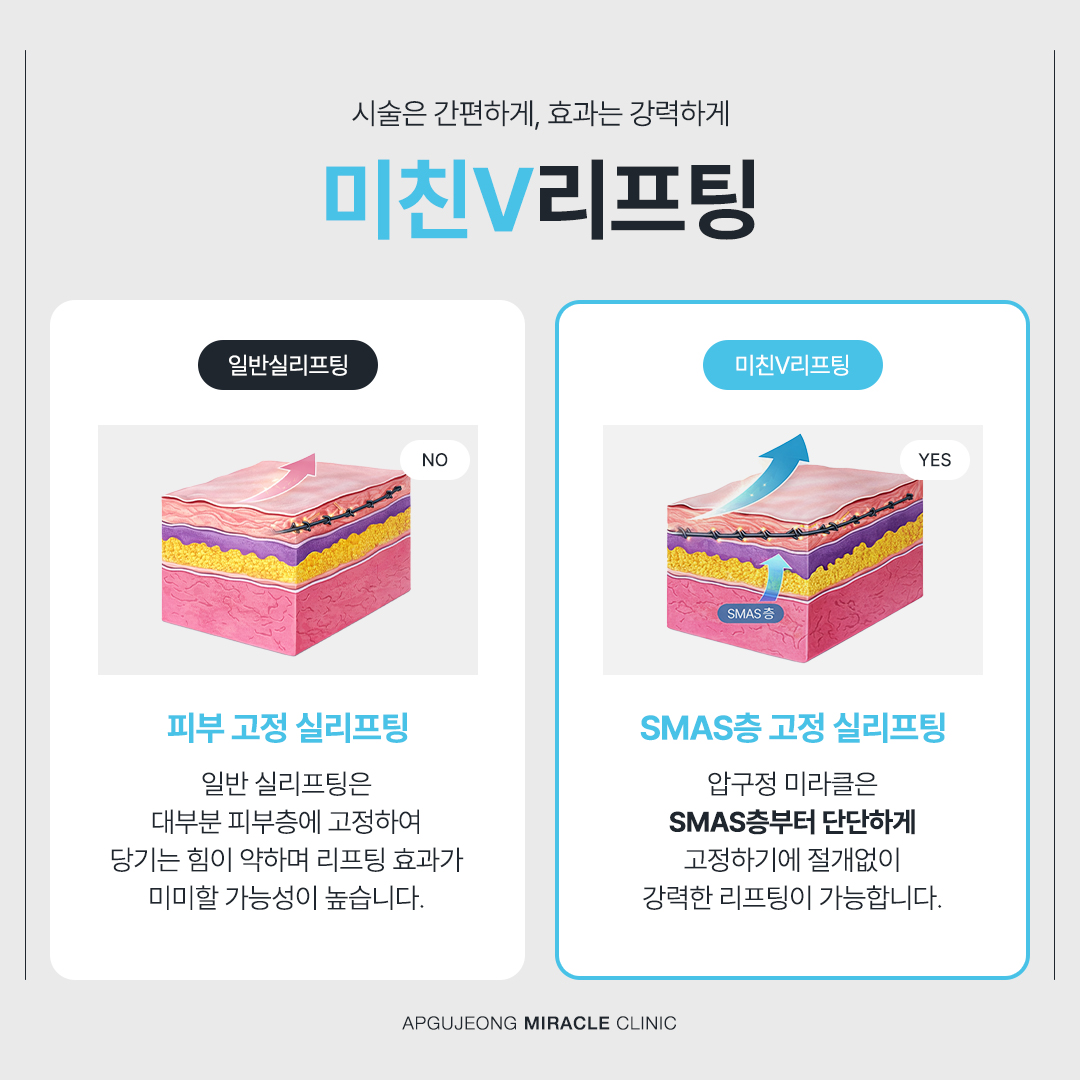
Thread lifting is a minimally invasive procedure that uses dissolvable threads placed under the skin to gently lift sagging tissues and improve facial contour. The threads are usually made from materials such as PDO, PLLA, or PCL, which are gradually absorbed by the body over time.
Many modern threads have barbs, cones, or special textures along their length. These structures help anchor the thread to the surrounding tissue so that when the thread is adjusted, the skin and underlying tissue are lifted in the desired direction. Over time, the presence of the thread can stimulate collagen production around it, which may help maintain firmness even after the thread itself dissolves.
Common treatment areas include the jawline, cheeks, nasolabial folds, marionette lines, and lower face. Some clinics also apply thread lifting techniques to the neck or selected body areas where mild to moderate sagging is present.
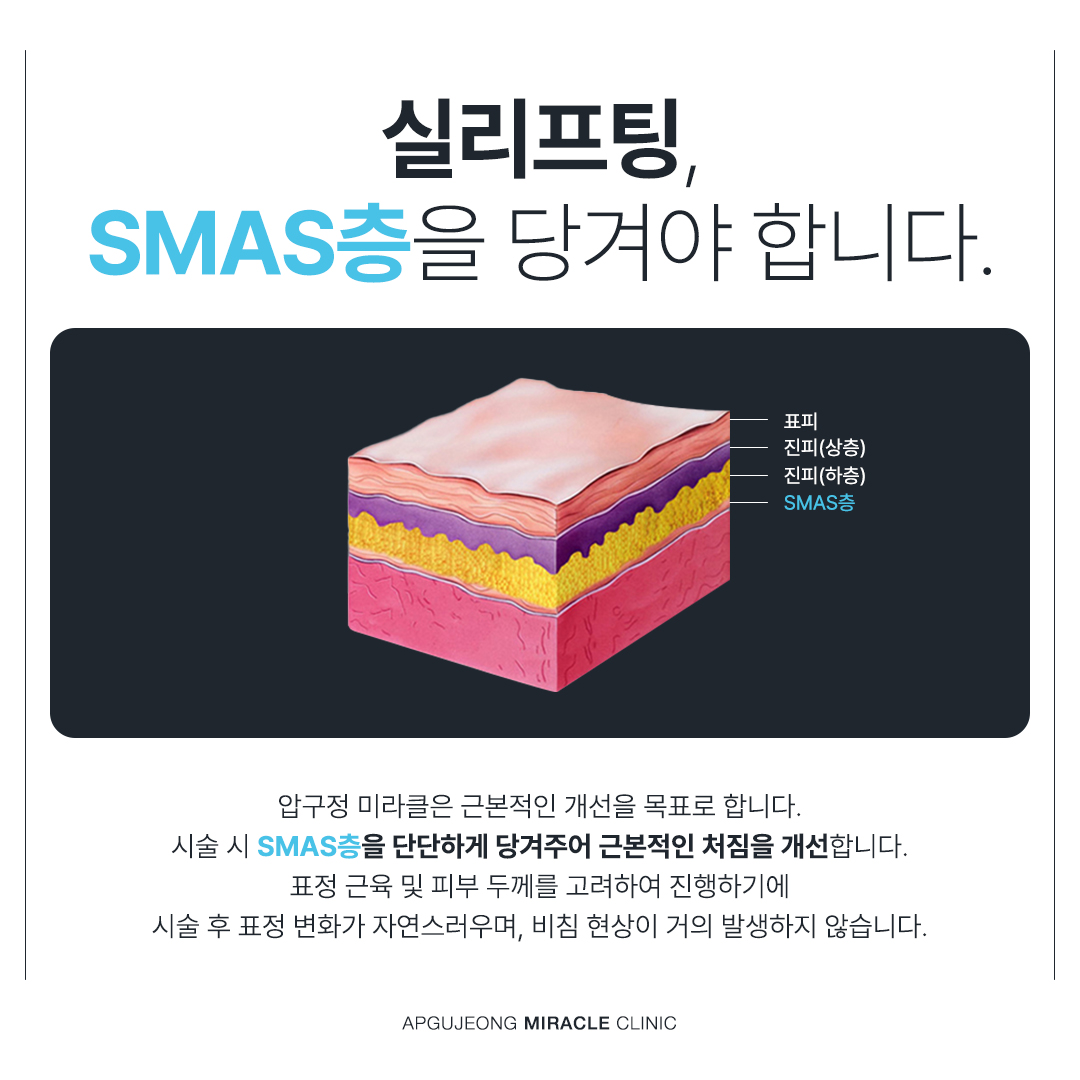
How thread lifting differs from other lifting methods
Compared with surgical facelift, thread lifting uses small entry points instead of long incisions. It is usually performed under local anesthesia, and most patients return to daily activities faster than after surgery. However, the degree of lifting is generally more subtle than surgical facelift, and the duration of effect can vary depending on age, skin quality, lifestyle, and thread type.
Compared with device-based lifting such as ultrasound (HIFU, Ulthera-type, Shurink, Doublo-type) or radiofrequency, thread lifting provides a more mechanical, immediate lift because the threads physically reposition tissue. Device-based lifting mainly uses heat to tighten collagen and stimulate new collagen formation, which develops gradually over weeks to months.
In Apgujeong Rodeo area, many clinics combine both approaches. Threads can provide structural support and contour definition, while ultrasound or other devices are used to refine skin tightness and texture.
Types of thread lifting and devices in one clinic
Common thread types you may hear about
You may encounter different brand names, but in general, threads can be grouped as follows:
Barbed PDO threads
These are among the most widely used lifting threads. Small barbs along the thread help grip the tissue. They are often used for jawline definition, cheek lifting, and improving nasolabial folds.
Cone-type threads
These threads have small cones along their length. The cones act as anchors in the tissue and can provide a more gradual, distributed lifting effect. Silhouette-style cone threads are a common example in this category.
Elastic or spring-like threads
Some systems use more elastic materials or spring structures designed to move with facial expressions while maintaining support. These can be considered in dynamic areas of the face.
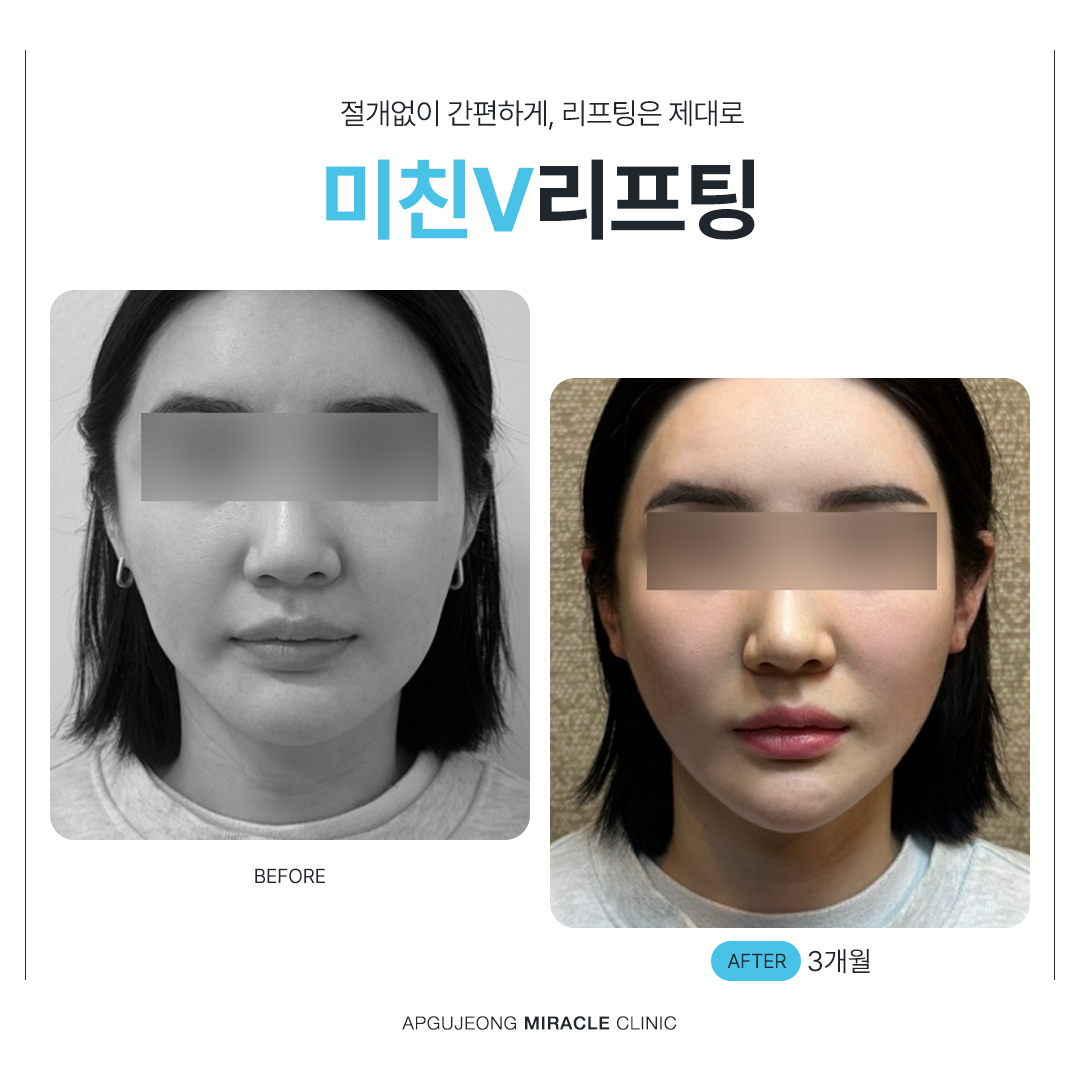
PDO, PLLA, and PCL-based systems
PDO threads tend to dissolve more quickly than some PCL or PLLA threads, which may persist longer in the tissue. The choice depends on your skin thickness, degree of sagging, and how long you want the effect to last, balanced with safety and your retreatment plans.
Energy-based lifting devices often available in the same clinic
Many Apgujeong clinics that focus on thread lifting also provide device-based lifting options, such as:
Ulthera-type ultrasound systems
These deliver focused ultrasound energy to deeper layers of the skin and the superficial muscular aponeurotic system (SMAS). They are often used for overall tightening of the face and neck.
Shurink and Doublo-type ultrasound
These systems also use focused ultrasound for lifting and tightening. Settings can be adjusted according to skin thickness and sensitivity.
Other skin lasers and tightening devices
In addition to ultrasound, clinics may use lasers or radiofrequency devices to address fine lines, pores, pigmentation, or mild laxity at more superficial levels.
How methods are selected
During consultation, the doctor usually evaluates:
- Your age and skin quality
- Your main concerns (jawline, midface, double chin, neck, etc.)
- Previous procedures such as fillers, threads, or device lifting
- Tolerance for downtime, swelling, and bruising
- Timeline for returning to work or travel
Based on these factors, the plan may include only threads, only devices, or a combination of both. For example, a patient with mild sagging and thin skin might start with ultrasound lifting and a small number of threads, while someone with heavier tissue and a blurred jawline may benefit from stronger barbed or cone threads plus contour injections.
Who may consider thread lifting in Apgujeong
Men and women with early to moderate sagging
People in their 30s to 50s often notice softening of the jawline, deeper nasolabial folds, or a heavier lower face. Thread lifting can be an option when they want visible improvement but prefer to avoid surgical facelift.
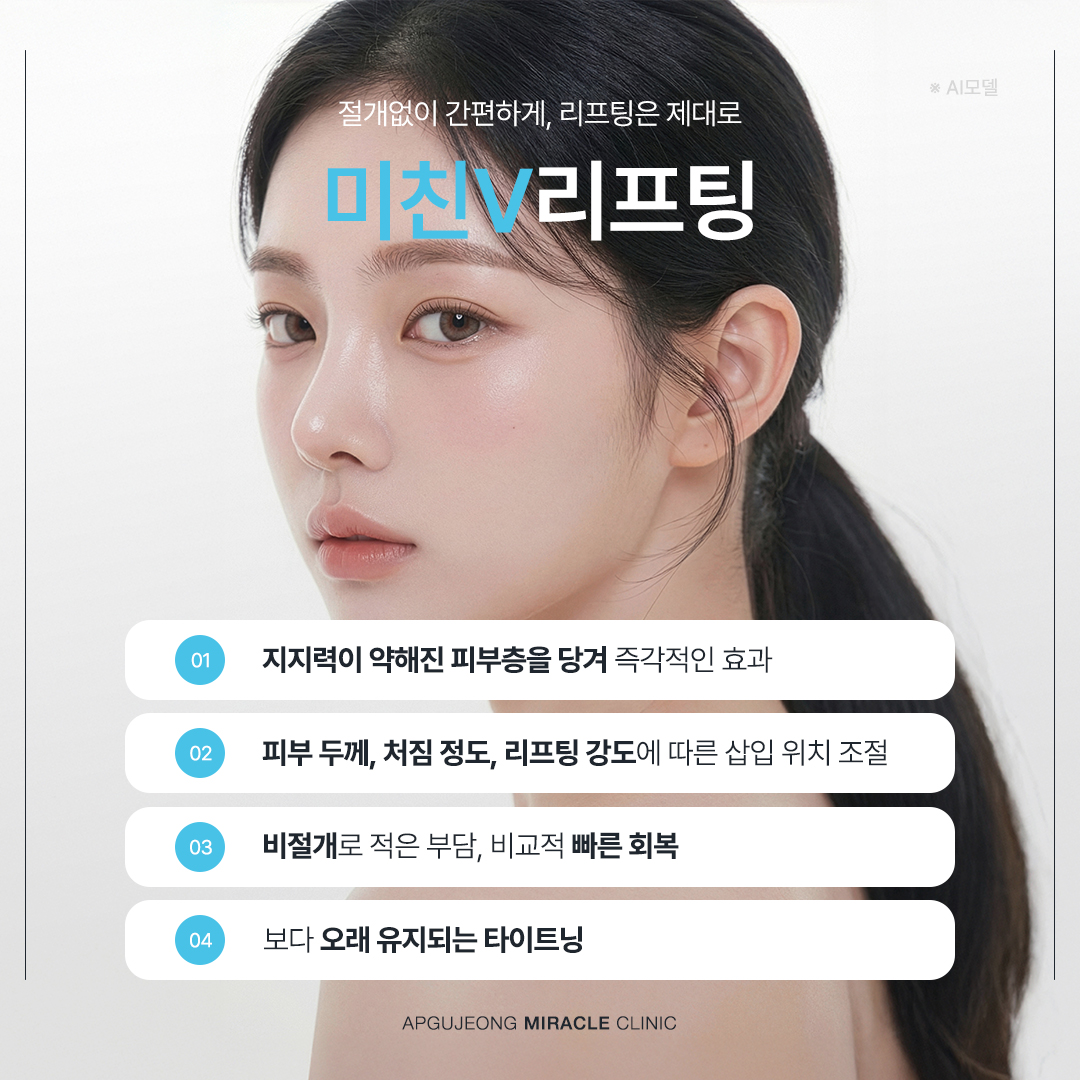
People seeking jawline or V-line definition without bone surgery
If you want a sharper jawline or more defined lower face but are not ready for bone contouring surgery, a combination of thread lifting, facial fat reduction, and contour injections can sometimes create a slimmer, more lifted appearance.
Patients dissatisfied with previous lifting
Some patients come to Apgujeong clinics after thread lifting or device lifting elsewhere, feeling that the effect was insufficient, uneven, or uncomfortable. In these cases, the clinic may evaluate whether retreatment, additional threads, or thread removal is appropriate.
Individuals considering combined contouring
For bulky lower face or double chin, thread lifting alone may not provide the desired contour. Clinics in this area often plan combined treatments such as facial liposuction, fat-dissolving injections, and threads to both reduce volume and lift remaining tissue.
Retreatment and dedicated thread removal services
Several clinics in the Apgujeong Rodeo area emphasize retreatment and thread removal for patients who are unhappy with previous procedures. This can include visible threads under thin skin, irregularities, dimpling, or asymmetry.
Assessment before retreatment or removal
The doctor will usually:
Review your previous treatment history, including type of threads and where they were placed if known
Examine the skin for visible or palpable threads, irregularities, or areas of discomfort
Assess tissue condition, including any scarring, thinning, or volume loss
Discuss your expectations and what level of improvement is realistically possible
Possible approaches to correction
Partial thread removal
If a thread is visible, causing pain, or placed too superficially, partial or complete removal may be considered. This can sometimes be done through a small incision under local anesthesia.
Additional balancing threads
If the main issue is asymmetry or insufficient lift on one side, additional threads may be placed to balance the contour.
Combination with device-based lifting
In some cases, ultrasound or other devices are used after partial correction to smooth transitions and improve overall tightening without adding many new threads.
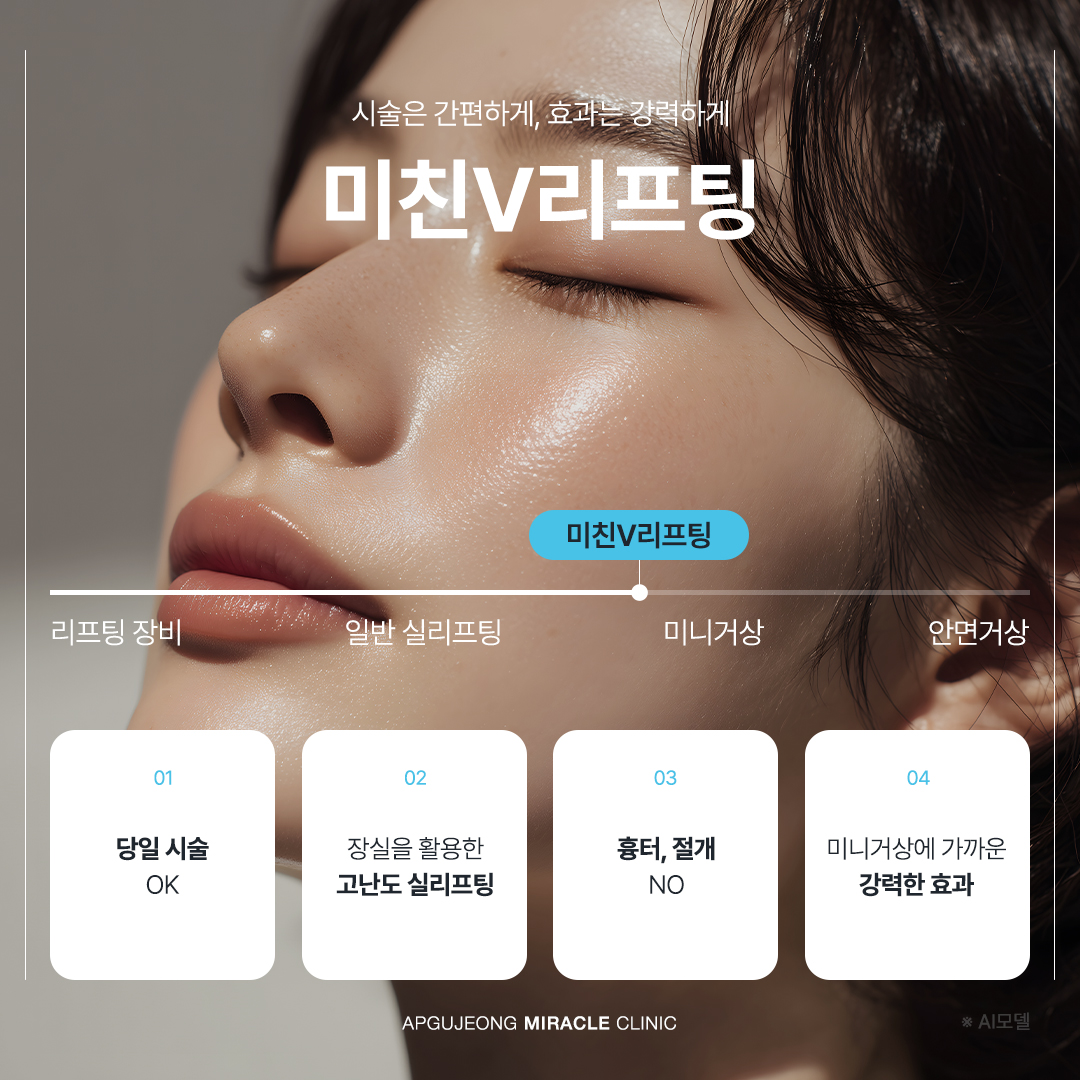
Realistic goals for retreatment
Retreatment focuses on improving comfort, appearance, and symmetry, not on achieving a perfect or permanent result. The tissue has already been altered by previous procedures, so the doctor will usually be cautious and explain that outcomes can be more unpredictable than in first-time cases.
Combination facial contouring plans
In Apgujeong, many thread lifting clinics also offer other contouring services so that the face can be planned as a whole rather than treating each concern separately.
Thread lifting plus facial liposuction
For patients with a full lower face or double chin, removing some fat with facial liposuction can reduce heaviness. Threads can then be used to lift and define the remaining tissue. This combination may be scheduled in a single visit or in stages, depending on your condition and travel schedule.
Thread lifting plus fat-dissolving injections
If you prefer a less invasive option than liposuction, fat-dissolving injections under the chin or along the jawline can be combined with threads. The injections gradually reduce localized fat, while threads provide structural support and lift.
Thread lifting plus contour injections
In some cases, adding volume in selected areas can enhance the lifting effect. For example, subtle contour injections in the chin or cheekbone area can harmonize the face after threads have improved sagging.
Skin tightening and anti-aging support
Ultrasound lifting, lasers, and other devices may be added to improve skin texture, pores, or fine lines. Some clinics may mention adjunctive options such as treatments described as stem cell–related or IV nutrient infusions; these approaches can be experimental or have varying regulatory status and levels of supporting evidence. Discuss potential benefits, risks, and approval status with a qualified physician before considering them. These are usually presented as adjuncts rather than main lifting methods.
Safety, side effects, and realistic expectations
Result duration and variability
The duration of thread lifting effects can vary widely. Factors include:
- Type and thickness of threads used
- Your age and baseline skin elasticity
- Lifestyle factors such as smoking, sun exposure, and weight changes
- Whether you combine threads with devices or other treatments
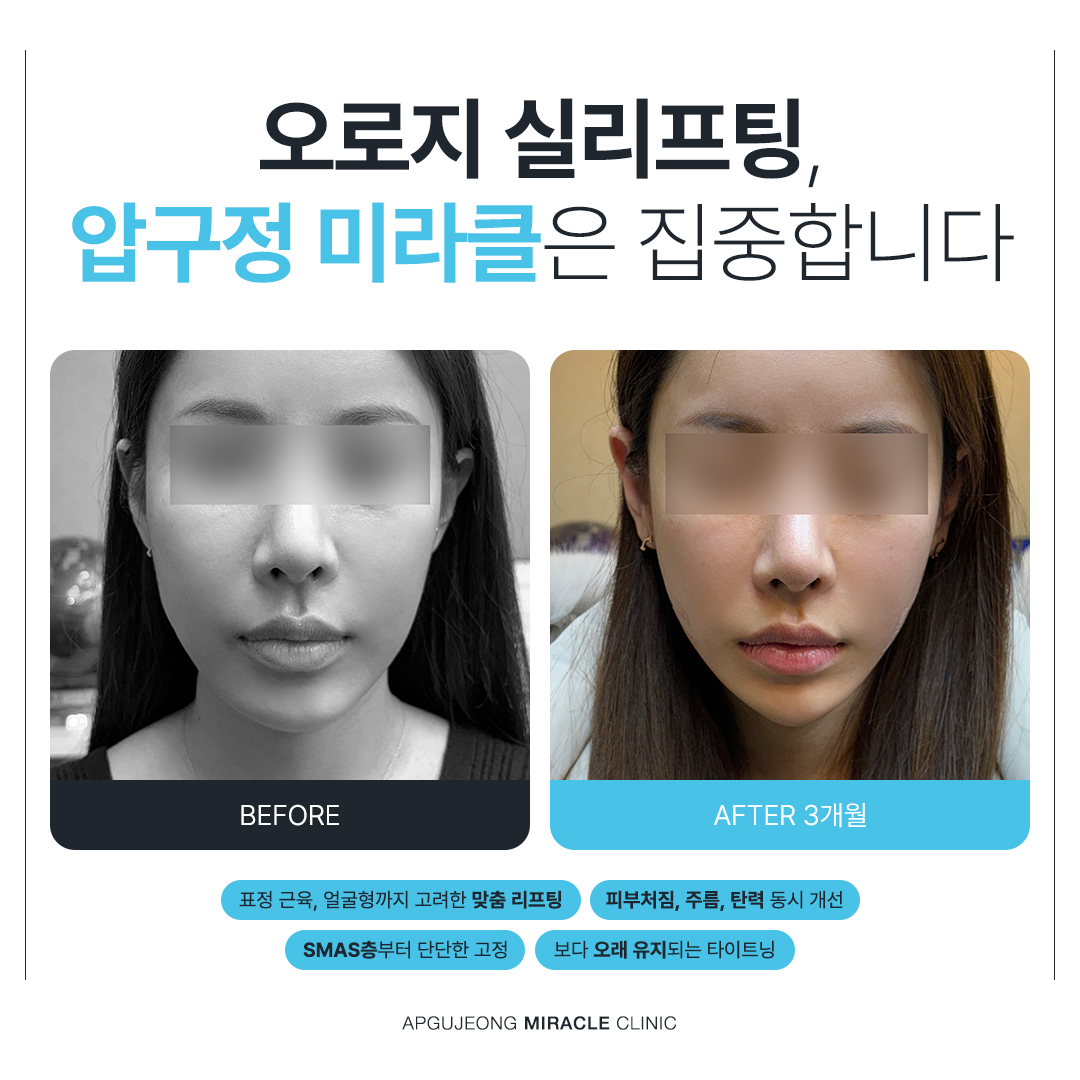
Some people feel improvement for many months, while others may notice that the effect softens sooner. Regular follow-up and maintenance treatments may be suggested, but the schedule should be individualized.
Common temporary side effects
After thread lifting, it is common to experience:
- Swelling and mild bruising along the thread paths
- Tenderness or tightness when moving facial muscles
- Slight asymmetry or dimpling that often improves as tissues settle
- Mild discomfort when opening the mouth widely or sleeping on the side
These usually improve over days to a few weeks. Your clinic will provide specific instructions on cold compresses, sleeping position, and medication if needed.
Possible complications
More serious complications are less common but can occur. These may include:
- Infection along the thread path
- Thread exposure or visibility through thin skin
- Persistent dimpling or irregularity
- Nerve irritation or prolonged pain
If you notice increasing redness, heat, severe pain, or visible thread segments, it is important to contact the clinic promptly. Early management can often prevent worsening.
Importance of detailed consultation
Before any procedure, especially retreatment, it is important to:
Disclose all previous procedures, including fillers, threads, and device treatments
Discuss your medical history, medications, and any bleeding or healing issues
Clarify your priorities: lifting, slimming, symmetry, or texture improvement
Ask about recovery schedule, follow-up visits, and what to avoid after treatment
A careful consultation helps align expectations with what the procedure can realistically achieve.
Online consultation and pre-visit preparation for overseas patients
If you are traveling from overseas, most Apgujeong clinics can arrange an online consultation before you book flights.
Preparing for online consultation
To make the most of your online session, it helps to prepare:
Clear photos of your face from the front, 45-degree angles, and side views, taken in good lighting without filters
Information about previous treatments, including approximate dates and types of procedures
Your main concerns ranked in order of importance (for example, jawline first, then nasolabial folds)
Your travel window and how many days you can stay in Seoul
Questions you may want to ask
- Which thread types or devices are likely to be used in your case
- How many sessions are expected and how they can fit into your travel schedule
- Typical recovery timeline and when you can fly back safely
- What to avoid before the procedure, such as certain medications or supplements
Expected Korea visit timeline for thread lifting
Visit length
For straightforward thread lifting without major combination surgery, many overseas patients plan to stay in Seoul for about 3 to 7 days. This allows time for consultation, procedure, and at least one follow-up visit before departure.
Example timeline
Day 1: In-person consultation, facial analysis, review of online plan, and final decision on treatment. Some patients have the procedure on the same day if both sides agree.
Day 2–3: Main swelling period. You may prefer to rest, avoid heavy sightseeing, and follow aftercare instructions. A short follow-up check may be scheduled.
Day 4–7: Swelling and tightness gradually improve. Another follow-up may be arranged to confirm healing and answer questions before you return home.
If you are combining thread lifting with facial liposuction or larger body procedures, your clinic may recommend a longer stay.
Aftercare and follow-up
Immediate aftercare
After thread lifting, clinics usually advise:
- Avoiding heavy chewing, wide yawning, or strong facial massage for a certain period
- Sleeping on your back with your head slightly elevated for several nights
- Avoiding alcohol, sauna, and intense exercise for a few days
- Keeping entry points clean and following any prescribed medication schedule
Short-term follow-up
A follow-up visit is often scheduled within a few days to a week to check for bruising, swelling, and early symmetry. If minor irregularities are present, they may improve naturally as tissues relax, but the doctor may gently adjust certain areas if needed.

Long-term follow-up
If you live overseas, you may not return frequently. In that case, the clinic may ask you to send photos at certain intervals to monitor progress. They can then advise whether additional device-based treatments or maintenance procedures might be helpful in the future.
Visiting a thread lifting clinic in Apgujeong Rodeo area
Location and access
Thread lifting clinics in this area are typically located in upper-floor buildings around Apgujeong Rodeo Station on the Suin-Bundang Line, often near exit 5. This neighborhood is known for beauty and aesthetic services, with many cafes and shops nearby.
The upper-floor setting can provide more privacy for patients who prefer a discreet environment for consultations and treatments.
Clinic hours and scheduling
Most clinics open on weekdays and Saturdays, and are closed on Sundays and public holidays. Same-day procedures may be possible depending on the schedule and complexity of your case, but it is safer to plan your trip so that consultation and procedure can be separated if needed.
Doctor credentials and international experience
This can be relevant for international patients who value experience with diverse facial types and communication in English or other languages. However, it is still important to focus on clear explanations, realistic planning, and your own comfort level during consultation.
FAQ about thread lifting in Apgujeong for overseas patients
How painful is thread lifting and what kind of anesthesia is used
Most thread lifting procedures are performed under local anesthesia. Numbing injections are given along the planned thread paths and at entry points. You may feel pressure, pulling, or mild discomfort during the procedure, but sharp pain is usually minimized by the anesthesia. After the procedure, some soreness or tightness is common for a few days and can usually be managed with oral pain medication.
How much downtime should I expect before flying home
Swelling and mild bruising are most noticeable in the first 2 to 3 days. Many overseas patients feel comfortable going out with light makeup after about 3 to 5 days, although minor tightness can last longer. For safety and comfort, it is often recommended to stay in Seoul at least a few days after the procedure so that any early issues can be checked before you fly.
How long do thread lifting results last
The visible lifting effect and the feeling of support can vary from person to person. Some patients feel improvement for many months, while others notice that the effect softens sooner. Factors such as thread material, number of threads, your skin elasticity, and lifestyle all play a role. Your doctor can give a general range based on your plan, but exact duration cannot be guaranteed.
When is thread removal or correction considered
Thread removal or correction is usually considered when threads are visible, cause persistent pain, create obvious dimpling, or result in significant asymmetry that does not improve as swelling settles. If you are unhappy with a previous procedure, it is important to wait an appropriate period for initial swelling to resolve before deciding on removal or retreatment, unless there is a clear complication. A consultation focused on your previous treatment details and current symptoms is essential before making a decision.
Soft call to action for online consultation
If you are considering thread lifting, retreatment, or combined contouring in the Apgujeong Rodeo area and you live overseas, an online consultation can be a practical first step. By sharing clear photos, your treatment history, and your travel schedule, you can receive a preliminary plan, discuss suitable thread and device options, and understand the expected recovery timeline before booking your trip.
This information is intended as a general guide and does not replace a personalized consultation with a qualified medical professional. Individual conditions, risks, and treatment plans should always be discussed directly with the clinic before making any decisions.


- 공유 링크 만들기
- X
- 이메일
- 기타 앱


댓글
댓글 쓰기