Apgujeong Lifting Recommendation Guide: Thread Lifting Options and Re‑Treatment Near Apgujeong Rodeo
- 공유 링크 만들기
- X
- 이메일
- 기타 앱
Direct answer for people searching “Apgujeong lifting recommendation”
If you're looking for a lifting clinic in Apgujeong, especially near Apgujeong Rodeo Station in Sinsa-dong, consider clinics where you can review multiple thread systems and device-based lifting options in one visit. The Rodeo area includes practices that focus on thread lifting, revision after unsatisfactory procedures, and thread removal when needed. This guide explains what thread lifting is, who it may suit, how it compares with ultrasound/HIFU-type treatments, and what to expect if you travel from abroad for lifting in Korea. At consultations, ask which thread systems and devices the clinic uses, how they handle complications and follow-up, whether you can review before-and-after photos from similar cases, and what the total cost and recovery recommendations are.
What is thread lifting and who is it for
Thread lifting overview
Thread lifting is a minimally invasive procedure that uses dissolvable threads placed under the skin to lift sagging tissue. The threads have structures such as tiny barbs, cones, or elasticity that can catch and reposition the deeper layers of the skin. Over time, the material gradually dissolves while stimulating collagen formation along the thread pathway.
Unlike surgical lifting, thread lifting is usually done through small entry points with local anesthesia. Many people return to daily activities relatively quickly, although some swelling or bruising can be expected for several days.
Typical areas treated
People usually consider thread lifting when they notice:
- Jawline blurring and early jowl formation
- Sagging around the corners of the mouth or marionette lines
- Deepening nasolabial folds
- Cheek sagging that makes the face look tired
- Mild laxity under the chin or upper neck
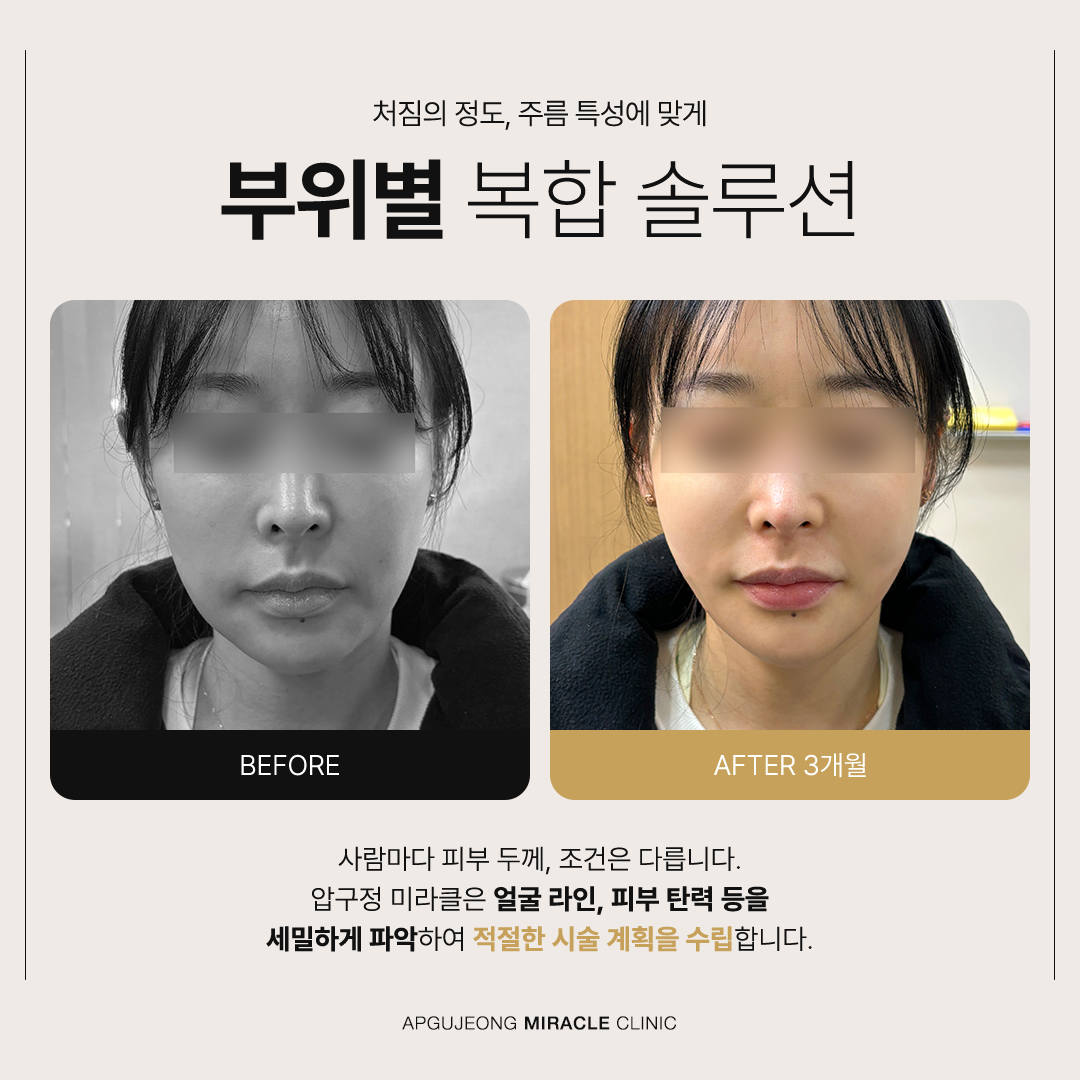
Thread lifting can be adjusted to focus on one area, such as the jawline, or combined to support the mid face and lower face together.
Who may consider thread lifting in Apgujeong
It may be suitable if:
You have moderate sagging that is clearly visible in photos, especially from the side.
You want a more defined jawline without a long recovery.
You already tried device based lifting (such as Ulthera type, Shurink type, or Doublo type) and felt the change was too subtle.
You had thread lifting in another clinic and the result faded quickly or felt uneven, and you now want a more systematic re treatment.
On the other hand, if your main concern is only very early laxity, fine lines, or skin texture, device based lifting or skincare treatments may be enough, and a good clinic will explain this during consultation.
Types of threads commonly used
In Apgujeong clinics with a wide lifting lineup, several thread types may be available, such as:
Barbed threads: Threads with tiny hooks that grab the tissue and create a mechanical lift. Often used for jawline and cheek lifting.
Cone threads: Threads with small cone shaped structures that provide strong anchoring and gradual lifting.
Elastic threads: Threads designed to move more naturally with facial expression, sometimes used when a softer, more dynamic result is desired.
PDO type threads: Threads made from a material that dissolves over time and stimulates collagen. They can be used in lifting form or as multiple fine threads to improve skin quality.
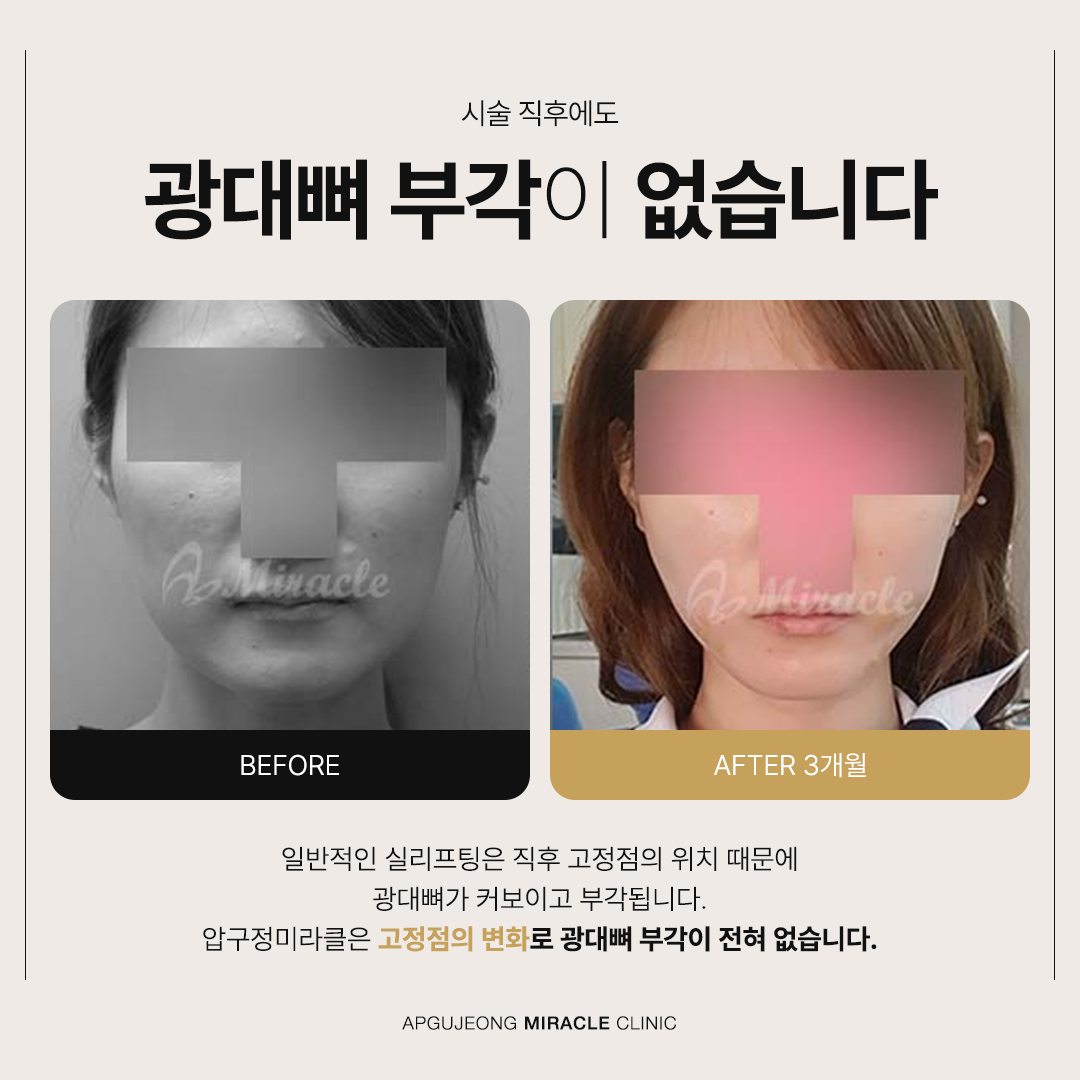
A key point is that no single thread type is ideal for every face. The choice depends on skin thickness, degree of sagging, facial fat volume, and how long you hope the effect to last.
Device based lifting options
In the Apgujeong Rodeo area, many clinics also provide device based lifting such as ultrasound or HIFU type treatments. Common categories include:
Various ultrasound/HIFU-type devices are used to stimulate collagen and support skin tightening. Different manufacturers offer devices and protocols with varying indications and treatment depths. Ask your clinic which device they use, how it is typically applied for your concerns, and what outcomes and follow-up to expect.
These devices deliver energy to deeper tissues to cause controlled heating and collagen remodeling. The effect is usually gradual over several weeks to months.
When threads are more suitable
Thread lifting may be more suitable when:
Sagging is clearly visible even at rest, especially along the jawline and lower face.
You want a more immediate and mechanical lifting effect.
You have already tried HIFU type devices and feel the change was too mild.
There is asymmetry or contour irregularity after a previous lifting that needs structural correction.
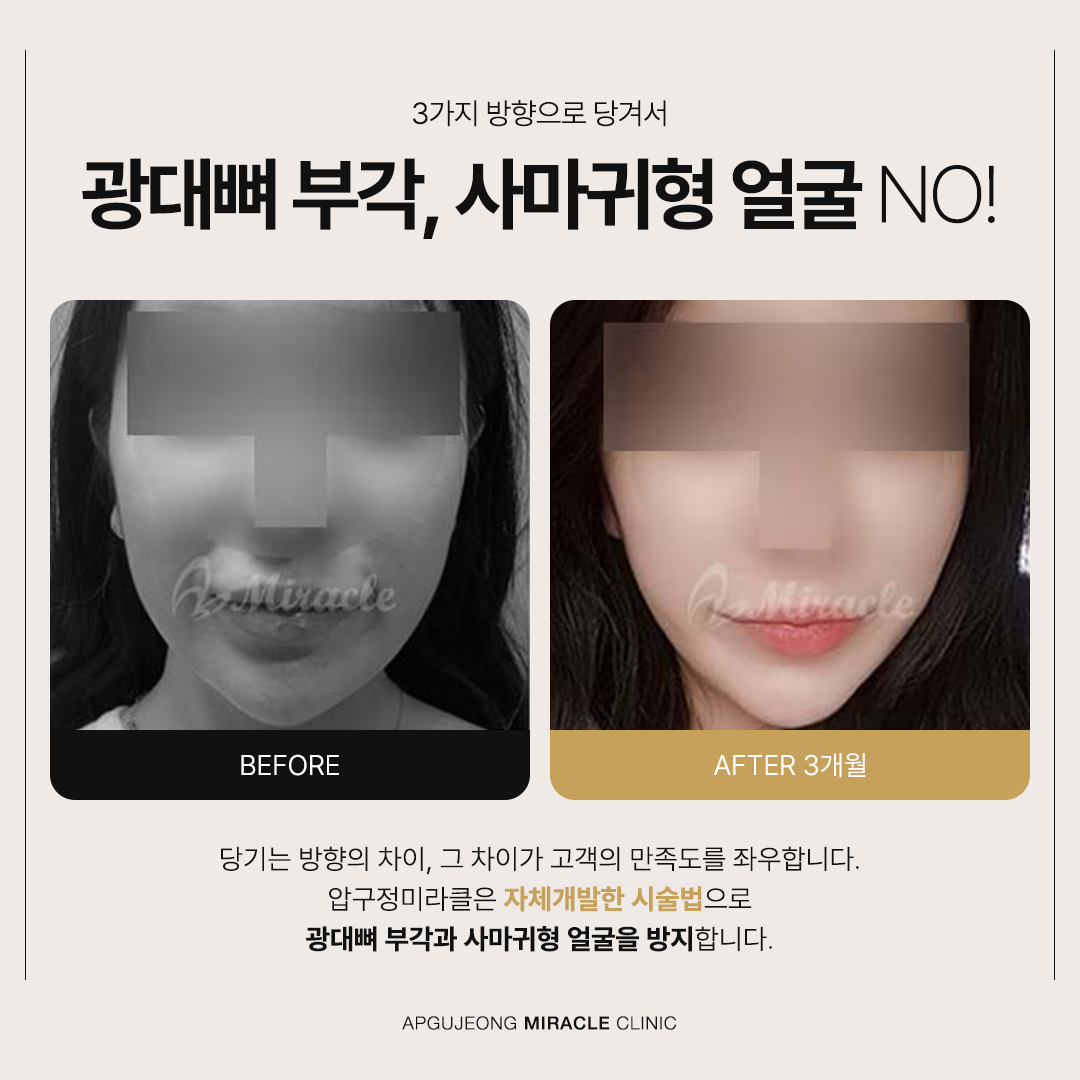
Because threads physically reposition tissues, they can create sharper changes in contour compared to devices alone, especially for jowls and sagging cheeks.
When devices may be enough
Ultrasound or HIFU type lifting may be a good option when:
You are in your early 30s or early 40s with only mild laxity.
Your main goal is prevention and skin firmness rather than a strong visible lift.
You prefer a very low downtime approach.
You are not comfortable with the idea of threads under the skin.
In some cases, clinics combine both: for example, threads for the jawline and mid face, and HIFU type devices for overall skin tightening and texture improvement.
Choosing in one place
One practical advantage of visiting a clinic near Apgujeong Rodeo that offers both multiple thread systems and several device types is that you can compare options in one consultation. Instead of being guided toward a single method because that is all the clinic has, the medical team can recommend:
- Threads only
- Devices only
- Or a staged plan combining both over time
This approach is particularly useful for overseas patients who have limited time in Korea and want a tailored plan that matches their schedule and skin condition.
When you already had lifting once: re treatment and thread removal
Common reasons for re treatment
Some international patients visit Apgujeong after having lifting in another country or another area of Seoul. Typical concerns include:
- Asymmetry between left and right sides
- Visible or palpable threads near the skin surface
- Irregular contour or dimpling when smiling
- Effect that faded faster than expected
In these situations, re treatment requires more than simply adding extra threads.
Assessment before re treatment
A clinic that focuses on re treatment and thread removal will usually:
Take a detailed history of previous procedures, including thread type if known, number of threads, and device treatments.
Examine the face at rest and in motion to see how tissues move.
Palpate the areas to feel for remaining threads, knots, or scar tissue.
Sometimes use imaging or photos from different angles to plan.
Based on this assessment, the team decides whether removal of existing threads is needed, or whether new lifting can be done safely without removal.
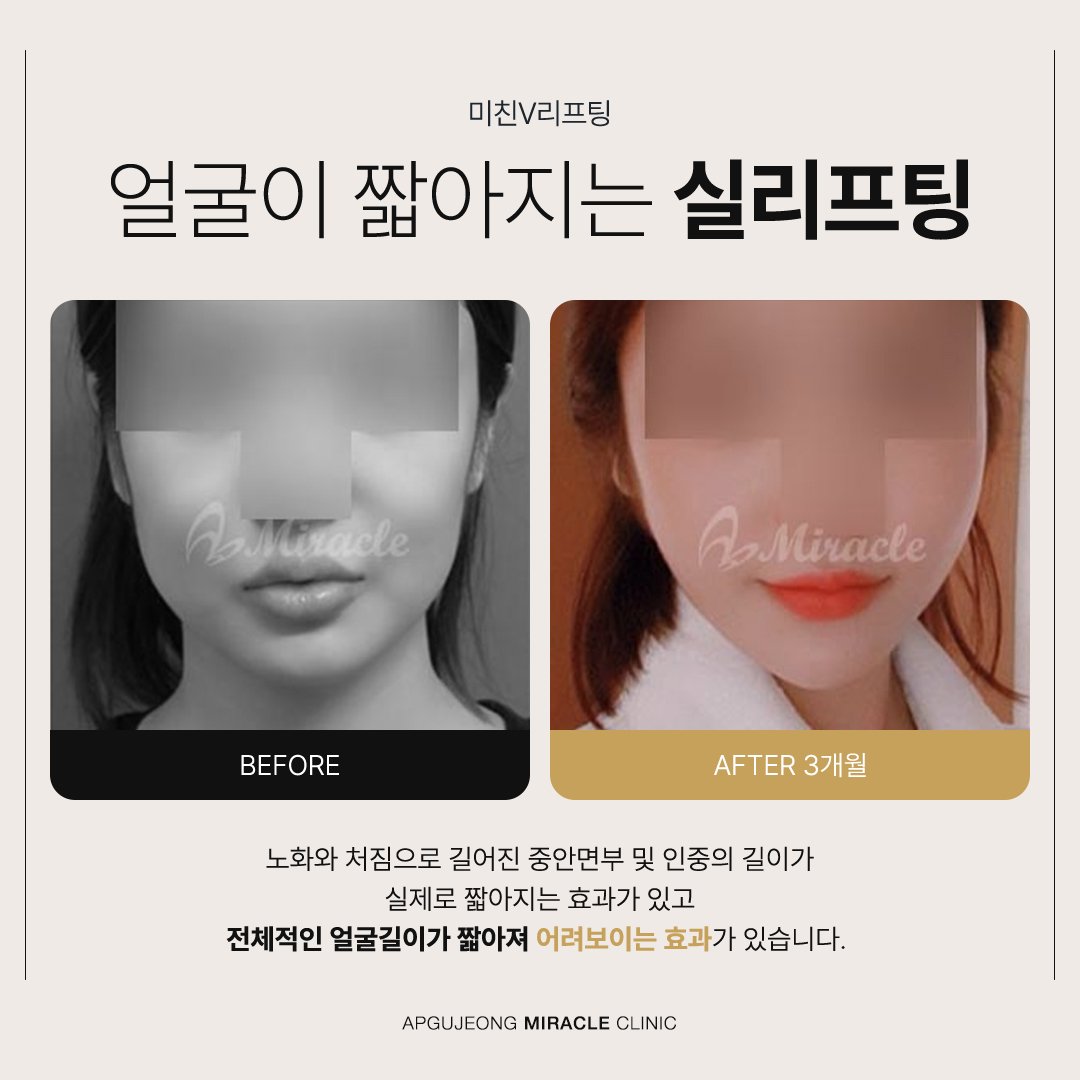
Thread removal and staged treatment
Thread removal can be considered when threads are:
- Too superficial and visible
- Causing discomfort or pulling
- Creating irregularities that cannot be corrected by adding new threads
Removal can be a delicate process. In some cases, it is safer to:
First remove problematic threads and allow the tissue to stabilize.
Then, after a healing period, plan a new lifting strategy with more suitable threads or a combination with devices.
For overseas patients, the clinic may discuss whether removal and re lifting can be done in the same trip or whether it is better to divide it into two visits. This depends on the complexity of the case and the time you can stay in Korea.
Why a wide lifting lineup in one clinic matters
Individualized planning
Faces age differently. Some people lose volume, others mainly sag, and many have a mix of both. A clinic in Sinsa dong near Apgujeong Rodeo that offers several thread systems, multiple HIFU type devices, and supportive treatments can adjust the plan to your actual needs instead of fitting you into one fixed protocol.
For example, one person may need stronger barbed or cone threads along the jawline, while another might benefit from more elastic threads combined with ultrasound tightening for the mid face.
Supportive contouring options
While thread lifting is the main focus, some clinics in the Apgujeong area also provide complementary procedures:
Facial liposuction or contour injections for excess fat along the jawline or double chin.
Botulinum toxin injections to relax strong muscles that pull the face downward.
Fillers in selected areas to restore volume loss that threads alone cannot replace.
Body lifting and liposuction for those who want to address body contouring as well.
These are not mandatory, and a careful consultation will clarify whether they are necessary or not. The idea is to treat sagging, volume, and muscle balance together when appropriate.
Experience and case references
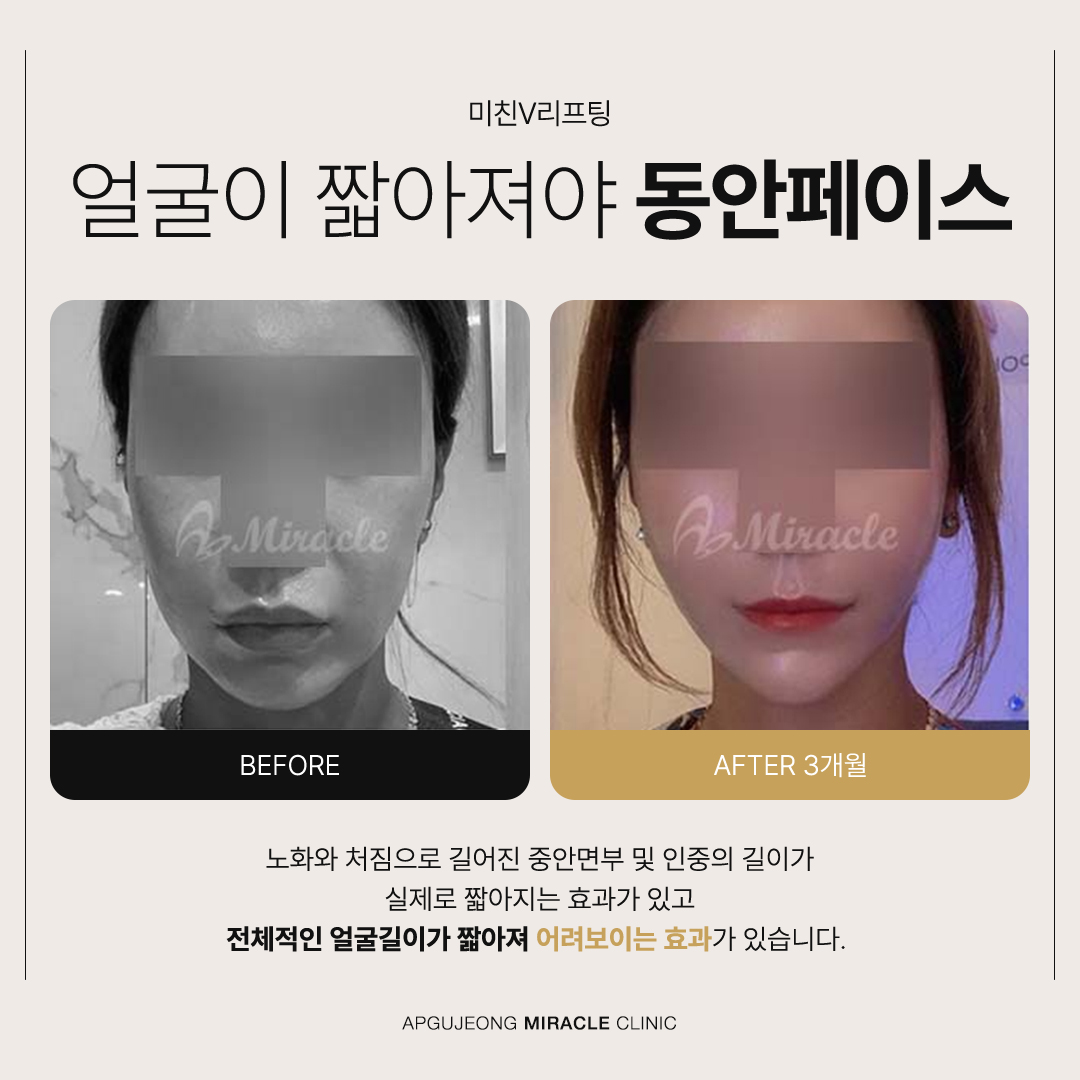
Some clinics note international collaborations or media exposure for their staff. Verify any such claims by asking for verifiable references (for example, publication links or documented appearances) and focus on documented clinical experience and patient outcomes rather than unverified media mentions.
In addition, many clinics maintain their own blogs and galleries of real selfies, before and after photos, and videos. These materials are often used internally during consultation to explain possible changes and limitations. They are examples, not promises of specific results, and individual outcomes can vary.
Visiting a clinic near Apgujeong Rodeo: what to expect at consultation
Location and access
The Apgujeong Rodeo area in Sinsa dong, Gangnam gu, is a central spot for beauty and anti aging clinics. Being near Apgujeong Rodeo Station on the Suin Bundang Line, often around exit 5, makes it convenient for both local and international visitors. From major areas like Gangnam Station or Seoul Station, you can usually reach Apgujeong Rodeo within a short subway or taxi ride.
Pre visit online consultation for overseas patients
If you are coming from abroad, most clinics will recommend an online consultation before you book flights. You can usually:
Send clear photos of your face from the front, 45 degrees, and side, both at rest and smiling.
Share your age, main concerns, and any previous treatments (threads, HIFU, fillers, botulinum toxin, surgery).
Explain your travel schedule, including how many days you can stay in Korea.
Based on this information, the clinic can suggest whether thread lifting, device based lifting, or a combination is likely to suit you, and whether re treatment or removal seems necessary. Final decisions, however, are made only after in person examination.
What to prepare before your visit
Before you arrive in Korea, it can help to prepare:
A list of treatments you had in the past 2 to 3 years on your face and neck.
Any medical conditions, allergies, or medications you are taking.
Questions you want to ask about thread type, expected downtime, and follow up.
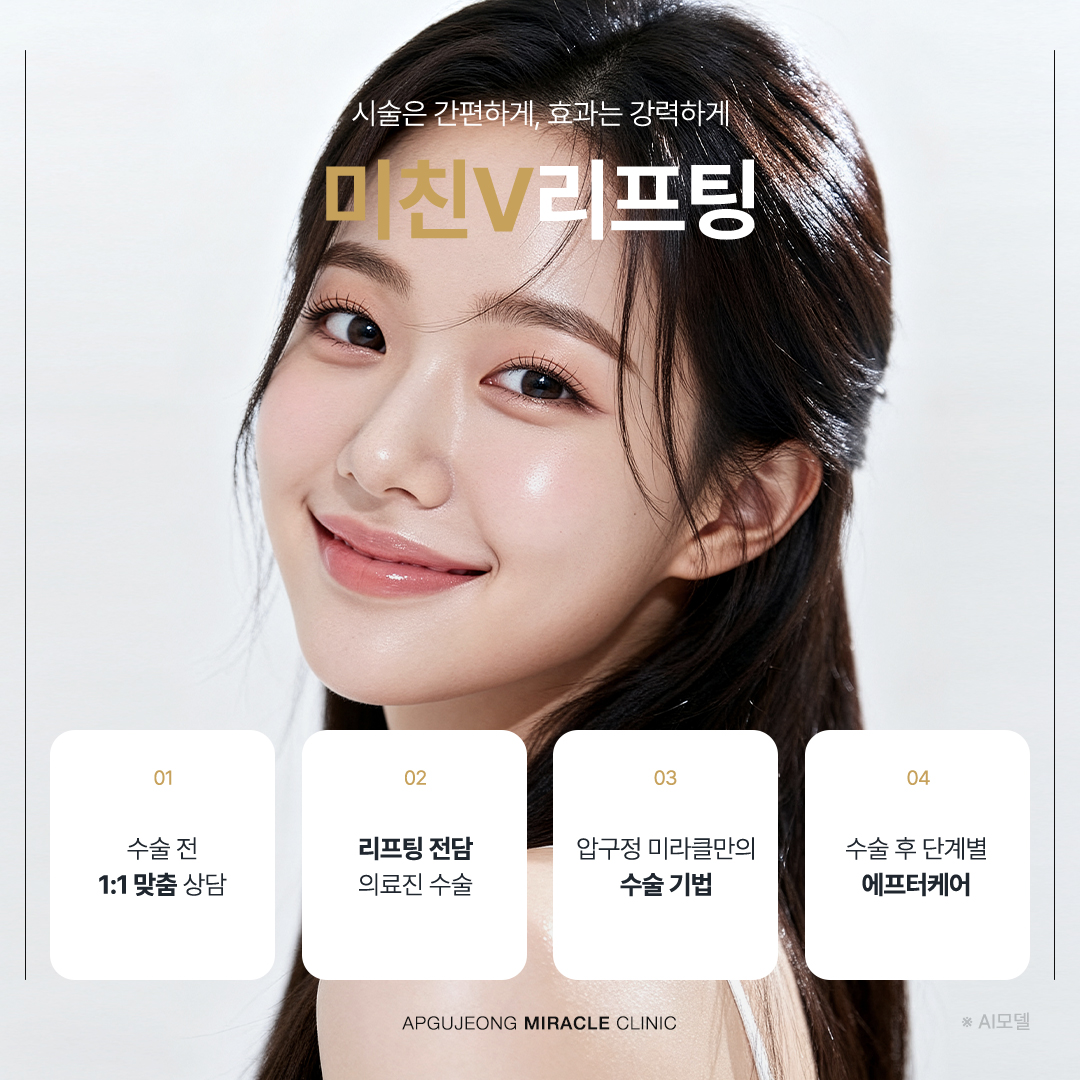
During the consultation, you may want to check:
Which thread types and lifting devices are available in the clinic.
How the doctor decides between threads and devices for your case.
Whether they often handle re treatment and thread removal.
What the approximate recovery timeline is for swelling and bruising.
How they handle aftercare once you return to your home country.
Expected Korea visit timeline for thread lifting
Sample short-trip itinerary (about 4 to 5 days) — illustrative only. Actual scheduling and recovery vary by clinic and individual; confirm exact timing with your treating clinician.
Day 1: In person consultation, facial analysis, and treatment planning. If everything is clear and you are comfortable, thread lifting may be done on the same day.
Day 2 to 3: Check for swelling, bruising, and early healing. A short follow up visit may be scheduled to confirm that threads are stable and there are no early issues.
Day 4 to 5: If needed, final check before you fly home. Many patients can travel with mild swelling, but you may prefer to schedule some rest time.
Longer trip example (about 7 to 10 days)
Day 1 to 2: Consultation and any pre treatment such as gentle skin care or device based lifting if planned.
Day 3: Thread lifting procedure.
Day 4 to 7: Recovery period with one or two follow up visits to monitor healing.
Day 8 to 10: Final check, photos, and discussion of long term care.
If thread removal is required before re lifting, the schedule becomes more individual. Sometimes removal and new lifting can be done in one trip; in other cases, a healing interval is recommended.
Aftercare and realistic expectations
Immediate aftercare
After thread lifting, you can usually expect:
Swelling and mild bruising for several days.
Tightness or pulling sensation, especially when opening the mouth widely or laughing.
Slight asymmetry in the early days as swelling settles.
Common instructions include:
Avoiding strong facial massage or pressure.
Sleeping on your back with your head slightly elevated for a few days.
Avoiding very wide mouth opening, hard chewing, or intense exercise for a short period as advised.
Medium to long term expectations
The lifting effect of threads is often visible soon after the procedure, but the final appearance settles over several weeks as swelling reduces and tissues adapt. Collagen stimulation continues while the threads gradually dissolve.
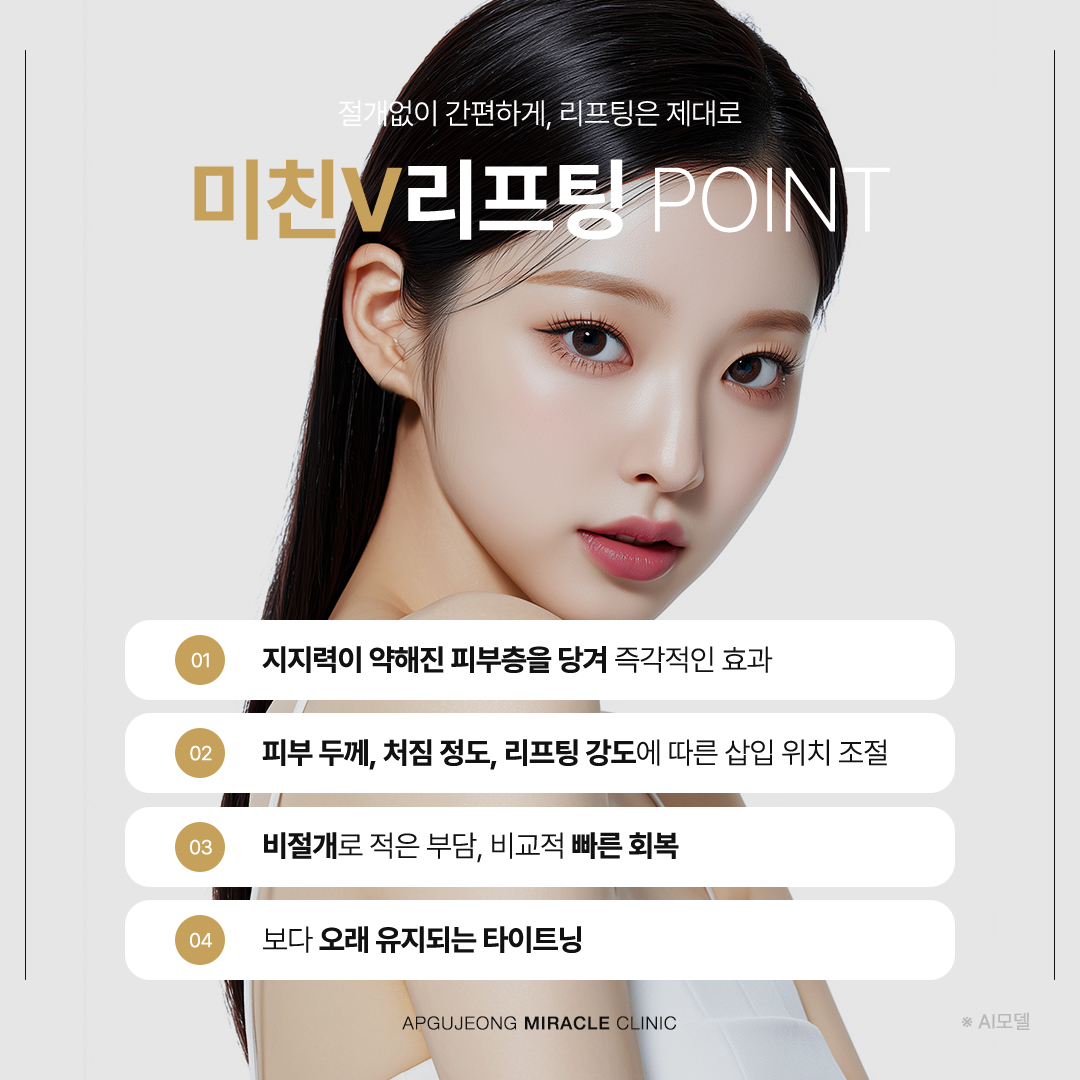
Longevity varies widely. Some patients report results lasting months, while others report benefits for a few years depending on thread type, placement, skin quality, lifestyle, and follow-up care. Discuss expected duration and maintenance options with your clinician, since individual outcomes differ.
Combination with ultrasound or HIFU lifting
In some plans, device based lifting is used:
Before threads, to improve overall skin firmness.
After threads, at a later time, to maintain tightening without disturbing the threads.
The timing and energy settings should be chosen carefully so as not to damage the threads or cause unnecessary irritation. This is another reason to choose a clinic that is familiar with both methods.
Frequently asked questions about Apgujeong thread lifting
How long does thread lifting usually last
Thread lifting results are not permanent, and the duration can differ from person to person. Factors such as thread material, technique, skin thickness, age, and lifestyle (smoking, sun exposure, weight changes) all influence longevity. A clinic in Apgujeong that sees many lifting cases can give a more tailored estimate after examining your face.
Can I get thread lifting again if I already had it elsewhere
Yes, re treatment is often possible, but it should be approached carefully. The doctor needs to check where previous threads are located, how your tissues have healed, and whether there is any scar tissue or irregularity. Sometimes new threads can be added in different vectors to improve the lift; in other cases, problematic old threads may need to be removed or the plan may need to be staged. During online consultation, sharing previous treatment details helps the clinic judge what is realistic.
Is it possible to remove existing threads
In many cases, yes, but thread removal can be more complex than insertion. Removal is usually considered when threads are visible, cause discomfort, or create contour problems. The doctor will examine the area, feel for thread ends or knots, and explain the possible benefits and limitations of removal. Sometimes only part of the thread can be safely removed, and there may be a small risk of additional scarring. A clinic experienced in thread removal and re treatment will explain these points clearly before proceeding.
How is thread lifting combined with ultrasound or HIFU lifting
Combination plans are common in Apgujeong clinics that offer both methods. Threads can provide a stronger mechanical lift, especially for sagging along the jawline and cheeks, while ultrasound or HIFU type devices can support overall tightening and skin quality. The usual approach is to avoid high energy HIFU directly over fresh threads in the early period. Instead, the clinic may schedule device based lifting either before thread insertion or after a suitable healing time, using adjusted settings. The exact sequence depends on your skin condition and goals.

What should I check before choosing a lifting clinic in Apgujeong
When comparing clinics around Apgujeong Rodeo, consider asking:
Which thread types and lifting devices are available, and why they would choose one over another for you.
How often they handle re treatment cases and thread removal.
What the expected downtime is for your specific plan.
How they manage follow up for overseas patients once you return home.
It is also helpful to see if the clinic can show anonymized case examples similar to your situation and explain not only the improvements but also the limits and possible side effects. Clear communication and realistic guidance are important signs when choosing a clinic.
Soft call to action for online consultation
By sharing your photos, concerns, and travel schedule in advance, you can receive a more personalized plan and understand whether threads, devices, or a combination are likely to suit you. This preparation helps you use your time in Seoul efficiently and approach your lifting procedure with clearer expectations.


댓글
댓글 쓰기