Apgujeong double chin thread lifting guide for overseas patients
- 공유 링크 만들기
- X
- 이메일
- 기타 앱

Direct answer summary
If you are looking for Apgujeong double chin thread lifting, you are usually hoping to sharpen your jawline and reduce sagging under the chin without full surgery. Double chin thread lifting uses fine lifting threads placed through tiny entry points around the jawline and neck to reposition soft tissue and tighten the area. It can be suitable for mild to moderate double chin and early jowls, especially in patients who still have some skin elasticity. Results are not permanent and vary by individual, and thread lifting does not replace fat removal surgery in cases of very thick fat.
In Sinsa-dong, Gangnam-gu, near Apgujeong Rodeo Station, there is a lifting-focused clinic that offers multiple types of thread lifting, including double chin and jawline lifting, along with device-based lifting such as ultrasound systems. The clinic also has a system for revision lifting and removal of previous threads when needed, and the medical director has presented techniques abroad, including on a US TV channel and on several Japanese plastic surgery clinic websites. This article explains what you can realistically expect from double chin thread lifting in Apgujeong, how to prepare as an overseas patient, and how a typical visit to Korea may look.
What is double chin thread lifting in Apgujeong
Double chin thread lifting overview
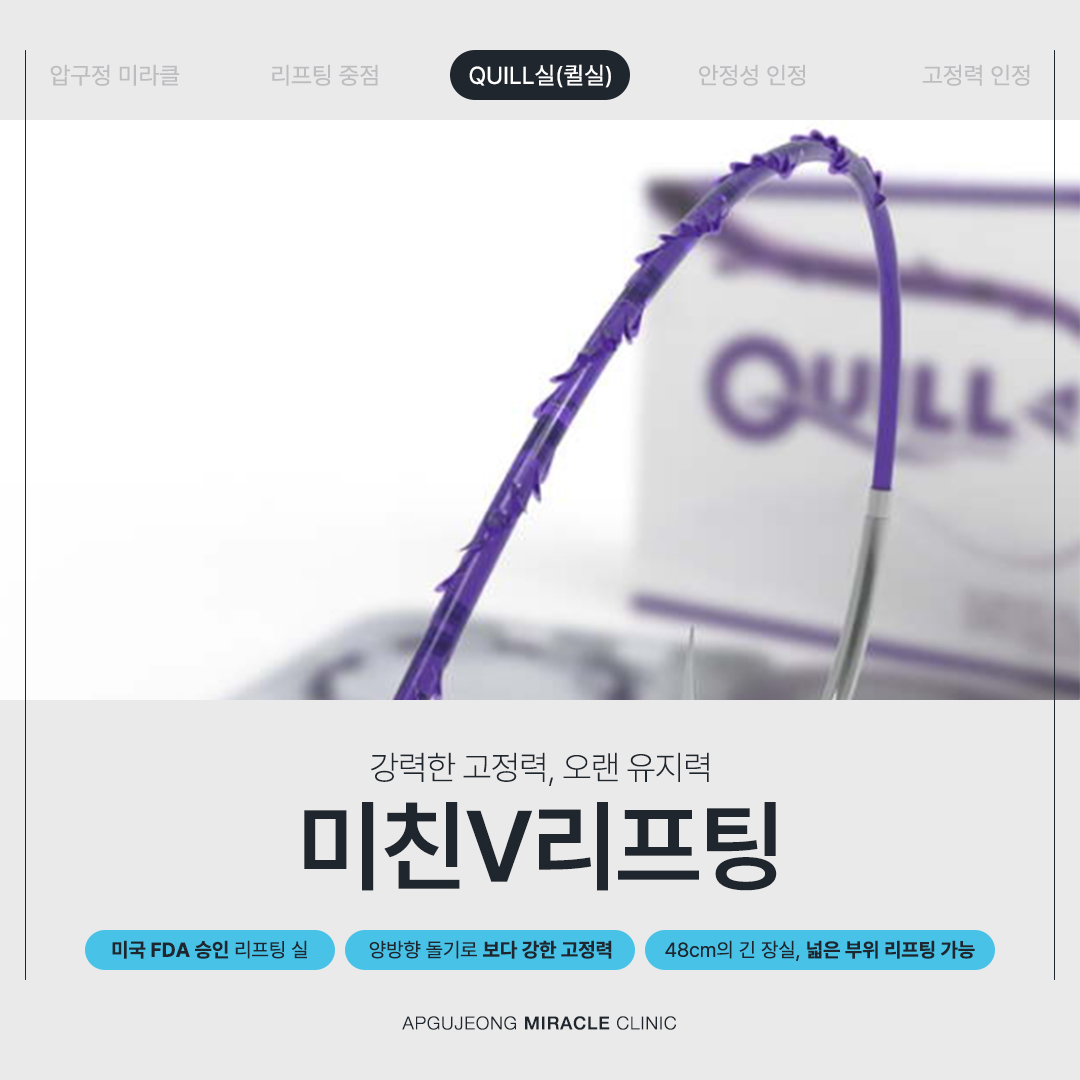
Double chin thread lifting is a minimally invasive procedure designed to improve the contour under the chin and along the jawline. Through small entry points, lifting threads are inserted using a needle or cannula, then gently tightened along planned vectors to reposition sagging tissue. This can reduce the appearance of a double chin caused mainly by laxity and mild fat, and create a clearer jawline.
The threads are usually made of PDO or similar absorbable materials. Some threads have barbs or cones for stronger mechanical lifting, while others are smoother and focus more on collagen stimulation and skin tightening. In some cases, a combination is used: stronger threads to lift and supporting threads to improve skin quality over time.
How it differs from liposuction
It is important to understand that Apgujeong double chin thread lifting is not the same as liposuction. Thread lifting mainly works by repositioning and tightening the soft tissues. It can visually slim the double chin when the main issue is sagging or mild fat, but it does not directly remove fat cells.
If you have a thicker fat layer under the chin, the clinic may suggest combining thread lifting with facial liposuction or contour injections. In that situation, fat reduction addresses the volume, while thread lifting refines the contour and supports the skin. The exact plan is decided after an in-person evaluation of your anatomy.
Range of lifting options in one place
The Apgujeong lifting-focused clinic near Apgujeong Rodeo Station offers several thread systems, such as barbed threads, cone-based threads, and elastic threads. This variety allows the medical team to match thread type to your skin thickness, degree of sagging, and desired subtlety of result.
In addition to threads, device-based lifting such as ultrasound lifting can be used to stimulate deeper collagen and further tighten the skin. For some double chin cases, a staged approach is chosen: first ultrasound lifting to improve overall firmness, then targeted double chin thread lifting to refine the jawline.
Who may consider double chin thread lifting
Typical candidates
Double chin lifting in Apgujeong is often considered by people in their 20s to 40s who notice early sagging or a soft jawline. You may be a potential candidate if you have:
- Mild to moderate double chin rather than a very heavy one
- Early jowls or blurring of the jawline
- Skin that still has some elasticity and is not extremely loose or sun-damaged
- A relatively stable body weight without large fluctuations
Thread lifting can be suitable if you want a sharper jawline but wish to avoid full surgical lifting. Many patients choose it because downtime is usually shorter than with surgery, and the result can look more like a refreshed version of themselves rather than an overly tight change.
When thread lifting may be limited
Thread lifting is not ideal for every double chin. If you have very heavy sagging, a thick fat layer, or significantly loose neck skin, threads alone may not create the level of improvement you expect. In such cases, the clinic may recommend a combination of:
- Facial liposuction under the chin
- Thread lifting for contour and support
- Device-based lifting for skin tightening
For some severe cases, other surgical options may be more appropriate. A careful consultation is needed to determine whether double chin thread lifting can meet your goals or whether another approach would be more realistic.

Expectations and goals
A realistic goal for thread lifting for double chin and jawline is improvement, not perfection. The procedure aims to:
- Lift and support sagging tissue under the chin
- Increase definition between the jawline and neck
- Soften early jowls
The effect is gradual and depends on how your tissues respond. Because the threads are absorbable and aging continues, the effect is not permanent. Many patients consider maintenance or repeat lifting after a certain period, which can be discussed during follow-up.
How this Apgujeong clinic plans double chin lifting
Comprehensive assessment
At the lifting-focused clinic in Sinsa-dong, the double chin area is evaluated from several angles before deciding on a plan. The medical team typically:
Checks how much of the double chin comes from fat versus skin laxity versus muscle banding
Analyzes jawline angle, chin projection, and neck length from the front, side, and three-quarter views
Reviews any previous procedures in the area, such as thread lifting, liposuction, or contour injections
This detailed assessment helps determine whether Apgujeong double chin thread lifting alone is suitable or whether a combination of treatments would be more effective.
Choosing thread and device combinations
One advantage of a clinic that focuses on thread lifting is the ability to choose among different thread systems. For example:
Barbed threads may be chosen for stronger lifting in thicker skin
Cone-based threads may be used when a smoother, more gradual lift is desired
Elastic threads can be considered for areas that move frequently, such as around the jaw and neck
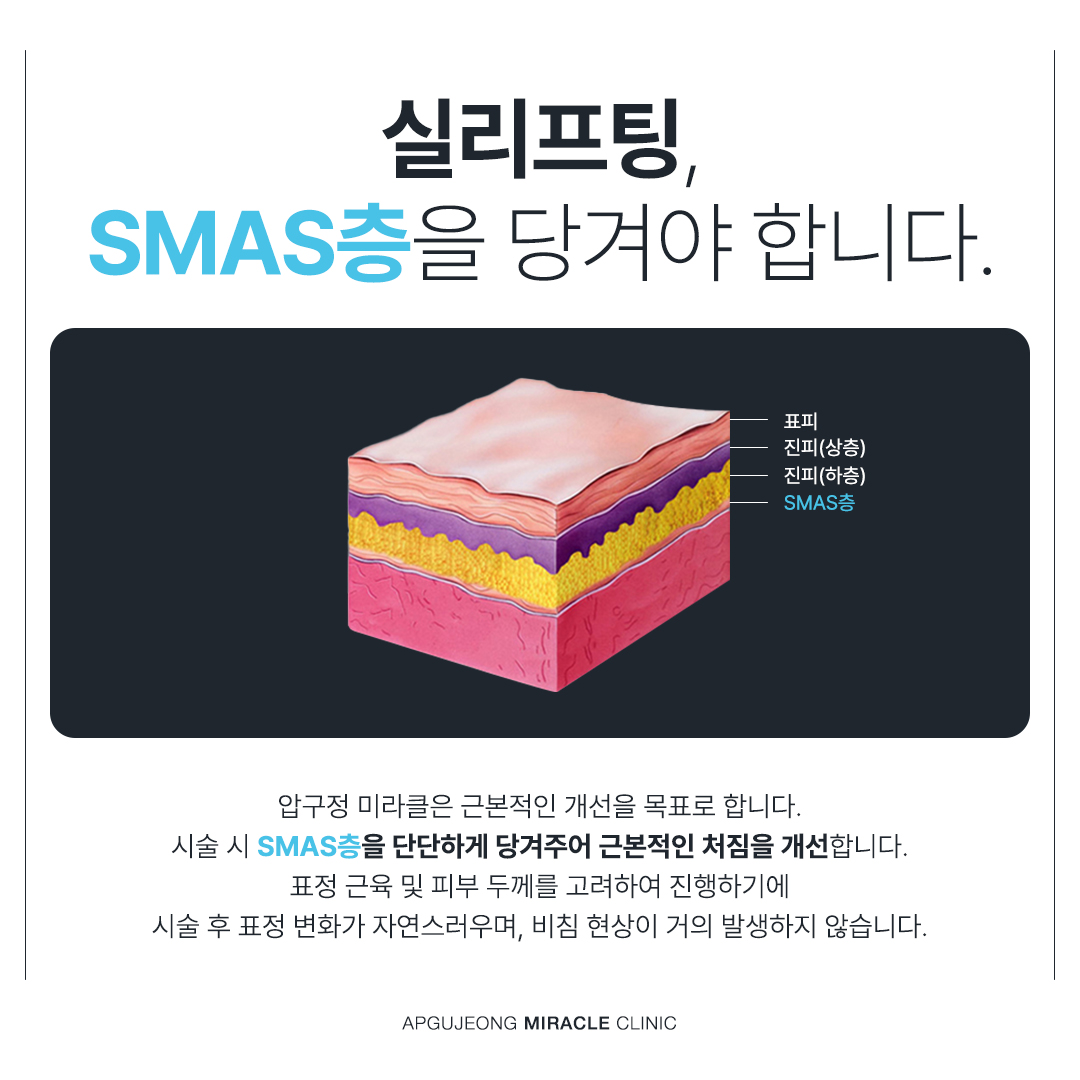
Device-based lifting, such as ultrasound lifting, can be combined to enhance skin tightening and collagen production. The clinic may also integrate contour injections or facial liposuction when localized fat is a major factor. All of these options are discussed with you, including benefits, limitations, and expected recovery.
Revision and thread removal system
This Apgujeong clinic also places emphasis on revision and re-lifting. Some overseas patients arrive with concerns after thread lifting done elsewhere, such as irregular contour, dimpling, or a feeling of tightness. In these cases, the clinic can:
- Evaluate whether any previous threads should be removed
- Consider additional lifting or contouring to balance the result
- Plan a stepwise approach rather than doing everything at once
Not all threads can or should be removed, and revision is often more complex than first-time lifting. The medical team explains what is realistically possible and what risks are involved before proceeding.
Step-by-step: from consultation to recovery
Before your visit to Korea
For international patients, an online consultation is usually the first step. You can prepare by:
Taking clear photos of your face and neck from the front, both sides, and three-quarter angles
Sharing your medical history, including medications, allergies, and any previous procedures in the face and neck area
Explaining your main concerns: for example, “double chin is more visible when I look down” or “jawline looks soft from the side”
During the online consultation, the clinic can give a preliminary opinion on whether Apgujeong double chin thread lifting is likely to help, and whether additional treatments might be needed. Final decisions are made after an in-person examination.
Pre-procedure planning in clinic
Once you arrive in Seoul and visit the clinic near Apgujeong Rodeo Station, the process usually includes:
- Medical history and medication review, including blood thinners and supplements
- Physical examination of the double chin, jawline, and neck
- Photo documentation for planning and follow-up
- Design of lifting vectors, which are the directions and strength of pull for the threads
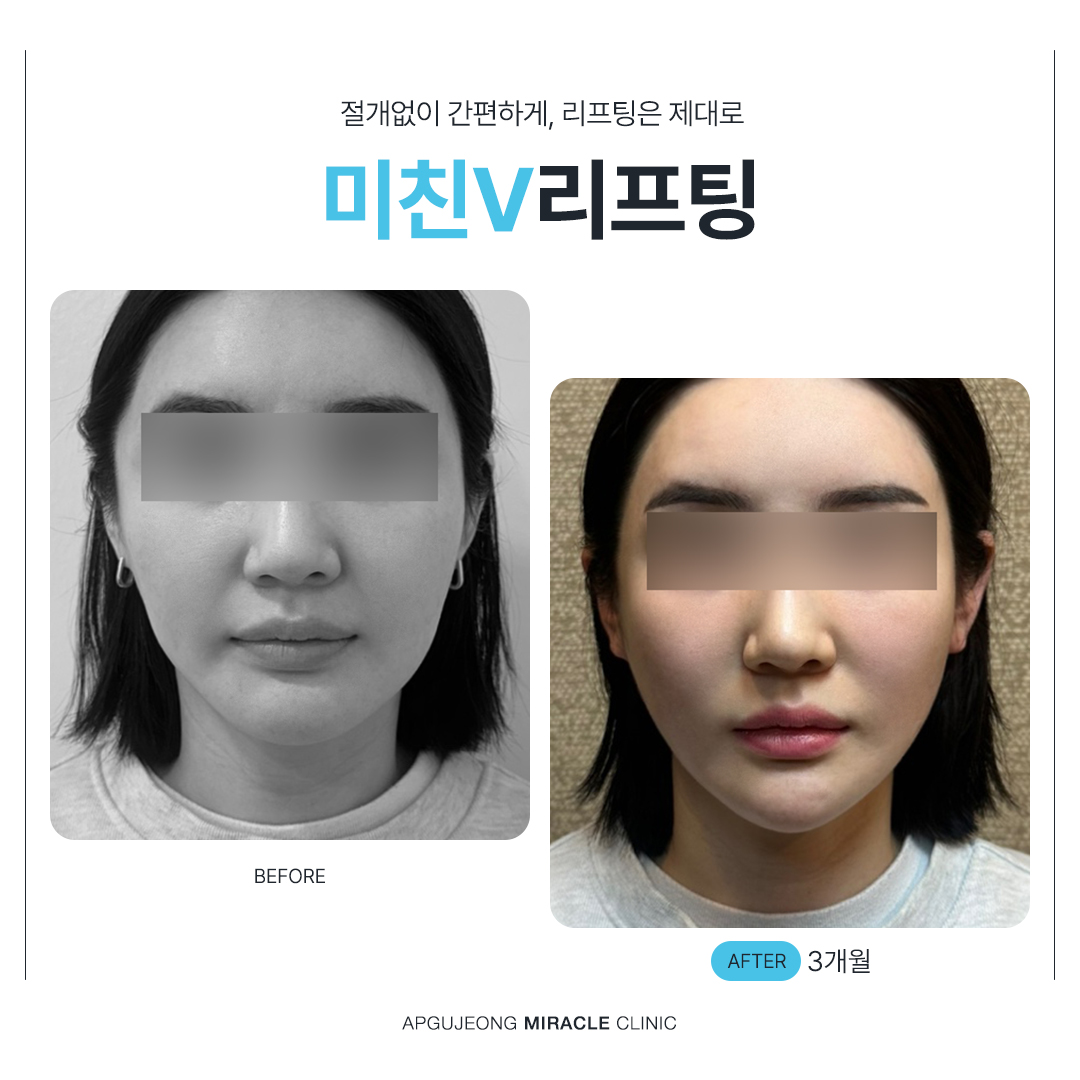
The medical team will also explain realistic expectations, possible side effects, and how long the effects typically last. If combination treatments such as ultrasound lifting or contour injections are suggested, they will be included in the plan.
On the day of double chin thread lifting
On the procedure day, you can expect:
- Marking of entry points under the chin and along the jawline
- Cleansing and disinfection of the treatment area
- Local anesthesia to numb the area; in some cases, light sedation may be considered if appropriate and agreed upon
- Insertion of threads through a cannula or needle along the pre-planned vectors
- Adjustment of tension to achieve symmetry and a natural contour
The procedure time is often under one hour, depending on the number of threads and whether additional treatments are performed at the same visit.
Downtime and early recovery
After double chin lifting in Apgujeong, it is common to experience:
Swelling and mild bruising around the jawline and under the chin
A feeling of tightness or pulling, especially when moving the neck widely or opening the mouth
Slight asymmetry or irregularity in the first days due to swelling
These changes usually improve over several days to a couple of weeks. Most patients can return to light daily activities within a few days, but it is wise to avoid important public events for at least one to two weeks in case bruising or swelling lasts longer than expected.
Expected Korea visit timeline for overseas patients
Short visit plan
If you are visiting Korea mainly for Apgujeong double chin thread lifting, a common schedule might be:
Day 1: In-person consultation, examination, and planning. In some cases, the procedure can be done on the same day if you and the medical team agree.
Day 2–3: Early follow-up check to review swelling, thread position, and aftercare instructions.
Day 4–7: Light sightseeing and rest, avoiding intense physical activity and strong neck movements.
Many overseas patients stay around one week to allow for at least one follow-up visit before returning home. If you are combining thread lifting with facial liposuction or other procedures, your clinic may suggest a slightly longer stay.
Longer stay or complex cases
For revision cases or when multiple treatments are planned in stages, a longer stay may be recommended. For example, ultrasound lifting might be done first, followed by double chin thread lifting a few days later. Your individual schedule should be discussed during the online consultation so you can plan flights and accommodation accordingly.
Results, maintenance, and re-treatment
How results develop over time
After Apgujeong double chin thread lifting, you usually see some immediate lifting effect due to the mechanical support of the threads. Over the following weeks, collagen forms around the threads, which can further improve skin firmness and contour.
The effect is gradual and can look more natural as swelling settles. Most patients notice the main changes within one to three months. Because the threads are absorbable and aging continues, the effect slowly softens over time.
How long results may last
The duration of results varies widely and depends on:
- Thread type and number used
- Skin thickness and elasticity
- Lifestyle factors such as weight stability, smoking, and sun exposure
- Overall aging process and genetics
Some patients consider maintenance or re-lifting after a certain period, which can be discussed during follow-up. Because this clinic is positioned for lifting re-treatments, it can evaluate when and how to safely repeat or adjust lifting, including removal of previous threads if they cause discomfort or asymmetry.
Safety, risks, and aftercare
Common temporary side effects
After double chin thread lifting, some temporary side effects are relatively common:
- Swelling and bruising around the chin, jawline, and sometimes lower face
- Tenderness when touching the area
- Feeling of tightness or pulling when turning the neck or opening the mouth widely
- Mild asymmetry or surface irregularity in the early phase due to swelling
These usually improve on their own as the tissues settle. The clinic will provide instructions on cold compress use and medication when appropriate.
Possible complications
Although many procedures go smoothly, there are potential complications you should be aware of:
- Infection around an entry point or along the thread path
- Thread exposure or visibility under thin skin
- Dimpling or surface irregularity that does not resolve quickly
- Prolonged pain or discomfort
- Unsatisfactory lifting effect or asymmetry
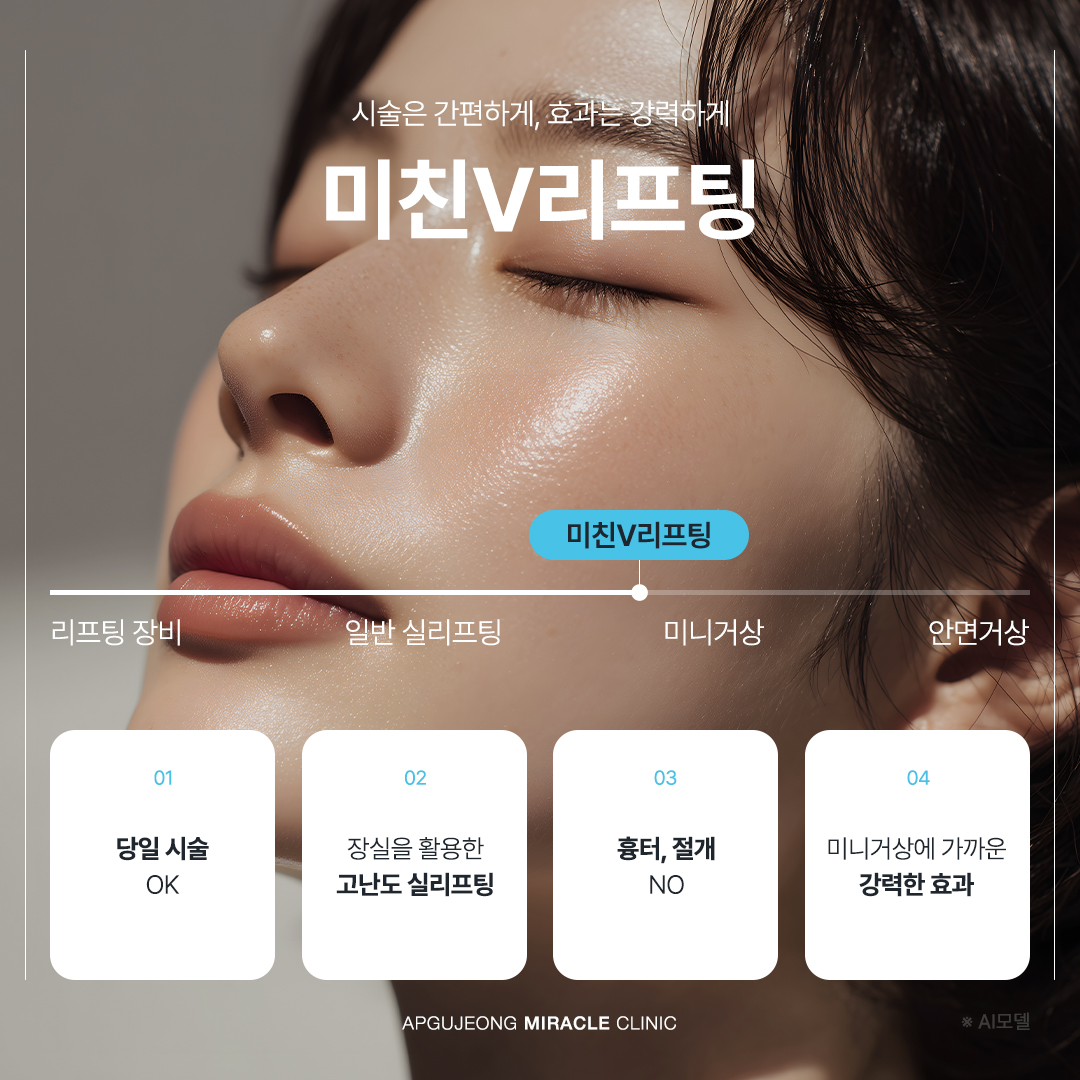
In some cases, thread adjustment or removal may be needed. This is one reason why follow-up visits are important, especially for overseas patients who may not be able to return easily.
Key aftercare points
To protect your result and reduce risks, you will usually be advised to:
Avoid strong jaw and neck movements, heavy yawning, or stretching the neck widely for a certain period
Refrain from massaging or pressing the treated area
Sleep on your back and avoid pressing your face into pillows in the early days
Avoid high-impact exercise and sports for a short time as instructed
Attend scheduled follow-up visits so the medical team can monitor healing and thread position
If you notice increasing redness, pain, or discharge, you should contact the clinic promptly for guidance.
Revision and combination treatments
When revision may be considered
Some patients come to Apgujeong after having double chin thread lifting elsewhere and feeling dissatisfied. Common concerns include:
- Irregular contour or visible dimpling
- Feeling of tightness or pulling that does not improve
- Insufficient lifting effect
In such cases, the clinic can assess whether thread removal, additional threads, or combination treatments might help. Revision is more complex than first-time lifting because scar tissue and previous threads must be considered. The medical team will explain which options are realistic and which are not advisable.
Combining with other contour and anti-aging treatments
Double chin thread lifting can be part of a broader plan for facial contouring and anti-aging. Depending on your needs, the clinic may discuss:
Facial liposuction for more significant fat reduction under the chin and along the jawline
Contour injections for small fat pockets or fine-tuning jawline definition
Device-based lifting such as ultrasound lifting for overall skin tightening and collagen stimulation
Botox or fillers in other areas of the face to balance proportions and support a more harmonious appearance
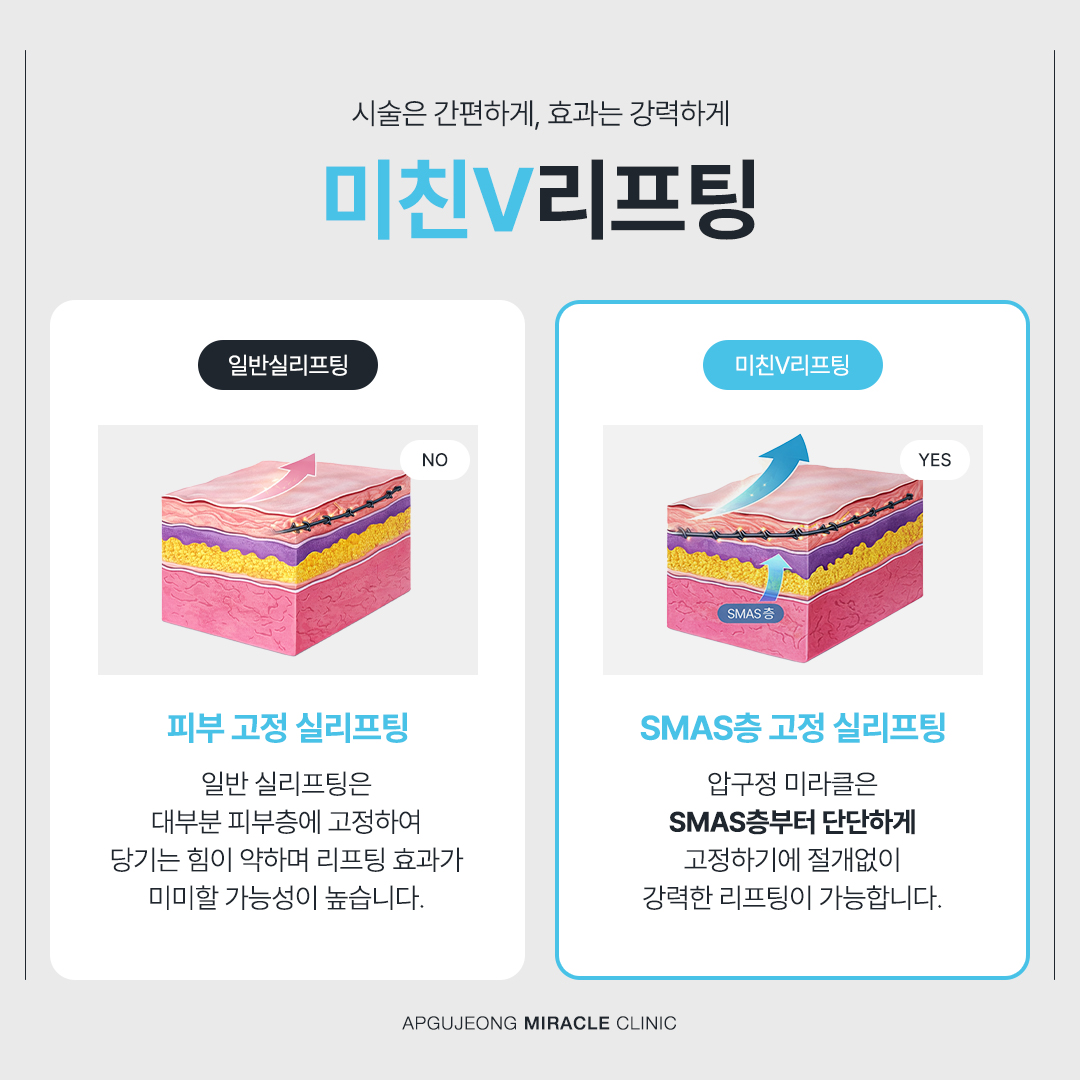
The clinic also offers body liposuction and stem cell anti-aging services, so some patients plan facial contouring and general anti-aging together. However, the main focus for this article is double chin thread lifting and how it fits into your overall plan.
Online consultation and pre-visit preparation
Information to prepare
To make your online consultation more effective, it helps to prepare the following:
Clear photos of your face and neck from multiple angles in good lighting
List of current medications, supplements, and any chronic health conditions
History of previous procedures in the face and neck area, including dates if possible
Your main goals and priorities, such as “I want my side profile to look sharper” or “I want subtle change with minimal downtime”
Questions you may want to ask
Before you decide on Apgujeong double chin thread lifting, you may find it useful to ask:
- What is the main cause of my double chin: fat, laxity, or both?
- Do you recommend threads alone, or combination with liposuction or devices?
- How many threads are typically used in a case like mine?
- How long should I stay in Korea for follow-up?
- What should I do if I have concerns after returning to my home country?
Writing these questions down before your online consultation can help you compare different clinics and feel more confident in your decision.
Local and practical information
The lifting-focused clinic is located in Sinsa-dong, Gangnam-gu, within walking distance of Apgujeong Rodeo Station on the Suin–Bundang Line, near exit 5. This area is a well-known shopping and dining district, which many overseas patients find convenient during recovery.
Operating hours are generally weekdays and Saturdays during daytime, with a lunch break. The clinic is usually closed on Sundays and public holidays. Exact opening times can change, so it is best to confirm via phone or the official website before planning your visit.
FAQ
Is double chin thread lifting enough if I have a lot of fat under my chin?
If you have a thick fat layer under the chin, thread lifting alone may not be enough. Threads mainly lift and tighten tissue; they do not directly remove fat. In such cases, the clinic may recommend combining double chin thread lifting with facial liposuction or contour injections to address both volume and sagging. A face-to-face consultation is needed to decide the most appropriate combination.

How long do the results of Apgujeong double chin thread lifting usually last?
The duration of results varies by individual and thread type. Many patients see improvement for a period, which gradually softens as the threads are absorbed and natural aging continues. Factors such as skin quality, lifestyle, and weight stability influence how long the effect is noticeable. During consultation, the medical team can give a more tailored estimate based on your tissues and the planned technique.
How much downtime should I plan for when visiting Korea for thread lifting?
Most patients can return to light daily activities within a few days after double chin thread lifting. However, swelling or bruising can last one to two weeks, and you may wish to avoid important events during that time. For overseas patients, staying in Korea for about one week allows for at least one follow-up visit and early monitoring of healing before you fly home.
Can I repeat double chin thread lifting in the future if I like the result?
Yes, many patients consider repeating or adjusting thread lifting after some time as aging continues. Because this Apgujeong clinic focuses on lifting re-treatments, it can evaluate when and how to safely repeat the procedure, and whether any previous threads should be removed or left in place. The timing and approach depend on your current condition, previous treatments, and personal goals.
Soft call to action
If you are considering thread lifting for double chin and jawline in Apgujeong and would like a realistic assessment, an online consultation can be a useful first step. By sharing photos and your medical history in advance, you can receive guidance on whether double chin thread lifting, combination treatments, or another approach is more suitable for you. When you are ready, you can contact the clinic near Apgujeong Rodeo Station to discuss timing, travel plans, and a personalized treatment strategy that matches your goals and schedule as an overseas patient.

- 공유 링크 만들기
- X
- 이메일
- 기타 앱


댓글
댓글 쓰기