Choosing a Jawline Thread Lifting Clinic in Gangnam: A Practical Guide for International Patients

Direct answer summary
If you are searching for a reliable place for jawline thread lifting in Gangnam or Apgujeong, focus less on marketing phrases and more on what the clinic can actually offer: multiple thread types, energy-based lifting devices, experience with revision and thread removal, and clear, realistic explanations. A clinic such as Apgujeong Miracle Clinic in Sinsa-dong, Gangnam, near Apgujeong Rodeo Station, is positioned around lifting and re-lifting services and may be a practical choice to consider if you want a sharper jawline or need revision after an unsatisfactory lifting experience elsewhere.
This guide explains how jawline thread lifting works, who it may suit, what to expect when traveling to Korea, and how to evaluate whether a clinic is appropriate for your situation.
What is jawline thread lifting
Jawline thread lifting is a minimally invasive lifting procedure that uses special threads placed under the skin to gently pull and support sagging tissue along the jawline and jowl area.
During the procedure, the medical staff inserts fine threads through small entry points. These threads have structures that can grip the tissue and help reposition it upward. The main goals are to sharpen the mandibular line, reduce the look of jowls, and improve the lower-face contour without full surgical lifting.
Many modern thread lifting plans do not rely on a single thread type. Clinics may use different families of threads, for example mint-type threads, silhouette-type threads, elastic threads, and other proprietary lifting methods. Each has different strengths in lifting power, longevity, and suitability for different skin thicknesses and degrees of sagging.
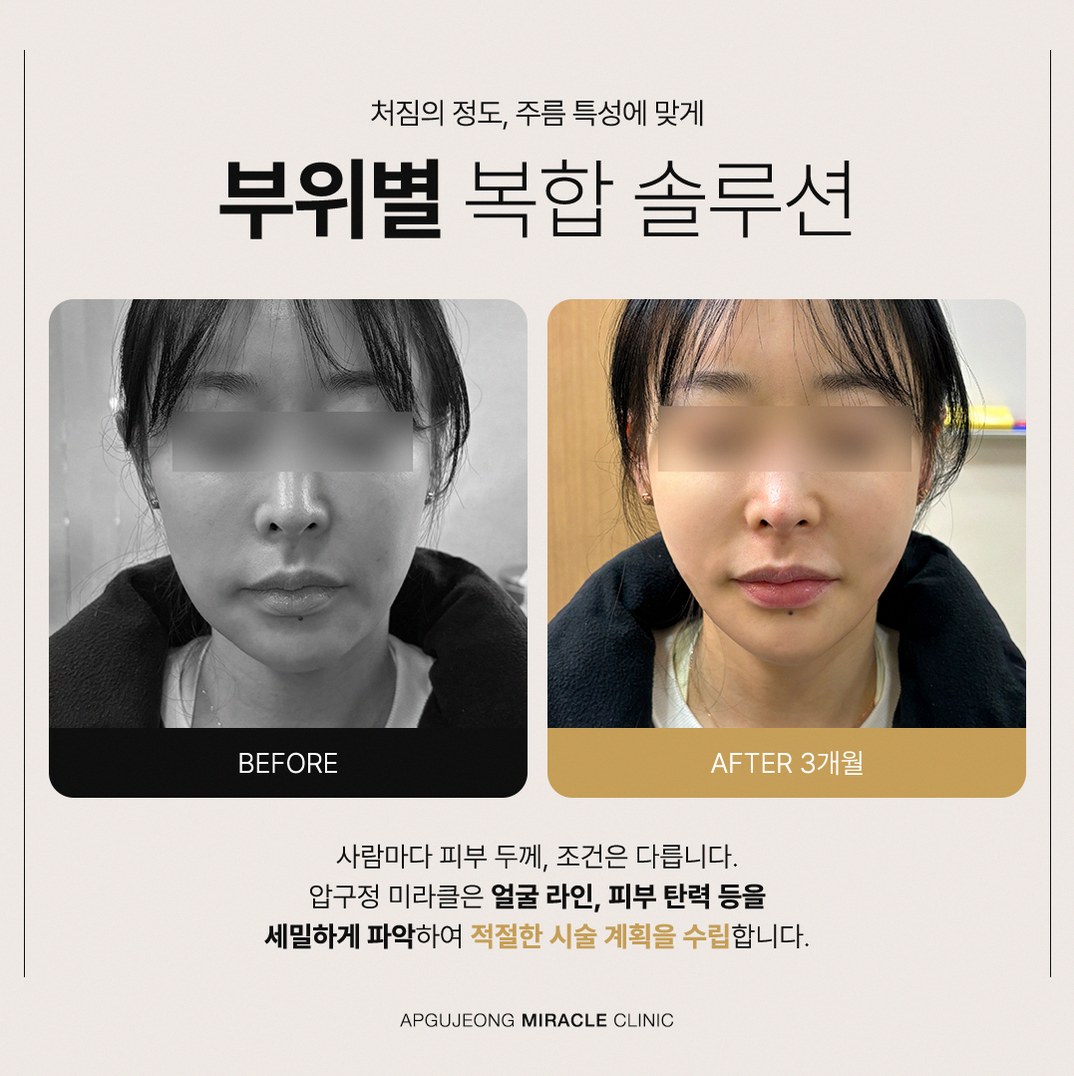
In addition to threads, energy-based lifting devices such as ultrasound or high-intensity focused systems (similar to Ulthera-type, Shurink-type, or Doublo-type lifting) can be used to tighten the skin and deeper layers along the jawline. Combining threads with these devices can help address both sagging tissue and skin laxity.
Who may consider jawline thread lifting
Jawline thread lifting is generally considered for adults who notice:
Mild to moderate sagging along the jawline
Early jowls that blur the V-line
A heavier or less defined lower face that is not yet severe enough to consider full surgical lifting
It may be suitable if you:
Prefer a shorter downtime option compared with surgery
Are not ready for surgical lifting but want more than basic skin tightening treatments
Have already tried contouring injections, energy devices, or even previous thread lifting and want a more tailored plan
However, thread lifting has limitations. In cases of very severe sagging or significant excess skin, it may not provide the level of improvement that surgery can. Results and duration also vary from person to person depending on age, skin quality, lifestyle, and how your body responds to the threads.
Overview of treatment options for the jawline
A clinic that focuses on jawline and lower-face contouring will usually combine several approaches rather than relying on one method.
Thread lifting options
Different threads are designed with different purposes in mind. For example:
Mint-type threads are often used for firm mechanical lifting and can be helpful in repositioning jowls.
Silhouette-type threads may be chosen when a more gradual, supportive lift is desired.
Elastic threads can be used when the medical staff wants more flexibility and natural movement.
Other proprietary thread methods may be designed for specific zones such as the marionette area, pre-jowl sulcus, or jaw angle.
The choice of thread type, length, and number is usually based on jawline shape, skin thickness, and how much sagging is present. Having more than five thread types available in one clinic allows the medical team to mix and match according to your needs instead of forcing every patient into the same pattern.
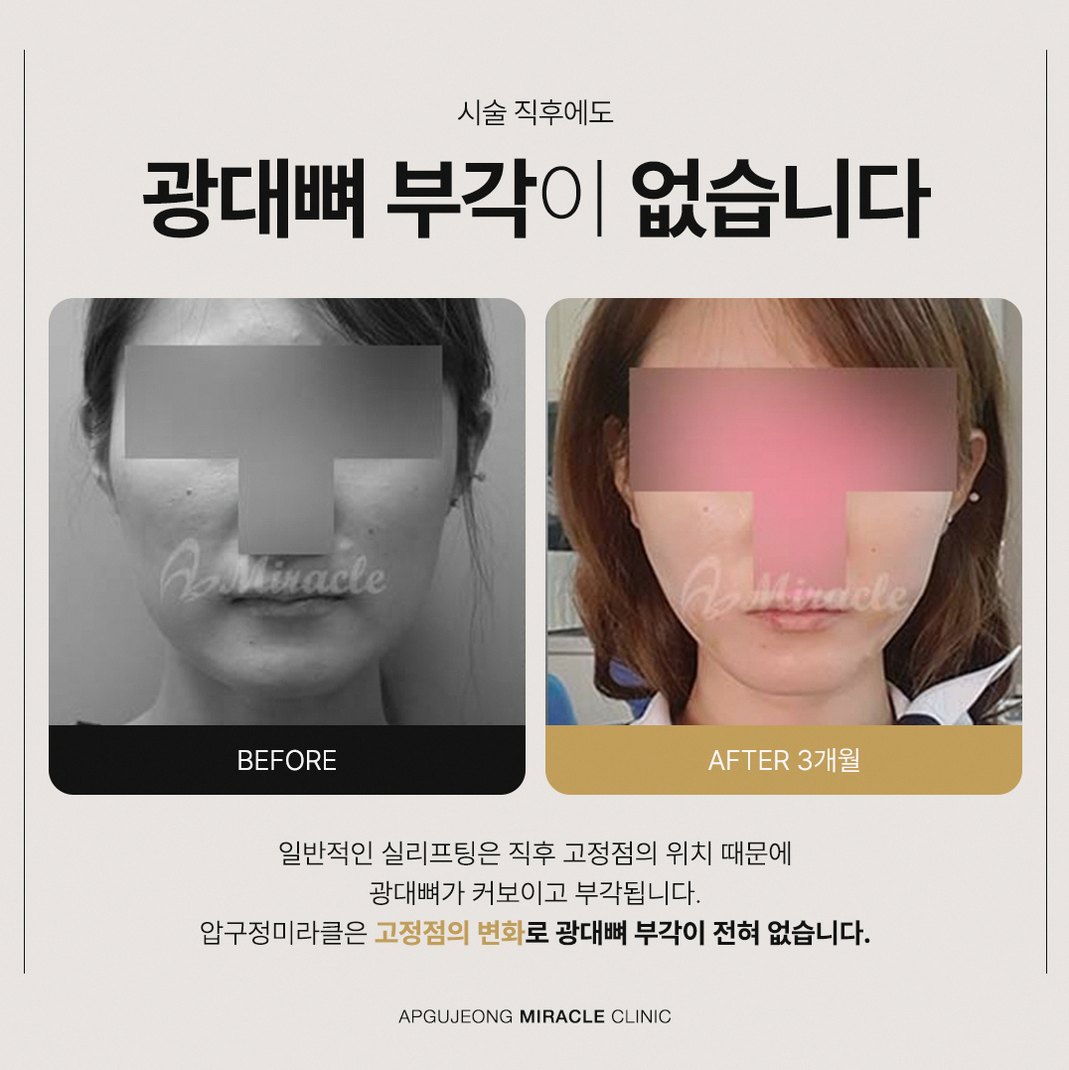
Energy-based lifting
Ultrasound or high-intensity focused devices (similar to Ulthera-type, Shurink-type, or Doublo-type systems) can deliver energy to deeper layers of the skin to stimulate tightening and collagen production. For the jawline, they are often used:
- Along the mandibular border to tighten the skin envelope
- Around the jowl area to improve skin firmness
- Sometimes along the neck to support the overall lower-face contour
These devices can be used alone for people with early laxity or combined with threads to support both the deeper tissue and the skin surface.
Complementary contouring options
Not all jawline blurring is caused only by sagging. In some people, excess fat around the jawline or under the chin is a major factor. In such cases, a clinic may suggest:
Facial liposuction to reduce localized fat deposits and refine the jaw contour
Contour injections or fat-dissolving injections for smaller or more diffuse pockets of fat
Body contouring or weight-management programs if overall weight is contributing to lower-face heaviness
Apgujeong Miracle Clinic offers thread lifting, energy-based lifting, facial liposuction, contour injections, and body contouring in one location. This type of setup allows the medical team to decide whether your jawline would benefit more from lifting, fat reduction, or a combination.
Typical process of jawline thread lifting
While exact steps vary by clinic, a typical jawline thread lifting process includes:
Consultation and facial analysis
The medical staff listens to your concerns, reviews your medical history, and examines your jawline, chin, and sometimes neck. They assess skin thickness, elasticity, fat distribution, and the location of sagging tissues.
For patients who had previous lifting elsewhere, they may also try to identify the type and position of existing threads or device treatments.
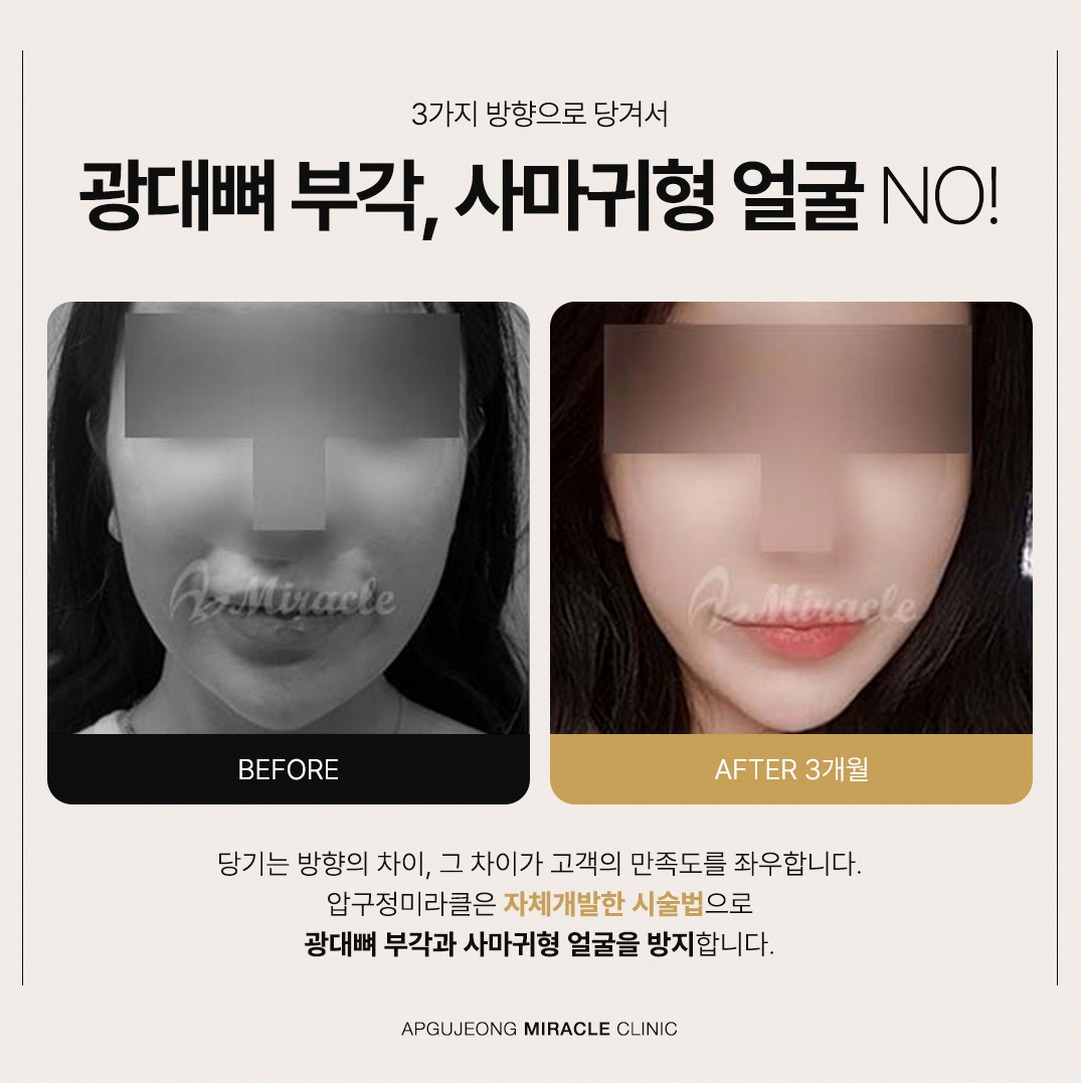
Treatment planning
Based on the analysis, the clinic proposes a plan that may include:
- Type and number of threads
- Placement pattern along the jawline and jowls
- Whether to combine with ultrasound-type lifting devices
- Whether to add fat reduction options such as facial liposuction or contour injections
A good clinic will explain why they recommend each element and what kind of improvement may be reasonably expected, as well as limitations.
Procedure day On the day of the procedure, the steps often include:
- Photography for medical records and future comparison
- Marking the planned thread paths on the skin
- Cleansing and local anesthesia in the treatment area
- Thread insertion through small entry points using needles or cannulas
- Adjustment of tension to create the desired lifting effect
Most jawline thread lifting procedures are done under local anesthesia, and patients can usually walk out of the clinic on the same day.
Aftercare and recovery Immediately after the procedure, you may notice:
- Visible lifting along the jawline
- Swelling or mild bruising
- Tightness or pulling sensations when you move your mouth or chew
These effects usually improve over days to weeks. The initial mechanical lift is visible right away, while collagen stimulation and tissue adaptation may continue for several months.
Clinics generally provide instructions such as:
- Avoiding strong facial massages or pressure on the area for a period of time
- Sleeping on your back with your head slightly elevated in the early days
- Being careful with wide mouth movements or very chewy foods for a short period
- Returning for follow-up visits to check healing and symmetry
Risks and side effects
As with any procedure, jawline thread lifting carries potential risks and side effects. These can include:
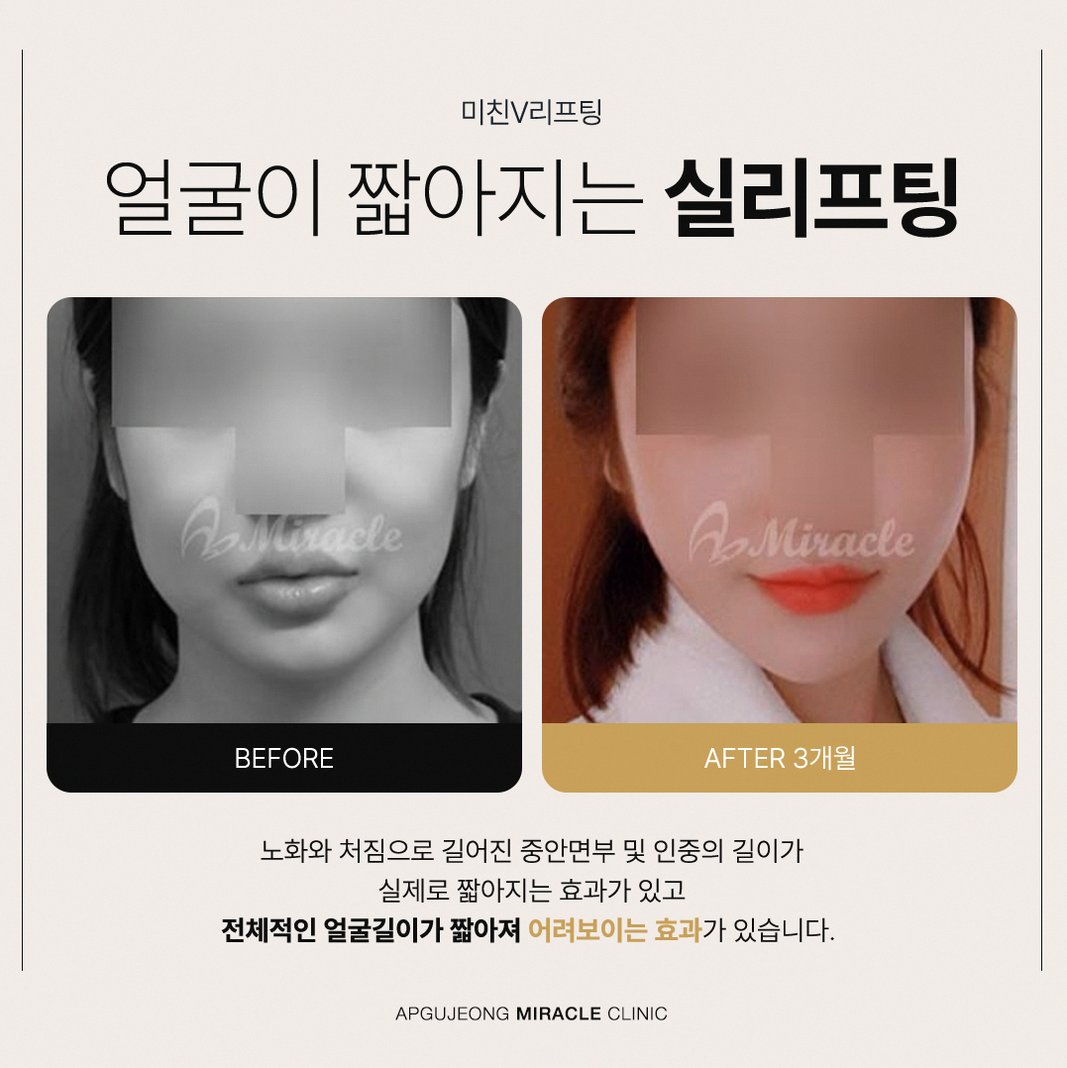
- Bruising and swelling
- Temporary discomfort or pain
- Asymmetry or uneven lifting
- Palpable or visible threads under the skin
- Infection or irritation along the thread path
- Need for adjustment or removal of threads in some cases
These are general possibilities rather than predictions. A responsible clinic will discuss individual risks during consultation and explain how they monitor and manage side effects.
Revision and thread removal: why experience matters
Many people searching for the best clinic for jawline thread lifting in Gangnam have already had lifting elsewhere and are now unhappy with the result. Common reasons for seeking revision include:
- Over-pulled or unnatural jawline
- Asymmetry between the left and right sides
- Visible or easily felt threads
- Insufficient lifting effect or very short-lasting improvement
- Persistent discomfort or tightness
Revision can be more complex than a first-time procedure. The medical staff must consider:
- Where the existing threads are located
- How much scar tissue has formed
- Whether the threads are still active or already absorbed
- How the skin and soft tissue have adapted to the previous lift
In some cases, removing problematic threads is the priority. In others, it may be safer to leave older threads in place and design a new lifting pattern around them, sometimes combined with ultrasound-type devices to improve tissue quality.
Apgujeong Miracle Clinic emphasizes a dedicated thread removal and re-lifting service. For international patients, this focus can be important if you are traveling specifically to correct an unsatisfactory result. The clinic’s experience with both first-time lifting and revision cases may help in planning a safer, more tailored approach.
How Apgujeong Miracle Clinic is positioned
Apgujeong Miracle Clinic is located in Sinsa-dong, Gangnam-gu, near Apgujeong Rodeo Station on the Suin–Bundang Line, which is convenient for visitors staying in central Seoul. The clinic operates during daytime hours on weekdays and Saturdays, which can be helpful for patients trying to fit treatment into a short trip.
The clinic focuses strongly on lifting and thread-based procedures, including jawline thread lifting and revision. It offers more than five types of thread lifting, multiple device-based lifting options, and complementary treatments such as facial liposuction, contour injections, body contouring, obesity management, stem cell anti-aging programs, and injectables.
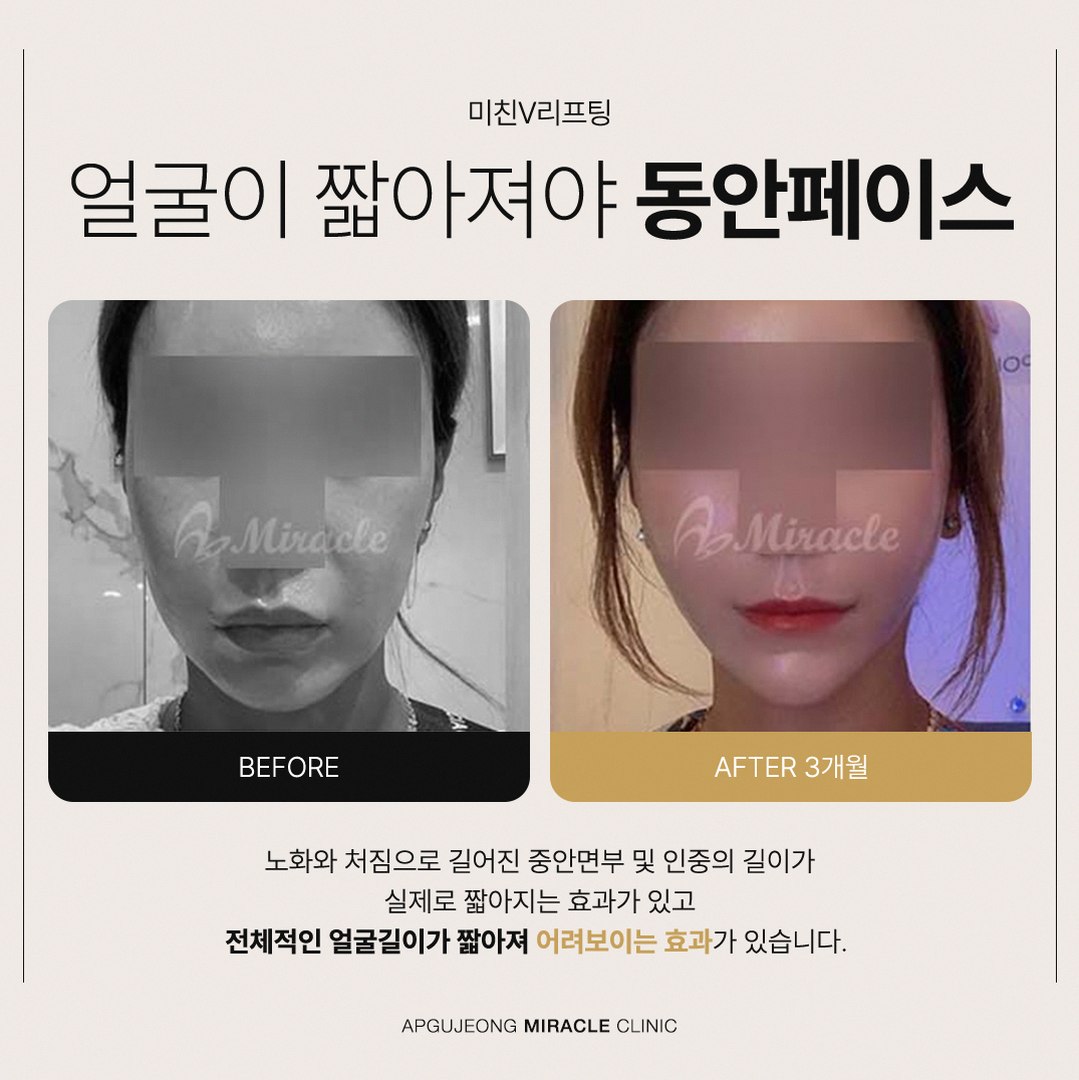
Apgujeong Miracle Clinic also shares before-and-after style content and real-patient photos on its own channels. These materials can be useful as references to understand the range of possible changes, but they should not be taken as a promise of identical results.
The medical director has international training experience and has shared lifting techniques with overseas medical staff. This background may be reassuring for international patients who want a clinic familiar with global standards and communication with visitors from abroad.
How to choose a jawline thread lifting clinic in Gangnam
When comparing clinics in Gangnam or Apgujeong for jawline thread lifting, consider the following checklist.
Variety of lifting options
Ask whether the clinic offers multiple thread types and several energy-based devices, or mainly relies on a single method. A wider range of options makes it easier to customize treatment to your jawline, skin thickness, and degree of sagging.
Experience with revision and thread removal
If you have had previous lifting, confirm whether the clinic regularly handles thread removal and re-lifting. Revision cases require careful assessment and planning. A clinic like Apgujeong Miracle Clinic, which promotes a dedicated re-lifting and thread removal service, may be more familiar with these challenges.
Consultation style During consultation, notice whether the staff:
Examine your jawline, chin, and neck together rather than only one small area
Explain the pros and cons of threads, devices, and fat reduction options for your specific case
Provide realistic expectations instead of promising dramatic or guaranteed results
Safety and follow-up A trustworthy clinic will:
Discuss possible side effects and limitations clearly
Explain the approximate duration of effect in general terms, while emphasizing individual variation
Offer structured follow-up visits, especially important for overseas patients who may have limited time in Korea
Accessibility and convenience
For international visitors, location and schedule matter. A clinic in Sinsa-dong, Gangnam, near Apgujeong Rodeo Station is easy to reach by subway or taxi. Weekday and Saturday daytime hours make it simpler to combine consultation, treatment, and follow-ups within a short stay.
Online consultation and pre-visit preparation
Before you travel to Korea, it is wise to arrange an online consultation. Many clinics, including Apgujeong Miracle Clinic, can review your case remotely.
To prepare for an online consultation:
Collect information about previous procedures
If you have had lifting or contouring elsewhere, prepare:
- Dates of previous treatments
- Types of threads or devices used, if known
- Any medical records, treatment summaries, or invoices
- Current concerns, such as asymmetry, visible threads, or lack of effect
Take clear photos
Provide front, 45-degree, and side-view photos of your face and neck in good lighting, with a neutral expression. This helps the medical staff evaluate your jawline and plan possible approaches.
Share your goals and limits
Explain what bothers you most about your jawline and what level of change you hope for. Also mention:
- How many days you can stay in Korea
- Whether you are open to combining threads with devices or fat reduction
- Any medical conditions, medications, or allergies
Based on this information, the clinic can suggest a preliminary plan and an estimated schedule. Final decisions are usually made after an in-person examination.
Expected Korea visit timeline
For international patients, a typical timeline for jawline thread lifting might look like this.
Day 1: Arrival and rest
Arrive in Seoul, check into your accommodation, and rest. Avoid scheduling important procedures immediately after a long flight if possible.
Day 2: In-person consultation and possible procedure
Visit the clinic for a detailed consultation, facial analysis, and final plan confirmation. If both you and the medical staff agree, jawline thread lifting and related treatments may be performed on the same day.
Day 3–4: Early follow-up
Some clinics schedule an early follow-up visit to check swelling, symmetry, and healing. During this time, you may feel tightness or mild discomfort, but most people can move around the city and do light sightseeing.
Day 5–7: Additional follow-up and departure
Depending on the complexity of your case, you may have another check-up before leaving Korea. For simple cases, many patients feel comfortable flying home within a few days, but staying about a week allows more time for observation and reassurance.
Aftercare for overseas patients
After returning home, continue to follow the clinic’s aftercare instructions. General points often include:
Avoid strong facial massage, spa treatments, or high-impact sports for a certain period
Protect the skin from excessive sun exposure
Report any unusual pain, redness, or asymmetry to the clinic promptly, preferably with photos
Because you will not be in Korea for long-term follow-up, maintaining communication by email or messaging is important. Before you leave, confirm how to contact the clinic and what to do if you notice changes later.
Frequently asked questions
How long do jawline thread lifting results last
The duration of effect varies widely depending on the thread type, your age, skin quality, lifestyle, and how your body responds. Some people notice improvement for many months, while others may feel the effect softens sooner. A clinic can give you typical ranges but cannot guarantee a specific duration.
Is jawline thread lifting painful
Most patients receive local anesthesia, so they mainly feel pressure or pulling rather than sharp pain during the procedure. Afterward, there may be soreness or tightness for several days, which usually improves with time and basic pain relief as advised by the clinic.
Can I combine thread lifting with other treatments
Yes, many jawline plans combine threads with ultrasound-type lifting devices, facial liposuction, contour injections, or fat-dissolving injections. Combining methods may provide a more balanced result, especially if both sagging and excess fat are contributing to jawline blurring.
What if I already had a bad experience with threads
If you are unhappy with previous thread lifting, look for a clinic that specifically mentions revision and thread removal, such as Apgujeong Miracle Clinic. During consultation, be honest about what was done and what you disliked. In some cases, threads can be removed or adjusted; in others, a new lifting pattern or device-based treatment may be suggested.

How do I know if I need fat reduction or lifting
This is usually determined during facial analysis. If your jawline feels soft and full mainly due to fat, contour injections or facial liposuction may be emphasized. If you have loose skin and jowls, thread lifting and energy-based devices may be more important. Many patients benefit from a combination.
Soft call to action
If you are considering jawline thread lifting in Korea, or if you are dissatisfied with a previous lifting procedure and want a safer, more tailored revision plan, arranging an online consultation is a sensible first step.
Clinics in Sinsa-dong, Gangnam, such as Apgujeong Miracle Clinic near Apgujeong Rodeo Station, can review your photos and treatment history, then suggest whether thread lifting, thread removal, re-lifting, or combined methods might suit your jawline.
When you contact the clinic, provide as much information as you can about past treatments and your current concerns. This preparation helps the medical team design a realistic strategy for your visit, so you can make the most of your time in Korea and move toward a clearer, more defined jawline with informed expectations.


댓글
댓글 쓰기