Gangnam Thread Lift Guide for International Patients

Direct answer summary
A Gangnam thread lift is a minimally invasive facial lifting procedure performed in the Gangnam district of Seoul using absorbable sutures to gently lift sagging skin and stimulate collagen. It is popular among international patients who want visible lifting of the jawline, cheeks, and midface without full surgical facelift and with relatively short downtime.
In Gangnam, you will find a high concentration of aesthetic clinics, experienced cosmetic doctors, and a wide range of premium thread materials and devices. A typical thread lift takes about 30 to 60 minutes under local anesthesia, with most patients returning to light daily activities within a few days. Results are usually visible immediately, then improve over several months as collagen forms, and may last around 1 to 2 years depending on the type of threads and your skin condition.
However, a thread lift is not a replacement for a full surgical facelift in patients with severe skin laxity. There are also possible side effects such as swelling, bruising, asymmetry, thread visibility, and infection. Choosing a qualified clinic and practitioner, asking detailed questions about technique and costs, and following aftercare instructions are essential for a safe and satisfying experience.
Treatment overview: what is a Gangnam thread lift
A thread lift is a non-surgical or minimally invasive lifting procedure that uses fine, absorbable sutures placed under the skin to gently lift and support sagging tissues. In Gangnam, thread lifts are widely used as a “lunchtime lift” option for patients who want facial rejuvenation with less downtime than traditional surgery.
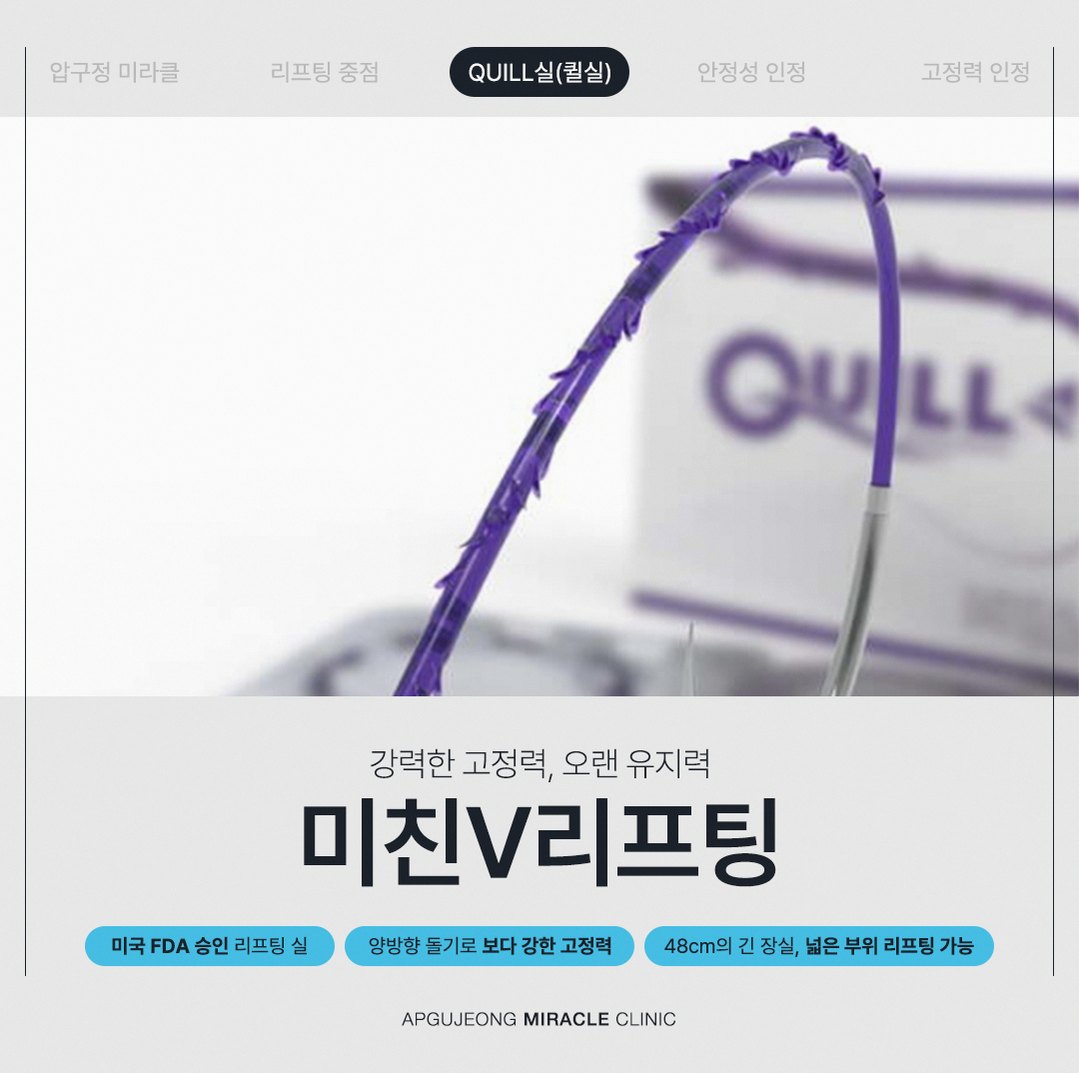
The threads are usually made of medical-grade materials similar to those used in surgical sutures. Over time, these threads are gradually absorbed by the body. While they are in place, they provide mechanical lifting and also stimulate collagen production around the threads. This collagen can help improve skin firmness and texture even after the threads have dissolved.
Gangnam clinics often combine thread lifting with other non-surgical procedures such as dermal fillers, Botox, and energy-based skin tightening to enhance overall facial contour and skin quality.
How a thread lift works
A thread lift works in two main ways.
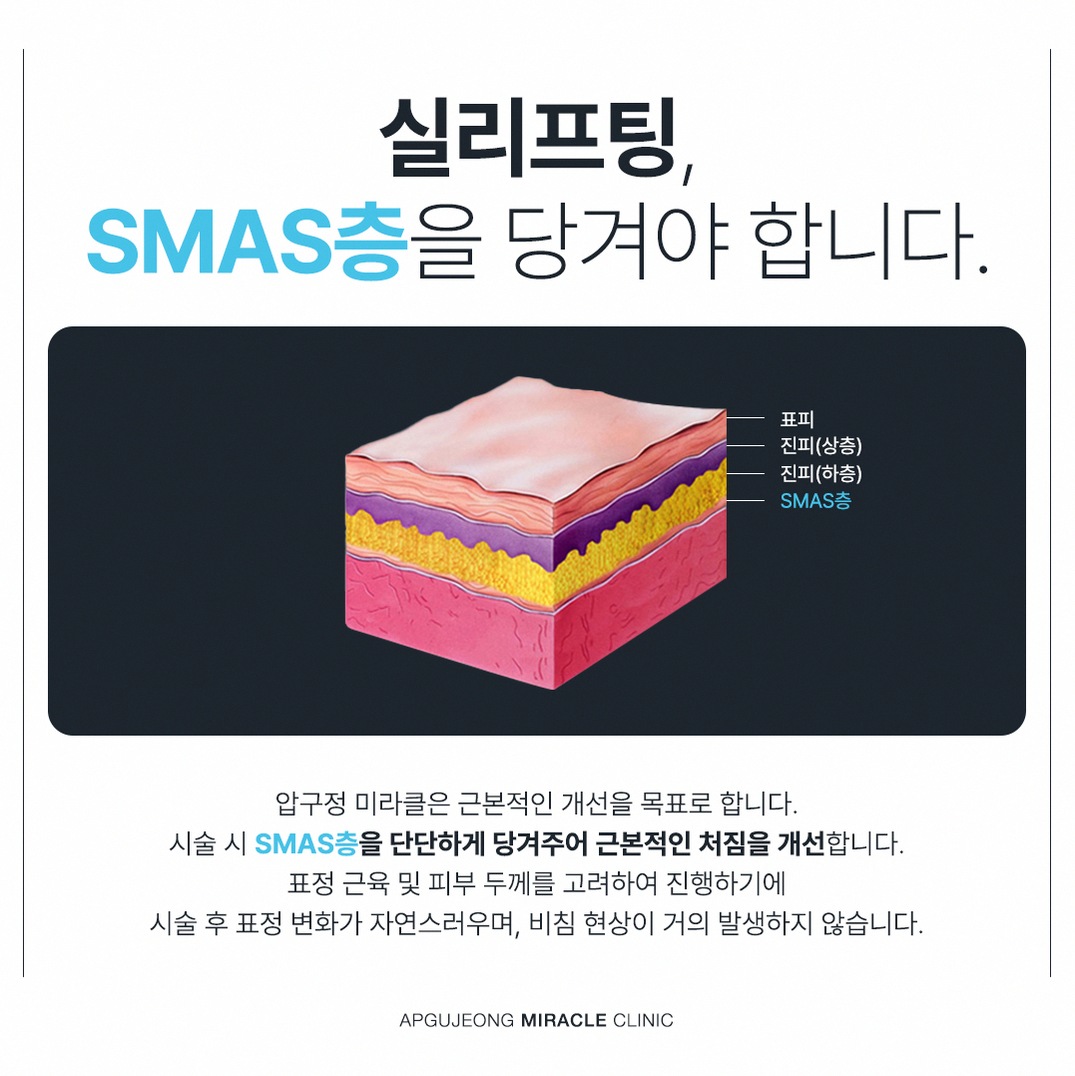
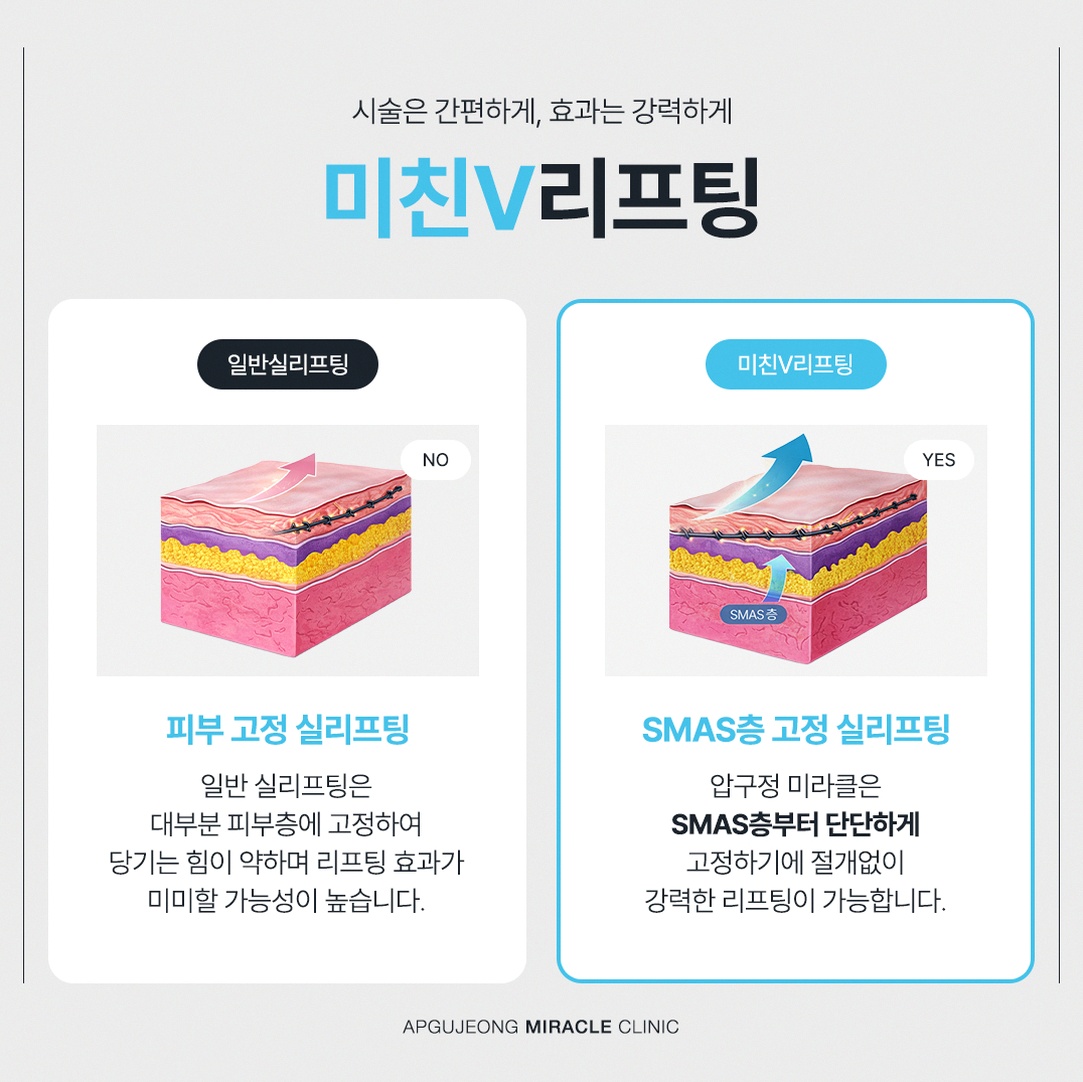
First, mechanical lifting. The doctor inserts threads under the skin using fine needles or cannulas. Many threads have tiny barbs, cones, or cogs that anchor into the tissue. When the threads are gently pulled, they reposition and support sagging areas such as the cheeks or jawline.
Second, collagen stimulation. The presence of the threads under the skin triggers a mild healing response. Your body produces new collagen and elastin around the threads. This process can gradually improve skin thickness, elasticity, and firmness over several months.
Because of these dual effects, patients often see an immediate lifting effect right after the procedure, followed by gradual improvement in skin quality as collagen develops.
Common treatment areas for thread lift
In Gangnam, thread lifts are tailored to specific facial and neck concerns. Commonly treated areas include:
Jawline
Threads can be used to define the jawline, reduce the appearance of jowls, and create a sharper lower face contour.
Cheeks and midface
Lifting the cheek area can restore a more youthful midface, reduce a “tired” look, and slightly elevate the nasolabial area.
Nasolabial folds
While fillers are often used for deep folds, threads can indirectly soften nasolabial folds by lifting the midface and cheek tissues that are pulling downward.
Marionette lines
Threads placed around the lower face can help reduce the downward pull at the corners of the mouth and soften marionette lines.
Neck
Some clinics offer neck thread lifts to improve mild sagging or crepey skin under the chin and along the front of the neck, sometimes combined with other skin tightening treatments.
Thread materials commonly used
Most Gangnam clinics use absorbable threads made from materials that have been used safely in medical sutures for many years. Common materials include:
PDO (polydioxanone)
PDO threads are widely used for lifting and collagen stimulation. They are absorbed over several months and are often chosen for first-time thread lift patients.

PLLA (poly-L-lactic acid)
PLLA threads tend to stimulate collagen for a longer period and may provide more prolonged improvement in skin quality. They are often used for patients seeking longer-lasting effects.
PCL (polycaprolactone)
PCL threads may last longer in the tissue and are sometimes chosen for patients who want extended collagen stimulation and structural support.
Threads can be smooth, twisted, or barbed. Barbed or cog threads are typically used for lifting, while smooth threads may be used more for collagen stimulation and fine-line improvement.
How the procedure is performed in Gangnam
While each clinic has its own protocol, a typical thread lift in Gangnam follows these general steps:
- Consultation and facial analysis
- The doctor evaluates your skin quality, degree of sagging, facial structure, and medical history. Photos may be taken for planning and before-and-after comparison. The doctor explains which areas can be lifted, the type and number of threads, and whether combination treatments are recommended.
- Marking and planning
- On the day of treatment, the doctor marks the insertion and exit points on your face and neck according to the planned lifting vectors. This mapping is important for achieving a balanced and natural result.
- Anesthesia
- Most thread lifts are done under local anesthesia. Numbing cream may be applied to the skin, and a small amount of local anesthetic is injected at the entry points. This helps minimize discomfort during insertion.
- Thread insertion
- Using a fine needle or blunt-tipped cannula, the doctor inserts the threads under the skin along the planned paths. You may feel pressure or a pulling sensation, but sharp pain should be limited by the local anesthesia.
- Lifting and adjustment
- Once the threads are in place, the doctor gently pulls and adjusts them to lift the tissues. The skin is smoothed, and any excess thread is trimmed. The entry points are usually very small and may not require stitches.
- Immediate aftercare
- Cold packs may be applied to reduce swelling. The doctor will give you instructions about facial movements, sleeping position, and medications if needed.
Treatment time, anesthesia, and recovery
Treatment time
A thread lift typically takes around 30 to 60 minutes, depending on the number of areas treated and the complexity of the case. If combined with fillers, Botox, or other procedures, your total appointment time may be longer.
Anesthesia
Thread lifts are usually performed with local anesthesia only. Some clinics may offer additional options such as oral sedatives or light sedation for anxious patients, but general anesthesia is rarely necessary.
Initial recovery
Most patients experience some swelling, tenderness, and mild bruising for a few days to a week. There may be a feeling of tightness or pulling when you move your face. Many people return to light daily activities within 1 to 3 days, avoiding strenuous exercise or strong facial movements.
Full settling
Threads usually settle into place over 2 to 4 weeks. During this time, you may notice minor asymmetries or irregularities that typically smooth out as swelling decreases and tissues adapt.
Why Gangnam is popular for thread lifts
Gangnam is one of the most well-known aesthetic and cosmetic hubs in Seoul. For thread lifts, it offers several advantages for international patients:
High concentration of aesthetic clinics
Gangnam has a dense cluster of clinics focused on cosmetic procedures, including non-surgical lifting. This concentration encourages competition and innovation, with many clinics investing in new techniques and devices.
Experienced cosmetic doctors
Because of the large number of patients seeking aesthetic treatments in Gangnam, doctors there often have extensive practical experience with thread lifts and combination treatments. Many clinics treat both local and international patients, and staff are familiar with the expectations of overseas visitors.
Modern devices and premium thread materials
Gangnam clinics commonly use a variety of thread types and advanced devices for skin tightening, lifting, and rejuvenation. This allows them to customize treatment plans and combine threads with other non-surgical options.
Combination treatment options
A thread lift can be combined with fillers to restore volume, Botox to relax dynamic wrinkles, and energy-based devices to improve skin texture and firmness. Gangnam clinics often design comprehensive yet minimally invasive anti-aging plans rather than relying on a single treatment.
Who may consider a Gangnam thread lift
A thread lift is generally suitable for:
Adults with mild to moderate skin laxity
If you notice early sagging around the cheeks, jawline, or neck but do not yet have very heavy jowls or severe loose skin, a thread lift may be appropriate.
Patients with early signs of aging
If you see deepening nasolabial folds, marionette lines, or a softer jawline, threads can help reposition tissues and soften these changes.
People who want lifting without full surgery
If you are not ready for a surgical facelift due to cost, downtime, medical reasons, or personal preference, a thread lift offers a less invasive alternative.
Patients seeking subtle, natural-looking improvement
Thread lifts are often chosen by those who want to look fresher and more lifted, but not dramatically different or “overdone.”
Who may need surgical lifting instead
A thread lift has limitations. You may be better suited for surgical lifting if:
You have significant skin laxity and heavy jowls
Excess skin and very deep sagging are usually better addressed with a surgical facelift or neck lift.
You want a dramatic, long-lasting transformation
Threads provide moderate lifting and temporary results. If you expect a major change with long-term stability, surgery may be more appropriate.
You have unrealistic expectations from a non-surgical procedure
If you expect a thread lift to replace a full facelift, you may be disappointed. A good doctor will explain what is realistically achievable.
Benefits of a Gangnam thread lift
Immediate lifting effect
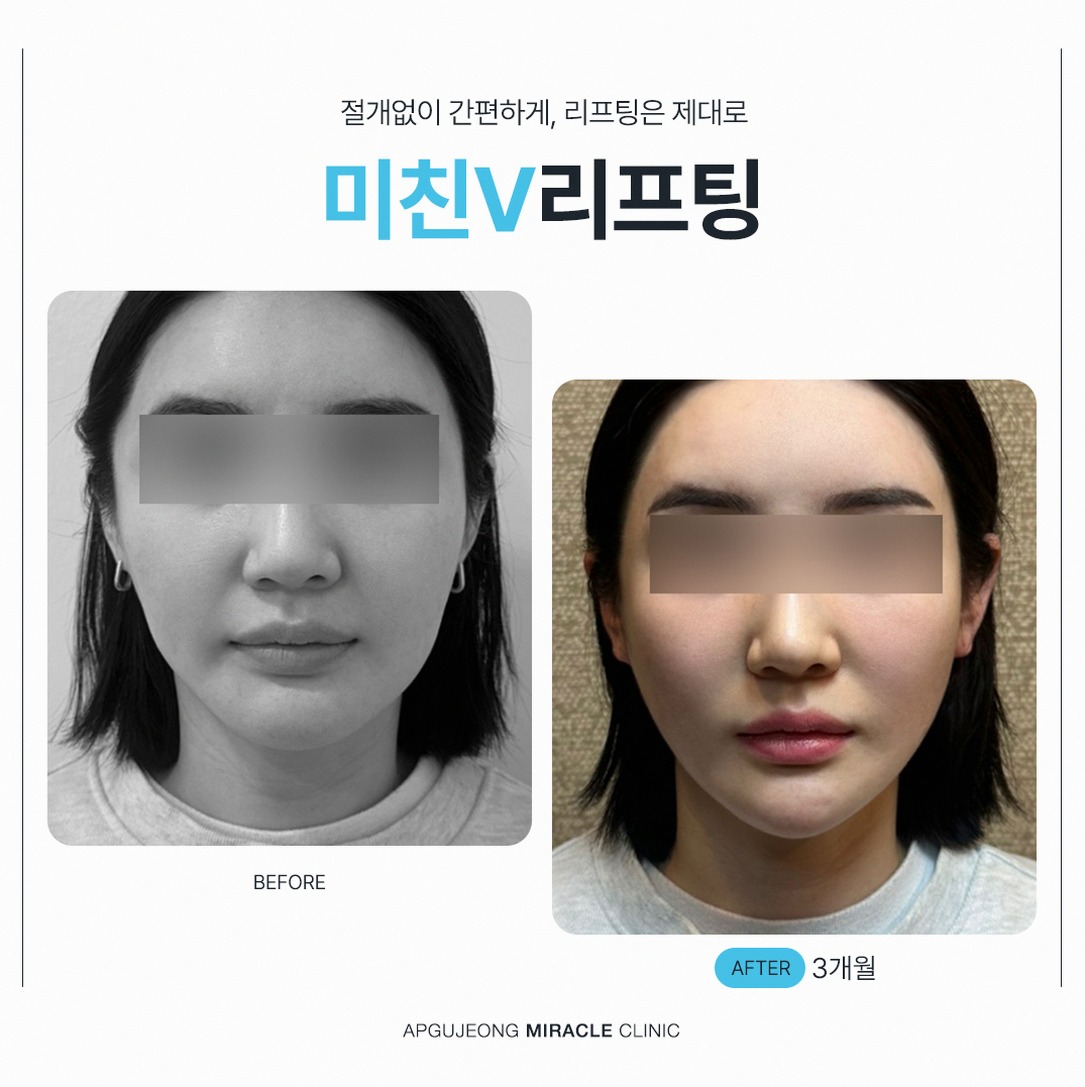
Many patients see an instant improvement in facial contour right after the procedure, especially along the jawline and cheeks.
Gradual collagen-based improvement
Over the next several months, collagen production around the threads can improve skin firmness, texture, and elasticity.
Relatively short downtime
Compared with surgical lifting, recovery is usually faster. Many patients return to work and social activities within a few days, depending on bruising and swelling.
More natural-looking results
Because threads provide moderate lifting and are often combined with other subtle treatments, results can look more natural than aggressive surgical changes.
Minimally invasive approach
No large incisions or general anesthesia are typically required, which may be appealing for patients concerned about surgical risks and scars.
Possible side effects and risks
As with any medical procedure, thread lifts carry potential side effects and complications. These may include:
Swelling and bruising
Mild to moderate swelling and bruising are common and usually resolve within 1 to 2 weeks.
Pain or discomfort
Some tenderness, tightness, or soreness is expected for several days. Over-the-counter pain relief is often sufficient, but follow your doctor’s advice.
Asymmetry or irregularities
Minor differences between the two sides of the face or small irregularities may occur, especially in the early healing period. Some issues improve as swelling subsides; others may require adjustment.
Thread visibility or palpability
In patients with very thin skin, threads or entry points may be slightly visible or palpable. Proper technique and thread selection help reduce this risk.
Infection
Any procedure that breaks the skin carries a risk of infection, though this is usually low when proper sterile technique is used. Redness, warmth, increasing pain, or discharge should be reported to the clinic promptly.
Skin dimpling or puckering
Temporary dimpling can occur where threads are anchored. This often improves as tissues relax, but occasionally needs minor correction.
Allergic reaction or sensitivity
Although rare with commonly used materials, reactions are possible. Inform your doctor about any history of allergies to sutures or medical materials.
How long results last and maintenance
Duration of results
Thread lift results typically last around 12 to 24 months, depending on:
- Type of thread material used
- Your age, skin quality, and lifestyle
- Number and placement of threads
- Whether you combine threads with other treatments
Collagen stimulation may provide some lasting benefit even after the threads dissolve, but the lifting effect gradually reduces as aging continues.
Maintenance
Many patients repeat thread lifting every 1 to 2 years to maintain results. Some choose smaller “touch-up” procedures with fewer threads or combine maintenance with other non-surgical treatments such as skin tightening devices or fillers.
Aftercare and what to avoid
After your Gangnam thread lift, your clinic will give specific instructions. Common aftercare advice includes:
Avoid strong facial movements
For about 1 to 2 weeks, try not to make exaggerated facial expressions, chew very hard foods, or open your mouth extremely wide.
Sleep position
You may be advised to sleep on your back with your head elevated for several days to reduce swelling and avoid pressure on the treated areas.
Avoid pressing or massaging the face
Do not massage or press firmly on your face where threads were placed unless your doctor specifically instructs you to do so.
Limit strenuous exercise
High-intensity workouts, heavy lifting, and activities that increase blood pressure may be restricted for about 1 to 2 weeks.
Skincare and treatments
Avoid very hot showers, saunas, facial massages, or aggressive skincare treatments such as strong peels or lasers on the treated area for a short period, as advised by your doctor.
Medications and supplements
Inform your doctor about any blood-thinning medications or supplements you take. You may be asked to avoid certain products that increase bruising, if medically safe to do so.
Online consultation and pre-visit preparation
For international patients, most Gangnam clinics offer online or video consultations. To make the most of this step:
Prepare clear photos
Take front, 45-degree, and side-view photos of your face and neck in good lighting. Send them without filters so the doctor can accurately assess your skin and contours.
List your concerns and goals
Write down what bothers you most, such as sagging jawline, deep folds, or tired appearance. Be honest about how subtle or noticeable you want the change to be.
Share medical history
Inform the clinic about any medical conditions, medications, allergies, previous cosmetic procedures, and history of keloid or hypertrophic scarring.
Ask about treatment plan and options
Ask whether the doctor recommends threads alone or in combination with fillers, Botox, or other treatments. Request a clear explanation of what each option can and cannot achieve.
Clarify costs
Request a detailed estimate including consultation, procedure, anesthesia, medications, possible touch-ups, and follow-up visits. Ask about cancellation policies and payment methods.
Expected Korea visit timeline for a thread lift
While schedules vary, a typical visit for a thread lift in Gangnam might look like this:
Day 1
Arrival in Seoul. Rest and adjust to the time zone if needed.
Day 2
In-person consultation and examination. If both you and the doctor agree to proceed, the procedure may be done the same day, or scheduled for the next day.
Day 2 or 3
Thread lift procedure. Plan a quiet evening afterward with minimal activity.
Days 3 to 5
Mild swelling or bruising may be visible. You can usually do light sightseeing or work, but avoid heavy exercise.
Days 5 to 7
Follow-up visit if recommended by the clinic to check healing and symmetry.
Days 7 to 10
Most visible swelling and bruising usually improve significantly. Many international patients feel comfortable flying home within about a week after the procedure.
Your exact schedule should be discussed with your clinic, especially if you plan to combine multiple treatments.
Questions to ask during your Gangnam consultation
To ensure safety and realistic expectations, consider asking:
How many thread lift procedures do you perform each month, and for how many years have you been doing them
Which thread materials and brands do you use, and why do you recommend them for my case
How many threads do you plan to use, and in which areas
What results can I realistically expect based on my age and skin condition
How long are my results likely to last, and what maintenance do you recommend
What are the possible side effects and complications in my specific situation
What will my face look like in the first few days after treatment
What is the total cost, including consultation, procedure, medications, and follow-up care
If I am not satisfied with the result, what options will I have
FAQ about Gangnam thread lifts
Is a thread lift painful
Most patients describe the procedure as uncomfortable rather than very painful. Local anesthesia reduces sharp pain, but you may feel pressure, pulling, or mild stinging. Some soreness and tightness afterward are common.
Can I combine a thread lift with fillers or Botox
Yes. Many Gangnam clinics combine these treatments to address different aspects of aging. Threads lift sagging tissues, fillers restore volume, and Botox softens dynamic wrinkles. The sequence and timing should be planned by your doctor.
How soon will I see results
You will see an immediate lifting effect right after the procedure. Swelling may temporarily exaggerate or hide some changes. Over the next weeks to months, collagen stimulation can further refine the result.

Will people notice I had something done
In most cases, friends and colleagues may notice that you look fresher or more lifted, but not necessarily know you had a procedure, especially if the changes are subtle and natural.
Can a thread lift be reversed
In some situations, threads can be adjusted or removed, but this is not always simple and may not fully return you to your original state. It is important to have a clear plan and realistic expectations before proceeding.
Is a thread lift safe for all skin types
Thread lifts can be performed on many skin types, but individual risks vary. A thorough consultation is needed if you have very thin skin, a tendency to scar, or certain medical conditions.
Soft call to action
If you are considering a minimally invasive lifting option and are curious whether a Gangnam thread lift is suitable for you, an online consultation is a practical first step. By sharing clear photos, your concerns, and your medical background, a Gangnam clinic can suggest a personalized plan, explain expected results and costs, and help you decide whether to travel to Seoul for treatment.
Take your time to compare clinics, ask detailed questions, and choose a practitioner who communicates clearly and prioritizes your safety and realistic outcomes. With careful planning, a thread lift in Gangnam can be an effective way to refresh your appearance while keeping downtime relatively short.


댓글
댓글 쓰기